Key Takeaways
- Southeast Asia is not a single retail market; channel access, customer journeys and service obligations should be checked country by country.
- Department stores, specialist boutiques and travel retail offer different discovery and operating conditions.
- Multilingual content, price communication, cross-border supply and after-sales hand-offs need clear owners.
- Market context can guide questions, but does not establish demand for VERTU or authorise a retailer to sell it.
Premium phone distribution in Southeast Asia should be planned market by market, with each channel assessed for customer fit, access, presentation and service capability. Department stores, independent boutiques and travel retail can each play a role, but none is automatically suitable across Singapore, Malaysia and Thailand. Start with evidence from the specific geography, then confirm the authorised partnership format, supply arrangements and local service route. VERTU describes its authorised distributors as developing an agreed territory through market planning and channel coordination; the applicable territory and terms need direct confirmation. See VERTU’s market-entry planning guide for general preparation questions.
Why should Southeast Asia be assessed country by country?
A regional plan can coordinate research, but it should not erase differences between markets. Retail structures, languages, import processes, customer expectations, payment practices and after-sales coverage may vary. A channel relationship in one country does not establish access in another. Define the country, target cities and proposed role before estimating opportunity or approaching retail groups.
Build a short market sheet for each target: existing luxury retail formats, relevant customer evidence, possible channel partners, operating dependencies and questions requiring local advice. Mark information as verified, inferred or unknown. Do not extrapolate a single mall, city or retailer’s audience to an entire country.
How do the three principal retail channels differ?
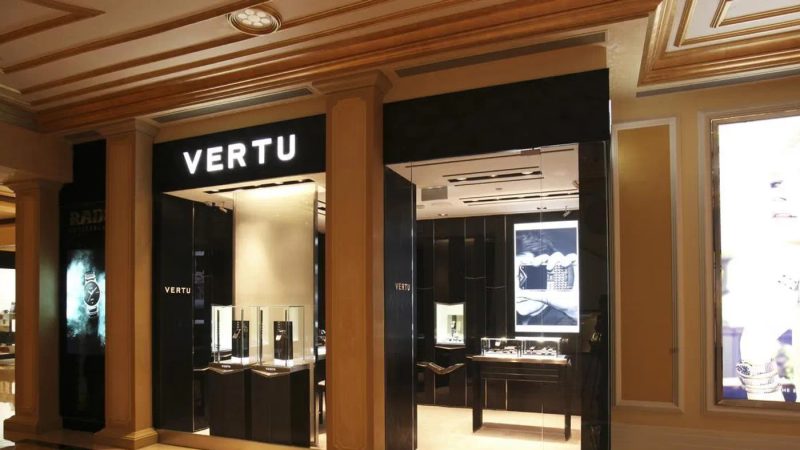
Department stores can offer curated brand environments, established footfall and existing service routines, while access, space and commercial terms depend on the operator. Independent boutiques may support more focused consultation and client relationships, but their reach and operating capacity can vary. Travel retail can connect with travellers at a specific journey stage; it also depends on location, passenger mix, concessions and fulfilment arrangements.
| Channel | Potential role | What to verify |
|---|---|---|
| Department store | Curated discovery and premium brand adjacency | Buyer access, presentation rules, staffing and service ownership |
| Independent boutique | Personal consultation and a focused assortment | Client evidence, product education, store capacity and follow-up |
| Travel retail | Reach customers during a defined travel journey | Operator approvals, concession terms, fulfilment and post-sale support |
These are planning distinctions, not guarantees. For each channel, identify the decision-maker, approval steps, cost structure, customer journey and service expectations. Keep prospective relationships separate from signed or authorised arrangements. The public overview of VERTU partnership formats can clarify role terminology, but it does not approve a particular retailer or channel plan.
What does localisation require beyond translation?
Localisation includes language, customer communication, product information, pricing display, campaign approvals and the ability to respond consistently to service questions. Translation alone does not ensure that a product description, price presentation or promotion is suitable for the intended market. Assign an owner to check each customer-facing asset and keep approved versions current.
Where customers may use more than one language, decide which language is used for initial discovery, detailed product information, transaction documents and support. Confirm terminology with qualified local reviewers when needed. Avoid implying that identical marketing copy or service language can be reused across several markets without review.
Price communication requires particular care. Confirm which currency, taxes, delivery costs, payment terms and promotional conditions apply to the specific sales route. Do not copy prices from another country or imply a uniform regional price unless authorised and verified. The retailer should clarify who is responsible for updates and how price changes are communicated.
How should supply and after-sales be aligned?
Before launching a channel, map how products reach the retailer and how customer questions return to the right service contact. Confirm the ordering party, authorised supply route, delivery terms, local stock owner and the process for checking order status. Do not promise availability or delivery timing before those details are confirmed.
After a sale, staff need a clear route for warranty, repair, return and product-information questions. Define who receives an enquiry, what the retailer may resolve, how an unresolved case is escalated and who updates the customer. The after-sales responsibility checklist for luxury partnerships provides general prompts; exact duties depend on the relevant agreement and local requirements.
Cross-border supply adds dependencies that should be checked with qualified local advisers and the authorised parties. This article does not state import, tax, consumer-protection or customs requirements for any country. Verify those for the specific route and product before committing to a channel.
How can a distributor validate a channel opportunity?
- Define one country and the cities or customer catchments under consideration.
- Collect relevant enquiries, retailer feedback and customer questions; distinguish facts from assumptions.
- Compare the three channel types against access, operating cost, presentation and service responsibilities.
- Map supply, customer communication and after-sales hand-offs for the preferred route.
- List approvals, local advice and partner confirmations still needed.
- Consider a limited activity only when it is authorised, scoped and resourced, then review evidence before expanding.
Use explicit decision gates. If customer evidence is weak, continue research rather than announcing demand. If service or supply is unconfirmed, record the dependency rather than treating it as an established capability.
Frequently asked questions
Channel discussions should also identify who owns local updates. Decide which partner checks retailer requirements, who reviews translations and price displays, and how changes are recorded. A named owner and review date help prevent an old product description or unconfirmed service statement from circulating across markets.
Before moving from research to a channel proposal, create a one-page comparison for each market. Include the evidence date, channel access status, language needs, supply path, service owner and unresolved legal or commercial questions. This makes the regional strategy easier to challenge and update when a retail contact, operating assumption or local requirement changes. Revisit the comparison after key partner discussions so that an outdated introduction or estimate does not remain labelled as current evidence.
Is Southeast Asia one luxury retail market?
No. Use a regional view to coordinate research, then validate channels, customer needs and operating conditions in each country.
Which retail channel is best for luxury phones?
There is no universal best channel. Compare customer fit, access, approval requirements, presentation and service ownership for the specific market.
Can a distributor use the same pricing and marketing across Singapore, Malaysia and Thailand?
Do not assume so. Confirm authorised price communication, currency, taxes, campaign rules and language for each market and sales route.
Does a travel-retail listing guarantee access to travellers?
No. Access, visibility, concession terms and customer support depend on the relevant operator and agreement.
What should be confirmed before cross-border supply?
Confirm the authorised supply route, order and delivery terms, local responsibilities, applicable requirements and after-sales process with the relevant parties and advisers.
Conclusion
Premium phone distribution in Southeast Asia needs a country-specific channel plan supported by local evidence and a workable service route. Compare department stores, boutiques and travel retail on real access and operating requirements, localise customer communication responsibly, and keep unconfirmed supply or demand assumptions visible. To explore VERTU retail and distribution directions, visit VERTU’s partner information page.

Previous article
Luxury Phone Allocation and Replenishment: What Retailers Should Confirm
TOP-Rated Vertu Products
Alphafold
ALPHAFOLD is the world’s first Hermes Agent phone, combining AI assistance and mobile ERP for smarter task execution, workflow control, and business management.
Explore moreAgent Q
World’s first AI agent phone: A paradigm shift from Apps to Agents. It thinks, plans, and executes, all while securing your privacy.
Explore moreMetavertu Max
Metavertu Max: Luxury tech with Second Brain AI and a triple system for 4x WhatsApp. Opulence meets intelligence.
Explore more