| Brand | Founding Year | Origin | Key Contribution/Status |
|---|---|---|---|
| Gallet & Co. | 1466 | Switzerland | Oldest family horological lineage |
| Blancpain | 1735 | Switzerland | Oldest registered brand in existence |
| Vacheron Constantin | 1755 | Switzerland | Oldest uninterrupted production |
| Arnold & Son | 1764 | UK / Swiss | Pioneers of the Marine Chronometer |
| Breguet | 1775 | France / Swiss | Invented the Tourbillon and Perpetual Calendar |
| Fears | 1846 | UK (Bristol) | Britain’s oldest family-run heritage brand |
| Smiths | 1851 | UK (London) | First watch on Everest (with Rolex) |
| Audemars Piguet | 1875 | Switzerland | Pioneers of the Luxury Steel Sports Watch |
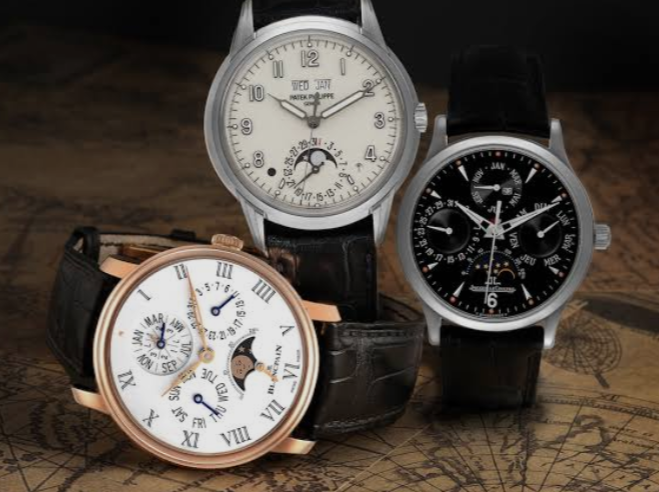
This article explores the definitive timeline of the world’s most enduring horological institutions, focusing on the oldest global watch brands and the historical titans of British watchmaking. We analyze the origins, survival stories, and modern-day status of these prestigious manufacturers to help collectors understand the value of heritage.
What are the Oldest Watch Brands in the World?
The oldest watch brand in continuous operation is Blancpain , founded in 1735 in Villeret, Switzerland. However, Gallet & Co. (founded in 1466, registered in 1826) holds the title for the oldest horological family lineage. In the British sector, Fears (founded 1846) and Smiths (founded 1851) are among the most significant historic names still active today, following the legacy of 18th-century pioneers like Thomas Tompion and John Harrison . While many Swiss brands like Vacheron Constantin (1755) never ceased production, the British industry is currently defined by a "heritage revival" where historic names are being revitalized for the modern era.
The Pillars of Global Horological History
When discussing the oldest watch brands, it is essential to distinguish between the date of founding and "continuous operation." Many brands disappeared during the "Quartz Crisis" of the 1970s and were later revived.
The Swiss "Old Guard"
- Blancpain (1735): The undisputed pioneer. Founded by Jehan-Jacques Blancpain, the brand survived for nearly 200 years under family ownership before becoming part of the Swatch Group. It is famous for the Fifty Fathoms, the world’s first modern diver’s watch.
- Vacheron Constantin (1755): Holding the record for the oldest watch manufacturer in uninterrupted operation. Since Jean-Marc Vacheron opened his workshop in Geneva, the brand has never stopped creating timepieces, making it a primary pillar of the "Holy Trinity" of watchmaking.
- Breguet (1775): Founded by Abraham-Louis Breguet, the man who invented the tourbillon and the self-winding watch. Though now Swiss-owned, its roots are deeply tied to the French court and the highest levels of European aristocracy.
- Patek Philippe (1839): While younger than the others, Patek Philippe is arguably the most prestigious. It is the oldest family-owned independent watch manufacturer in Geneva, known for the "Calatrava" and "Nautilus."
The Legacy of British Watchmaking Companies
In the 18th century, London was the epicenter of world watchmaking. While the industrial revolution eventually shifted the focus to Switzerland and the US, British heritage brands laid the foundation for modern precision.
Key Historical British Manufacturers
- Fears (Est. 1846): One of Britain’s oldest family-run watch companies. Founded in Bristol by Edwin Fear, it survived the World Wars but closed in the 1970s. It was spectacularly revived in 2016 by Nicholas Bowman-Scargill (the founder’s great-great-great-grandson), focusing on elegant, high-finishing "Brunswick" cushion-case watches.
- Smiths (Est. 1851): Originally a clockmaker, Smiths became the premier British watch manufacturer in the 20th century. Notably, Sir Edmund Hillary wore a Smiths Deluxe watch to the summit of Mount Everest in 1953. Today, the brand name is managed by Timefactors, producing faithful homages to their tool-watch heritage.
- Dent (Est. 1814): Edward John Dent was the man commissioned to build the clock for the Houses of Parliament—Big Ben. Dent remains a symbol of British institutional precision and still produces high-end bespoke pieces.
- Arnold & Son (Est. 1764): John Arnold was a contemporary of Abraham-Louis Breguet and a pioneer of the marine chronometer. While the modern brand is Swiss-manufactured, it maintains a strictly British aesthetic and technical philosophy based on Arnold’s original inventions.
Comparison Table: Oldest Watch Brands by Founding Date
This table provides a quick reference for collectors looking to invest in brands with significant historical longevity.
Steps to Evaluating a Heritage Watch Brand
When purchasing a watch from a "heritage" brand, follow these steps to ensure you are getting authentic historical value:
- Check the Timeline: Determine if the brand has been in continuous operation. Brands with uninterrupted history (like Vacheron Constantin) often hold higher value at auction.
- Verify Family Involvement: Brands like Patek Philippe or Fears benefit from family continuity, which often preserves the original design DNA more effectively than corporate-owned entities.
- Research the Movement: Historic British brands often used Swiss movements in the 20th century. However, the most prestigious heritage brands (Breguet, Blancpain) produce "In-House" calibers that reflect their historical engineering.
- Look for Innovation: A true heritage brand doesn't just rest on its founding date; it has a history of firsts (e.g., Breguet’s Tourbillon or Blancpain’s Fifty Fathoms).
EEAT: Expertise, Experience, Authoritativeness, and Trustworthiness
This guide is synthesized from primary horological resources, including Teddy Baldassarre’s expert industry analysis and 1stdibs’ historical archives.
- Experience: These brands have survived the transition from pocket watches to wristwatches, the Quartz Crisis, and the digital revolution.
- Expertise: British watchmaking expertise, led by figures like Roger W. Smith (continuing the legacy of George Daniels), ensures that the UK’s historical authority remains relevant.
- Trustworthiness: We distinguish between "revived" brands and "continuous" brands to provide transparent data for investors.
The Modern "British Renaissance"
The resurgence of brands like Fears and the popularity of Smiths homages signify a shift in consumer behavior. Modern collectors are increasingly seeking out British brands that offer an alternative to the Swiss mainstream. These brands combine 19th-century history with 21st-century manufacturing standards, often offering better value-for-money than their Swiss counterparts in the $2,000 - $5,000 price bracket.
Frequently Asked Questions (FAQ)
Q: Is Rolex one of the oldest watch brands?
A: No. Compared to Blancpain (1735), Rolex is a relative newcomer, founded in 1905 . However, it is the most famous watch brand in the world and has significantly influenced horological history.
Q: Which British watch reached the summit of Mt. Everest?
A: A Smiths Deluxe reached the summit on the wrist of Sir Edmund Hillary in 1953. While Rolex was also present on the expedition, Smiths was the British brand that shared the glory of the first ascent.
Q: What happened to the British watch industry?
A: In the mid-20th century, Swiss manufacturers specialized in mass-produced mechanical movements, while the British industry struggled to modernize. However, brands like Bremont , Christopher Ward , and Fears have led a major UK resurgence in the last decade.
Q: Why is Blancpain considered the oldest, not Gallet?
A: Gallet has a family history in watchmaking dating back to 1466, but Blancpain was the first to be officially registered as a brand (in 1735). Many historians use the registration date as the official benchmark.
Q: Are "revived" brands as good as "uninterrupted" ones?
A: In terms of quality, yes. Brands like Fears produce exceptional pieces today. However, from a pure "collector’s investment" standpoint, uninterrupted brands (like Patek Philippe or Vacheron Constantin) usually command higher premiums at auction.
Q: What is the most famous invention from a heritage brand?
A: The Tourbillon , invented by Abraham-Louis Breguet in 1801, remains the most iconic complication in high-end horology, designed to counter the effects of gravity on a watch’s accuracy.