
AI is turning product discovery into a visual conversation. A buyer can describe a room, upload a photograph, ask for a different mood, and see products placed into that imagined setting. That can be helpful. It can also make a beautiful image feel more authoritative than it is.
Meta's July announcement for Muse Image describes an experience that can restyle a customer's room using products from a business catalogue. The company says the aim is to make product discovery more immersive, while encouraging brands to invest in the quality of their catalogue data and platform presence. Google has made a comparable direction visible in AI Mode, where users can begin with images, refine a visual query, and click out to product pages. This analysis is supported by Meta Muse Image for business product imagery and Google Search AI updates.
For luxury brands, the interesting question is not whether to use the tools. It is how to keep a line between inspiration and a representation of the thing itself.
Three images, three different promises
Inspiration image
This is an editorial or aspirational visual. It may show a device in a location, a material in a mood, or a product in an imagined context. It should be labelled or framed so a reader does not mistake it for a literal specification or available configuration.
Configuration image
This depicts a real product choice: a verified colour, material, accessory, or edition. It needs to match the approved product record for the relevant market and should be updated when that record changes.
Catalogue truth
This is the final reference for a purchase decision: the live product page, with current availability, configuration, price where shown, terms, and qualified feature language. An AI-generated image can lead a buyer to it. It should never quietly replace it.
The distinction may sound formal, but it protects both the customer and the brand. A concept image that implies a material, feature, or bundle which does not exist is not creative merchandising. It is a source of avoidable disappointment.
Build a visual source-of-truth routine
Every generated product visual should have an internal record of four things: the underlying product reference, the approved source image or attributes, the intended use, and the date of review. For a marketing image, that may be enough. For an image near a buying decision, add a direct route to the current official product page.
Google's generative-AI guidance for publishers includes accuracy, quality and relevance in metadata and image alt text. That does not make a caption a guarantee. It does mean the words around an image must tell the same truth as the image itself. “Illustrative concept” and “subject to final configuration” are more useful than an attractive but misleading implication. This analysis is supported by Google guidance for generative-AI content.
Craft needs more than visual similarity
Luxury product imagery carries details that a generative model can approximate without understanding: the grain of a leather, the way a fold catches light, the placement of a gemstone, the proportion of a mechanical element. A visually plausible render is not evidence that those details are produced, available, or identical across editions.
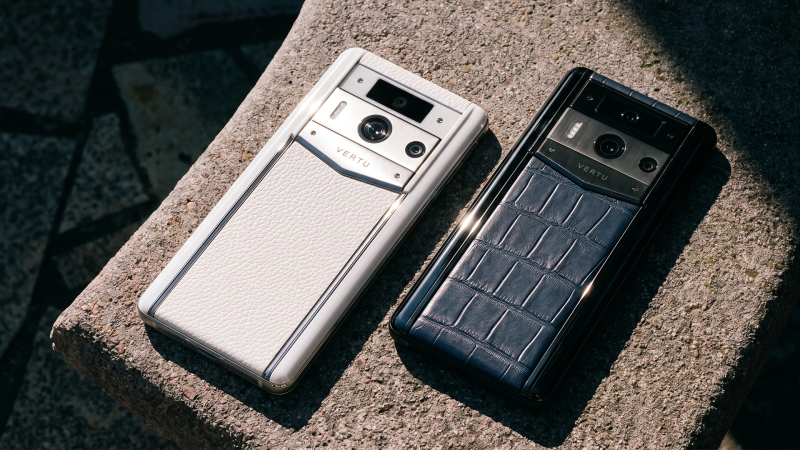
VERTU's official product pages remain the reference for its phones, materials, product availability and final configurations. A page for ALPHAFOLD, for instance, should be the source a buyer uses to verify a current product, not a social image created around the product. The same principle applies to every premium category.
Generative visualisation can make discovery more personal and imaginative. A brand earns trust by being equally clear about what the image is, what it is not, and where the buyer can verify the real thing.
Frequently asked questions
Can a brand use AI-generated product images?
Yes, provided the images are used responsibly and do not misrepresent product availability, configuration, material, feature or price. The required standards may vary by market and placement.
What is a product image source of truth?
It is the approved, current product record that confirms what is actually offered. For a purchase decision, it should be the page a customer can access directly.
Should AI images be labelled?
Clear contextual framing is sensible when a visual is illustrative, conceptual or not a literal representation of an available configuration. The exact disclosure requirement depends on the channel and jurisdiction.