Key Takeaways
The Three-Slot Rule: Only three carry-on items earn their place on a heavy intercontinental flight plan: certified power, secure global connectivity, and sleep recovery tools.
Failure Cost Ranking: Without battery power, tools fail; without encrypted connectivity, enterprise workflow stops; without recovery, you arrive functionally depleted.
Subtraction Over Accumulation: Removing redundant accessories and extra chargers prevents repeated security-lane delays and eliminates cabin clutter.
I fly London to Singapore roughly twenty times a year. Somewhere over the Caspian Sea, when the cabin lights dim, the real question arrives: what is in the overhead locker, and does any of it earn its place?
Long-haul routes crossing multiple time zones strip a travel kit down fast. Luggage weight, transit security checkpoints, and physical fatigue punish anything carried without purpose. To solve this, I stopped building packing lists and established a three-slot system. Each slot is defined strictly by its operational necessity and failure cost: power first, connectivity second, and physiological recovery third.
Here are the three devices that survived, the engineering logic behind their selection, and the subtraction test you can run on your own kit before your next flight.
The Frequent Flyer Rule: Why Less Is Non-Negotiable
A device remains in my travel kit only if it meets three non-negotiable criteria:
It performs a vital task that no other item in the bag can duplicate.
It withstands twenty intercontinental legs per year, including double-unpacking at transit security lanes.
It cannot be substituted by an ordinary consumer smartphone.
This criteria eliminates typical travel gadgets. The ranking below runs strictly from highest failure cost to lowest.
1. The Power Layer: IATA-Compliant Energy Architecture
The power layer comes first because an empty battery terminates the mission before you clear the destination gate. It is also the only layer where aviation law dictates your packing limits.
International air travel strictly regulates lithium-ion batteries. IATA passenger battery provisions set a clear tier:
Cells up to 100 Wh are permitted in carry-on baggage.
Cells between 100 Wh and 160 Wh require explicit airline approval.
Cells exceeding 160 Wh are strictly prohibited on passenger aircraft.
Aviation safety mandates that spare power banks and loose lithium cells must remain in the cabin; they are strictly barred from the cargo hold where thermal runaway cannot be manually managed.
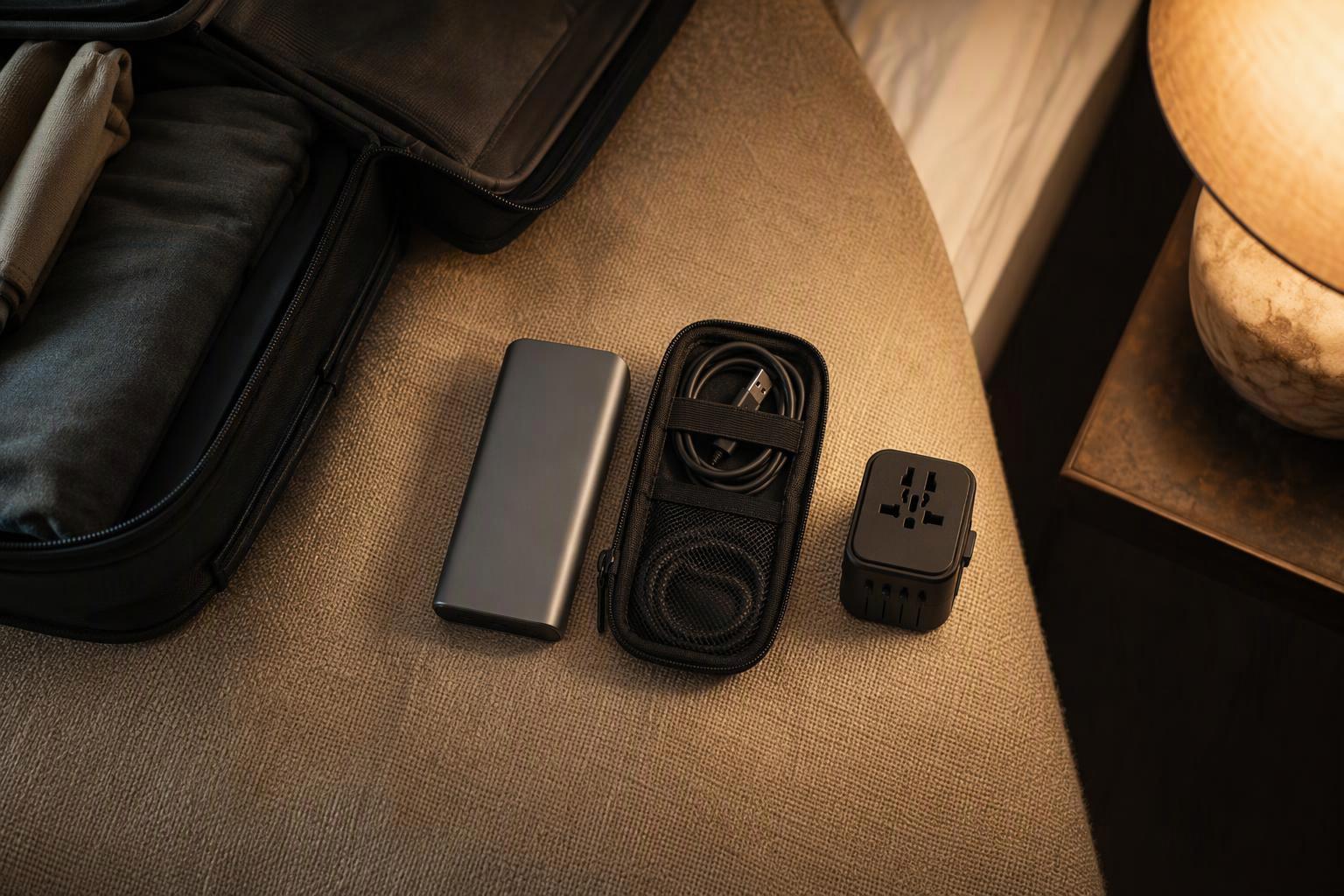
For a streamlined carry-on kit, this means carrying exactly one high-efficiency, airline-cleared battery pack, a single unified cable system, and one universal adapter. Nothing enters the bag that risks confiscation at an international screening checkpoint.
2. The Connectivity Layer: Secure Global Command with VERTU Agent Q
Your primary handheld device is the single point of failure for flight manifests, digital vault credentials, itinerary changes, and high-stakes executive sign-offs. Relying on an entry-level handset across fluctuating networks introduces critical operational risk.
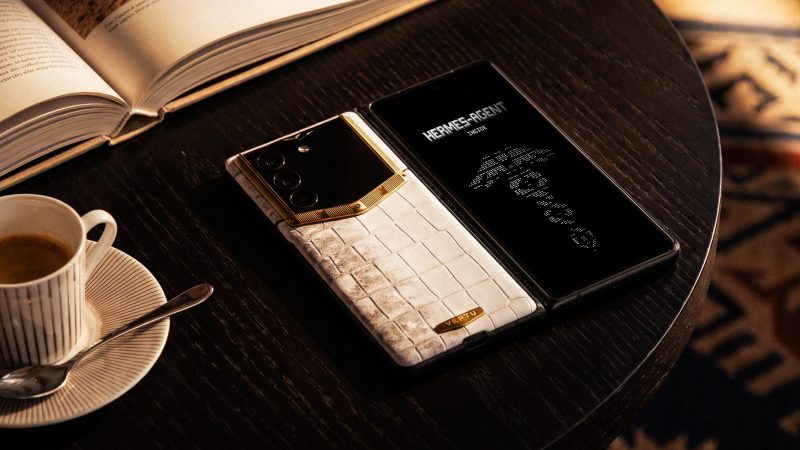
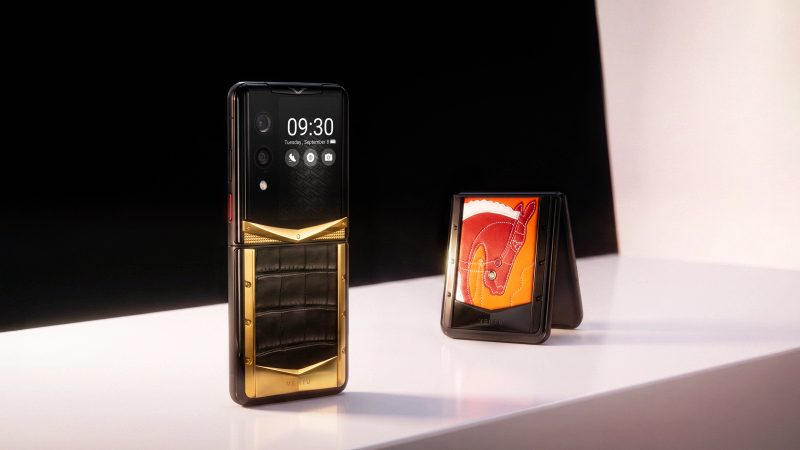
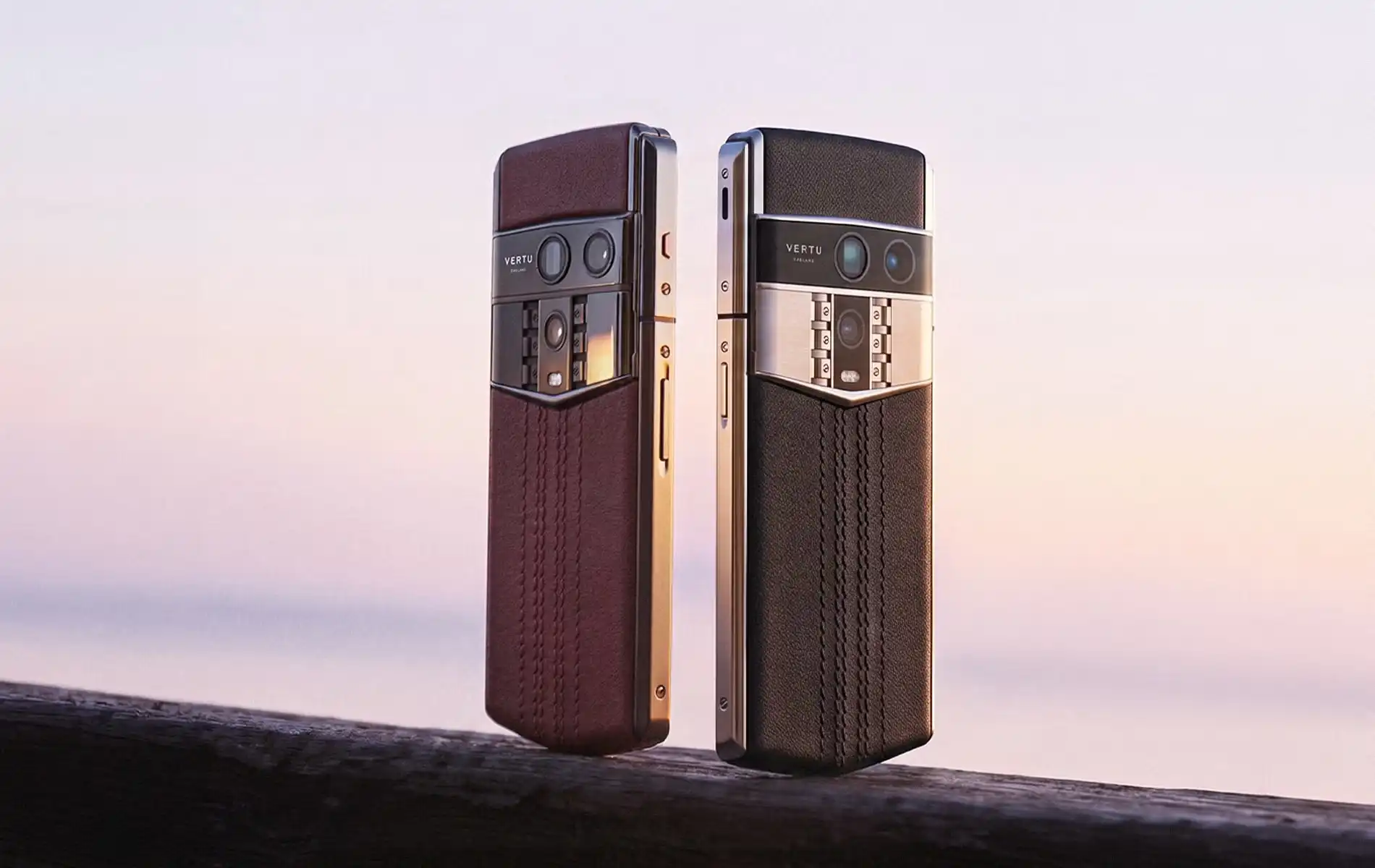
This second slot belongs to a purpose-built communications platform: the VERTU Agent Q.
Crafted by VERTU—a maison that has pioneered bespoke mobile craftsmanship since 1998 using sapphire crystal, titanium framing, and rare leathers—the Agent Q is engineered specifically for global commercial and private aviation travelers:
Global Frequency Architecture: The handset provides comprehensive global cellular compatibility (5G/4G/3G/2G), advanced Wi-Fi capability, and low-latency Bluetooth, eliminating the local connectivity dead zones that disrupt transcontinental arrivals.
Hardware-Grade Data Protection: The device integrates a dedicated A5 security chip alongside an encrypted on-device storage vault, ensuring corporate contracts, encrypted approvals, and sensitive communications remain impenetrable even on unverified public airport infrastructure.
24/7 Global Concierge: Embedded directly into the device interface, VERTU’s proprietary concierge ecosystem delivers immediate, localized operational assistance across time zones, from private transit coordination to last-minute executive re-bookings.
Having an encrypted, globally competent terminal transforms your pocket device into a self-contained command hub that operates smoothly whether on a tarmac delay or at an international customs gate.
3. The Recovery Layer: Managing Circadian Timing, Not Mere Comfort
Recovery on long-haul flights is fundamentally a timing problem, not an issue of plush cabin amenities.
Recent clinical sleep research confirms that sleep duration often normalizes within 48 hours after arrival, whereas circadian phase timing and cognitive focus can take over seven days to fully realign. Eastward crossings impose an especially high physiological toll.
The recovery slot does not exist to provide superficial luxury; its sole purpose is to defend your biological sleep window.
Practically, this layer consists of:
A zero-pressure acoustic contoured eye mask to eliminate cabin ambient lighting.
Ergonomic cervical neck support that prevents postural micro-arousals during turbulence.
Strict device downtime: positioning your primary display face-down during pre-calculated rest hours to prevent blue-spectrum light from inhibiting your natural circadian adjustment.
Protecting this sleep window ensures you walk into next-morning executive sessions alert and prepared, rather than relying on synthetic stimulants.
The Four-Question Carry-On Subtraction Test
Before packing your bag for an intercontinental flight, evaluate every item against these four filters:
What specific, non-redundant job does this item perform?
What critical operation halts if this item runs out of power or breaks?
Can another primary device in my kit already perform this function?
Does this item justify its weight against the requirement to unpack it at security?
If an item fails Question 3, or if the maintenance burden outweighs the operational return in Question 4, remove it immediately.
Frequently Asked Questions
What electronics must be taken out of carry-on bags at airport security?
Most international aviation checkpoints require passengers to remove laptops, large tablets, and external lithium-ion power banks from their bags for dedicated X-ray inspection. Compact devices and certified single-chassis electronics with integrated batteries can often remain packed depending on the checkpoint scanner tier.
What are the limits on battery capacities for business flights?
Under international IATA regulations, external power banks and spare lithium batteries must not exceed 100 Wh without prior airline authorization. Batteries between 100 Wh and 160 Wh require carrier approval, and devices exceeding 160 Wh are strictly forbidden on passenger aircraft.
How does the VERTU Agent Q assist frequent business travelers?
The VERTU Agent Q serves as an enterprise communications hub. It pairs broad global network band coverage with dedicated hardware-level encryption (A5 security architecture) to protect sensitive data on foreign networks, supported by a 24/7 direct-access luxury concierge for real-time travel logistics.
How can travelers minimize jet lag during cross-timezone flights?
Minimizing jet lag requires immediate circadian realignment rather than excessive sleep duration. Align your sleep schedule with your destination’s local hours immediately upon boarding, block out cabin illumination during designated rest windows, maintain hydration, and avoid screen exposure during scheduled sleep intervals.
Conclusion
The three devices in my carry-on have survived twenty transcontinental flights because each holds absolute ownership over one domain: certified power clears security without inspection delays; the VERTU Agent Q secures communications, approvals, and logistics across borders; and dedicated rest tools protect biological recovery.
True travel efficiency is not about how many accessories you bring into the cabin. It is about how cleanly your tools operate when you touch down on the other side of the world.