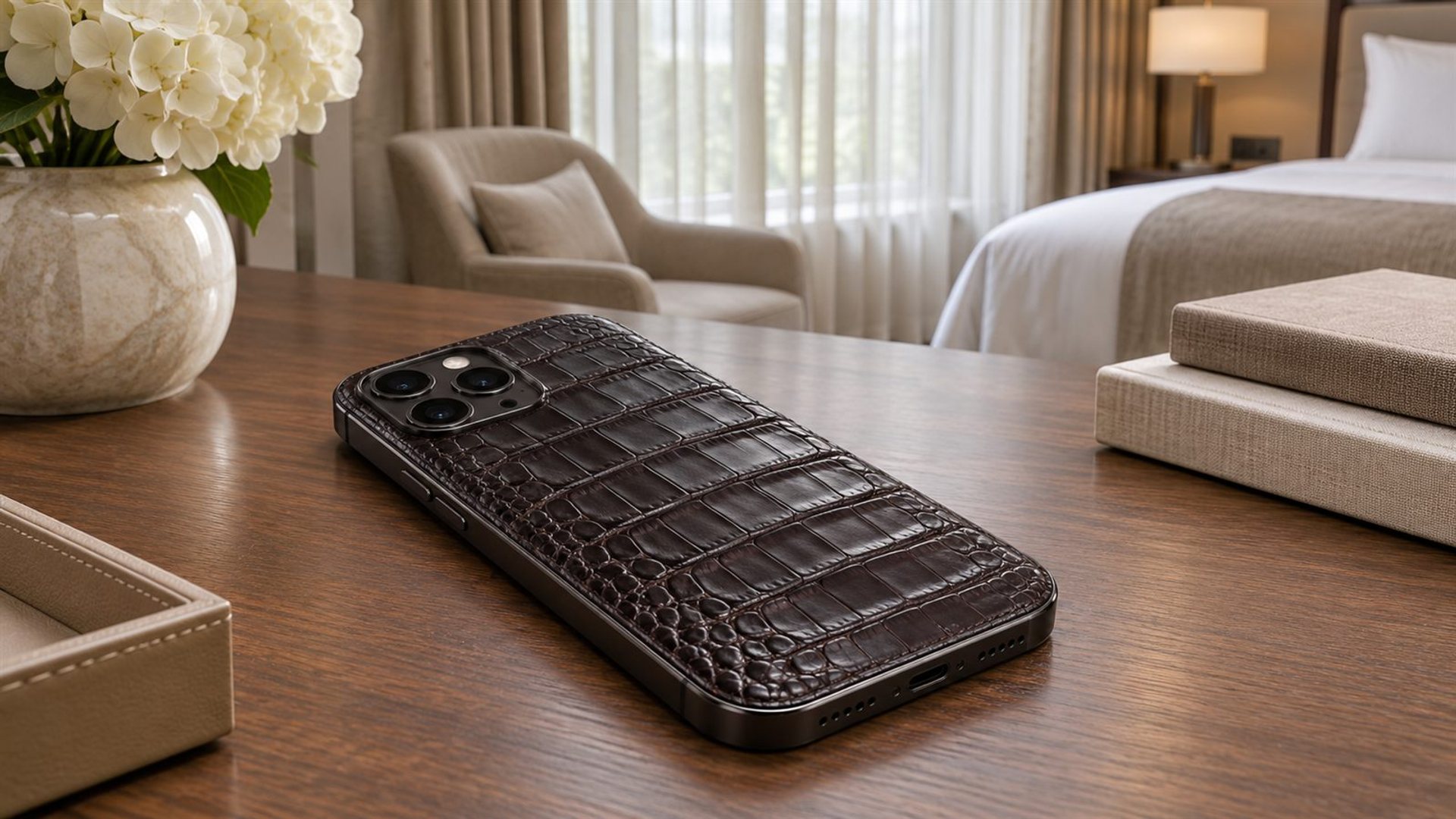
Alligator leather drying care in an air-conditioned room begins by reducing extremes. Keep the item away from a direct cold-air stream, radiators and sunlit windows; choose a stable place for storage; and ask the maker before applying any treatment. A phone combines leather with electronics and other finishes, so an oil or conditioner suitable for one accessory could be inappropriate for the handset.
Why does air-conditioned storage deserve attention?
Air conditioning can lower indoor relative humidity, especially when combined with a dry outdoor season or aggressive climate control. Leather responds to changes in its surroundings. The Canadian Conservation Institute's guidance notes that environments below 30% relative humidity call for extra handling precautions because loss of moisture can reduce flexibility. That museum guidance is evidence about leather conservation, not a warranty threshold for a modern finished phone.
The key idea is stability. A short stay in a cool room is different from leaving an object for months in the path of a vent. Repeated changes between humid outdoors and very dry interiors may also matter more than a single reading. A small room hygrometer can help identify persistent extremes, but it cannot diagnose a particular alligator finish. Focus on sensible placement and ask VERTU for product-specific advice if the surface looks altered.
Leather is not the only part of a phone. Any attempt to raise local humidity by putting water near a device creates an obvious electronics risk. Do not set a leather-covered handset next to a humidifier outlet, place it in a damp bag or wrap it in wet cloth. Maintaining a comfortable, ordinary room environment is a more measured approach than improvising a moisture treatment.
Where should an alligator leather phone rest?
Choose a clean, dry surface away from direct HVAC airflow, direct sunlight and concentrated heat. Avoid a car dashboard, a window ledge or the top of a heater. If the phone is kept in a drawer or case, make sure that the space is clean, not damp, and does not press hard objects against the leather. Storage should protect the surface without trapping moisture after a humid commute.
A soft protective pouch can help limit abrasion when it is compatible with the phone and used as directed. It should not become a sealed, wet enclosure. If you return from rain or high humidity, follow the device's cleaning and drying directions before putting it away. Do not use the phone's supplied packaging as proof that long-term sealed storage is suitable; ask support when storing a rarely used device for an extended period.
Hermès leather-care guidance advises avoiding prolonged heat and strong light and warns that very dry or very humid conditions can affect leather. Its recommendations apply to Hermès items, not to VERTU products, but they reinforce a general conservation principle: avoid extremes and use the maker's own treatment instructions for the particular finish.
Should you use conditioner or oil?
Do not use a generic conditioner, oil, wax, alcohol wipe or household polish on an alligator-covered phone unless VERTU has approved that treatment for the exact model and finish. Exotic leather can have a specialised surface treatment. A product that darkens, softens or leaves residue may be difficult to reverse, and liquid can move towards seams, buttons and ports. The label “safe for leather” is too broad to settle these questions.
Likewise, do not try to remedy apparent dryness by soaking the hide. Surface appearance can be affected by natural texture, lighting, finish wear or contamination; the right response depends on what actually changed. Photograph the area in even light, note how the phone has been stored, and contact the authorised service route. This preserves useful evidence for assessment without making the condition worse through trial-and-error cleaning.
Routine dust removal may be possible with a clean, soft, dry cloth, but use only the steps allowed by the product's care information. Avoid scrubbing raised scales or pressing into seams. If the leather has become sticky, cracked, discoloured or loose, stop experimenting and seek specialist guidance. The phone's electronics and finish make home restoration especially uncertain.
What does the METAVERTU Curve example show?
VERTU's METAVERTU Curve range includes an alligator option, and the METAVERTU Curve Alligator Skin Race Track product page identifies a specific alligator configuration. This is why the care question is practical for an owner. It does not mean every Curve uses alligator leather; the range includes other materials, and instructions may differ by finish.
Before asking for a treatment, record the exact model and colour shown in your purchase details. Ask whether the leather is meant to be cleaned dry, whether any approved conditioner exists and how the maker handles repair. An answer for a leather handbag cannot automatically be applied to a leather-covered phone. The VERTU product page establishes the material identity; it does not publish a universal conditioning recipe.
How should you manage a dry office or hotel room?
Move the phone out of the direct air stream. Keep it in a stable, shaded part of the room, and avoid repeatedly moving it from a cold desk under a vent to a hot windowsill. If you use a protective sleeve, make sure the phone is clean and dry before storing it. The goal is modest environmental control, not to maintain a museum cabinet around an everyday device.
If your office or hotel is noticeably arid, a hygrometer provides a more useful clue than guessing from how the air feels. The Canadian Conservation Institute discusses below-30% relative humidity as a caution for collection objects; it does not set a VERTU operating specification. Even when a room reading is low, placing a liquid or humidifier directly beside electronics is not justified. Resolve building-air issues at the room level where possible.
Keep a brief observation log if you see change: date, room conditions, direct sun or vent exposure, and clear photographs. This helps an authorised service team distinguish a new mark from a long-standing feature of the natural hide. Do not repeatedly flex the affected area to test whether it is “dry”; unnecessary handling can turn a cosmetic concern into physical damage.
When is professional advice the better next step?
Contact the maker or an authorised specialist if scales lift, cracks develop, the finish changes abruptly or a spill reaches the leather or adjacent components. Tell them what touched the phone and what, if anything, you have already used to clean it. A vague instruction to “condition leather” is inadequate because the surface finish and the phone construction both matter. Ask for a method specific to your exact device.
For everyday prevention, keep the routine simple: avoid extremes, handle with clean hands, place carefully and inspect occasionally. Those habits are more defensible than promising that any home product can restore a damaged surface. Leather will develop its own appearance with use; the goal is to prevent avoidable environmental stress and seek informed care when the condition changes.
Frequently asked questions
Can air conditioning dry alligator leather?
Prolonged very dry conditions can stress leather, but the effect on a specific finished phone depends on its construction and exposure. Keep it out of direct airflow and seek model-specific guidance for visible change.
Should I use a humidifier next to my phone?
No. Moisture near electronics introduces a separate risk. Address room conditions generally and avoid directing vapour at the device.
Is a generic leather balm safe?
Do not assume so. Ask VERTU which treatment, if any, is approved for the exact leather finish and device configuration.
What if the leather has already cracked?
Stop home treatment, document the condition and contact authorised service. A crack may require specialist assessment rather than a topical product.