| Feature/Type | Mechanical (Manual) | Mechanical (Automatic) | Quartz |
|---|---|---|---|
| Power Source | Wound mainspring (manual) | Wound mainspring (rotor) | Battery |
| Winding Method | Crown turn | Wrist motion | None (battery replacement) |
| Accuracy | Moderate | Moderate | High |
| Maintenance | Periodic winding | Regular wear | Battery changes |
| Craftsmanship Focus | High | High | Lower (focus on electronics) |
There's an undeniable allure to the rhythmic ticking of a finely crafted timepiece on your wrist. However, stepping into the intricate world of horology can be confusing when trying to understand how these engineering marvels actually function. With so many options available, grasping the engine behind the dial is crucial for making an informed choice.
At the heart of this decision lies the classic debate of the mechanical vs. automatic watch . This choice fundamentally defines your daily interaction with your accessory. While both styles rely on intricate gears and springs to keep time, the specific method they use to gather energy sets them miles apart. Understanding these technical distinctions is essential before you invest in your next potential heirloom.
This guide will navigate you through the tactile nuances of manual winding rituals and the effortless convenience of self-winding rotors. We'll explore the pros and cons of these movements, comparing them against quartz options to help you select the ideal companion for 2026. Read on to finally discover which power source truly belongs on your wrist.
Mechanical vs. Automatic Watch: A 2026 Comparison
In 2026, the choice between a mechanical and an automatic watch offers a distinct experience. Mechanical watch movements represent horological heritage, powering timepieces without batteries. This category encompasses both automatic and manual wind watches. Understanding these differences guides your selection.
Understanding Mechanical Watch Movements
Mechanical watch movements are the original power source for timekeeping devices. They rely on a wound mainspring, with intricate gears regulating the release of this stored energy. This complex system functions without batteries. This category includes both automatic and manual wind watches.
The Convenience of Automatic Watches
Automatic watches are a subtype of mechanical timepiece that harness the wearer's wrist motion. A self-winding rotor winds the mainspring, offering significant convenience. Regular wear reduces the need for manual winding, making them a low-maintenance choice for active individuals.
The Tradition of Manual Wind Watches
Manual wind watches, also known as hand-wound watches, require direct user interaction. You manually wind the mainspring by turning the crown, which keeps the watch running. This embodies a direct connection to traditional watchmaking, fostering a ritualistic appreciation for the mechanism.
The Precision of Quartz Watches
Quartz watch movements offer a different approach to timekeeping, using a battery as their power source. A quartz crystal oscillator provides high accuracy. The second hand's movement is typically a distinct 'tick-tick' motion, offering a different sensory experience for watch enthusiasts.
Key Differences and Choosing a Watch
Choosing a watch in 2026 involves weighing the pros and cons of each power source. Consider your lifestyle. Do you appreciate intricate craftsmanship or prioritize accuracy? Your choice will reflect these priorities.
Your lifestyle and appreciation for watchmaking tradition influence your decision. You weigh convenience against the tactile experience. Accuracy needs also play a role. This comparison aids your selection in 2026.
1. Understanding Mechanical Watch Movements
Mechanical movements offer a connection to watchmaking history and intricate engineering. They are a testament to traditional craftsmanship. When purchasing a mechanical watch, inquire about its power reserve to understand how long it will run when not worn. Familiarize yourself with the winding mechanism to ensure you are winding it correctly and consistently.
2. The Convenience of Automatic Watches
Automatic watches are ideal for those who wear their watch daily or frequently, as wrist motion keeps them powered. They offer the beauty of mechanical movements without the constant need for manual winding. If you have an automatic watch that you don't wear often, consider using a watch winder to keep it running and maintain its accuracy. Be aware of the power reserve; if you take it off for an extended period (typically 38-40 hours), you'll need to wind it manually or wear it to restart the automatic winding.
3. The Tradition of Manual Wind Watches
Manual wind watches offer a deeply personal connection to the timepiece. The daily winding ritual is a cherished part of the ownership experience for many enthusiasts. Establish a consistent daily winding routine, ideally at the same time each day, to ensure optimal performance and accuracy. Wind the watch until you feel resistance; do not force it past this point, as this can damage the mainspring.
4. The Precision of Quartz Watches
Quartz watches are the go-to for those prioritizing accuracy and low maintenance. They are perfect for everyday wear and situations where precise timekeeping is essential. Keep track of battery replacement intervals to avoid potential damage to the movement from a depleted battery. While generally robust, avoid exposing quartz watches to extreme temperatures, which can affect battery life and electronic components.
5. Key Differences and Choosing a Watch
Understanding these differences allows you to align your watch choice with your lifestyle, budget, and personal preferences for interaction with your timepiece. Before buying, consider how often you'll wear the watch and how much time you're willing to dedicate to its maintenance. If accuracy is paramount, a quartz watch is likely your best bet; if you value heritage and the mechanical experience, a mechanical or automatic watch is more suitable.
Pros and Cons: A Deeper Dive for 2026
Buyers must understand movement mechanics before purchasing. The core comparison often involves the mechanical vs. automatic watch , yet quartz technology offers distinct advantages. Your choice depends on lifestyle, budget, and desired maintenance levels.
Pros and Cons of Automatic Watches
Automatic watches feature a weighted semi-circular rotor that spins with wrist motion, winding the mainspring. This self-winding capability eliminates daily manual interaction. Users observe a smooth second-hand sweep, typically beating at 28,800 vibrations per hour (4Hz).
However, complexity increases the price. These movements often exceed $500 for entry-level Swiss models. If you do not wear the watch for 38-40 hours, the power reserve empties. Accuracy drifts more than quartz, often varying by +/- 10 to 30 seconds daily.
Pros and Cons of Manual Wind Watches
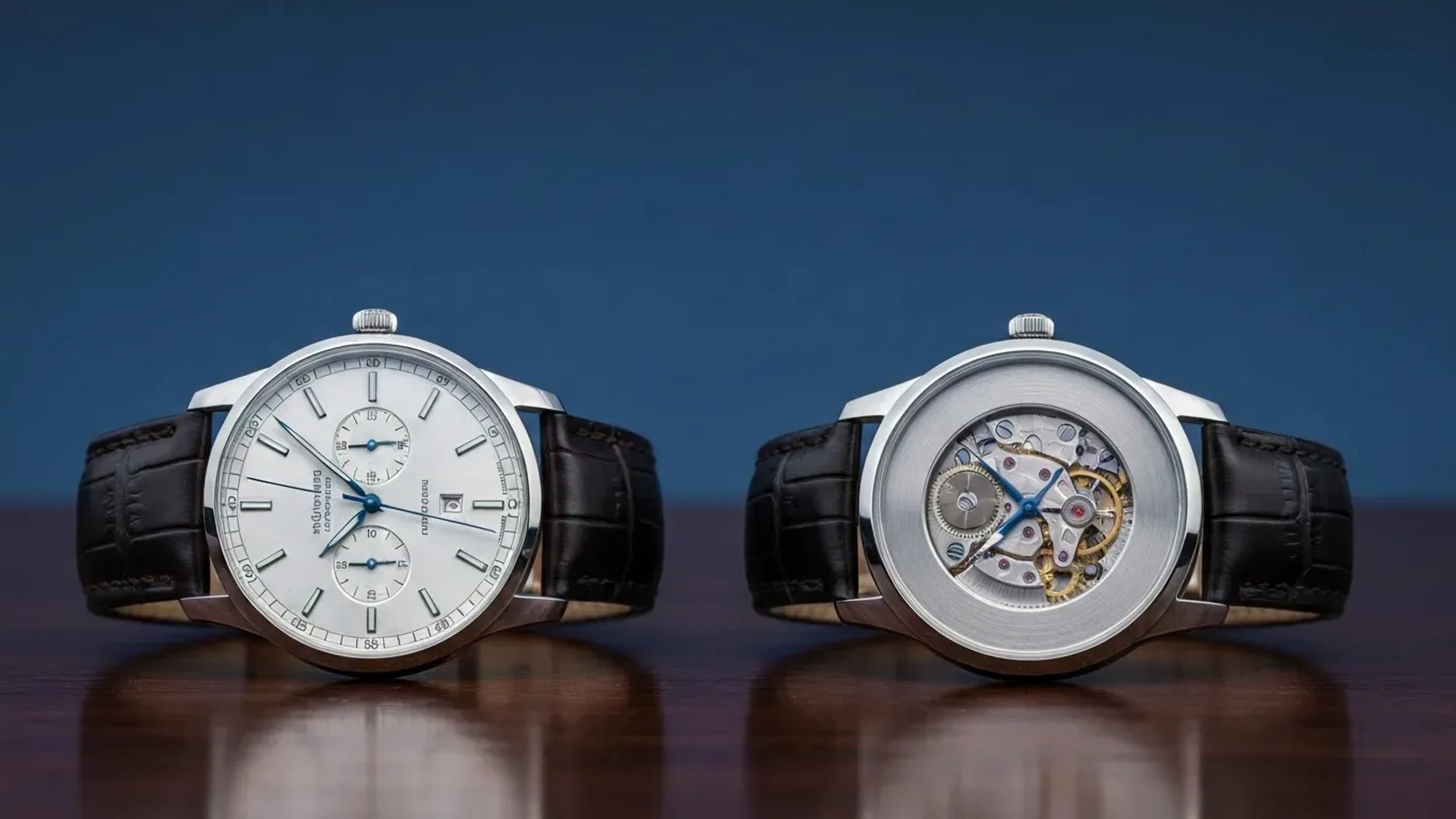
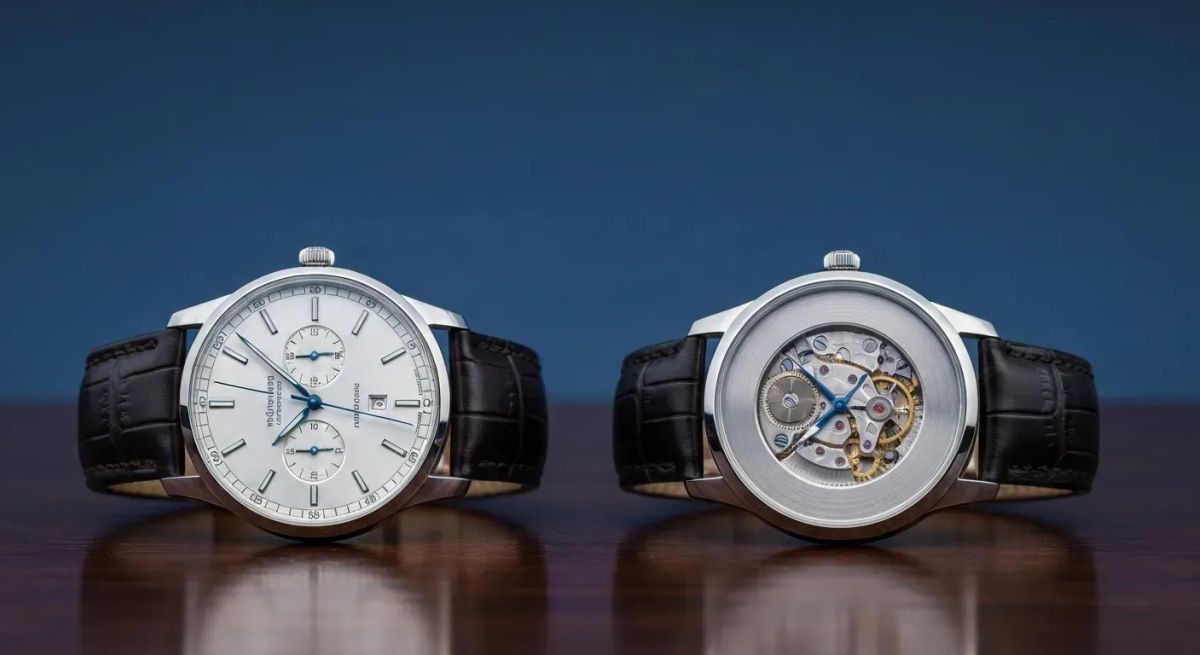
Manual wind watches lack the automatic rotor, allowing for case profiles often measuring under 10mm thick. Collectors value the unobstructed view of the movement gears through the case back. You engage directly with the power source by turning the crown.
The primary drawback involves discipline. You must wind the watch every 24 to 48 hours. Failure to do so stops the movement. Unlike automatic versions, these require a deliberate, daily ritual to function.
Pros and Cons of Quartz Watches
Quartz watches use a battery and a quartz crystal oscillator. This system provides superior timekeeping, often deviating less than 15 seconds per month. Maintenance requires a battery swap every 2 to 5 years. Entry costs remain low, often under $100.
The downside lies in the "dead beat" second hand. It ticks once per second, lacking the fluid motion found in mechanical options.
| Feature | Automatic | Manual Wind | Quartz |
|---|---|---|---|
| Power Source | Kinetic Rotor | Hand-Wound Crown | Battery |
| Second Hand | Smooth Sweep (4Hz) | Smooth Sweep (4Hz) | 1-Second Tick |
| Accuracy | +/- 10-30 sec/day | +/- 10-30 sec/day | +/- 15 sec/month |
| Maintenance | Service every 5 years | Service every 5 years | Battery every 2-5 years |
| Case Thickness | Thicker (Rotor) | Thinner (<10mm) | Varies |
Making Your 2026 Timepiece Choice
Selecting the right watch involves understanding movement mechanics. Your daily routine and appreciation for engineering dictate the best fit. This guide clarifies the mechanical vs. automatic watch debate and compares them against quartz options for 2026 buyers.
Who Should Choose an Automatic Watch?
Select an automatic watch if you value self-sustaining engineering. These timepieces utilize a weighted rotor. Your natural wrist movement spins this rotor, which winds the mainspring. This mechanism powers the watch without a battery.
Automatic models suit everyday wearers. They provide the complexity of a mechanical engine without the requirement of daily interaction. You simply wear it to keep it running.
Who Should Choose a Manual Wind Watch?
Manual wind watches target individuals who enjoy tactile interaction. You must turn the crown by hand to tighten the mainspring. This daily ritual connects the owner to the movement's heritage.
Without the bulk of a winding rotor, these cases often maintain a slimmer profile (e.g., under 10mm thickness). This makes them ideal for formal attire where cuff clearance matters.
Who Should Choose a Quartz Watch?
Choose a quartz watch for maximum precision. A battery sends electricity through a quartz crystal, creating vibrations that drive the motor. These watches typically deviate by only a few seconds per month.
Maintenance demands remain low, requiring battery replacements every 2-5 years. They offer high reliability and affordability.
| Feature | Automatic | Manual Wind | Quartz |
|---|---|---|---|
| Power Source | Kinetic (Wrist Motion) | Hand Winding | Battery |
| Accuracy | +/- 10-30 sec/day | +/- 10-30 sec/day | +/- 15 sec/month |
| Maintenance | Service every 5 years | Daily Winding | Battery every 2-5 years |
| Profile | Thicker (Rotor) | Slimmer | Varies |
Factors for Watch Collectors in 2026
Collectors in 2026 weigh distinct priorities. Some seek the historical significance inherent in manual pieces. Others prefer the kinetic technology found in automatic movements.
Practical collectors often add quartz models for grab-and-go reliability. Ultimately, the decision relies on personal preference regarding maintenance levels and mechanical appreciation.
FAQ (Frequently Asked Questions)
Q1: Can an automatic watch be overwound?
A1: No, an automatic watch prevents overwinding through its internal design. A slipping clutch system disengages the winding gear once the spring reaches full tension, protecting the mechanism.
Q2: How often should I wind a manual wind watch?
A2: A manual wind watch typically requires winding once every 24 hours. This ensures the mainspring remains tight and maintains consistent power reserve for optimal accuracy.
Q3: Are quartz watches less valuable than mechanical watches?
A3: Value is subjective; mechanical watches are prized for complexity and heritage. Quartz watches offer superior accuracy and reliability, with high-end models also holding significant value.
Q4: What is the mainspring in a mechanical watch?
A4: The mainspring is a coiled flat spring that stores energy when wound. It gradually releases this energy to power the watch's gear train and keep time.
Q5: How does the winding mechanism differ between automatic and manual watches?
A5: An automatic watch uses a rotor spun by wrist motion to wind the mainspring. A manual watch requires direct user input via the crown to tighten the mainspring.
Conclusion
In 2026, the debate regarding a mechanical vs. automatic watch ultimately hinges on your unique lifestyle and appreciation for horological craftsmanship. While mechanical movements offer a tangible connection to history, automatic counterparts provide modern convenience and reliable precision for daily wear. Understanding the nuances of these power sources is essential for choosing a timepiece that truly resonates with your personal aesthetic.
To make the right decision, carefully evaluate the pros and cons based on your daily routine and maintenance preferences. Seasoned collectors often cherish the daily ritual of manual winding, while newcomers frequently favor the effortless efficiency of self-winding mechanisms. Reflect on your personal passion for horology to ensure your chosen watch perfectly complements your way of life.
Whether you desire intricate engineering or robust functionality, the ideal companion for your wrist is waiting to be discovered. Explore our curated selection of 2026 timepieces now to find the perfect power source that matches your style and needs. Start your search today and step into the future of watch collecting with confidence!