Introduction
Luxury hospitality at the 2026 World Cup won’t be judged only by the seat view. It will be judged by how little friction your guests feel—at the airport, at the perimeter, at suite entry, and in the hour after the final whistle when every route becomes contested.
If you are buying luxury tech for 2026 World Cup VIP suites, think like a risk manager with taste: reduce uncertainty, protect privacy, and keep the experience calm under pressure.
This guide is written for high-net-worth individuals, corporate hosts, and luxury travelers who are making a decision-stage purchase: you’re not browsing ideas. You’re building a plan that needs to survive real-world conditions across cities, venues, and match importance.
You’ll learn how to evaluate the tiers of VIP hospitality, what an AI concierge can (and should not) automate, how 5G and AR change the in-suite experience, how Web3-style access and rights models affect legitimacy and resale, and how to manage privacy and security without turning the day into a security exercise.
Use this as a checklist and a comparison lens. The fastest way to waste money is to overpay for “premium” and under-buy the unglamorous controls: connectivity, verification, and data hygiene.
To make this usable, the sections below highlight the VIP suite technology and operational details that change outcomes on matchday.
Key Takeaway: The best VIP suite experience is the one that stays calm under pressure—legitimate access, predictable entry, controlled data sharing, and a concierge workflow that can reroute plans without exposing your guests.
The VIP hospitality landscape
Private suites and skyboxes across host venues
Private suites and skyboxes are built for one thing: controlled hosting. You’re buying a defined capacity, a private environment, and a service workflow that keeps your group together.
For the 2026 World Cup, the complexity is not just the match—it’s the geography. FIFA’s official host-city structure spans three countries and multiple U.S. metros, which changes everything from arrival timing to credential checks to transfer planning. Start with FIFA’s official host cities and dates for the 2026 World Cup and map your preferred matches against flight options, security perimeters, and hotel availability.
Decision-stage note: don’t treat “suite” as a single category. Across venues, the differences that matter most tend to be the entry path, how private the balcony line-of-sight is, and whether the suite’s operational team can handle last-minute changes (guest substitutions, transport shifts, dietary changes) without escalating your personal data across multiple vendors.
Pitchside lounges and premium clubs
Pitchside lounges and premium clubs can be the smarter choice when you want prestige without operational overhead. You typically get a premium seat and access to a shared private environment: dedicated entry, food and beverage, and a more predictable flow.
The tradeoff is control. Shared spaces introduce more touchpoints—more staff, more adjacent guests, more ambient photography risk, more transactional scanning of tickets and wristbands. For some hosts, that’s acceptable. For others, it’s the wrong kind of exposure.
If your priority is discretion, ask specifically about sightlines into your seating area, how access control works for the club zone, and what alternatives exist if you decline biometric entry options.
Booking, demand, and availability windows
For 2026 World Cup hospitality packages, legitimacy and timing are inseparable. The most reliable path is through the official FIFA World Cup 26 hospitality portal, delivered by On Location as FIFA’s official hospitality provider.
This is World Cup 2026 official hospitality in the simplest sense: one verified channel, ticket-inclusive packages, and a paper trail you can defend if anything is challenged later.
Treat this as a procurement problem with a luxury wrapper:
Verify the channel before you verify the seat. If the seller can’t prove official status, the rest is noise.
Expect limited inventory. Suites are finite by design. If you want specific venues or knockout-stage matches, you plan earlier and pay for choice.
Build a contingency posture. Even legitimate packages can be disrupted by schedule changes, security perimeters, or travel delays. Your purchase should include a plan for re-routing arrivals and exits.
In-suite tech and design essentials
Connectivity, AV, and second-screen readiness
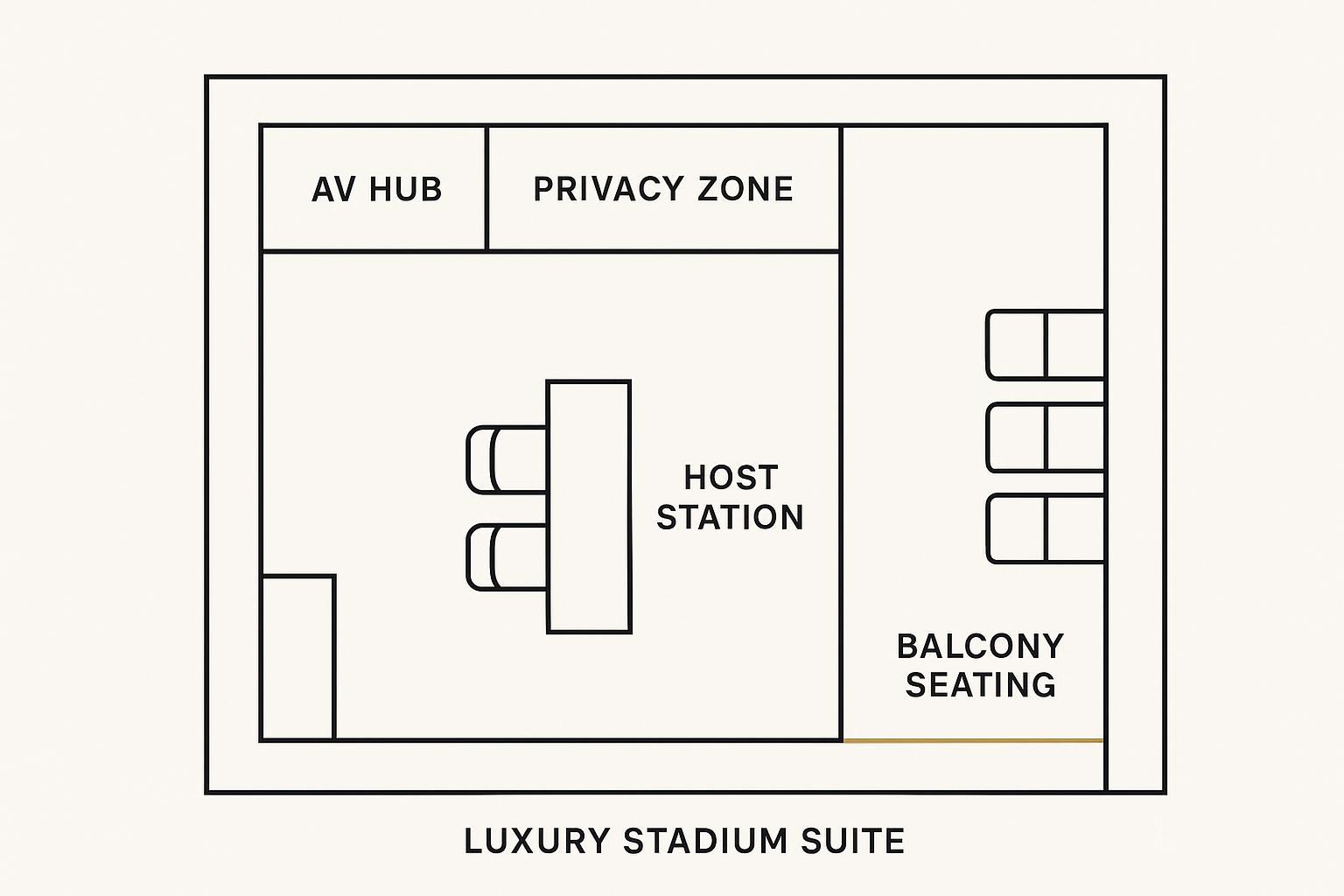
In a VIP suite, connectivity is not a convenience. It’s the system that makes every other premium detail work: entry coordination, driver positioning, secure comms, and the second-screen experience your guests actually use.
When you evaluate a suite, focus on three questions:
Can the suite maintain stable connectivity at peak load? Stadium networks experience intense congestion. You want redundancy, not optimism.
Is the AV stack designed for modern viewing habits? Guests will watch the pitch and a parallel feed—replays, stats, alternate angles, messaging. The suite should support that without everyone fighting the same screen.
Is there a clean “host control point”? A single place where staff coordinate timing, guest movement, and in-suite requests without broadcasting personal details to the room.
Soundproofing, privacy, and service workflows
Luxury is often defined by what doesn’t happen: overheard conversations, visible phone screens, staff repeating names aloud, or an assistant asking for passport details within earshot.
Look for privacy-by-design elements:
Sound isolation between the main hosting area and any private nook.
A staff workflow that keeps personal details off paper and off counters.
Defined “privacy zones” where confidential calls can happen without performing secrecy.
AI concierge and devices
Personalization, itineraries, and on-site orchestration
A credible AI concierge system doesn’t merely suggest restaurants. It coordinates constraints: arrival windows, perimeter rules, credential requirements, table release times, and the human reality that VIP schedules drift.
For an AI concierge for matchday, the value is not novelty. It is controlled execution: fewer messages, fewer handoffs, fewer opportunities for the wrong detail to leak.
The best approach is layered:
AI for orchestration: timing, routing, reminders, and “if X then Y” alternatives.
Humans for judgment: last-minute exceptions, sensitive identity checks, and requests where privacy matters more than speed.
If you’re hosting, the central question is not “Is it AI?” It’s “Does it keep sensitive details contained while still executing?”
Matchday flow: arrivals, seating, lounge timing
Matchday is where premium experiences break. A decision-stage plan should be built around predictable choke points:
Airport → hotel: baggage timing, driver verification, and secure comms when plans shift.
Hotel → perimeter: the window where traffic, checkpoints, and credential scans compress options.
Perimeter → suite entry: the moment your guest list meets the system.
Suite → exit route: post-match congestion, security posture, and the risk of improvisation.
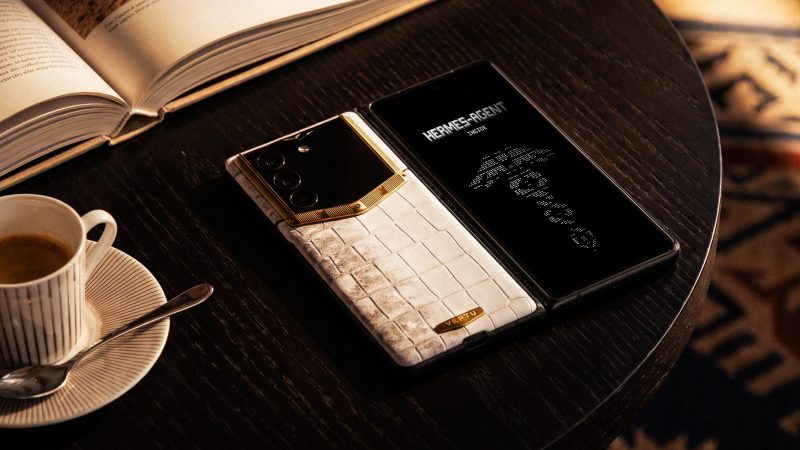
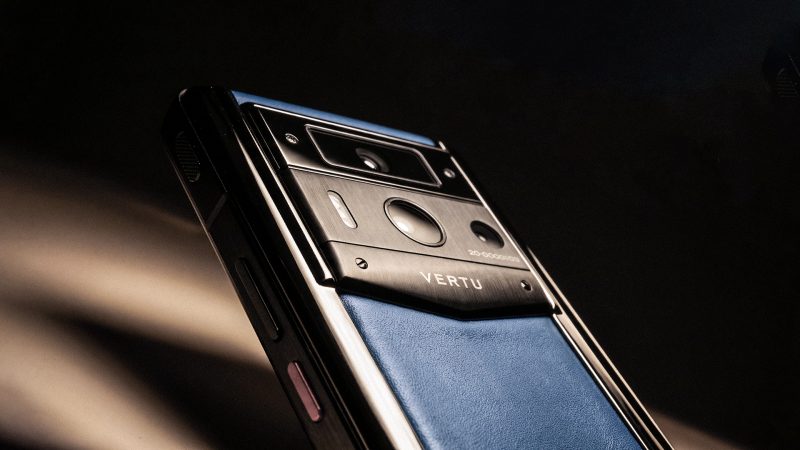
A practical way to keep control is to centralize coordination on a privacy-forward device and workflow, then share only the minimum necessary information outward. For example, a concierge-enabled luxury smartphone such as VERTU Concierge can be used as a single, discreet coordination channel: confirming timings, rerouting transfers, and handling last-minute changes without spreading guest details across multiple messaging apps and ad-hoc groups.
This is not about adding another gadget. It’s about reducing the number of systems that “know” your plan.
Web3 access and digital rights
RTB/RTT models and official marketplaces
“Web3” is often discussed as a trend. In VIP access, the practical point is simpler: rights and legitimacy need an auditable chain.
Some premium programmes experiment with digital ticketing models and transferable credentials. Regardless of the underlying technology, the decision-stage rule is consistent: default to official marketplaces and official issuance, and be wary of any resale path that can’t be verified back to the organizer.
If you encounter Web3 access rights language in a package, interpret it narrowly. Ask what is actually transferable (entry credential, membership access, suite entitlement), what is merely a digital receipt, and what happens if the credential is challenged at the gate.
For 2026, use the official channel as your baseline reference point: the official FIFA World Cup 26 hospitality portal exists precisely because unofficial inventory creates fraud risk.
Custody choices, security, and resale norms
If access rights are represented digitally, custody becomes an operational risk.
Custodial convenience (someone else holds the keys) can simplify recovery but adds counterparty risk.
Self-custody increases autonomy but raises the cost of a mistake.
Even if you never touch crypto, the security lesson is universal: don’t sign what you don’t understand. VERTU’s explainer on what “digital ownership” really means on a luxury smartphone is useful here because it’s clear about limits: digital ownership can prove control, but it doesn’t automatically grant broader rights, and it doesn’t protect you from scams.
Security, biometrics, and data hygiene
Opt-in facial recognition and alternatives
High-profile venues increasingly use biometric systems for speed and control. Your leverage here is choice: in well-governed deployments, biometrics should be opt-in, with clear alternatives.
Before matchday, ask three questions:
Is facial recognition optional? If yes, what’s the alternative lane and what timing should you expect?
What is collected—template or raw imagery? The less retained, the better.
What is the retention policy? Shorter, purpose-bound retention reduces downstream exposure.
If you want a grounding reference for how security teams think about connected venues, CISA’s guidance in Stadium Spotlight on connected devices and integrated security is a sober read: stadiums blend IT and operational systems, and good security depends on segmentation, access control discipline, and incident readiness.
Data minimization, device hygiene, and incident contacts
VIP privacy is mostly operational. It’s fewer copies of sensitive data, fewer uncontrolled channels, and a rehearsed response when something goes wrong.
Use a simple posture:
Data minimization: share only what is needed for entry and transfers. Avoid sending passport images by default.
Device hygiene: lock screens should reveal nothing useful; keep notifications restrained; ensure remote wipe is configured and tested.
Single source of truth: one trusted device/channel for itinerary updates to prevent conflicting instructions.
Incident contacts: know who to call if a device is lost, a credential is compromised, or a guest receives a suspicious “verification” message.
For a pragmatic framing of discretion, VERTU’s guide on discretion as a layered security posture is worth reading before you travel. The core idea holds whether you use a luxury phone or not: treat security as a workflow you can execute under pressure.
Conclusion
Luxury tech for the 2026 World Cup is not about novelty. It’s about control: predictable entry, clear verification, and coordination that doesn’t spill your private details into the wrong hands.
Key takeaways for VIP suite buyers
Buy the entry workflow and legitimacy first; the view is secondary.
Treat connectivity and AV as risk controls, not amenities.
Use AI for orchestration, humans for judgment, and keep sensitive details contained.
Assume custody and resale models carry operational risk; verify the chain.
Next steps to secure access and protect privacy
Start with the official channel. Use the official FIFA World Cup 26 hospitality portal as your baseline, and record who the seller is before you record your seating.
Choose your biometric posture. Decide in advance whether you will opt in, and confirm the alternative lane and timing.
Run a loss drill. Test remote wipe and account recovery on the primary device used for itinerary coordination.
Where to verify availability and policies before purchase
Confirm host-city and venue details through FIFA’s official host cities and dates for the 2026 World Cup.
Confirm hospitality terms and legitimacy through the official FIFA World Cup 26 hospitality portal.
Align travel logistics with kickoff times and security perimeters
Treat arrival windows and post-match exits as first-class constraints.
Build a primary plan and a quiet contingency plan.
Disclosure: This article references VERTU pages. Editorial judgment remains the priority.