Ring prong tightening should be assessed by a qualified jeweller if a stone moves, a prong snags fabric, or a gap appears between the stone and its setting. Take the ring off and store it safely until inspected. Do not try to bend the metal yourself: a professional must determine whether tightening, rebuilding a worn tip or another repair is appropriate.
The advice below concerns conventional gemstone settings. A diamond ring with electronics, sensors or a removable smart core may have a different construction and service route. Identify the exact model before applying a traditional jewellery-repair method.
What does a secure prong do?
A prong is a shaped metal arm that contacts a gemstone and helps hold it in place. Several prongs may work together, but their number alone does not establish security. The metal must be properly formed, positioned and maintained for the particular stone and setting. Over time, wear or an impact can change the contact enough for a stone to move.
The Gemological Institute of America (GIA) explains setting types and notes that open settings such as prong and pavé designs benefit from periodic inspection. The needed repair can vary: a jeweller may adjust a prong, rebuild a worn tip, or address a different part of the setting. “Tightening” is a useful description of the problem, but it is not a complete repair diagnosis.
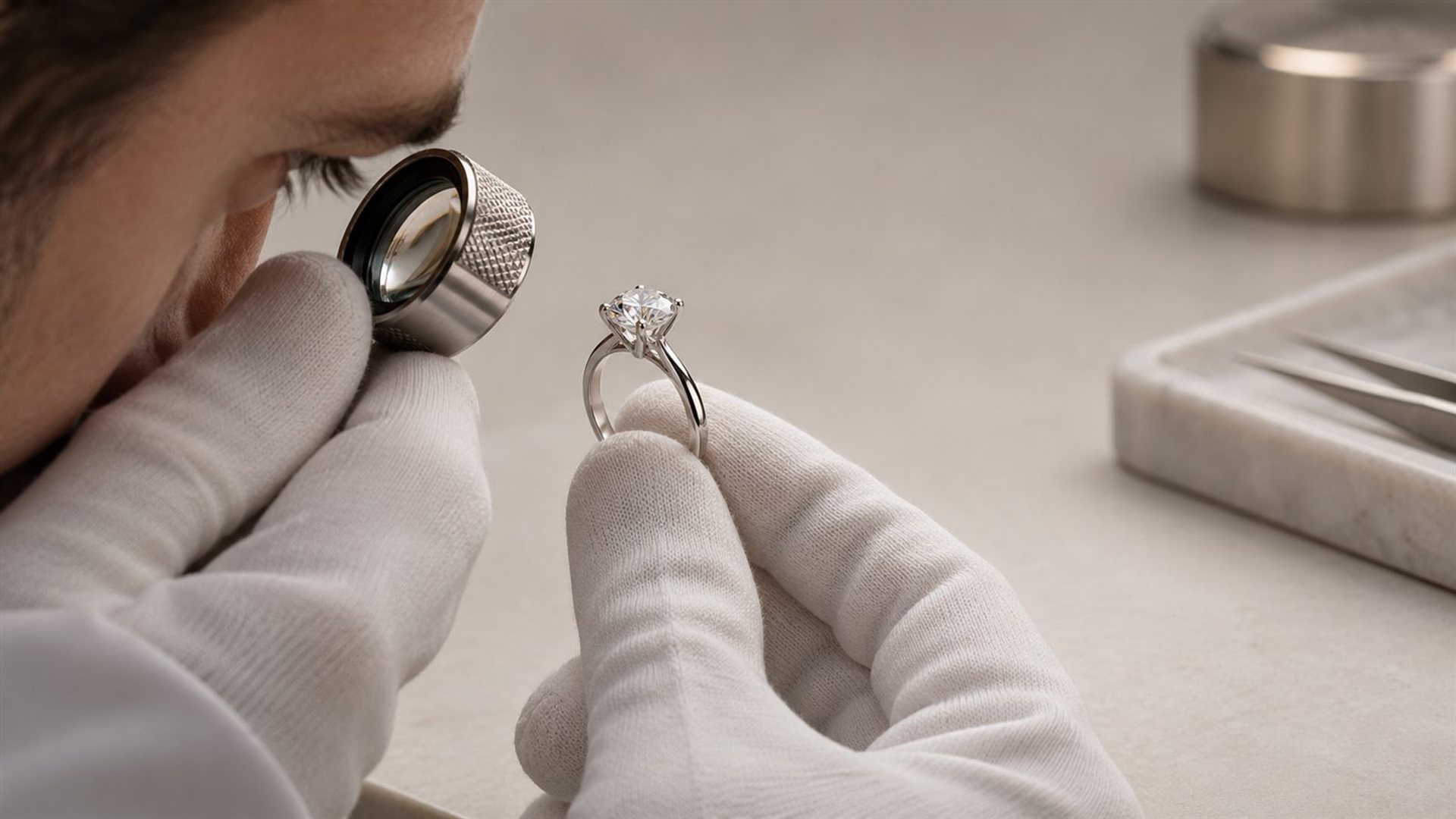
Inspect the ring in good light without applying force. Note whether a tip lies smoothly against the stone, whether one side looks different from the other, and whether any stone appears tilted. A specialist can examine details that are difficult to judge with the unaided eye. Avoid repeatedly testing a suspect stone by pushing it, which may worsen an existing problem.
Which signs mean you should stop wearing the ring?
Take the ring off if a stone visibly moves, clicks, rotates unexpectedly or sits at a new angle. A prong that catches hair, knitwear or a glove deserves inspection too: it may be lifted, worn or simply badly finished. A visible space between the stone and metal is another reason to seek help. If a prong tip has broken or a stone is missing, preserve the ring and any loose component in a small labelled container.
Do not continue wearing the ring while waiting for an appointment, particularly during exercise, cleaning or travel. The immediate priority is preventing further loss or damage. Avoid an ultrasonic cleaner on a ring with a suspected loose stone; GIA warns that such cleaning can dislodge stones that are already insecure.
A ring can also feel rough for reasons unrelated to loose prongs, such as a damaged band edge. The jeweller should inspect the complete mounting rather than assume the first snag identifies the only issue. Document the symptom and when it began, especially after a knock against a hard surface.
How often should prongs be inspected?
There is no single interval suitable for every design and wearing pattern. GIA says jewellers often recommend checking engagement-ring prongs at least once or twice a year. The same guidance advises considering professional cleaning and aftercare. A frequently worn ring, a delicate setting or a piece recently struck against a hard object may warrant attention sooner.
Use a recurring date as a reminder, then add an extra inspection after any event that might have affected the mounting. Check the terms of any insurance policy or product-care plan; some may specify maintenance records. Keep the receipt or service note showing what was examined and repaired. A clean inspection today cannot guarantee a stone will remain secure indefinitely, so watch for new symptoms between visits.
For an inherited or previously repaired ring, ask the jeweller to examine older work and the overall condition of the metal. A worn tip may need rebuilding rather than another simple adjustment. The interval is a starting point, not a substitute for an immediate inspection when movement or damage appears.
What happens during a professional tightening?
A bench jeweller checks whether the stone is properly seated and which part of the setting has changed. Depending on the design, the jeweller may carefully adjust the existing metal, repair a damaged prong, rebuild a tip or recommend a more substantial setting repair. GIA's guidance on setting maintenance distinguishes tightening from re-tipping worn metal. Those are different jobs and may have different costs and risks.
Ask the jeweller to explain the proposed work before it begins. Useful questions include whether the stone itself is damaged, whether several prongs are affected, whether heat or cleaning will be used, and whether the finished ring will be checked for movement. For a valuable or unusual piece, use a service provider experienced with its materials and construction.
Do not try to squeeze a prong at home with pliers. Pressure applied in the wrong place can chip a gemstone, mark the metal or leave the stone deceptively secure for a short time. A professional has magnification and tools to evaluate contact and finish as well as visible movement.
Does every diamond ring need prong tightening?
No. A diamond may be held by a bezel, channel, bead or another setting rather than exposed prongs. These designs can still need inspection, but the repair method differs. GIA describes jewellers adjusting prongs, beads or metal walls according to the construction. Identify the setting before asking for a specific repair.
Several small stones can create a different risk profile from one central stone. Check for changes in alignment or a new rough patch, but avoid applying pressure to each setting. The jeweller may need to inspect the entire group of stones. A ring that has passed a visual home check can still have wear visible under magnification.
Cleaning is also construction-specific. GIA warns that ultrasonic cleaning can dislodge a stone already loose in its setting. Until a suspected problem is assessed, use the manufacturer's care guidance and avoid any method that shakes, heats or immerses the ring beyond what is specified for it.
What about a VERTU diamond smart ring?
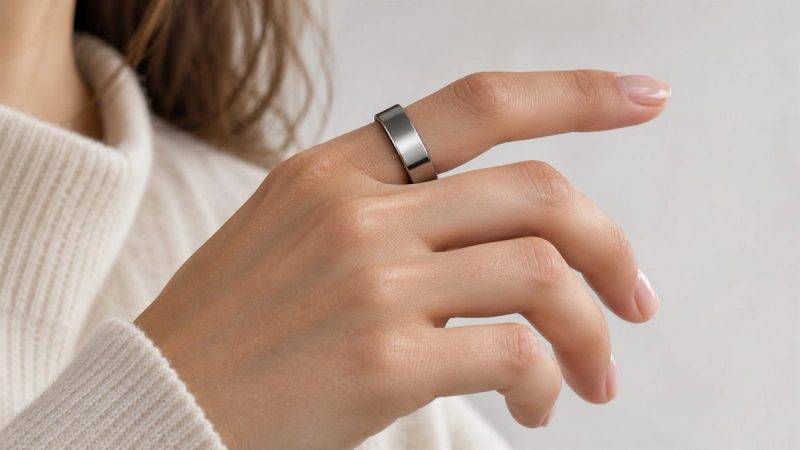
VERTU has a Diamond Ring collection that combines jewellery design with smart functions. Its existence does not prove that every edition uses a conventional prong setting. The product knowledge base available for this article did not establish the setting construction or a repair method for a particular VERTU diamond-ring edition.
Before authorising a local bench repair, identify the exact model and consult the VERTU service and warranty information and ask its approved service channel whether the proposed work is compatible with the ring's electronic components and finish. Traditional jewellery methods may involve heat, liquids or tools unsuitable for a smart wearable. No generic jeweller should be assumed to know the construction of an electronic ring merely because the outer design includes stones.
If a stone appears loose, stop wearing the ring and preserve it safely while you obtain model-specific advice. Describe the visible symptom and share clear photographs if the service provider requests them. This protects the object and gives the specialist a better starting point without guessing at its internal design.
Frequently asked questions
Can I keep wearing a ring with one loose prong?
No. Remove it and arrange an inspection. The stone may still look secure while the setting has lost some of its support, and continuing to wear it can increase the risk of loss.
Can I tighten a prong myself?
No. A professional should determine why the stone is loose and whether the prong needs adjustment or rebuilding. Home bending can damage the stone or metal.
Will cleaning fix a loose stone?
No. Cleaning does not restore a worn or lifted setting. An ultrasonic cleaner can make an insecure stone more likely to come out, so request an inspection first.
How often should I book a check?
For a conventional engagement ring, a jeweller may suggest once or twice yearly, with an earlier visit after damage or any sign of movement. Follow the maker's instructions and insurance terms for your particular piece.