Key Takeaways
- Remove the ring after exposure and inspect the stone, setting and surface before cleaning.
- Chlorine can affect some gold alloys and settings; avoid repeated pool exposure.
- Use the maker's instructions for the exact materials, treatments and any electronic components.
- Do not use bleach, abrasives or an ultrasonic cleaner as a reflexive fix.
If a ring has been in a chlorinated pool or the sea, take it off, inspect it in good light and follow the maker's cleaning guidance for its exact materials. Chlorine can damage some metal alloys used in settings; sea water can leave residue when it dries. A conventional diamond ring may permit gentle cleaning, but an electronic smart ring needs its own device-specific instructions. Do not reach for bleach, polishing powder or an ultrasonic cleaner to remove marks.
Assess the ring before trying to clean it
Begin by finding out what you have. Is the ring a plain metal band, a diamond-set piece, a design with softer stones or a smart ring with electronics? Are any stones treated, glued or set in a way that could trap moisture? The answer determines what cleaning is suitable. If you cannot identify the materials, keep the first response conservative: dry the exterior with a clean soft cloth, store the ring separately and ask the maker or jeweller for advice.
Look closely at every setting and the inside of the band. A stone that appears to move, a bent prong or a gap around the setting should be inspected by a qualified jeweller before the ring is immersed again. Do not test a loose stone by pressing hard on it. If the ring has visible damage, photograph it for a service conversation and avoid wearing it until the setting is checked.
The Gemological Institute of America's travel-jewellery guidance says chlorine can erode some metal alloys used in diamond settings and advises removing diamond jewellery before a chlorinated pool or hot tub. This is a reason to prevent repeated exposure, not a claim that one accidental swim has necessarily damaged every ring.
What chlorine can and cannot tell you
Pool water does not interact with every ring in the same way. The concentration, duration of contact, alloy and construction all matter. A diamond may remain visually clear while a metal setting experiences a different kind of exposure. That distinction is why judging only the stone's sparkle is insufficient. Inspect the mount, joints and decorative surfaces as well as the gem.
Do not try to “neutralise” chlorine with another strong chemical. The GIA guide to diamond-jewellery cleaning warns against chlorine bleach and abrasives, which can affect metals or their finish. Its mild-cleaning suggestions apply to appropriate conventional jewellery, not every treated stone, plated surface or smart ring. If the maker permits a gentle rinse, use its exact method and then dry the ring completely. If it does not specify one, ask rather than improvise.
Watch for changes over the following days, such as a new discolouration, roughness, looseness or a setting that catches clothing. These observations help a jeweller diagnose a problem. They do not prove the cause was the single pool visit. Keep the ring's purchase or care documentation if you seek service.
Handling sea water and salt residue
After sea water evaporates, salt and other residue may remain around a setting or inside a detailed band. Removing the ring promptly makes inspection easier. Where the exact conventional ring's maker allows water cleaning, a gentle fresh-water rinse can remove residue, followed by careful drying with a soft lint-free cloth. Use a small bowl or covered drain so a ring or loosened stone cannot be lost down a sink. Never assume the same rinse is acceptable for a smart ring with charging contacts or a mixed-material design.
Sand is another concern at the beach. Grit between the ring and a cleaning cloth can mark softer metal finishes. If you feel or see grains, do not rub vigorously. Follow the maker's method for removing them, and avoid scraping detailed settings with a hard tool. A ring that was knocked against a rock or board needs an impact inspection as well as cleaning.
Cold water can also make fingers temporarily smaller, increasing loss risk. The safest beach routine for a valuable ring may be to place it in a secure individual case before entering the water. The VERTU guide to scratch-conscious ring storage explains why a separate padded space is useful once the ring is dry. A loose ring in a beach bag beside keys and sand is not protected simply because it is off the hand.
Cleaning a conventional diamond-set ring
For a ring whose stones, metal and setting are known to tolerate it, the maker may advise mild soapy water and a soft brush. Follow its instructions rather than applying a generic recipe to an unknown ring. Keep the water in a controlled container, work gently around prongs and rinse as directed. Dry it with a lint-free cloth and allow recesses to dry before closing the ring in a pouch. If residue remains or the setting is complex, a professional cleaning is safer than escalating to stronger chemicals.
Ultrasonic devices are not a universal solution. Vibrations can be unsuitable for certain treatments, inclusions or loosened settings. The GIA guidance notes that a professional should judge when such cleaning is appropriate. Do not use an ultrasonic device on a smart ring or assume a diamond-set design can tolerate it merely because diamond is hard.
Be equally cautious with polishing. A shiny finish can be plated, coated or deliberately textured. An abrasive cloth may remove more than the mark you are trying to address. Ask the maker or jeweller what material is present and whether refinishing is possible before using a product advertised for “all jewellery”.
What changes when the ring is electronic?
A smart ring combines an exterior surface with sensors and charging components. Its stated water-resistance rating, if any, does not automatically establish resistance to chlorine, salt, soap or repeated swimming. Water resistance can also vary with age and damage. Consult the exact model's live instructions, including whether fresh-water cleaning is allowed and how to dry charging contacts before use. If the device behaves unusually after exposure, stop charging it until the maker's support team advises on the next step.
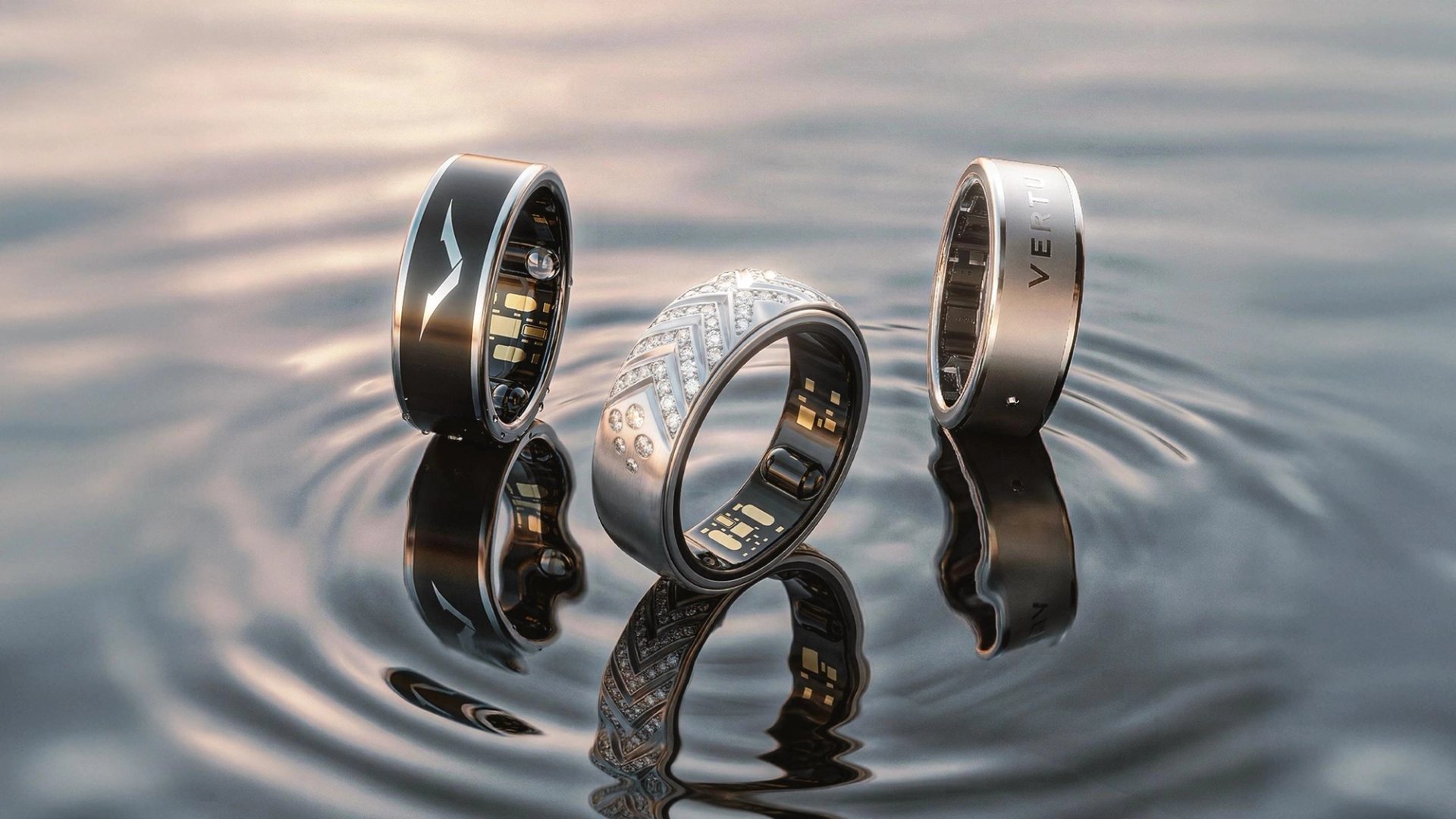
VERTU lists an AI Diamond Ring collection, but the current product knowledge base checked for this article does not establish model-specific cleaning or chlorine guidance for that exact ring. This article therefore cannot prescribe immersion, soap or a water-resistance claim for it. Obtain the care procedure for the precise edition from VERTU. A promotional statement on an older editorial page is not a substitute for current model instructions.
For VERTU COR RING, the current knowledge base describes general wellness use and notes that water resistance varies with model, settings, use and age. It also says water resistance is not permanent. None of that is a blanket permission to wear it in chlorinated or salt water, and this guide does not treat it as one. Check the care guide supplied with your ring before any rinse or cleaning product is used.
A calm response after an accidental swim
- Remove and secure the ring. Place it on a clean cloth or in an individual container away from drains.
- Inspect before cleaning. Check settings, stones, the band and any electronic contacts.
- Identify the exact model. Find the maker's water and cleaning guidance for the whole construction.
- Clean only as permitted. Avoid bleach, abrasives and unapproved immersion.
- Dry and monitor. Keep it separate and seek professional help for looseness, discolouration or device problems.
This sequence avoids two opposite mistakes: ignoring residue and aggressively cleaning a ring that needs a gentler method. The best prevention remains removing jewellery before pool or sea use when the maker has not explicitly approved that environment.
Frequently asked questions
Will one swim in a pool ruin a diamond ring?
Not necessarily, but chlorine can affect some metals used in settings. Remove the ring, inspect it and follow model-specific cleaning advice. Have a jeweller check any loose or changed setting.
Should I rinse a ring after sea water?
Only according to the maker's instructions for that exact ring. A gentle fresh-water rinse may be appropriate for some conventional jewellery, but electronics, porous materials or special treatments can change the advice.
Can I use an ultrasonic cleaner afterward?
Do not use one by default. Settings, stone treatments and electronics may make ultrasonic cleaning unsuitable. Ask a qualified jeweller or the device maker.
What if my smart ring was exposed to chlorine?
Follow its specific care guidance and inspect the charging area. Do not charge a device that appears wet or behaves abnormally until the maker advises you.
Conclusion
After chlorine or sea-water exposure, careful identification and inspection matter more than a forceful cleaning method. Conventional jewellery and electronic rings have different limits, and even a hard gemstone does not make its setting invulnerable. Use the exact maker's care guidance, protect the ring from further contact and seek professional help if anything has loosened or changed.