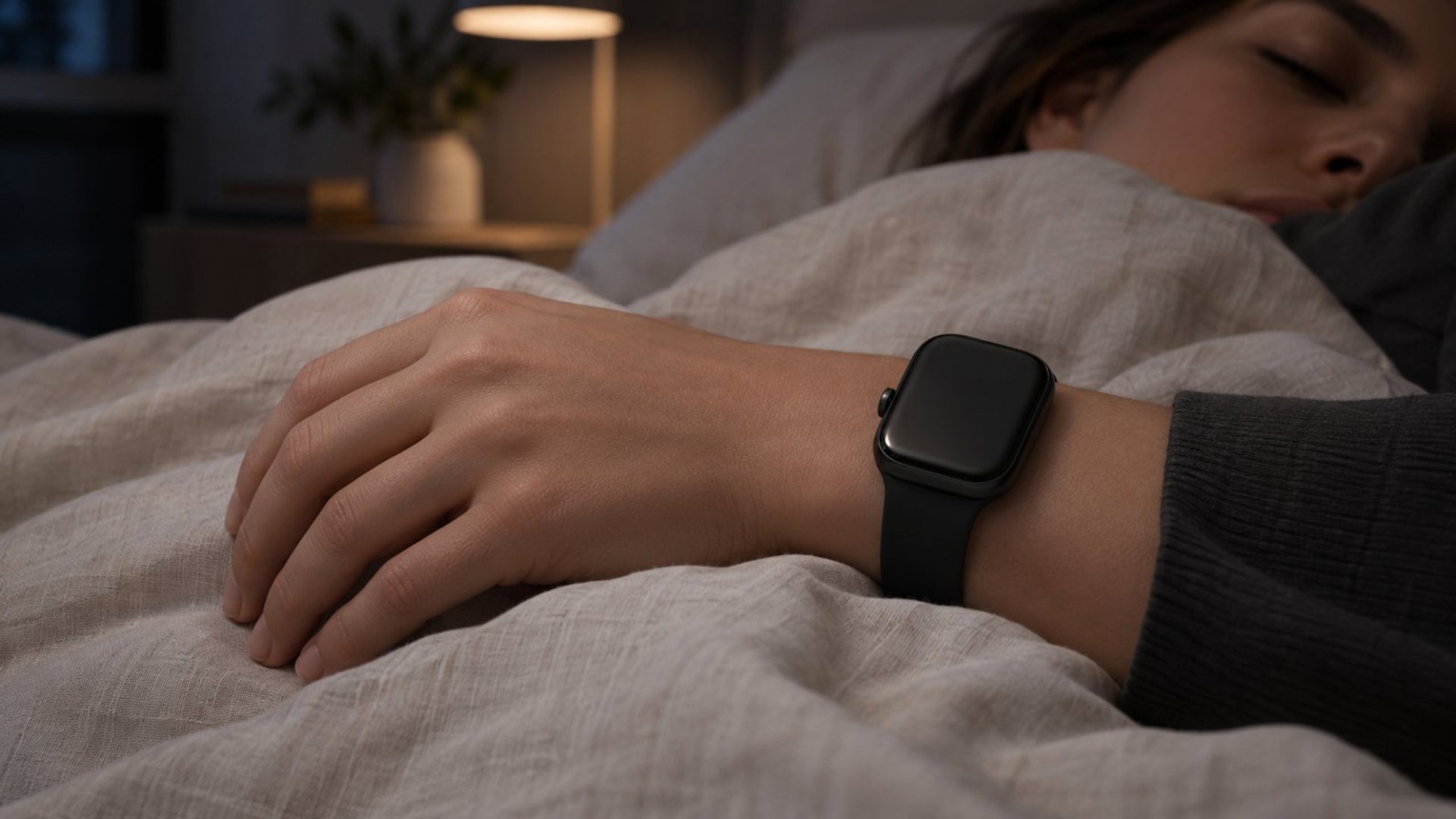
Smartwatch sleep tracking is useful only when wearing the watch does not interfere with sleep. A heavy or tall case can press against the wrist under bedding, while an overly tight strap may leave discomfort and an overly loose one may reduce sensor contact. Try the exact watch for several ordinary nights, adjust fit within the maker's guidance and treat sleep-stage outputs as estimates. Comfort takes priority over collecting another night of data.
Can a heavy watch track sleep comfortably?
It can for some people, but weight alone is a poor prediction. Case height, lug shape, strap flexibility, clasp position and your sleeping posture all affect pressure. A watch that feels balanced while typing may feel intrusive when your wrist is trapped beneath a pillow. A smaller or softer strap can change the experience, yet it cannot make a large case disappear. The only convincing answer is a careful overnight trial with the exact configuration you plan to wear.
Start with one or two nights in which you can easily remove the watch if it bothers you. Note whether you wake because the case presses against skin, the clasp catches bedding or the display lights up. Compare with a night when you do not wear it. Do not force yourself to continue a setup that clearly disrupts rest merely to complete a tracking streak. A wearable is meant to support your routine, not become an obstacle to it.
The prior watch-weight and wrist-fatigue guide explains why total mass, balance and strap placement matter across a full day. At night, those same factors interact with prolonged contact and fewer deliberate movements. If the watch slides during sleep, tightening it aggressively may trade poor contact for skin pressure. Try a compatible strap or a better case position instead.
How tight should the strap be overnight?
Follow the maker's fit advice for your exact device. In general, the case should stay in contact with the skin without digging in, restricting movement or leaving persistent marks. Apple's watch-fit guidance describes a snug but comfortable fit and room for skin to breathe. That is guidance for Apple Watch, not a universal instruction for every sensor or strap. A VERTU model needs its own current instructions for reliable readings.
Place the watch where the manufacturer recommends, commonly on the top of the wrist rather than directly over the wrist bone. Check that the clasp or buckle does not sit on a pressure point when your hand rests beside your body. If you switch straps, confirm that the attachment is compatible and secure. Clean and dry the strap before bed using its material-specific guidance; moisture under a snug band can irritate skin.
Remove the watch if you notice persistent soreness, tingling, numbness, swelling or a rash. If symptoms continue, seek appropriate medical advice. Do not diagnose a skin reaction from a sleep graph, and do not keep adjusting the same uncomfortable setup night after night. The watch can provide a trend, but it cannot justify ignoring physical discomfort.
What do sleep-stage charts actually tell you?
Consumer wearables infer sleep from signals collected at the wrist. They do not directly observe brain activity in the way a clinical sleep study does. Apple's sleep-tracking guide says Apple Watch estimates time spent in named sleep stages and describes a 14-day trend view. Google Health's sleep-stage explanation likewise describes estimation from body signals on supported Fitbit and Pixel devices. Those descriptions apply to their own products, not to a claimed identical algorithm on another watch.
Use the chart to ask modest questions: Did the watch record the night? Is the trend changing alongside bedtime, travel or a new routine? Did a gap coincide with removing it, poor contact or depleted battery? Avoid drawing medical conclusions from a single low score or a surprising stage estimate. If you have ongoing sleep symptoms, discuss them with a qualified clinician rather than relying on a wearable score.
Consistency matters more than a flawless chart. If you can wear a comfortable device most nights, trends may be more informative than sporadic data from a watch that you routinely remove. A missing night is better than fragmented sleep caused by the tracker. If the device's sleep feature is not clearly documented for your model, verify it before treating generic smartwatch claims as product features.
How do display and notification settings affect rest?
A bright screen, haptic alert or raised-wrist gesture can wake you or a bed partner. Check whether your watch offers a sleep, do-not-disturb or night mode that limits display activation and nonessential notifications. Apple's sleep guide describes Sleep Focus and a simplified Sleep Screen on supported Apple Watches. Other makers use different names and controls. Try the settings before bed rather than discovering an alert at midnight.
Keep important safety or family alerts according to your needs. Review what the mode silences and what it allows through. If you depend on an alarm, confirm that it works in the chosen mode and at a comfortable intensity. A silent tracking display is useful only if the rest of the overnight setup remains reliable for your personal circumstances.
If a watch has a large reflective case, consider whether it catches light from a bedside lamp or presses against bedding. A soft sleep sleeve or improvised wrap can interfere with sensors, trap moisture or make the strap too tight; use only maker-approved accessories. Often the simplest change is to reposition your arm or remove the watch when it interrupts sleep.
When should you charge a watch used for sleep tracking?
Plan a short charging window during the day so the watch has adequate charge before bed. The required level and runtime depend on the exact model and enabled features. A device that shuts down halfway through the night leaves an incomplete record, while charging it overnight means it is not on your wrist. Check your usual morning and evening percentage for several days to find a routine that fits.
Charge according to the maker's instructions and dry the watch before connecting it to a charger. If overnight tracking suddenly drains much more power, check software changes, settings and charger condition before assuming battery failure. Our luxury smartwatch service guide explains when a charging or battery symptom warrants professional assessment. Do not sleep with a device that is visibly damaged, swollen or unusually hot.
Where does VERTU Agent Watch fit?
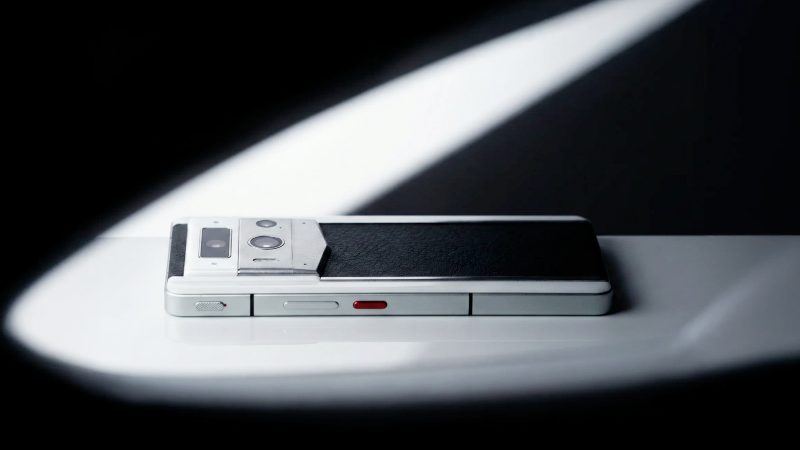
The VERTU knowledge base describes Agent Watch with a crystal case, fluoroelastomer strap and MetaSelf wellbeing experience. Those are relevant to fit and daily use, but they do not establish a weight figure, a specific overnight comfort result or a medical-grade sleep analysis. Confirm the current sleep functions and app presentation for your exact watch variant before relying on a particular chart or alert.
A shopper considering Agent Watch for overnight use should try its case and strap on the actual wrist, then consider the pressure points that emerge when the arm lies flat. Ask how the strap adjusts, what charging routine is practical and whether the sleep feature described for the current model is available in your region and app version. The watch's visual presence may be part of its appeal by day; overnight comfort is a separate decision.
If the case remains intrusive after careful adjustment, consider collecting sleep trends with a lighter supported device or tracking bedtime and wake time manually. That is an editorial option, not a claim that another product is medically superior. The best record is the one you can gather without sacrificing sleep quality.
What is the right trade-off?
Keep overnight tracking if the watch stays comfortable, secure and quiet; remove it if its weight, case or alerts disrupt rest. Review multiple nights of trends with the knowledge that stages are estimates. A well-fitting watch can be useful for a personal routine, but the sleep it aims to describe is more important than uninterrupted data collection.
Frequently asked questions
Will a heavier smartwatch give better sleep data?
No. Weight does not establish measurement quality. Check the supported feature, sensor contact and comfort of the actual model.
Should I tighten my watch if sleep tracking has gaps?
Check fit and charge, but do not overtighten. Follow the maker's placement guidance and remove the watch if it causes discomfort.
Can a sleep-stage chart diagnose a disorder?
No. Consumer sleep stages are estimates for general wellness context. Discuss persistent symptoms with a clinician.