Key takeaways
The high end is moving beyond specs toward privacy architecture you can understand and control.
AI assistants made privacy visible again. The question isn’t “Is it smart?” It’s “Where does my context go?”
For high-stakes users, a phone’s real differentiator is the service layer: fast, discreet help that prevents mistakes across time zones.
Craftsmanship isn’t nostalgia. It’s a bet on longevity, provenance, and ownership confidence.
If you’re shopping the high end, evaluate phones with three lenses: privacy, service, craft. Specs come after.
The old definition of “high-end” was specs
For most of the smartphone era, “high-end” meant the fastest chip, the brightest display, the best camera array. That logic still matters, but it no longer explains where the top of the market is going.
In the U.S., the buyer who can choose any phone isn’t asking for one more benchmark win. They’re asking for a device that can live in a different kind of day:
a week of travel across cities and time zones
work and personal life running in parallel
sensitive conversations that cannot afford casual exposure
delegation to staff without losing control
That change is measurable. According to Deloitte’s “2026 Global Hardware and Consumer Tech Industry Outlook” (2026), the share of U.S. respondents worried about data privacy and security jumped from 60% to 70% in one year, and only 27% expressed high confidence that tech providers keep their data secure.
When trust becomes the constraint, “premium” becomes something else.
High-end cell phones: what “high-end” means in 2026
A useful way to describe the market now is that it has two different meanings of “best.”
One meaning is performance: the best camera system, the best chip, the best screen.
The other meaning is ownership: the best device to carry when your phone is a passport, a keychain, a boardroom, a travel desk, and sometimes a liability.
That’s why the high-end category is starting to resemble luxury watches more than consumer electronics. You still care about function, but you’re paying for how the object behaves over time.
Lens | What you’re really buying | The question to ask |
|---|---|---|
Privacy | control of context | “Where does my data travel, and can I audit it?” |
Service | reduced friction (and fewer mistakes) | “Who helps me when it breaks at the worst moment?” |
Craft | longevity and provenance | “Will I respect this in three years?” |
This isn’t an argument against mainstream flagships. It’s an explanation for why luxury smartphones exist even when the best mainstream phone is already excellent.
Privacy becomes the product: architecture, not settings
High-end buyers used to treat privacy as a settings screen. Turn off tracking. Review permissions. Don’t click suspicious links.
That’s still good hygiene, but it’s not a strategy.
In 2026, privacy is less about any single feature and more about architecture: how your device handles identity, permissions, storage, and handoffs between apps and services.
A quick distinction: privacy vs. security
These words are often used interchangeably, but they describe different problems:
Security is about whether unauthorized parties can break in.
Privacy is about who is allowed to see, learn, or infer information about you, including companies that are not “hackers.”
A phone can be secure and still not feel private.
Why AI made the boundary visible again
AI assistants feel like a single interface, but behind the interface are decisions about where data is processed and stored.
Apple’s approach is a signal of where the mainstream market is heading. Apple says Apple Intelligence is designed around a privacy model that combines on-device processing with Private Cloud Compute for requests that need more compute, while extending privacy and security into the cloud. See Apple Newsroom’s “Introducing Apple Intelligence” (2024).
For high-end buyers, this matters because the AI era multiplies the number of moments where context can leak:
a document is summarized
a message thread is referenced
a calendar is analyzed
a photo becomes searchable
The premium question becomes: Can I understand and control what crosses boundaries?
Collector’s note: In luxury markets, the best products reduce cognitive load. A high-end privacy experience should feel like fewer decisions, not more menus.
The problem is rarely “the model.” It’s the handoff.
Most people underestimate how much privacy loss happens in ordinary workflows:
you paste sensitive text into an app you don’t fully trust
a file is cached in the wrong place
a permission was granted under time pressure and never revoked
This is why “privacy-first” is moving from a marketing label to a buying criterion. A privacy-first smartphone needs to be designed for the messy reality of modern work, not the idealized version.
The service layer returns: from customer support to concierge
There’s a reason the best luxury hotels don’t compete on room size alone. Their advantage is how quickly they solve problems, quietly, and with taste.
High-end phones are moving the same way.
For an executive buyer, “support” isn’t an email ticket. It’s what happens when:
your device needs to work immediately after landing
you have multiple numbers, regions, and identities to manage
you want to keep certain conversations separate without creating chaos
you need help that respects discretion
This is where the category is diverging:
mainstream flagships optimize for the broadest set of users
the high end optimizes for high-stakes ownership: privacy, continuity, and access
VERTU is explicit about this framing in its Premium High-End Mobile Features Collection, positioning high-end value around security, intelligence, and human-powered services.
The point isn’t that everyone needs a concierge. It’s that the high end is increasingly defined by the ability to offload complexity without offloading control.
Concierge is also a privacy feature
This isn’t obvious until you’ve lived it.
A surprising amount of privacy risk comes from friction:
forwarding the wrong file to the wrong person
using a personal account for a work task while traveling
granting an app permission “just this once” under time pressure
A concierge-style service can reduce those unforced errors by helping you set up sane defaults and solve edge cases quickly.
Pro Tip: If privacy matters, treat “setup and handoff moments” as high-risk. The goal is fewer ad-hoc exceptions.
“Concierge phone” is becoming a category, not a gimmick
For UHNW buyers, a concierge phone is simply a phone sold with the assumption that your life is distributed: assistants, drivers, travel agents, family offices, and a calendar that never stands still.
The phone’s job is to keep you reachable while keeping your boundaries intact.
Craftsmanship is no longer aesthetic. It’s longevity and provenance
For buyers outside the high end, “luxury” can sound like decoration. But within the category, craftsmanship signals something more practical: long-term confidence.
Luxury objects are designed to be owned, not merely used.
In phones, that shows up in three ways:
Durability you can feel (materials, assembly, tolerances).
Personalization that creates attachment and discourages casual churn.
- Provenancethe sense that the object is legitimate, traceable, and worth keeping.
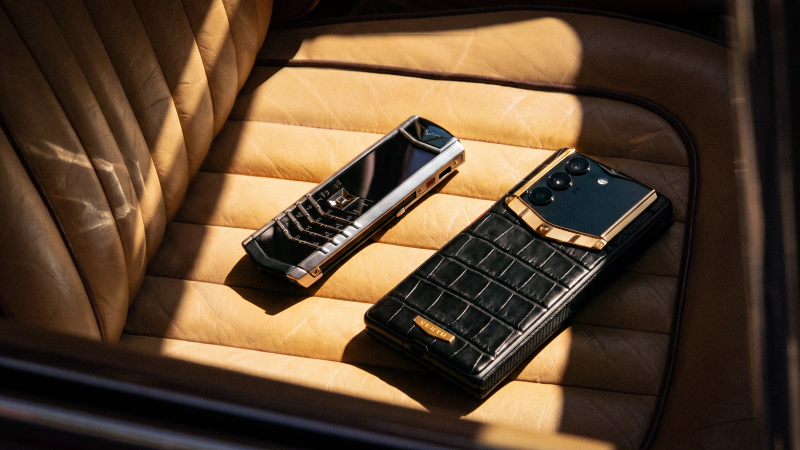
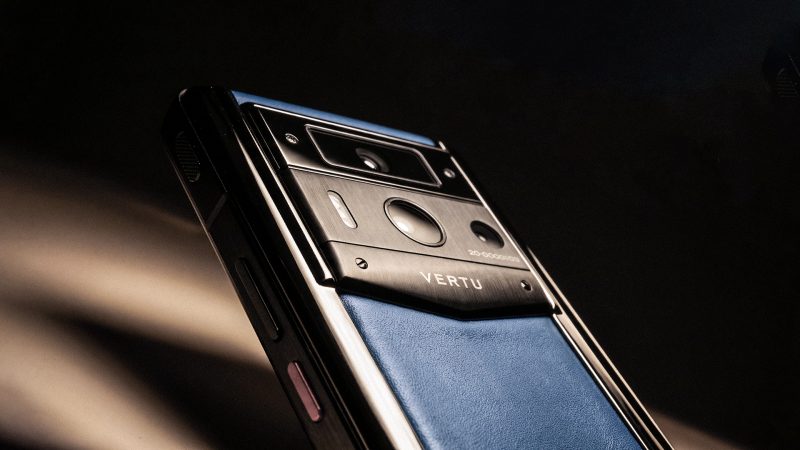
VERTU’s value framing leans on this idea of ownership and craft, including materials and hand-assembly narratives in “Why is VERTU so expensive?”.
This is also where the category becomes less “tech product” and more “collectible.” Not because it’s frozen in the past, but because it’s competing on permanence.
A buyer’s lens for 2026: three questions to ask before you upgrade
If you’re shopping at the top of the market, these questions are more useful than another camera comparison.
1) What is the privacy architecture, in plain English?
You’re looking for clarity on:
what’s processed on-device vs. off-device
how identities and spaces are separated
how permissions are managed and reviewed
If a brand can’t explain its privacy model without buzzwords, it’s not high end. It’s marketing.
VERTU frames one version of this debate around privacy in the AI era in its guide “Luxury AI Phone Privacy Protection Explained”.
2) What happens when something goes wrong at the worst time?
High-end is tested under stress:
you lose access while traveling
a device needs urgent support
you need a private workflow to stay private
This is the service question. Not “does support exist,” but “does support match the life you actually live?”
For the U.S. buyer specifically, this is also the trust question: service quality isn’t just friendliness. It’s discretion, response time, and competence.
3) Is this an object you’d still respect in three years?
This is where craft matters. Not as ornament, but as a signal of:
design restraint
durability
legitimacy
confidence
Phones age quickly. Taste doesn’t.
How to verify: If you’re buying high-end or ultra-luxury, insist on provenance and authenticity checks. Avoid grey-market listings that can’t document the device and its service eligibility.
Where VERTU fits in the new definition of “high-end”
The market is splitting into tiers:
premium flagships for those who want the best mainstream experience
secure smartphone for executives who prioritize control and operational clarity
ultra-luxury phones for those who want privacy plus service plus crafted-object value
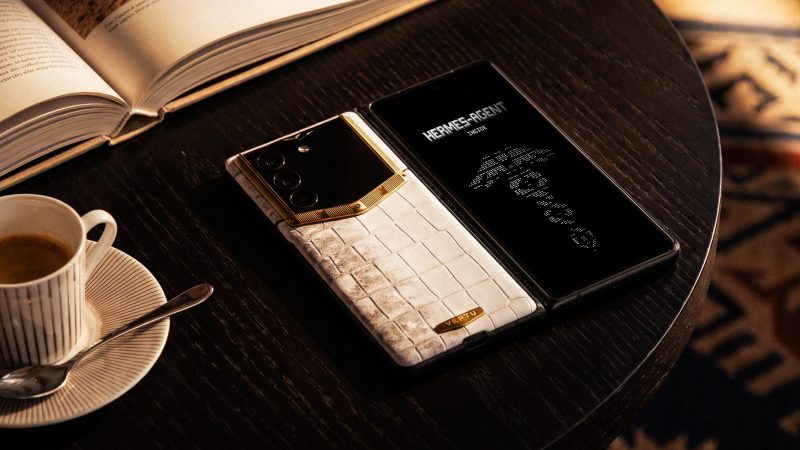
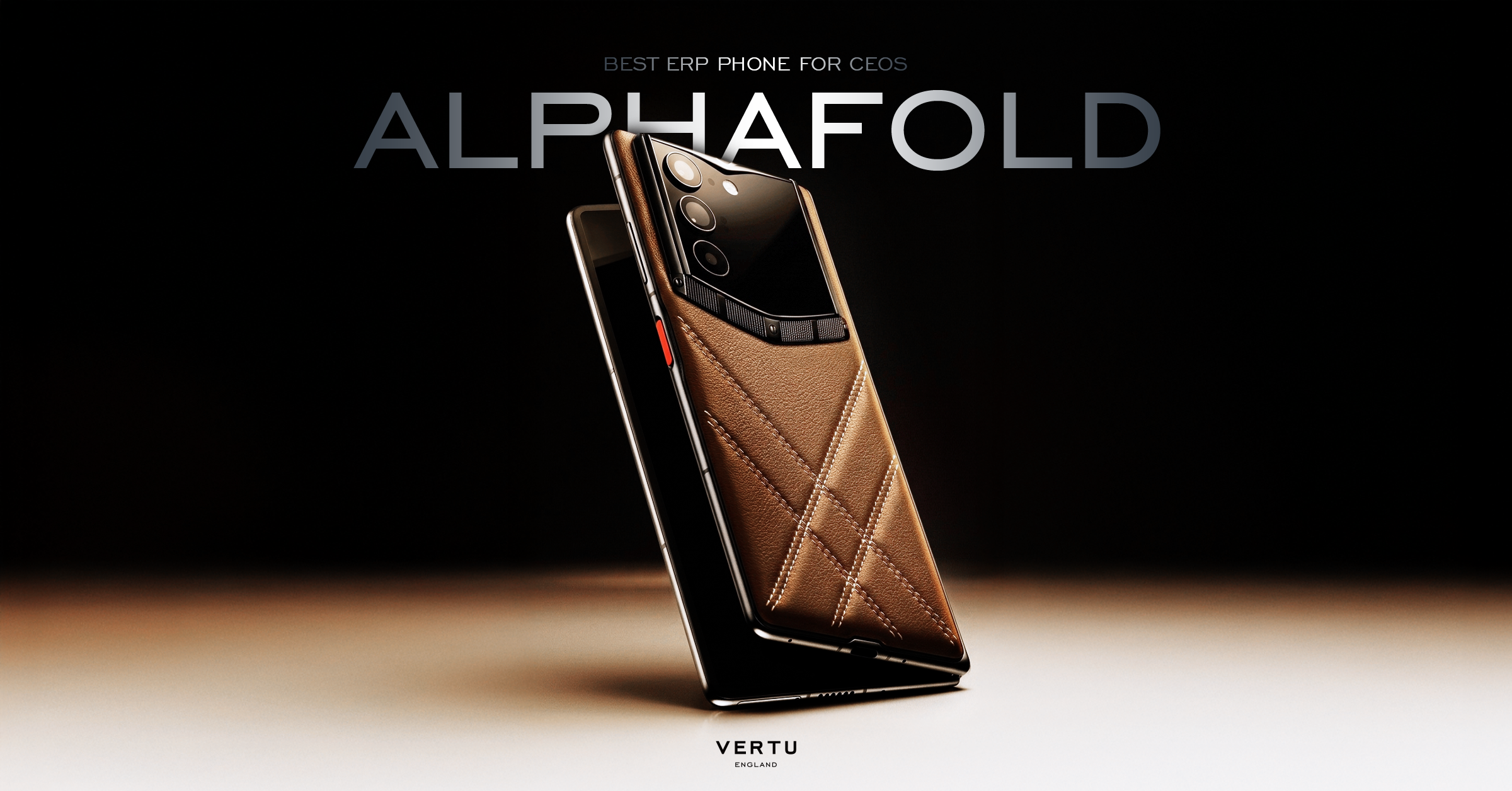
VERTU sits in that third tier, where the phone is positioned as a blend of high-end materials, privacy posture, and concierge-style ownership.
For readers who want a category-level overview, VERTU’s guide on VERTU luxury smartphones vs. competitors is a useful starting point.
Next steps
If you’re evaluating a move upmarket, start by deciding which axis matters most to you: privacy architecture, service, or craftsmanship. The right phone is the one that reduces risk and friction in your real life.
If you want to explore what a luxury-first ownership model looks like, you can browse VERTU luxury phones and use the three-question lens above to evaluate fit.
Disclosure: This article references VERTU pages. Editorial judgment remains the priority.