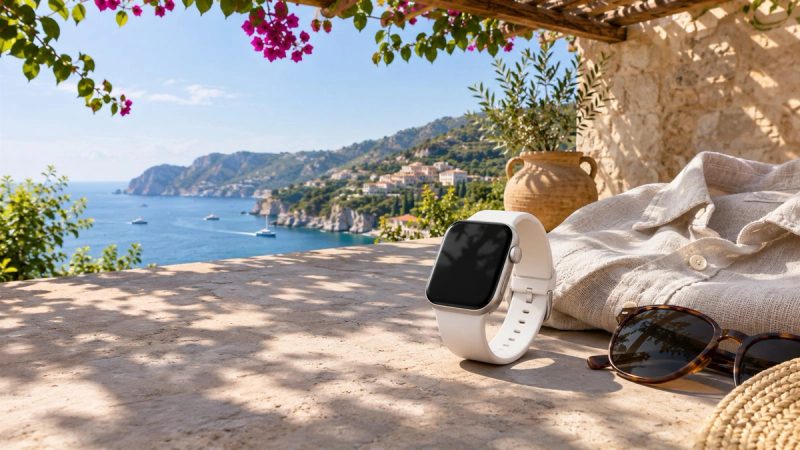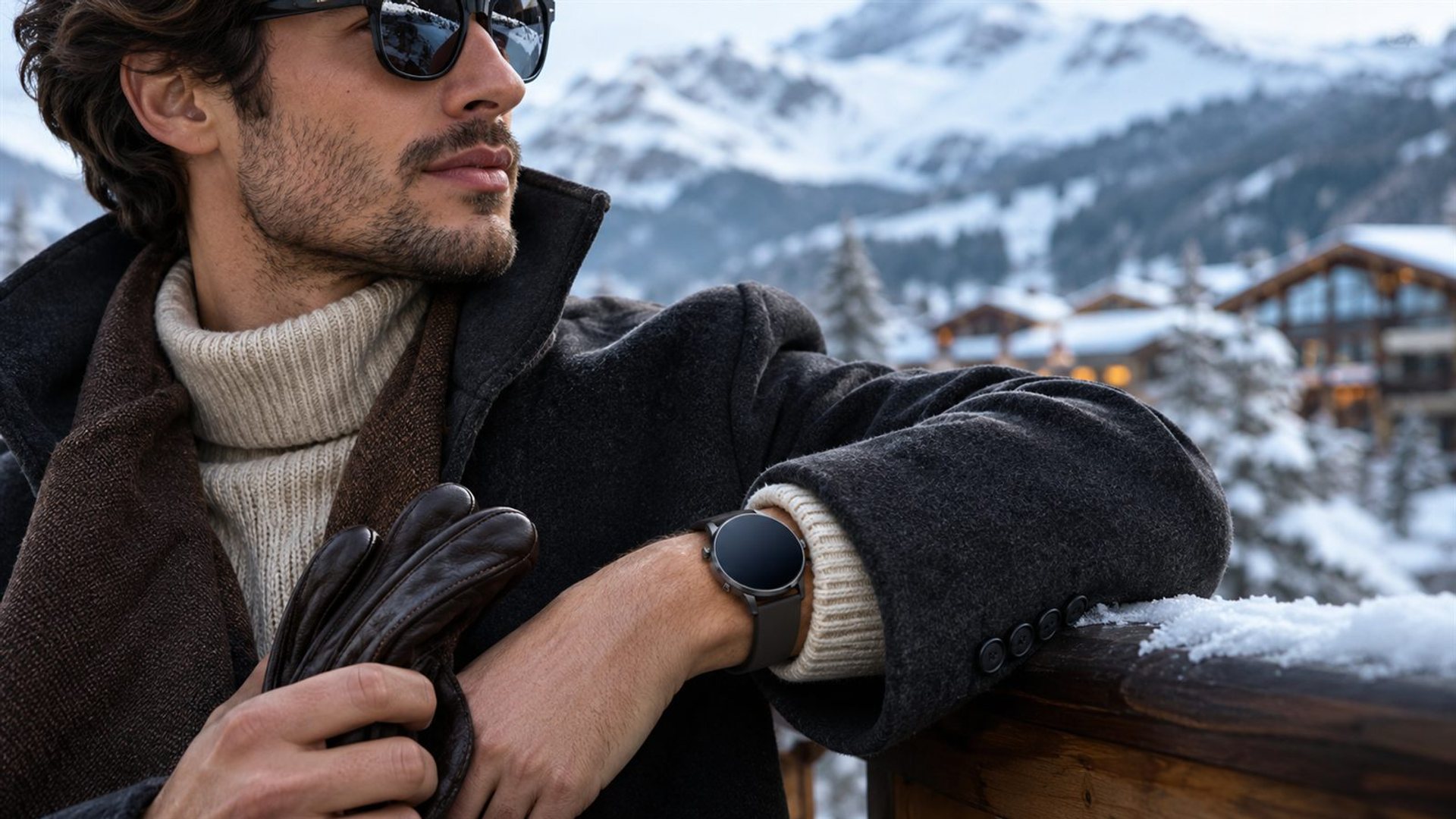
You can wear a smartwatch in cold weather if the conditions remain within that model's published operating limits. Battery life may fall, the screen may respond differently and a loose strap can make wrist readings less consistent. Keep the device sheltered when practical, check its fit, and let it return gradually to room temperature before charging after a very cold outing.
There is no universal “smartwatch temperature” that covers every model. A watch designed for harsh outdoor use may have a different range from a dress-oriented connected watch. Use the exact model's manual as the authority, then plan around the weather and the duration of exposure.
What temperature is too cold for a smartwatch?
It depends on the watch. Apple's temperature guidance, for example, gives different recommended conditions for standard Apple Watch models and Apple Watch Ultra. Those figures are useful evidence that specifications vary, but they are not limits for VERTU or another brand. Look up the operating and charging ranges for the exact watch you own.
Pay attention to whether a stated figure covers use, charging or storage. A device can have a wider storage range than a charging range. An outdoor reading does not tell you the temperature inside a sleeve or against your wrist; both can differ from the weather report. Avoid turning a manufacturer range into a promise that every feature performs identically at its edge.
If the maker has not published a clear limit, take a conservative approach. Limit prolonged exposure, keep the watch dry and use another instrument for any task that requires dependable operation in extreme conditions.
Why does the battery drain faster in cold air?
Cold conditions can temporarily reduce the available performance of a rechargeable battery. Apple explicitly notes that its watch battery may not last as long in the cold. For another model, the extent depends on battery design, age, settings and exposure. A watch that lasts through an ordinary day indoors may need charging sooner on a long winter walk.
Start with a healthy charge, then reduce nonessential demands before going out. Continuous navigation, a bright always-on display and frequent wireless activity can all add power use. Garmin's Approach S12 specification also notes reduced battery life in extreme cold and gives a charging range distinct from its operating range; those figures apply to that model only. Choose the functions you need and keep the paired phone charged.
A sudden drop on a cold outing does not by itself prove permanent battery damage. Let the watch warm naturally and observe its behaviour indoors. If it repeatedly shuts down in ordinary conditions or the battery is swollen, stop use and seek service advice.
Should you tighten the strap over a coat sleeve?
Not if you expect wrist-based readings. Many watches need contact between the sensor and skin. A watch worn over thick fabric can still show the time, but it may not measure the same signals as when positioned against the wrist. Follow the maker's fit guidance for the features you intend to use.
Cold weather can change how a strap feels as your wrist and clothing move. Wear it securely without restricting circulation or causing discomfort. If the band is too loose under a jacket cuff, the case may swing or catch on the sleeve. If it is too tight, remove and adjust it in a warm place rather than enduring pressure throughout the walk.
Dry skin, gloves and layered cuffs can make touch controls awkward. Learn the watch's physical controls before travel if it has them. Do not remove gloves in unsafe conditions simply to interact with a screen.
Can you charge a watch straight after coming indoors?
Let a very cold watch settle towards room temperature first and check for condensation. The charging range may be narrower than its storage range. Put it on a dry, stable surface and use the specified charger. Avoid a radiator, hot-air vent or direct heat as a shortcut to warming.
If a device shows a temperature warning or pauses charging, follow its manual. Do not keep reconnecting it while it is still cold or damp. Check the contacts and charging base for moisture. A cool room is different from a watch that has spent hours in subfreezing air.
Keep the charger and cable protected during travel. A battery pack in a snow-covered bag can become damp. Charge indoors where the device can remain dry and ventilated.
How do you protect the case and strap?
After exposure to snow or sleet, wipe the watch with a suitable soft cloth and follow the maker's material-specific care. Water-resistance ratings, where published, have limits and may not apply to every strap or decorative element. Do not immerse a watch merely because it survived a snowflake on the case.
Leather, metal and fluoroelastomer straps have different care requirements. Avoid treating every band with the same cleaner. Salt from a road or winter glove can transfer to the case; remove it as directed before storing. Keep the watch away from perfume or solvent-based wipes unless the maker expressly permits them.
Store the watch in a dry place at a stable temperature. A cold car glove box is not an ideal long-term storage location. If you change between a winter sport band and a dress band, check that the attachment locks fully before leaving home.
How does this apply to VERTU watches?
The VERTU wearable range includes Agent Watch, Grand Watch and Fusion Watch. These are distinct products; do not apply one model's temperature, battery or strap specification to another. Confirm the exact edition and current operating guidance before a winter trip.
VERTU Agent Watch is a connected watch whose Agent voice workflow uses a paired phone, as VERTU's launch article explains. If you plan to use that workflow outdoors, protect and charge the phone as well. The watch should not be described as running the Agent independently in the cold.
Published battery-life figures are usually based on specified use conditions. A winter day with continuous activity tracking and cold exposure can differ. Treat the official figure as a planning reference, not a guarantee for every trip.
What should you do before a winter journey?
Check the weather against the watch manual, charge the device and paired phone, choose an appropriate strap, and decide which features you need. Test the fit under your usual coat. Save an offline route or meeting point on the phone if the outing depends on navigation. Tell someone your plan when travelling into an unfamiliar area.
During the outing, keep the watch under a sleeve when practical and avoid exposing it to heavy moisture beyond its documented limits. Afterward, dry it, let it acclimatise and charge it within the maker's guidance. This routine is more dependable than a generic claim that every smartwatch is suitable for freezing weather.
Frequently asked questions
Can cold permanently damage a smartwatch battery?
Cold can reduce performance temporarily, while use or charging outside a model's limits may create risk. Follow the exact manufacturer's ranges and seek service for persistent problems.
Will heart-rate readings work over a sleeve?
Do not assume so. Wrist sensors normally need suitable skin contact. Check the watch's fit instructions for the measurement you use.
Should I warm a cold watch with a hairdryer?
No. Let it reach room temperature naturally and check for moisture before charging.
Are Agent Watch and Grand Watch equally suitable for cold?
No shared temperature limit is established here. They are different products; check each model's official specifications and care guidance.
Why did my watch stop charging after a snowy walk?
Temperature or moisture may be involved. Let the device dry and acclimatise, then follow its manual if charging does not resume.