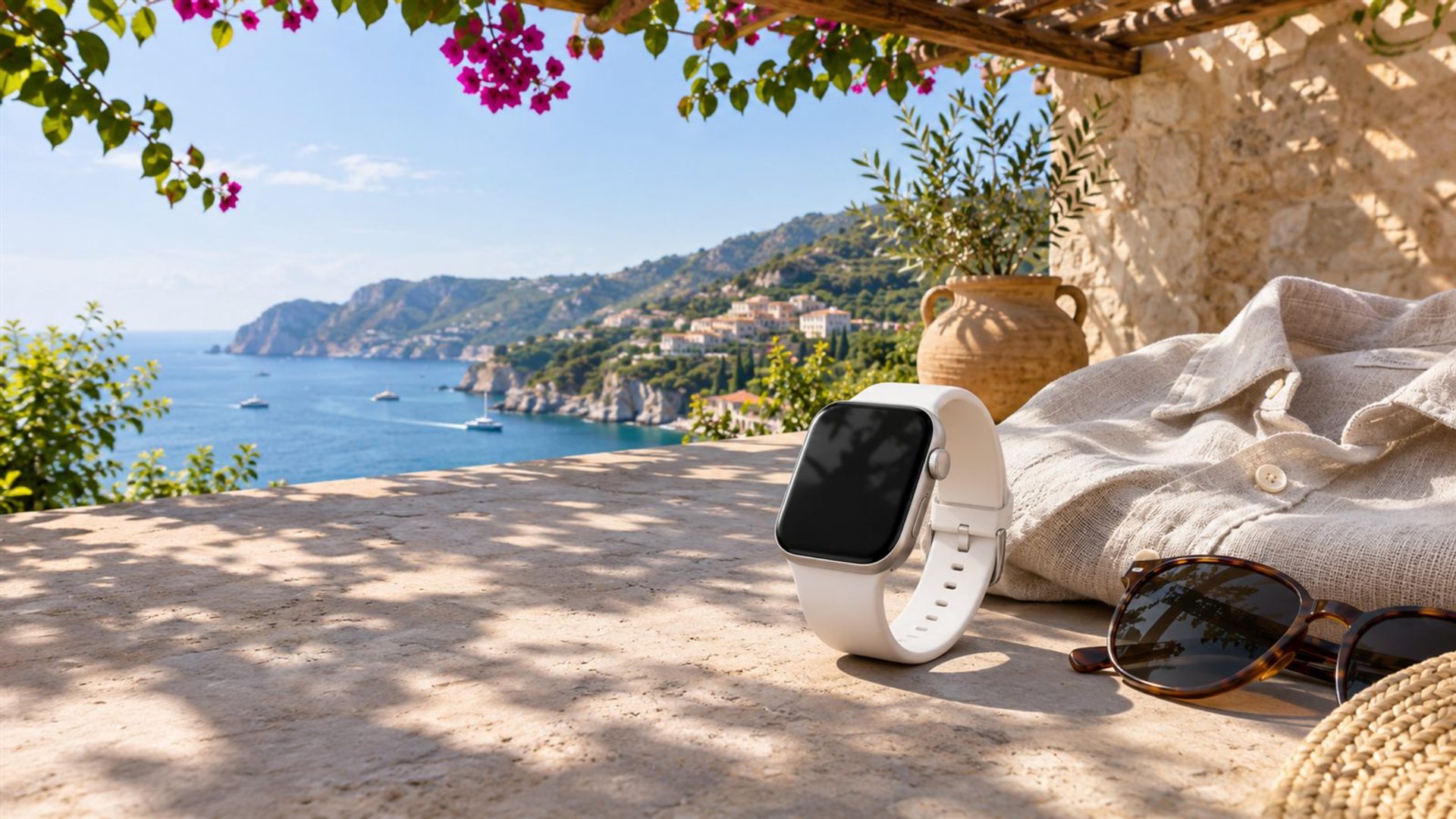
The best smartwatch for hot weather is one with documented operating and charging conditions suited to your trip, a strap you can keep comfortable and clean, and features you will use outdoors. There is no single heatproof rating shared by every smartwatch. Compare the exact model and your likely exposure: a shaded city walk, a beach afternoon and a parked vehicle create very different demands.
Start with the temperature guidance, not the marketing image
A destination forecast is only the beginning. The temperature surrounding a watch can rise above the reported air temperature in direct sun, especially when it is left on a dark surface or inside a vehicle. Read the manufacturer's operating and storage guidance for the specific model and separate those numbers from its charging range. If a maker does not publish a value, do not assume a competitor's figure applies.
For a concrete example of why model detail matters, Apple's temperature guidance says its Watch Series and SE models work best from 0°C to 35°C ambient, while its Ultra models have a different wearing range. Those figures describe those Apple models only. They cannot be transferred to a VERTU watch or another maker's product. Ask the seller or product support team for the relevant model documentation when the listing is silent.
Think about the hottest ordinary moment of your itinerary. A watch worn under a loose sleeve during a transfer may encounter a very different environment from one left on a sunlit poolside table. The safest plan is to avoid leaving electronics in enclosed, hot spaces and to stop using or charging a device if it displays a temperature warning or behaves unusually. A watch that feels hot should be allowed to cool naturally in shade before it is handled further.
What strap works in humidity and perspiration?
The strap often decides whether a technically capable watch is pleasant to wear. In humid weather, look for a smooth surface that can be cleaned in accordance with the maker's instructions, a secure fastening and enough adjustment to avoid pressure as your wrist changes through the day. The best material on paper is still the wrong choice if its edge rubs your skin or the clasp traps moisture.
A fluoroelastomer strap is one possible choice for active travel, but its presence alone does not establish a particular comfort level, water tolerance or cleaning method. The VERTU Agent Watch White Crystal is listed with a fluoroelastomer strap. Its strap specification makes it a relevant model to assess for warm-weather wear; the wearer should still check fit and model-specific care guidance. The Agent Watch's phone-linked voice workflow also means the paired phone needs to remain available for Agent requests.
Metal bracelets can feel cooler to some wearers at first touch, yet links and clasp geometry affect both ventilation and fit. Leather may suit a formal evening, but repeated sweat exposure warrants closer care and may make a second strap useful where the manufacturer supports changing it. Do not assume that every VERTU watch accepts interchangeable straps. Confirm the exact configuration and replacement options before buying for a multi-climate trip.
How much water resistance do you actually need?
Water resistance is a model-specific specification, not a blanket invitation to swim, shower or rinse a watch under a tap. A rating must be read alongside the maker's activity restrictions, seal condition and care instructions. Heat, soap, salt, chlorine and pressure can make a water-related claim less useful than its headline number suggests. If swimming is essential, confirm that the precise model expressly permits your intended activity.
Care after a sweaty day matters even if the watch never goes near a pool. Follow the official cleaning steps for the case and strap, and dry the device before attaching a charger. Garmin's Descent manual, for example, warns that even small amounts of sweat or moisture at electrical contacts can cause corrosion when connected to a charger. That is a useful reminder about contact care, though the cited procedure applies to that Garmin model. Use your own watch's instructions for cleaning agents and permitted rinsing.
Check charging conditions and realistic battery use
Hot-weather travel can change charging habits. You may rely more on navigation, outdoor activity tracking and a bright display, while charging opportunities may be limited. A published battery estimate is a starting point rather than a guaranteed trip duration. Look for the conditions behind the estimate and consider whether your own use is more demanding. A watch that lasts a long time in a default mode may still need a top-up after a day of intensive tracking.
Do not charge in direct sunlight, under bedding or inside a hot car. If the watch has been in a warm environment, let it return to a comfortable temperature before connecting power, following the maker's stated charging range. Keep contacts dry and inspect them for residue. A small, reliable charging routine in a cool room is more useful than trying to recover a depleted battery at the airport gate.
Does the display remain useful outdoors?
Bright sunshine tests legibility, but a maximum brightness claim is not the whole story. Check whether you can read the time, map prompts and notifications at a glance in normal daylight. Consider glare from the cover glass, the contrast of the chosen watch face and whether automatic brightness behaves well for you. A colourful demonstration screen indoors can be less informative than a short outdoor trial.
Touch controls can be less convenient with wet hands. If you expect to exercise or move between air-conditioned rooms and humid streets, examine how basic controls work when you cannot stare at the screen. Notifications should be legible without requiring a long interaction in the sun. Decide whether the watch is primarily for route information, communication, activity tracking or simply timekeeping; each priority changes which interface compromises matter.
Compare three travel scenarios
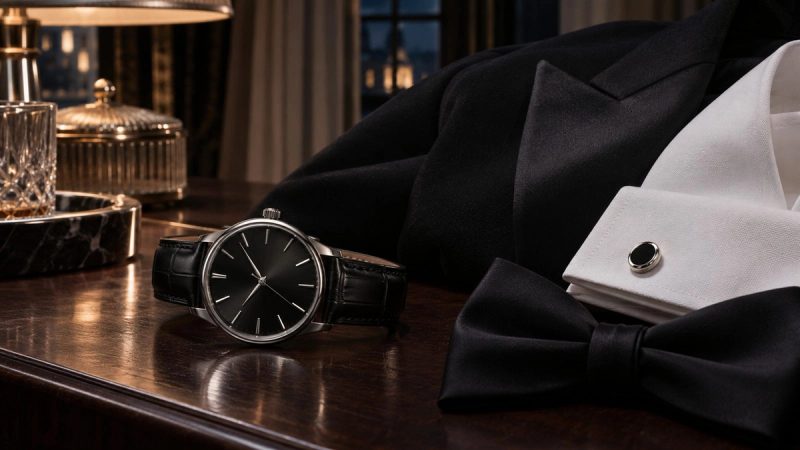
For a city itinerary, comfort, readable directions and a dependable connection to your phone may matter more than an extreme sport specification. For a coastal trip, verify the exact water-use rules and cleaning guidance, particularly after salt or sunscreen exposure. For a business journey between hot streets and cool interiors, consider a strap that remains comfortable across those changes and a design that also fits evening dress. These are editorial decision scenarios, not performance test results.
Place your shortlist in a simple worksheet: exact model, documented operating range, charging range, strap material, permitted water activities, required phone connection and the retailer's service route. Leave any unknown cell blank and resolve it before paying. This prevents a visually persuasive product page from answering a question it never actually addressed. It also makes comparisons fair when two products report their capabilities in different ways.
Where does VERTU fit in the shortlist?
VERTU's wearable range includes different design and product families. The Agent Watch's documented fluoroelastomer strap and phone-linked Agent interaction are specific reasons to examine it for an active, connected itinerary. They do not establish a special operating temperature. Grand Watch and Fusion Watch should each be assessed using their own documentation rather than being assigned the Agent Watch's strap or capabilities.
Before purchase, confirm the current configuration and support information for the region in which you will use the device. If you already own a VERTU watch, your model's manual and support channel are better guides than a general buying article for questions about water exposure, cleaning or charging. The strongest buying decision is one that remains sensible after removing the lifestyle photographs and reading only the use conditions.
Frequently asked questions
Can I leave a smartwatch in a hot car?
Avoid leaving it there. A closed vehicle can expose electronics to more heat than the outdoor forecast suggests. Check the device's storage guidance and move it to a cooler environment before use or charging if it has become hot.
Is a fluoroelastomer strap automatically best for summer?
No. It is a practical material to consider, but comfort depends on fit, shape and your skin. Follow the strap maker's care instructions and try it for a realistic period if possible.
Can I use a water-resistant watch in the sea?
Only if the exact model's instructions permit the intended activity. A headline rating does not settle questions about salt, pressure, seals and cleaning after exposure.
Should I charge immediately after coming in from the heat?
Let a hot watch cool naturally first and follow its stated charging conditions. Dry the contacts and avoid charging in direct sun or another warm location.