“Custom” is one of the most abused words in consumer tech. In most shopping carts, it means a case color and a monogram.
In the luxury category, custom luxury phone design can mean something else entirely: a phone designed to feel personal in your hand, resilient in your travel schedule, and discreet in the way it protects attention and information.
This guide defines the term with precision, then shows what’s genuinely customizable (and what isn’t) when craftsmanship and modern technology share the same object.
Key takeaways
Custom luxury phone design is about materials, finishing, and service, not just a surface pattern.
“Bespoke” implies commissioned-to-spec; ask what is actually made-to-order versus selected from a menu.
The best customization is functional: better grip, better durability, better privacy habits, better aftercare.
Verify provenance and after-sales support before you fall in love with the look.
What does “custom luxury phone design” mean?
At its most useful, custom luxury phone design means a premium mobile device that is tailored to an owner’s preferences across three layers:
- Physical designmaterials, finishing, tactile feel, ergonomics, weight balance.
- Identity and raritypersonalization, limited configurations, and provenance that can be verified.
- Ownership experiencesetup assistance, secure usage patterns, and ongoing aftercare.
You’ll sometimes see the word bespoke used interchangeably. In plain terms, bespoke describes something commissioned to a particular specification, tailored to an individual purchaser, rather than pulled from a standard template (see the general definition of bespoke).
In luxury phones, it’s worth being exact. “Bespoke” can be anything from “choose leather A or leather B” to a true made-to-order build where the client brief drives the final piece.
Collector’s note: If a brand cannot explain what part of the phone is made-to-order, and what part is simply selected, you’re not buying bespoke. You’re buying a high-end catalog.
Why custom design matters now (beyond aesthetics)
Mainstream smartphones have become extraordinarily capable, and increasingly similar.
For UHNW buyers, the reasons to seek custom luxury phone design tend to sit in quieter places:
1) You want a device that doesn’t feel disposable
A phone you keep for years should age well. That’s not only about scratch resistance. It’s also about how leather patinas, how metal edges wear, how buttons feel after thousands of presses.
Custom design shifts the question from “What’s the newest model?” to “What’s the object I want to live with?”
2) You want privacy habits that match your life
Your risk profile is not average if you travel frequently, meet across time zones, and carry sensitive conversations.
The phone is only part of the equation, but the device is where your habits become real: updates, authentication, network choices, and what you allow apps to access.
3) You want service, not just hardware
Luxury, at its best, is a workflow: setup, support, and fast problem resolution while you’re in motion.
When this layer is real, it changes how you evaluate “custom.” The most valuable customization may be what happens after purchase.
The design stack: what you can actually customize
Luxury-phone customization is often described like fashion. In practice, it behaves more like commissioning a watch strap, a suitcase, and a security tool at the same time.
Here are the elements that materially change the experience.
Materials that earn their place
Sapphire crystal (and the idea of longevity)
Sapphire is often used as a signal of scratch resistance and clarity. In a luxury context, it’s also a promise about how the phone will look after a year of travel.
If sapphire is part of the build, ask where it is used and what protects the edges. “Sapphire” as a spec is less important than sapphire as a decision about wear.
For a first-party example of how luxury brands frame sapphire and other rare materials, see VERTU’s discussion of rare materials in its editorial content on VERTU craftsmanship.
Titanium, ceramics, and why weight balance matters
Premium metals and ceramics are not just for strength. They change how the phone carries in a pocket, how it feels on a call, how stable it is on a desk.
A titanium frame can offer a strong structure without the weight penalty of heavier alloys, and ceramics can add scratch resistance with a distinct surface feel.
If a brand claims specific grades or alloys, ask for documentation. The luxury move is not the claim. It’s the proof.
Leather and the tactile contract
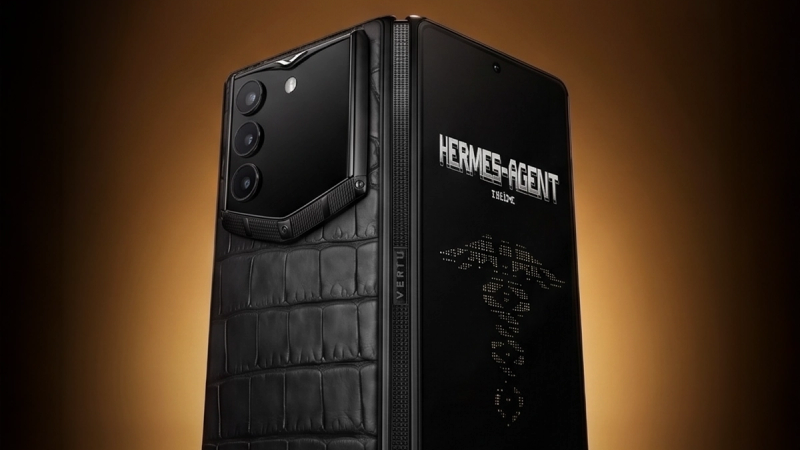
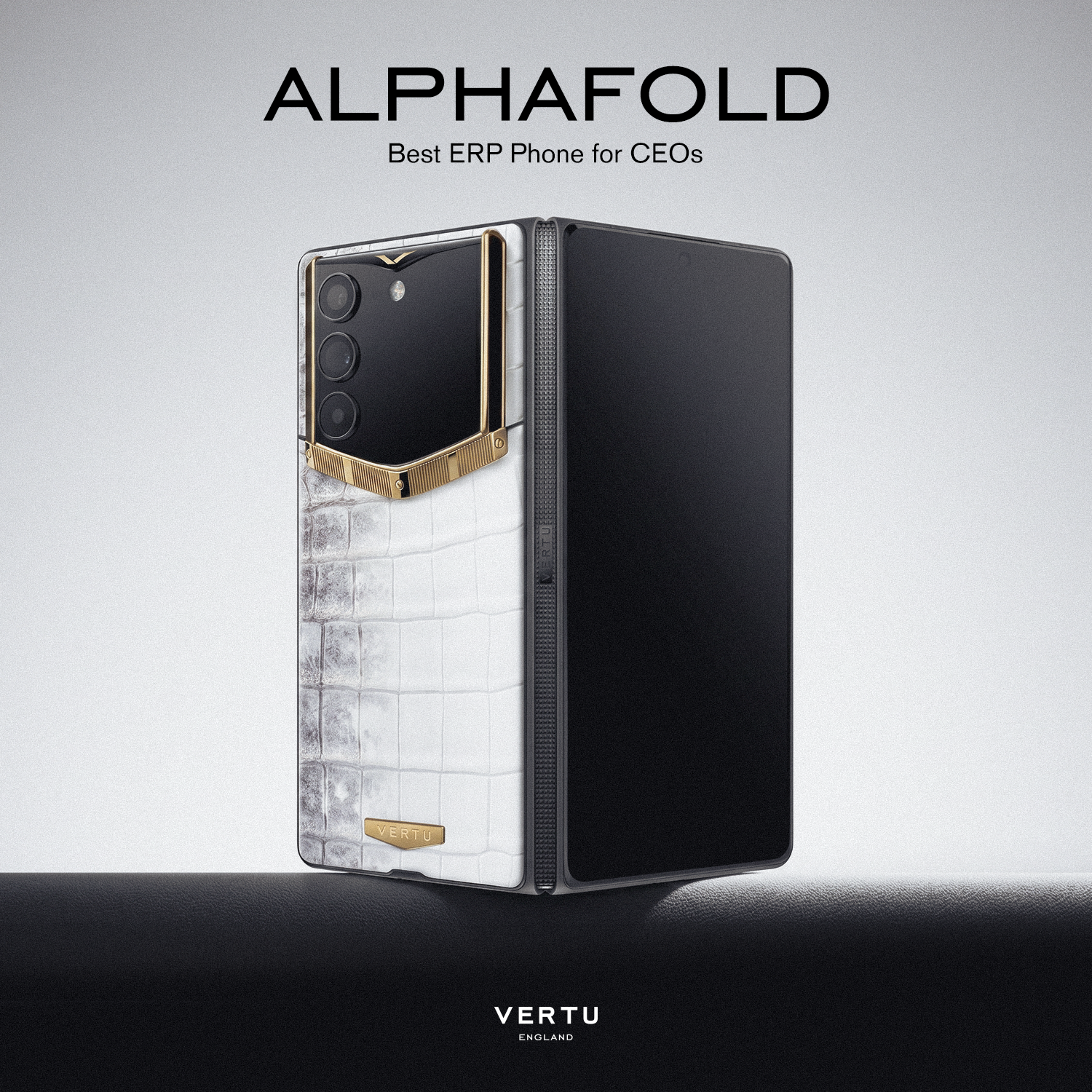
Leather is where custom luxury phone design becomes personal fast.
Different hides change grip, temperature feel, and aging. Stitching can be decorative, or it can be structural. Either way, it’s the part you touch most.
Ask what leather is used, how it is treated, and what “normal” aging looks like.
Ask for a written description of materials, care guidance, and any provenance documentation the brand can provide. If the answers are vague, the luxury is likely skin-deep.
Finishing and ergonomics
A bespoke device should feel intentional from edge to edge:
- Button feelcrisp, predictable actuation matters more than you’d think.
- Edge geometrysharp edges look clean, but can feel punishing over long calls.
- Weight distributiontop-heavy phones fatigue the hand.
- Surface frictionglossy finishes look dramatic, then turn slippery at the wrong moment.
These aren’t “spec sheet” concerns. They’re ownership concerns.
The technology layer: modern features that fit a luxury brief
A custom luxury phone can’t only be beautiful. It also has to behave correctly when the stakes are high.
This section keeps it high-level on purpose. The goal is not to turn a luxury guide into an IT manual. It’s to show what to prioritize.
Privacy and security: start with habits you can control
Even the most premium phone cannot compensate for basic hygiene failures.
Two credible, user-facing checklists are worth reading and applying:
NSA’s Mobile Device Best Practices (2021) for travel-oriented risk reduction.
Harvard’s Best Practices for Your Personal Device for practical day-to-day controls.
A practical way to use them: treat the NSA list as your travel checklist, and Harvard’s as your weekly maintenance routine.
If you do nothing else, do these five:
Keep your OS and key apps updated.
Use a strong screen lock and a second factor where available.
Remove apps you do not use or trust.
Avoid unknown chargers and public networks when you can.
Treat Bluetooth and Wi‑Fi as radios, not defaults.
Key TakeawayA luxury phone is not a talisman. Your security posture is built from settings, habits, and support.
Authentication and identity
Biometrics and multi-factor authentication are not glamour features, but they are often the difference between a minor inconvenience and a serious incident.
For UHNW users, the design question is: can you keep friction low without lowering the bar?
A premium device should make secure behavior easy, not heroic.
Travel resilience
If you travel constantly, “custom” should include resilience:
stability across regions
reliable calling and messaging
rapid support when something breaks
This is where service becomes part of design.
What custom luxury phone design is not
The market mixes very different products under the same search terms. Clearing this up helps you buy more intelligently.
It is not just a designer case
Custom cases can be excellent. They can also be purely cosmetic.
A true custom luxury phone design changes the object itself, not only the outfit.
It is not a limited edition with no client input
Limited editions can be collectible. They are not necessarily custom.
If you cannot influence materials, finishing, engraving, or service configuration, you’re buying scarcity, not personalization.
It is not “luxury” because it uses one expensive ingredient
A single premium material does not automatically create a coherent design.
Luxury is the integration: how the phone looks, feels, wears, and is supported.
A commissioning framework: how to buy custom without getting fooled
If you’re new to the category, treat the purchase like commissioning.
Step 1: Write a two-part brief
Part A: lifestyle and risk
where you travel
what you consider sensitive
what failure looks like for you
Part B: tactile preferences
leather vs metal vs ceramic feel
weight preference
grip preference
engraving or not
This brief prevents you from buying a look that doesn’t match your life.
Step 2: Ask what is truly bespoke
Use a direct question:
What is made-to-order?
What is selected from predefined options?
What can be engraved, and where?
What is the lead time, and what is the aftercare process?
If the answers are not specific, your “custom” is a marketing label.
Step 3: Verify provenance and aftercare
A luxury purchase should come with a clear support story.
Ask about:
authenticity and traceability
warranty and repair process
availability of replacement parts
how materials are cared for over time
This is where serious brands separate themselves.
Pro TipEvaluate aftercare before aesthetics. A beautiful device that can’t be supported is not luxury.
A discreet example: craftsmanship plus modern service
If you want to see how a luxury brand frames customization as both physical craft and an ownership layer, VERTU’s overview of customized VERTU services is a useful reference.
The key idea to take from it is not a specific model. It’s the structure: materials and finishing on one side, and a service layer that’s designed to reduce friction on the other.
For readers interested in the brand’s heritage positioning, VERTU also maintains an editorial explanation of craftsmanship and heritage.
FAQ
Is “custom luxury phone design” the same as “bespoke luxury phones”?
Not always. “Bespoke” should mean commissioned-to-spec. In practice, some brands use it to describe a menu of premium options. Ask what is made-to-order.
How do I know if customization is real, not just marketing?
You should be able to identify three things: what you can specify, what documentation you receive, and what the aftercare process is. If any of those are vague, treat the customization as superficial.
Do luxury materials make a phone more durable?
They can, but it depends on how they’re used. Sapphire and titanium can improve scratch resistance and structural strength in certain designs, but execution matters more than ingredient lists.
What’s the biggest mistake first-time buyers make?
Buying the most visually dramatic configuration without evaluating support, repair pathways, and how the materials will age in daily use.
Should I prioritize privacy features or craftsmanship?
Treat them as complementary. Craftsmanship gives you longevity and satisfaction. Privacy habits and support reduce risk. A premium device should make both easier.
Next steps
If you’re exploring custom luxury phone design for the first time, do two things this week:
Apply the baseline controls in NSA’s Mobile Device Best Practices (2021).
Write your commissioning brief in one page. It will instantly clarify what “custom” should mean for you.
Disclosure: This article references VERTU pages. Editorial judgment remains the priority.