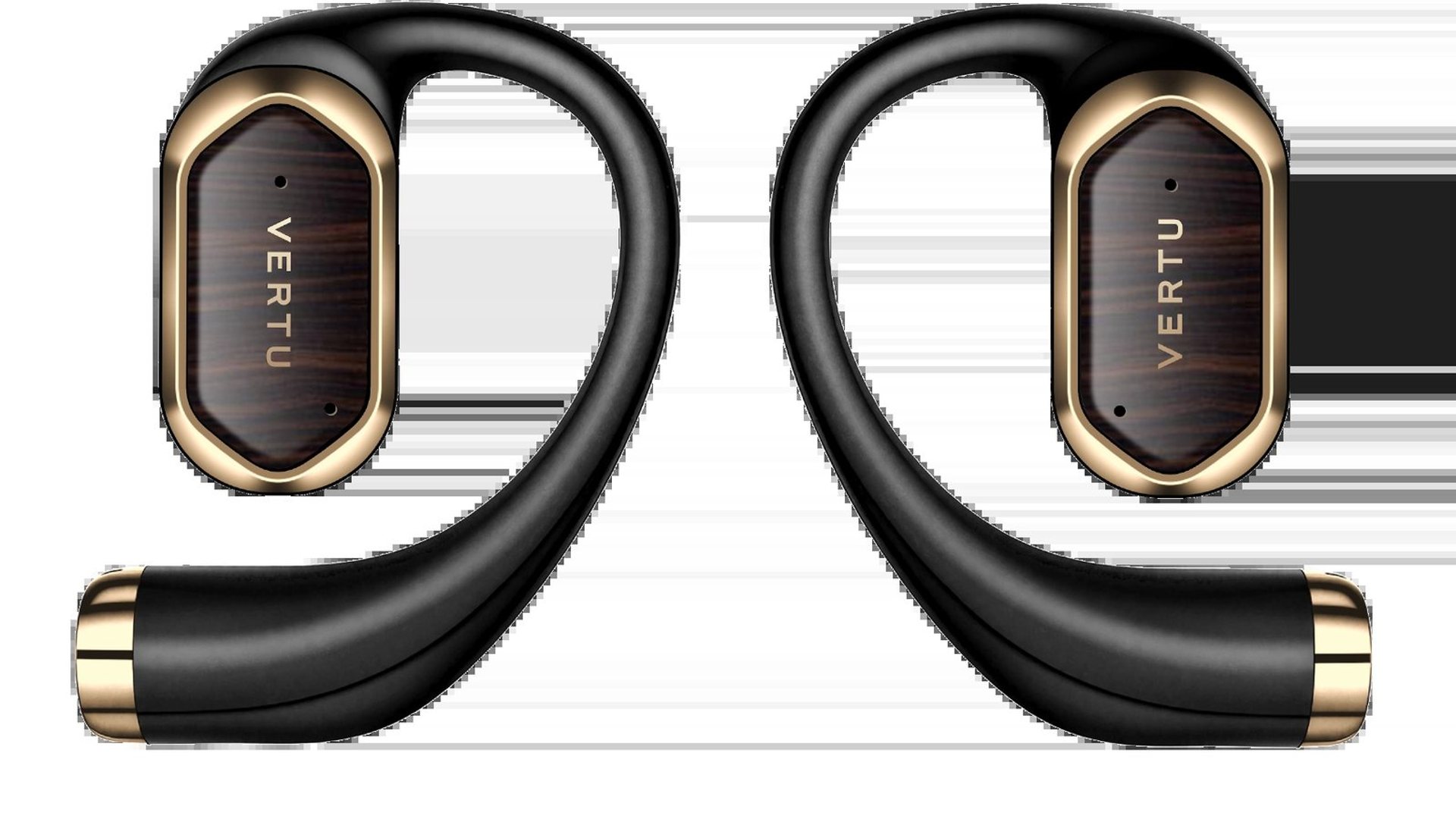
Luxury earbuds are worth considering when their materials, finish and ownership experience matter to you, but the premium is justified only if the pair also fits comfortably and performs well in your daily routine. Start with wearing style, then test sound and calls on your own phone, battery behaviour, controls and support. A beautiful charging case cannot compensate for an unstable fit.
Key Takeaways
- Fit and wearing style determine whether premium earbuds remain useful beyond the first unboxing.
- Test music, calls and controls with your own phone; a driver-size number is not a sound-quality verdict.
- Compare earbud playback and charging-case capacity separately, under the settings you will actually use.
- Inspect finish, hinge, replacement parts, return terms and regional support before paying for presentation.
What makes wireless earbuds “luxury”?
Luxury is a combination of design, material choices, finish, presentation and service, not an audio certification. An earbud may have a distinctive wood, leather or jewellery-led exterior and still need to earn its place as a listening tool. Conversely, a technically competent conventional pair may offer little of the material character or gifting experience a luxury buyer wants. Define which part of the premium matters before comparing price tags.
A useful purchasing test separates five questions: Will the buds stay comfortable? Can you understand speech and music in your normal surroundings? Can a caller hear you? Does the battery fit your day? Can the product be maintained or supported? Materials and styling are a sixth, legitimate dimension, but they should be evaluated alongside those functional questions. This framework prevents a striking image from hiding a weak daily fit.
Which wearing style fits your routine?
In-ear buds use a tip to sit in or seal the ear canal. They can reduce some outside sound through their physical fit, but a tip that presses uncomfortably will make even an expensive model hard to wear. Open-ear designs rest around the ear and leave the canal less obstructed. They may be easier to tolerate during long listening sessions for some people, while admitting more environmental sound and potentially sharing more audio with nearby people. Neither style is universally more luxurious.
Try both sides for at least several ordinary activities: walk across a room, turn your head, speak, smile and put on glasses. If a seller allows it, wear the exact pair for a longer period rather than deciding after a few seconds. Look for pressure on the upper ear, contact with earrings and movement when you bend. A secure fit in a silent showroom does not prove the product will stay comfortable during a commute or a run.
Open-ear buds can be useful when you want to retain awareness of your surroundings, but that does not replace safe attention in traffic. They also are not necessarily bone-conduction products. Check the maker’s description of the actual sound path. If isolation is the priority for a flight or concentrated desk work, compare a sealing in-ear model or an over-ear option under the same conditions rather than assuming an open design can reproduce the same experience.
How should you judge sound without relying on one specification?
Use familiar recordings at a moderate volume. Choose one spoken passage, one track with a clear vocal and one with low and high instruments. Listen for intelligibility, balance and whether you repeatedly turn up the volume to hear detail. Repeat in a quiet room and in a realistic noisy setting if possible. That gives you a decision connected to your own listening habits instead of a vague “audiophile” label.
Driver diameter is a component dimension, not a ranking of completed sound quality. Tuning, fit, enclosure, processing and the recording all affect the result. Likewise, a codec name is useful only when both the phone and earbuds support it and you notice a difference under your intended use. Ask whether equalisation settings survive a change of phone, whether the companion app is available on your operating system, and whether the sound changes noticeably at low volume.
For open-ear models, check leakage at the volume you would actually use. Ask a companion to stand at a normal conversational distance in a quiet room, then repeat in the place where you expect to listen. The result is a personal observation under those conditions, not a laboratory privacy rating. It matters especially when audio includes private calls or when you will sit near others on a train.
What should you test on a phone call?
Make one short call from a quiet room and another from a location with steady background noise, if a trial is permitted. Ask the other person whether your words remain clear and whether the earbuds switch smoothly between listening and speaking. Record the call conditions and compare models using the same phone and contact. A claim about “AI call noise cancellation” is a feature description; it is not proof that your voice will sound better in every street or café.
Test the physical controls during a call. Can you answer, mute and change volume without dislodging the bud? Do accidental touches occur when you adjust your hair or hat? If voice-assistant or translation functions are a buying reason, confirm which phone app, permissions, language set and network connection the exact edition requires. A demonstration in one language or region should not be treated as a guarantee of every workflow elsewhere.
How do battery claims translate into a working day?
Separate the listening time of the buds from the extra charge stored in the case. Marketing sometimes combines both into a single total. Ask which volume, call time, noise-control setting and feature mode were used for the stated figure. A long combined total is less helpful if the buds must be placed in the case during the uninterrupted period when you need them. Check charging time and connector type as well as capacity.
Sketch your actual day: for example, a morning call, music while travelling and another call before charging becomes possible. Then compare the earbud-only claim with that longest continuous span, leaving room for battery ageing and changing settings. This is a planning exercise, not a measured battery forecast. For a gift, ask whether the recipient can charge the case conveniently with the cable and power source they already use.
Which materials and finishing details matter?
Inspect the parts you will touch every day. Check whether a case opens with one hand, whether its hinge has distracting play, whether the buds can be removed without scraping decorative surfaces, and whether the charging contacts stay clean. Look at the fit and alignment of wood, leather, metal or stone elements on the exact product. A visually rich finish can be part of the value, but it may also require different care from a plain plastic case.
Ask the seller what is structural, what is a surface finish and what is decorative. A photograph cannot show whether a material is a solid component or a veneer. Also ask which components can be replaced if an ear tip, charging case or bud is lost. A well-presented box matters for gifting; long-term support matters after the box has been stored away. Neither should be assumed from the word “luxury”.
How do VERTU earbuds fit this comparison?
VERTU’s current earbud collection includes open-wear designs and a calf-leather Bluetooth model. The Phantom Series OWS AI Earbuds page describes natural wood and tempered-glass materials, touch control, USB-C charging and an open-wear form. The CRUSH Series page presents a jewellery-led open-ear design. These are distinct approaches to material expression; their appearance alone cannot decide which will fit your ear or sound best with your phone.
Some current Phantom page sections state different figures for weight, driver size and combined battery life. Rather than selecting whichever number is most attractive, request confirmation of the exact edition’s specification from the seller before relying on a figure in a purchase decision. That is particularly important when comparing an older article, a product-detail panel and a seasonal offer. This article is based on published descriptions and does not claim a hands-on acoustic test.
For the calf-leather model, compare the actual material finish and case handling with the open-wear alternatives. For the CRUSH model, decide whether a more expressive presentation is worth the trade-off in fit and sound isolation for your use. For Phantom, decide whether the open-wear shape and material combination suit your routine. Check current availability and local warranty terms for any chosen variant; the collection page and the exact product page may display different market information.
One documented reference is VERTU’s Phantom Series OWS AI Earbuds: the current US listing shows 8.8 g per earbud and $578 at the 19 November 2026 check. Its battery copy contains conflicting total-runtime figures, so verify the exact edition and current specification before using a single hour claim. No verified latency-in-milliseconds figure was available for this model; test video synchronisation on your own phone rather than filling in an unsupported number.
What is a practical five-minute buying test?
- Pair the exact earbuds with your own phone and confirm both channels work.
- Wear them while walking, speaking and turning your head; note pressure or movement.
- Play a familiar vocal and instrumental passage at a normal volume.
- Make a brief call and ask the other person about voice clarity.
- Test the controls, case hinge and return-to-case charging indication.
Five minutes is a screening exercise, not a durability trial. If comfort is uncertain, ask for a longer try-on or a return policy that permits a meaningful fit decision. Record the phone model, app version and settings so comparisons stay fair. Do not use a loud showroom to judge subtle audio differences or a single perfect call to conclude that microphone performance will always be strong.
What should you check after purchase?
Save the model and edition name, receipt, serial or order reference and the written warranty terms. Learn the maker’s cleaning instructions rather than using a generic liquid on decorative surfaces or charging contacts. Sony’s care guidance for one earbud model shows why secure attachment and drying practices can affect daily performance; follow the instructions for the actual product you own, which may differ.
Check replacement ear tips or accessories while they are still available, and ask whether a lost charging case can be purchased separately. A premium finish makes careful storage worthwhile, but it does not make batteries immune to ageing. Revisit pairing and firmware instructions when changing phones. These small ownership steps are more useful than assuming a high purchase price makes maintenance unnecessary.
Frequently asked questions
Are luxury earbuds automatically better sounding?
No. Materials and presentation can add value, but sound depends on the completed design, fit and your listening conditions. Compare familiar audio on your own phone before deciding.
Are open-ear earbuds the same as noise-cancelling in-ear buds?
No. Open-ear designs leave the canal less obstructed; a sealing in-ear design can offer different isolation. Call-noise processing does not necessarily mean strong isolation for the listener.
Should I choose earbuds by driver size?
No. Driver size describes one component. Fit, tuning, processing and the whole acoustic design determine what you hear. Use a repeatable listening test instead.
What if a product page gives conflicting specifications?
Ask the seller to confirm the exact edition and the figure in writing before purchase. Do not treat an unverified battery, weight or driver claim as settled fact.
Conclusion
The best luxury earbuds for you combine a finish you value with a fit, call experience, sound and ownership path that work in real use. Make the wearing-style decision first, run the same short test across candidates, then verify the exact model’s specifications, warranty and replacement options. A premium design deserves a practical buying decision.