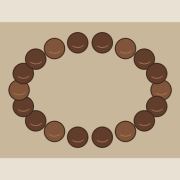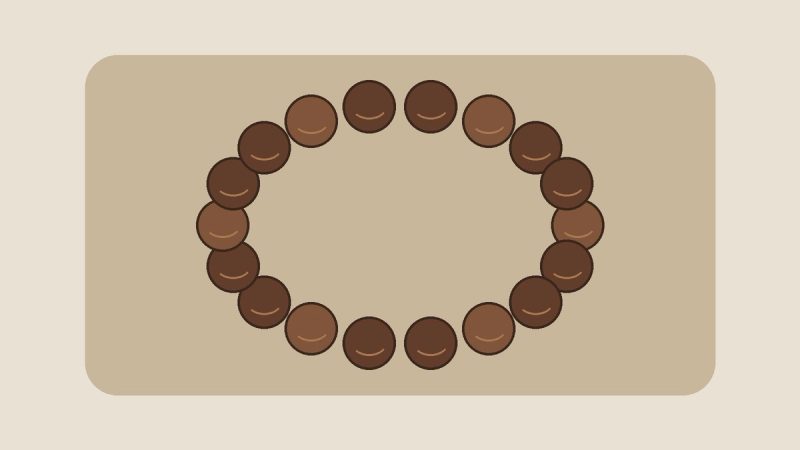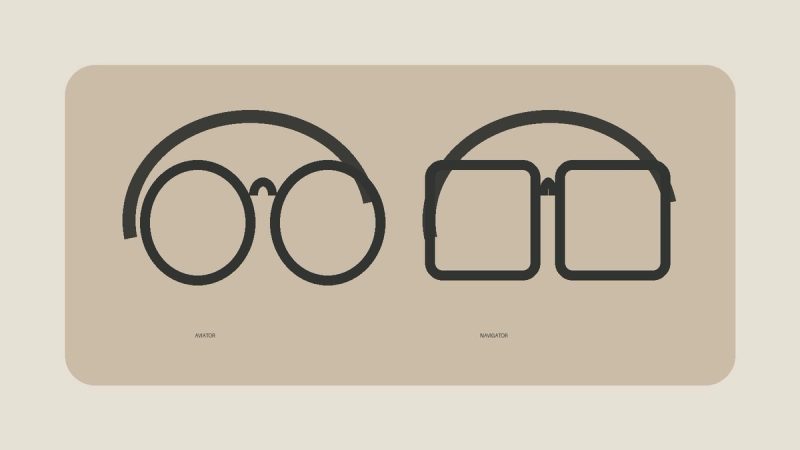
To learn how to stack bracelets with a watch, start with one light bracelet and leave enough room for both pieces to move without repeated hard contact. Match scale before color: a slim watch usually pairs more comfortably with a slim bracelet, while a larger case can visually carry a fuller bead or chain. Test the stack while typing, walking and bending your wrist, then adjust spacing or move a piece to the other arm if it rubs.
Key Takeaways
- Build the stack around the watch, then add one bracelet at a time.
- Separate hard metal, stone or bead edges from a watch case or screen if they repeatedly collide.
- Judge fit during real movement, not only in a stationary wrist photo.
- Use proportion, texture and one shared color detail to make the combination feel intentional.
- Check the exact watch and bracelet care instructions, especially for delicate finishes or smart modules.
Can you wear bracelets next to a watch?
Yes, if the combination remains comfortable and does not create unwanted rubbing or impact. There is no universal rule that bracelets must sit above or below the watch, but their placement changes what touches the case, crystal, strap or skin. Start with a single bracelet on the same wrist. Move your arm through normal tasks and listen for repeated clicks. If the bracelet constantly strikes the watch, add space, choose a softer piece or wear it on the other wrist.
Style photographs often show a tight stack arranged for a moment. Daily wear is different. A watch can slide toward the hand when you type, while a bracelet can shift in the opposite direction. The successful stack is not the one with the largest number of pieces; it is the one that looks coherent and stays pleasant through an ordinary day.
Where should the bracelet sit relative to the watch?
Try the bracelet on the hand side first, then the arm side, and compare how each position feels. On the hand side, it may touch the watch case as the wrist flexes. On the arm side, it may catch on a shirt cuff or sit above a raised watch crown. A soft cord bracelet might be comfortable beside a metal case, while a rigid bangle can create repeated impacts. The best placement depends on the actual shapes and how they move together.
Do not force a bracelet between the watch and hand if it presses the watch into the wrist bone. Likewise, do not push the watch high up the forearm only to make room for more accessories. Both pieces should maintain their normal fit. If a snug watch and loose bracelet collide, changing one size or using opposite wrists may be more effective than rearranging them repeatedly.
How many bracelets should you start with?
One. It gives you a clear baseline for comfort, proportion and potential contact. Wear the pair for a short period and note where the bracelet settles. Add a second only if it contributes a distinct texture or color and the first pairing is comfortable. Three or four pieces can work visually, but each additional edge creates another contact point and can make a sleeve feel crowded.
A useful editing test is to remove one bracelet and see whether the look becomes clearer. If several pieces compete with the watch’s dial, case and strap, the stack may be doing too much. That is a style judgment rather than a rule. The practical limit is reached when the set catches on clothing, distracts during work or needs constant adjustment.
How do you balance watch and bracelet proportions when you stack bracelets?
Compare the visual weight of the watch case and strap with the diameter and thickness of the bracelet. A slim dress watch can be overwhelmed by large beads or a broad cuff. A substantial sports watch may make a delicate chain nearly disappear. Neither pairing is forbidden, but decide whether you want balance or deliberate contrast. Use the wrist and sleeve as part of the composition: a narrow cuff leaves less room than a rolled-up casual shirt.
Do not reduce fit to a single wrist-circumference number. Case diameter, thickness, lug shape and bracelet width all affect the visual impression. Try the pieces from a normal viewing distance rather than examining only a close-up. If a large bead bracelet repeatedly pushes the watch off center, the physical fit is telling you more than the photograph.
Which materials layer most comfortably?
Soft cord, smooth leather and smaller beads can feel gentler beside a watch than a sharp-edged metal chain, but material alone does not guarantee safety. A bead may contain a metal spacer; leather can have a hard clasp; a soft-looking chain may snag on a watch’s crown. Inspect every contact surface. For a valuable or polished watch, you may prefer the bracelet on the opposite wrist to avoid cosmetic wear altogether.
The Gemological Institute of America’s jewelry-care guidance notes that materials and treatments differ in their response to light, heat, chemicals and cleaning. It also warns that softer materials can scratch. Use that as a reason to check the exact components and care instructions rather than assuming all beads or metals can be stacked and cleaned in the same way.
Will bracelets scratch a watch?
They can. Repeated contact between metal, stone, bead spacers and a watch case or bracelet may leave visible marks, depending on the materials and finishes. No simple hardness ranking guarantees the outcome because edges, trapped grit and impact matter. Look for the actual contact path: does the bracelet hit the bezel, crystal, caseback edge or watch bracelet? If contact is frequent, do not treat a thin separator as a guaranteed cure.
For a watch with a high-polish case, decorative crystal or delicate coating, the conservative option is opposite-wrist wear. If you want the same-wrist look, choose a piece with soft surfaces and keep enough space for the watch to sit normally. Remove the stack during activities where the wrist receives shocks or the jewelry can snag. The same approach protects the bracelet’s cord or clasp from being trapped under the watch.
How do you coordinate color without matching everything?
Pick one shared detail: a warm metal tone, a dial accent, a leather color or a bead hue. The rest can contrast in texture. A brown leather strap with brown wood beads is straightforward; a dark strap with a single warm metal spacer can also link the pieces. Exact matching is unnecessary and may look flat. Let the watch remain the anchor if it has a detailed dial or distinctive case.
Consider the wardrobe context. A business cuff may call for one quiet bracelet, while a weekend outfit can carry more texture. A formal watch with a slim chain can look intentional if neither catches the sleeve. A colorful stack next to a highly decorated watch may compete for attention. Try the complete outfit in daylight and under indoor light; finishes can appear different across settings.
What changes with a smartwatch or connected bracelet?
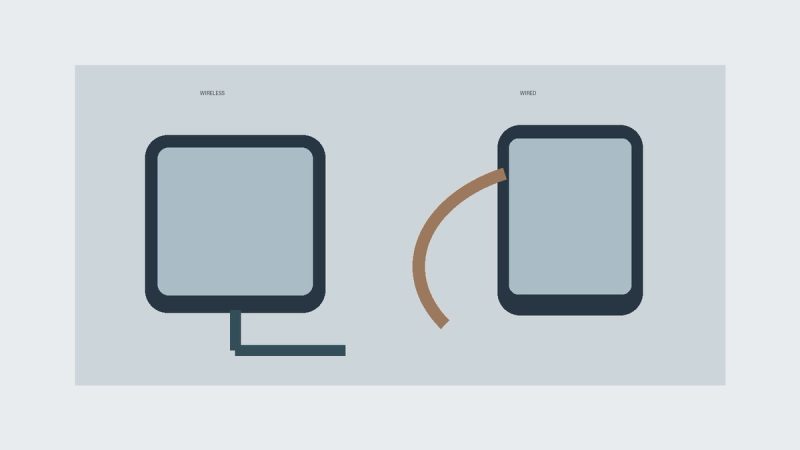
Keep the watch’s sensor area seated as its manufacturer instructs. A bracelet that pushes a smartwatch up and down the wrist can affect comfort and may interfere with how consistently it sits. Do not put a rigid bracelet where it strikes a screen or charging contacts. If the bracelet itself contains a smart module, make sure both devices can be worn and charged conveniently without one pushing the other out of position.
VERTU’s official wearables collection includes watches and smart bracelets, but configurations vary by model. The COR CHAIN product pages describe a bead bracelet with a titanium alloy smart module and app-connected lifestyle trends. Verify the exact watch and bracelet dimensions, materials and care instructions before combining specific editions. This article does not claim that every VERTU pairing has been tested together.
How can you test comfort when you stack bracelets with a watch?
- Fasten the watch at its normal comfortable setting.
- Add one bracelet without forcing either piece to a new position.
- Type for a minute and notice pressure on the desk or wrist bone.
- Walk, lift a bag, bend the wrist and put on a jacket.
- Listen for repeated contact and inspect where surfaces touch.
- Remove or reposition a piece if it catches, presses or slides excessively.
This quick test does not prove long-term wear will be scratch-free, but it reveals obvious mismatch before you commit to a full day. Repeat with the actual sleeve and work setting you expect. If you wear the stack at an event, test it while standing and sitting. A combination that feels good only with the wrist held still is not yet a successful daily stack.
There is no verified case-diameter-to-bracelet-width ratio that predicts comfort across wrists. A 36 mm watch and a 40 mm watch, for example, can wear differently because case length, thickness, strap and wrist curvature also matter; these two numbers are illustrative sizes, not a styling standard. Measure the actual watch and bracelet, then use the movement and contact test below.
Which stack works for which situation?
| Watch and setting | Starting bracelet | Check closely |
|---|---|---|
| Slim dress watch, office cuff | One slim cord or chain | Cuff snagging and case contact |
| Large sports watch, weekend wear | One medium bead bracelet | Bead or spacer impact |
| Polished collector watch | Opposite-wrist bracelet | Preventing cosmetic contact |
| Smartwatch for activity tracking | Soft, low-profile piece if any | Sensor position and screen contact |
| Connected bead bracelet | Keep alongside only if comfortable | Module placement and charging access |
These are starting points, not prescriptions. A broad wrist, a fitted sleeve or a particular clasp can change the result. Judge by the actual wearing test and the value you place on keeping a watch’s finish pristine.
What are common styling and fit mistakes?
The first is choosing pieces from a flat-lay photograph and never wearing them together before an event. The second is stacking hard materials so tightly that they grind or click against one another. The third is using oversized beads to fill an apparent gap while ignoring a sleeve or watch crown. The fourth is tightening the watch to control the bracelet; that can make the watch uncomfortable without solving the actual problem.
Another mistake is assuming a bracelet marketed for a watch automatically fits every watch. Check inner circumference, bead diameter, clasp and the watch’s case height. Finally, do not use a wearable’s data as a reason to tolerate poor physical fit. A connected device that shifts or pinches should be adjusted or worn separately according to its maker’s guidance.
Frequently asked questions
Should the bracelet go above or below the watch?
Try both positions. Choose the one that keeps the watch comfortable, avoids repeated hard contact and works with your sleeve. If neither does, wear the bracelet on the other wrist.
Can I stack a bead bracelet with a metal watch?
Yes, but inspect bead spacers, cord and case contact. A metal spacer or trapped grit can mark a polished watch. Test movement and use opposite wrists if preserving the finish is the priority.
How many bracelets look balanced with a watch?
Start with one and add only if another improves the look without crowding the wrist. Scale and comfort matter more than a fixed count. A highly detailed watch may need no additional piece.
Will a bracelet affect smartwatch tracking?
It may if it pushes the watch away from its intended position. Follow the smartwatch’s fit instructions and keep the sensor area seated properly. Move the bracelet if it makes the watch slide or strike the screen.
What is the simplest reliable formula?
The simplest way to learn how to stack bracelets with a watch is to anchor the look with a properly fitted watch, add one bracelet of compatible scale, and test the pairing in motion. Let comfort and unwanted contact decide the final position. Then use one shared color or material detail to make the result feel considered.