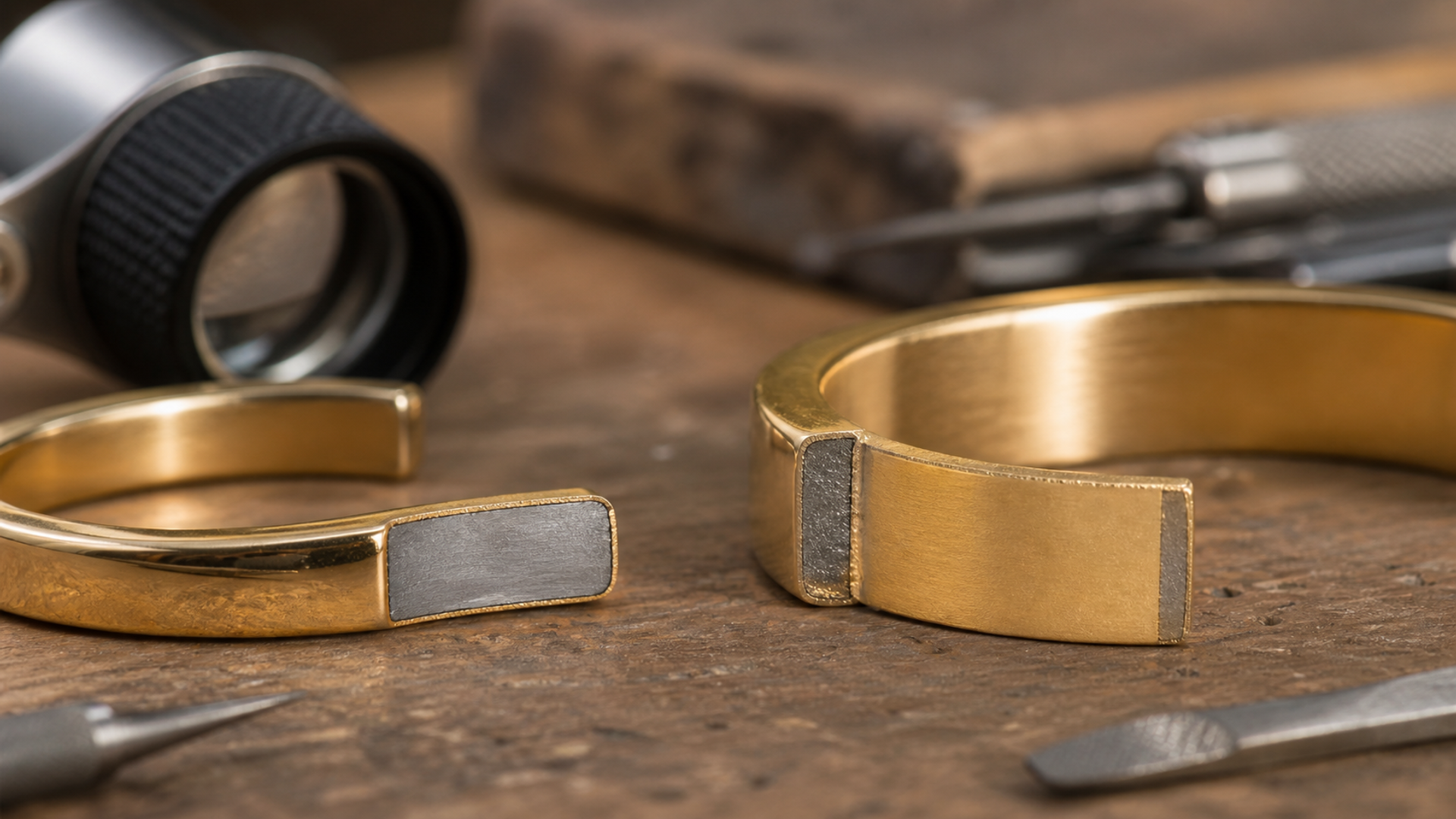
What is gold plated jewellery? On a bracelet, it means a layer of gold covers a different underlying material; it does not mean the whole bracelet is solid gold. The plating's fineness describes that surface layer, while durability depends on how the layer was applied, its thickness, the base material and how the bracelet is worn. Before buying, ask for those details and check the clasp, links and contact points, where wear is most likely to show.
What does “14K gold plated” tell you?
The 14K describes the gold alloy used for the plated surface. It does not make the underlying bracelet 14K solid gold, and it does not tell you the plating thickness. A bracelet can have a steel, silver or other base beneath its gold-coloured exterior. The US Federal Trade Commission's jewellery buying guide explains that plating can be applied through different processes and will eventually wear, depending on how the item is worn and the plating thickness.
That makes “14K” only one part of a useful product description. The seller should also identify the base metal, finish type and any stones or other decorative materials. Ask whether the stated finish applies to every visible metal part or whether the clasp and connector use another material. If the listing only says “gold tone”, do not infer that it contains gold.
How is gold plating different from solid gold, gold filled and vermeil?
| Label | What to establish | Buying implication |
|---|---|---|
| Gold plated | Gold surface over a disclosed base; ask about process and thickness | Surface appearance may change as contact points wear |
| Gold filled or overlay | Mechanically applied gold layer and the required marking | Do not assume it is the same construction as ordinary electroplating |
| Vermeil | Confirm a sterling-silver base and the applicable gold coating | Base and plating need separate verification |
| Solid gold alloy | Confirm fineness, maker marking and construction | Different repair and long-term wear considerations |
The FTC distinguishes these descriptions and cautions buyers to look beyond appearance. Gold filled is not simply a more impressive marketing word for plated. Vermeil has a particular silver-base meaning. An online photograph cannot establish which construction a bracelet has, and a gold colour alone proves nothing about composition.
Where will a plated bracelet show wear first?
Inspect the parts that repeatedly touch skin, desks and clothing: the underside of links, the edges of charms, the clasp and the transition between decorative pieces. A snug bracelet can rub more at the same points; a loose bracelet may strike a watch or hard surface more often. There is no responsible universal number of months a plated bracelet will last. Wear rate varies with finish, contact, care and the individual piece.
A close photograph of the clasp and underside is more informative than a single polished campaign image. If you can inspect the bracelet in person, look for exposed base metal, patchy colour, rough link edges, loose settings and a clasp that does not close positively. Ask the seller how surface damage is handled and whether refinishing is available for this exact model. Replating a mixed-material or electronic bracelet is a specialist decision, not an automatic remedy.
Which questions should you ask before buying?
- What is the base? Ask the seller to name the underlying metal and disclose any other materials that contact skin.
- What does the gold description cover? Confirm whether the clasp, chain, decorative hardware and links share the same finish.
- What is the plating specification? Request any published thickness, method or maker description; do not treat a missing number as a particular value.
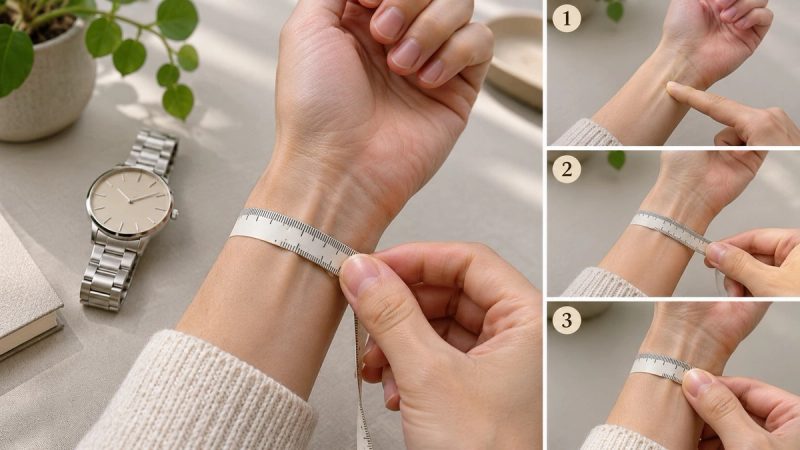
- How does it fit? Check the adjustable range against a measured wrist, then check movement and clasp access while wearing it.
- How should it be cared for? Follow the maker's model-specific instructions, especially when the bracelet includes natural or set materials.
- What happens after visible wear? Obtain the actual service or return terms rather than assuming that a gold finish is covered indefinitely.
How does the VERTU LUMINA AI Bracelet illustrate the label?
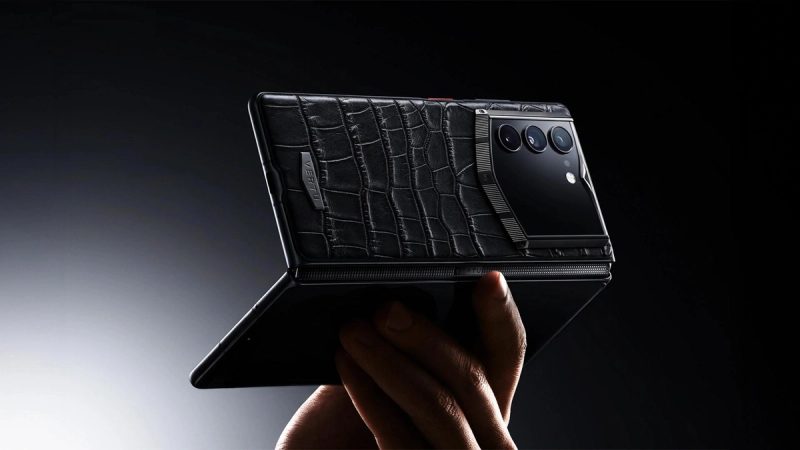
The VERTU LUMINA AI Bracelet listing describes 14K gold-plated stainless steel, natural white mother-of-pearl and zircon, with an adjustable wearing range of 140–200 mm. That is a clear example of why each material should be named separately: the plated metal is one component of an assembled, jewellery-led smart bracelet. The listing does not turn the entire item into solid 14K gold, and natural mother-of-pearl can vary in appearance.
For LUMINA, check the exact SKU and current product page before buying, because finish and availability can vary. The page presents connected wellness references, but those do not change what “gold plated” means. The public description should not be read as permission to immerse the whole bracelet or use ultrasonic cleaning. VERTU's model-specific care guide explains why a cautious routine is appropriate for a piece combining plating, mother-of-pearl and zircon.
How should you care for a plated bracelet?
Reduce avoidable rubbing against hard items and keep cosmetics, perfume and cleaning products away from the finish. Gently wipe the piece after wear with a suitable soft cloth, then store it separately so the surface does not strike another piece of jewellery. Follow the manufacturer's actual care directions for stones, inlays, adhesives and electronics. A method suitable for a plain metal chain may be unsuitable for an assembled smart bracelet.
If you notice colour change, a loose stone, a damaged clasp or a surface reaction, stop experimenting with stronger cleaners. Document the condition and ask the maker or an authorised specialist what is safe for the exact construction. Do not assume polishing restores gold plating: abrasion may remove more of the plated layer.
How thick is gold plating on a bracelet?
There is no single thickness that applies to every product labelled gold plated. As a U.S. consumer reference, the Federal Trade Commission describes “gold electroplate” as a layer of at least 10-karat gold at least 0.175 microns thick, applied electrolytically. “Heavy gold electroplate” uses a substantially thicker layer, at least 2.5 microns under the FTC guidance. These are defined terms in U.S. guidance, not a universal minimum for every market or every plating process.
| Description | Published benchmark | What to ask the seller |
|---|---|---|
| Gold electroplate | At least 0.175 microns of 10K-or-higher gold under FTC guidance | Is the process electroplating, and does the specification apply to the whole piece? |
| Heavy gold electroplate | At least 2.5 microns under FTC guidance | Can you provide the thickness and explain how it was measured? |
| Gold filled / gold overlay | Mechanical application; the FTC marking guidance uses a 1/20 weight threshold for the gold layer | What is the gold karat, and is the stated ratio by weight? |
| Vermeil | Gold over sterling silver; FTC guidance uses a 2.5-micron benchmark | Is the base sterling silver and what coating specification is documented? |
Gold filled is not directly comparable by microns in this table: the FTC’s 1/20 threshold is a proportion by weight, not coating thickness. Definitions and labeling rules vary by jurisdiction. See the FTC consumer guide and its jewelry guidance on vermeil; for a purchase outside the United States, check the local standard and the maker’s specification.
Frequently asked questions
Is gold plated jewellery real gold?
The plated surface uses gold or a gold alloy when the label is accurate, but the whole piece is not solid gold. Confirm the base and finish description with the seller.
Does 14K gold plated mean the bracelet is 14K throughout?
No. The karat designation refers to the plated surface, not the underlying metal. Ask for the base material separately.
Can I wear a plated bracelet every day?
You can assess it for daily wear, but repeated contact increases the opportunity for surface wear. Fit, finish, care and service options matter more than a universal lifetime claim.
Can a plated bracelet be replated?
Sometimes, depending on its construction. Stones, mixed materials, electronics and manufacturer policy may limit that option. Ask before purchasing if future refinishing matters to you.
Gold plated jewellery can be a considered bracelet choice when the base, finish, fit and service terms are clear. Treat its gold surface as a material specification to verify, then choose the bracelet for how it wears and how you intend to care for it.