Key Takeaways
- An exhibition caseback is a transparent rear window that lets you view the movement inside a watch.
- The models below are specific examples; a brand’s other watches may use a solid caseback instead.
- Consider movement finishing, case thickness, water resistance and the watch’s intended use—not visibility alone.
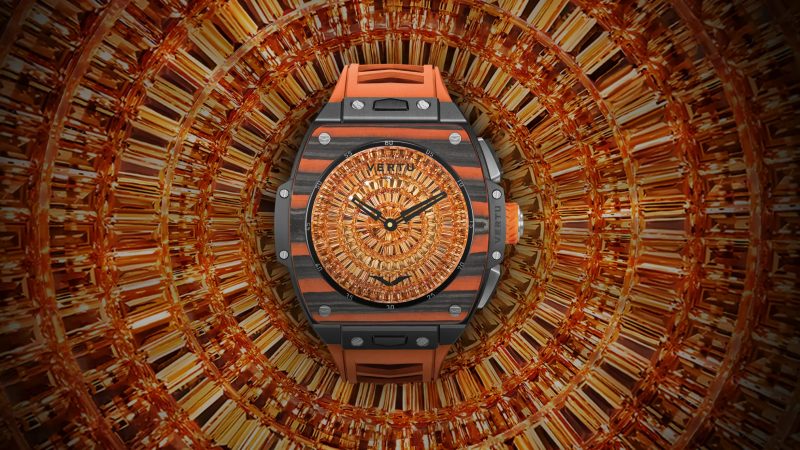
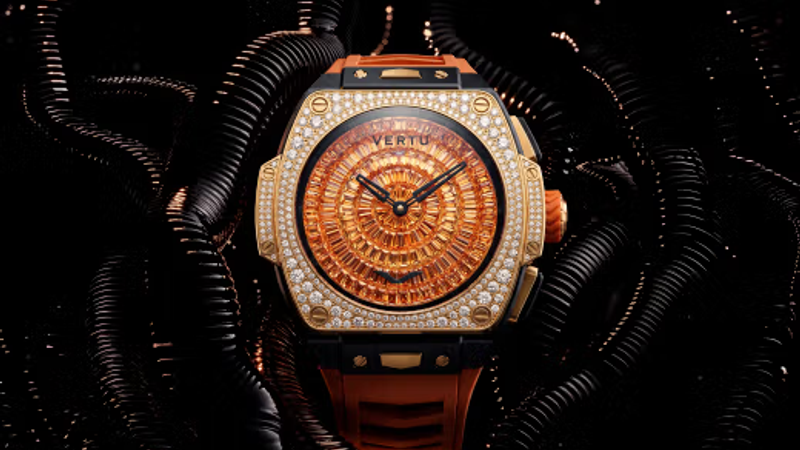
- VERTU Grand Watch is a smartwatch, not a mechanical watch with a movement-revealing exhibition back.
An exhibition caseback lets you see a watch’s movement through its rear window; it does not mean every watch from that brand has a display back. These ten men’s models offer a range of approaches, from hand-wound dress watches to automatic sports watches. For the terminology, Patek Philippe’s horology glossary explains the caseback as the part that may be made of sapphire crystal to reveal the movement. For a separate look at VERTU’s current watch collection, see its official range.
Top 10 Watches with Exhibition Casebacks for Men
1. A. Lange & Söhne Saxonia Thin
The Saxonia Thin pairs a spare two-hand dial with a manually wound movement visible through its sapphire-crystal caseback. Its appeal is as much about proportion as mechanics: a slim profile suits formal dress and slides beneath a shirt cuff, while the movement offers a more intimate view for owners who enjoy winding their watch by hand.
Consider it for: an understated dress watch where movement finishing is part of the experience.
2. Audemars Piguet Royal Oak Selfwinding
The 41 mm Royal Oak Selfwinding, reference 15510ST, combines the collection’s integrated-bracelet design with a sapphire crystal and caseback. Through the back, the wearer can inspect the automatic Calibre 4302. This is a useful choice for someone who wants a recognisable sports-watch silhouette without giving up a view of the movement.
Consider it for: a versatile luxury sports watch with an exhibition back.
3. Patek Philippe Calatrava 6119G
The white-gold Calatrava 6119G brings a traditional dress-watch profile to the list. Its hand-wound movement is visible through a sapphire crystal caseback, complementing the dial’s restrained layout and hobnail-pattern bezel. The manual winding ritual is part of the appeal, though it is less convenient for anyone who prefers a watch that winds itself on the wrist.
Consider it for: formal wear and a daily connection with a manually wound calibre.
4. Vacheron Constantin Overseas Self-Winding
The 41 mm Overseas Self-Winding, reference 4520V, has a transparent sapphire caseback and an automatic movement. Its sports-watch design and 150-metre water-resistance rating distinguish it from the more delicate dress watches here. The exhibition back adds a view of the calibre while the watch remains oriented toward active everyday wear.
Consider it for: a sports model where a display back is one feature among several practical ones.
5. Rolex Perpetual 1908
The Perpetual 1908 is an unusual choice for collectors who associate the brand primarily with closed casebacks. Its transparent sapphire back reveals the automatic Calibre 7140 and its finishing. The 39 mm case and classic dial give it a dressier character than the brand’s better-known tool watches.
Consider it for: a classic design from a maison where transparent casebacks are comparatively uncommon.
6. IWC Portugieser Automatic 40
The Portugieser Automatic 40 presents a clean dial with small seconds, while its see-through sapphire-glass back exposes the automatic movement. The 40 mm case makes it a considered option for someone drawn to the Portugieser’s open, instrument-like dial but looking for a more compact format than larger models in the family.
Consider it for: a legible everyday dress watch with a visible automatic calibre.
7. Jaeger-LeCoultre Master Control Calendar
The stainless-steel Master Control Calendar, reference Q4148120, places a complete calendar and moon phase on the dial. A sapphire crystal caseback reveals the movement, while the model’s calendar indications give the wearer more to explore on the front as well as the back. Its added functions make it a more detailed alternative to a simple time-only dress watch.
Consider it for: a refined calendar watch with mechanical detail on both sides.
8. Breguet Marine 5517
The 40 mm Marine 5517 combines a three-hand display and date with a sapphire caseback that opens onto its automatic mechanism. Its maritime cues and sportier case distinguish it from the brand’s classical dress-watch designs. This makes it a useful option for buyers who want a movement view in a watch intended to feel less formal.
Consider it for: a sport-elegant design with a distinctive rotor visible from the back.
9. Blancpain Fifty Fathoms Bathyscaphe
The ceramic Bathyscaphe reference 5000-0240-O52A offers a transparent sapphire back alongside a 30-bar water-resistance rating. Its diving-watch purpose is a reminder that a display back does not automatically make a watch fragile or formal. Check the exact variant, since case materials and specifications can differ across the Bathyscaphe range.
Consider it for: a technical sports watch where water resistance matters as much as movement visibility.
10. Zenith Chronomaster Original
The 38 mm Chronomaster Original pairs a compact chronograph layout with a sapphire caseback. The visible automatic movement gives the wearer a view of the chronograph architecture, complementing the watch’s time-measuring function. Its smaller case offers an alternative to larger chronographs, though wrist fit should always be judged in person where possible.
Consider it for: a chronograph enthusiast who wants to see the mechanism at work.
What to Look for in an Exhibition Caseback
| Consideration | What to check | Why it matters |
|---|---|---|
| Movement view | Whether the window reveals the calibre or is partly covered | Visibility and movement decoration vary by model |
| Movement type | Manual or automatic winding | Manual watches require winding by the wearer; automatic models wind through wrist motion |
| Caseback material | Sapphire crystal or another transparent material | The material affects clarity and scratch resistance; confirm the specification for the exact reference |
| Intended use | Water resistance, case size and wearing context | A transparent back alone does not establish a watch’s suitability for swimming or sport |
Also check whether a watch is supplied with one caseback or interchangeable solid and sapphire backs. A transparent window is appreciated by many owners, but it is only one part of the case design. The model’s stated water resistance, service needs and comfort should fit how you intend to wear it.
VERTU Tip: A Connected Alternative
The VERTU Grand Watch is a smartwatch, not a mechanical watch with an exhibition caseback revealing a traditional calibre, so it does not qualify for this list. It may suit readers looking for a connected watch with a different design and purpose. See the official VERTU Grand Watch page for its current product details.
Frequently Asked Questions
What is an exhibition caseback?
An exhibition caseback is a transparent window in a watch’s rear cover that allows the wearer to see the movement. It is commonly made from sapphire crystal, but the exact construction depends on the model.
Does an exhibition caseback mean a watch is water-resistant?
No. A display back does not, by itself, determine water resistance. Check the manufacturer’s rating for the exact reference and follow its guidance for swimming or other water exposure.
Do all watches from a brand have exhibition casebacks?
No. Caseback design varies by model and reference, even within one collection. Confirm the specification for the exact watch rather than relying on a brand-wide assumption.
Conclusion
An exhibition caseback can make movement architecture and finishing part of the ownership experience, but the best choice depends on the watch as a whole: its fit, winding style, functions and intended use. The ten models above show how a transparent back can suit both formal watches and sports designs. For more VERTU options in the same product family, browse the VERTU Grand Watch collection.