A phone pouch should solve a specific carrying problem: separating the handset from keys, bag hardware and other abrasive surfaces while remaining easy to use. Start with fit for the exact phone, then inspect lining, seams, closure and access. A handsome leather exterior is not enough if the device is squeezed, scratched on entry or difficult to retrieve. A slip pouch is also not a guarantee against a fall.
What is a phone pouch meant to protect?
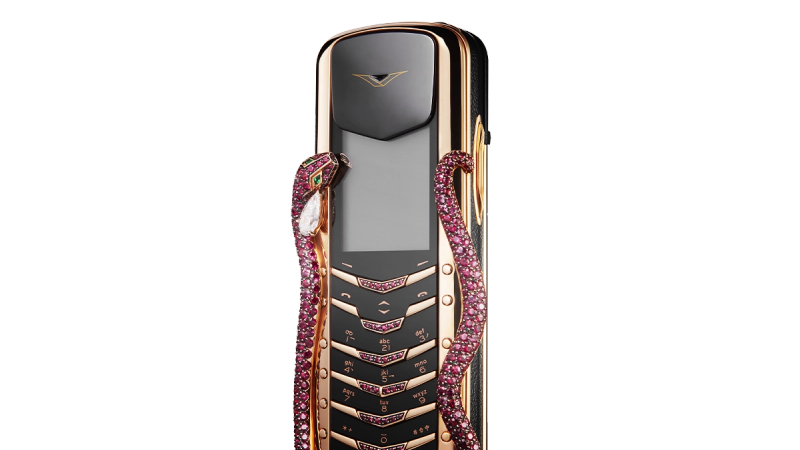
A slip pouch creates a barrier while the handset is inside it. That can reduce everyday contact marks in a pocket, briefcase or bag. It is especially relevant when the phone itself has a decorative finish that the owner wants to leave visible during use. Once the phone is removed, the pouch supplies no protection. A fitted shell case is a different accessory because it remains attached during calls, photography and typing.
Be precise about the risk you want to address. Scratches from a bag interior, fingerprints, dust, rain and drops are not the same problem. A soft lining may help with contact scuffs while doing little for impact. An enclosed pouch can be inconvenient when the phone is repeatedly needed. Choose for the dominant risk in your day, not for a generic “protective” claim without model-specific testing.
How exact does the fit need to be?
Very exact. Phones with similar screen sizes may have different overall widths, camera projections, button positions or trim. A narrow pouch can drag across raised details at every insertion; a loose one can allow the phone to shift and hit a hard closure. Ask for the accessory's compatible model and version, and confirm whether a screen protector or attached case changes the fit.
A useful test is slow insertion over a soft surface. The handset should slide without force, sit securely and come out under controlled pressure. Do not press a valuable phone into a sleeve that feels tight simply because the seller says the leather will stretch. Stretching may be uneven and may not solve a hard seam or metal edge. If the fit is wrong on day one, choose a different accessory.
What should you inspect inside the pouch?
Turn attention to the lining, not only the exterior. Run a clean fingertip along seams and the entry edge. Look for exposed stitching, stiff piping, rough reinforcement, loose particles or zip teeth that can touch the phone. A soft-looking fabric can trap grit from a bag, so inspect and clear it periodically according to the maker's care instructions.
Ask whether the lining has been tested for colour transfer against the phone's finish, especially if the handset has light leather, polished metal or a delicate coating. Do not assume any two materials can remain in contact without marking each other. A smooth lining is a starting point, not proof that it cannot abrade. The right accessory should separate the phone from hazards without adding a new source of friction.
Which closure is easiest to live with?
An open slip design offers quick access, but may allow the handset to fall out if the pouch is inverted. A flap, zipper, magnetic closure or drawstring changes retention and retrieval. Test the position of every hard component relative to the phone's screen, camera and trim. A magnetic snap can be convenient, yet a raised fastener pressing against the device can create a local contact point.
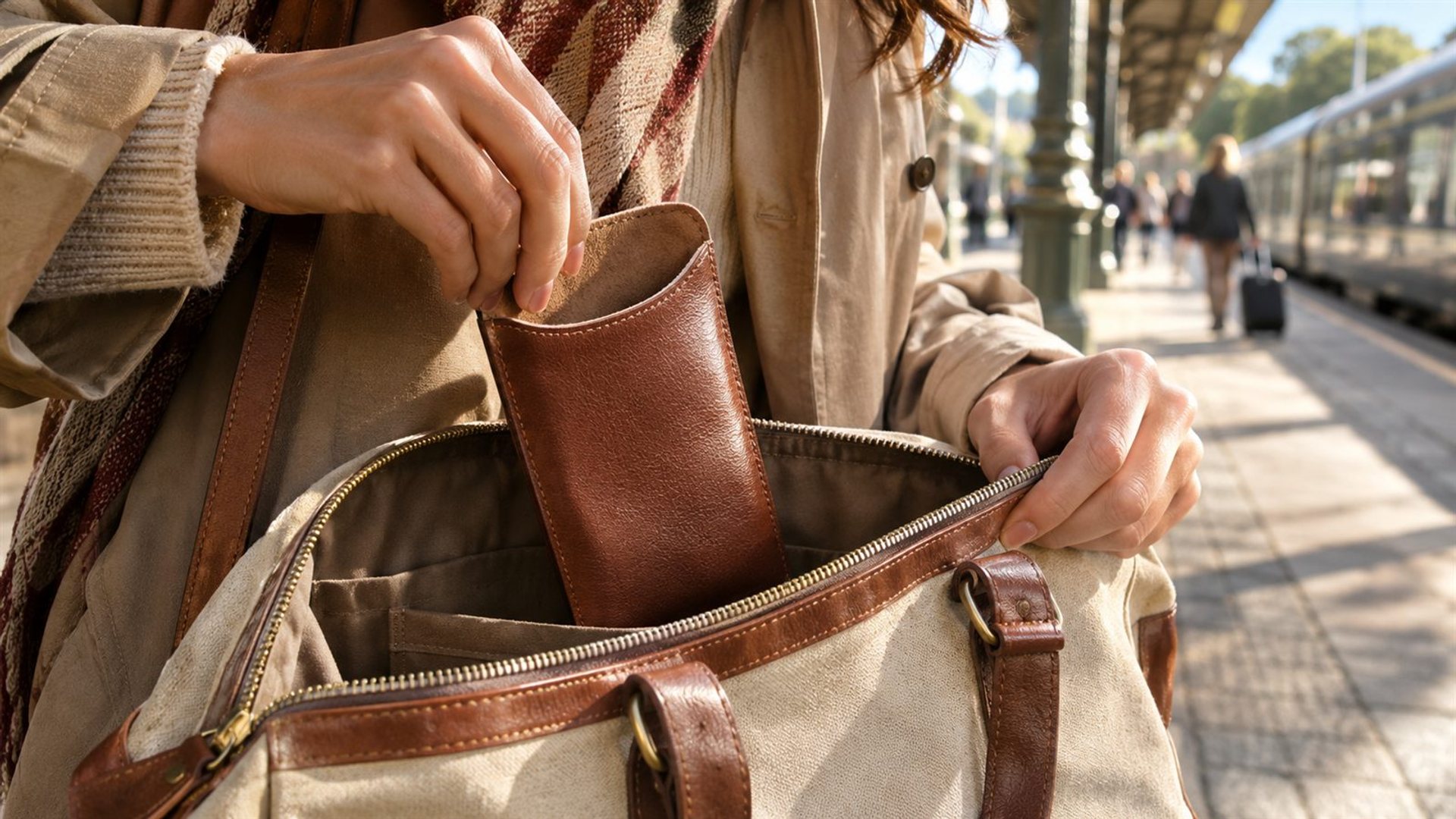
Think about how you actually reach for the phone. Can you remove it with a controlled grip while standing? Will a closure snag a cuff or require two hands? Can the pouch be put back into a bag without leaving the flap open? A design that is secure only when handled slowly at a desk may be wrong for frequent travel or walking between meetings.
Does leather require different care?
Yes, though care varies by leather and finish. The Canadian Conservation Institute explains leather's sensitivity to humidity and handling in collections. That material context is useful but not a cleaning prescription for a specific pouch. Hermès leather guidance addresses its own products and likewise cautions about water, heat and unsuitable treatments.
For a VERTU accessory, follow VERTU's current instructions. Do not apply an all-purpose conditioner, alcohol wipe or oil because it worked on a shoe or bag. An improvised product may alter colour or finish and can leave residue that transfers to the phone. If the pouch becomes damp, remove the handset and ask the accessory maker how to dry and care for the material. Avoid prolonged enclosure of a wet or unusually warm device.
How do VERTU slip cases illustrate model fit?
The official VERTU Agent Q Slip Calf Leather Phone Case page describes a calf-leather slip-in design made for the Agent Q series. It is a useful example of a model-specific pouch-like case. That page does not establish compatibility with every VERTU phone or every additional bumper or screen accessory. Confirm your precise Agent Q version and any added protection before buying.
VERTU separately lists an iVERTU and METAVERTU calf-leather slip case. Similar materials and appearance do not make the two products interchangeable. The relevant decision is handset geometry and the maker's compatibility statement, not whether both names include “leather” or “slip”. Ask VERTU which accessory matches the phone in your hand and what care applies to that finish.
Is a pouch enough for travel?
It can help organise a phone in a bag, but it should not be mistaken for a waterproof or drop-rated enclosure unless the maker provides such evidence. A pouch can still be compressed beneath luggage or knocked against a rigid object. Place it where it will not be crushed and keep other metal items in a different compartment. The location within the bag may matter as much as the pouch itself.
Consider access at airports, trains and meetings. If the phone repeatedly comes out for tickets or messages, a secure yet easy opening becomes important. A very deep sleeve may tempt you to shake the handset out, which introduces a different drop risk. Practice retrieval over a safe surface before using the pouch on a busy day.
What about heat and charging?
Do not use a closed leather pouch as a place to charge a phone unless the phone and accessory makers explicitly permit it. Charging produces heat, and an enclosure may limit heat dissipation. Keep cables and connectors clear of leather surfaces if using the phone nearby. After navigation or another heavy task, let a warm phone return to a suitable temperature before putting it away for a long period.
Conditions also matter when moving from rain or cold into a warm indoor space. Check for moisture on the phone and inside the pouch. A leather exterior does not make the interior dry. If there is condensation, separate the items and follow their respective care guidance. Protecting the finish should not create a damp micro-environment around the device.
How can you compare two candidates?
Ask each seller for exact model compatibility, inside dimensions, lining material, closure details, weight, care instructions and return terms. Inspect real photographs of the interior and opening. Try both under the same conditions: insert and remove the phone, turn the pouch upside down carefully over a soft surface, and look for pressure on raised phone details. Keep the test gentle; an accessory need not be stress-tested on the handset itself.
Choose the one that balances protection with daily use. If one has a richer exterior but a scratchy opening, the simpler alternative may be the better purchase. If both fit poorly, do not choose the least bad option. A model-specific accessory should make carrying calmer, not require constant vigilance to avoid new marks.
Frequently asked questions
Can one phone pouch fit several phone models?
Possibly, but only if dimensions and protrusions genuinely allow it. Verify each exact phone rather than trusting a shared screen size.
Will a leather pouch prevent a cracked screen?
No guarantee follows from leather or a soft lining. A fall or compression can still damage the phone; seek specific impact testing if that is the priority.
Should the phone be hard to pull out?
No. A secure fit should still allow controlled removal without dragging across trim or forcing the device.
Can I clean the pouch with a household leather product?
Only if the accessory maker approves it. Different finishes respond differently, and residue may transfer to the phone.
Conclusion
Choose a phone pouch by exact-model fit, smooth interior contact, secure closure and easy access. Treat abrasion reduction, drop protection and leather care as separate questions. For an Agent Q owner, the VERTU Agent Q Slip Calf Leather Phone Case is a model-specific starting point, provided the current configuration and your carrying routine match its intended use.