Key Takeaways
- Moissanite is silicon carbide; diamond is carbon. A laboratory-grown diamond is still diamond.
- Moissanite usually shows more rainbow-coloured fire, while cut and lighting strongly affect how either stone appears.
- Diamond is harder on the Mohs scale, but the ring setting and possible impacts matter to daily wear.
- Ask for the exact stone identity and documentation before comparing prices or relying on a tester.
Moissanite and diamond can both be brilliant ring stones, but they are different materials. Moissanite is silicon carbide, while diamond is carbon; a laboratory-grown diamond shares diamond's essential properties and is a separate choice from moissanite. For a useful comparison, look at the stone in ordinary light, consider how the complete ring will be worn, and check exactly what the seller is offering. The VERTU guides collection provides further buying and care context for personal accessories.
What is the difference between moissanite and diamond?
The key distinction is identity. Gem-quality moissanite sold for jewellery is generally laboratory-created silicon carbide. A diamond, whether mined or laboratory-grown, consists of carbon arranged in the diamond crystal structure. The Gemological Institute of America distinguishes diamond simulants such as moissanite from laboratory-grown diamonds: a simulant resembles diamond visually but does not share its composition and full set of properties.
That distinction prevents a common shopping error. “Lab-grown” describes an origin; it does not make every laboratory-created gemstone a diamond. A lab-grown diamond and a mined diamond differ in how they formed. Moissanite is another gemstone. Read a product listing for the named material before interpreting its carat weight, grading language or price. A ring photographed at a flattering angle does not reveal the stone's identity.
Which stone looks brighter?
There is no single winner for every eye or every light source. Both can return white light and coloured flashes. Moissanite is known for pronounced dispersion, the splitting of light into spectral colours, often described as “fire”. GIA's imitation-gem guide describes moissanite as having more than twice diamond's fire and notes that its effect can be especially obvious in larger stones. Some buyers enjoy the lively colour; others prefer a quieter appearance.
Compare actual stones rather than relying on heavily edited photographs. View them under daylight, warm indoor light and a typical shop light if possible. Keep the shape and approximate face-up size comparable, since cut design and size can change the impression. Rotate the ring and look at the whole piece, not only isolated flashes. A low-quality diamond cut can look less lively than a well-cut alternative; a highly dispersive stone can look busier than a buyer expected from a studio image.
GIA also notes that moissanite is doubly refractive, which can make rear facet junctions appear doubled under suitable magnification. This is a gemological clue, not a reliable home identification test for every mounted ring. Do not decide authenticity from one photograph or from a claim that the stone “sparkles like a diamond”.
How do they compare for daily wear?
Diamond is rated 10 on the Mohs scale; moissanite is around 9.25. This scale concerns resistance to scratching, not a promise that either stone or its setting will survive every impact. Moissanite is hard enough to be a practical jewellery stone, while diamond offers the highest scratch resistance among common gemstones. Both still deserve sensible care when worn against hard surfaces, during exercise or while doing work that could catch a prong.
A ring's long-term condition depends on more than the centre stone. Inspect the setting style, metal, prongs and the way the stone sits above the finger. A high, exposed setting can snag or receive a blow regardless of whether it holds moissanite or diamond. Ask the jeweller how the ring should be cleaned and when its setting should be inspected. Scratches to a metal band, loosened stones and damaged prongs are separate issues from the gemstone's Mohs number.
Think about your actual routine. Someone who removes a ring for manual work may value a particular visual effect most. Someone who rarely takes it off should give more attention to setting security, comfort and repair access. A numerical hardness advantage does not answer every ownership question.
Does moissanite cost less than diamond?
Many moissanite offers are priced below comparable diamond offers, but a fixed price ratio would be misleading. Price depends on the individual stone's size, cut, quality and seller, as well as the ring's metal, workmanship and services. Natural and laboratory-grown diamond prices also differ across listings and change over time. Compare complete quotes for similar finished rings rather than dividing one headline price by another.
Ask what the quoted amount includes: the stone, setting, sizing, documentation, shipping, returns and any after-sales work. Consider resale claims separately from your reasons to wear the ring. A seller's forecast of appreciation is not a substitute for the disclosed material and a purchase price you are comfortable with. If the ring is a gift, clear returns and resizing terms may matter more than a small difference in the centre stone's apparent size.
What should a buyer verify?
Start with the exact words used to describe the stone. In US consumer guidance, the Federal Trade Commission explains why jewellery descriptions should make the nature of simulated and laboratory-created stones clear. Ask the seller to put the material and, for diamond, the mined or laboratory-grown origin on the invoice. Do not accept “diamond-like” or a brand name as a substitute for this basic identification.
- Confirm identity. Is the stone moissanite, mined diamond or laboratory-grown diamond? Ask whether other accent stones use the same material.
- Read the available report. Check which stone a grading or identification document actually covers and whether the measurements and identifying details match the item.
- Compare the full ring. Review setting, metal, workmanship, size and after-sales terms alongside the centre stone.
- Inspect in realistic light. View colour, fire and proportions in more than one setting when possible.
- Check the return route. Make sure an independent gemological examination is possible within the applicable return period if the identity matters to your decision.
Do not rely on an older thermal diamond tester as the sole proof. The FTC notes that instruments designed to distinguish diamond from cubic zirconia may misidentify moissanite. For an expensive or disputed item, ask a qualified gemologist to use appropriate methods and explain the result. A laser inscription or seller certificate should also be checked against the actual stone rather than accepted at face value.
How should you choose?
Choose moissanite if you specifically like its colourful light display and are happy to buy silicon carbide as its own material. Choose diamond if diamond's identity, appearance or scratch resistance is central to the purchase. If you want a diamond but are open about origin, compare mined and laboratory-grown diamonds as a second, separate decision. This order keeps material, origin and visual preference from being mixed into one vague idea of “realness”.
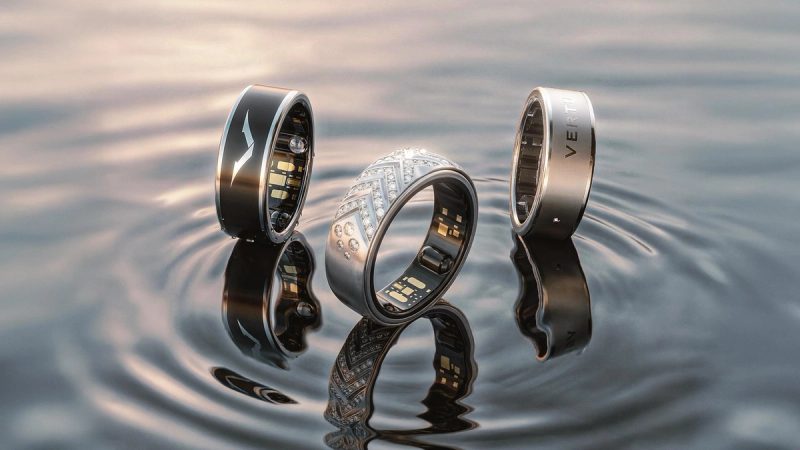
For VERTU readers, the same discipline applies when considering any jewellery or wearable: verify the exact product and materials from the current official listing. The selected VERTU AI Diamond Ring was not used as a gemstone example here because its specific construction was not confirmed in the current read-only product knowledge base. No claim about that ring's stone type should be inferred from its name. Explore the current VERTU ring collection for individually documented products, and check each product page before drawing a comparison.
Frequently Asked Questions
Is moissanite a diamond?
No. Moissanite is silicon carbide; diamond is carbon. Laboratory-grown diamond is diamond with a different origin, while moissanite is a different gemstone that can resemble it.
Which stone has more rainbow fire?
Moissanite generally shows stronger coloured fire. The visible result still depends on cut, size and lighting, so compare actual stones rather than relying on a studio image.
Is moissanite durable enough for a daily ring?
Moissanite is a hard, practical jewellery stone, rated around 9.25 on the Mohs scale. A secure setting and appropriate wear matter as well; hardness does not prevent every chip or impact injury.
Can a simple diamond tester identify moissanite?
Not always. The FTC warns that some thermal testers may register moissanite as diamond. Seek suitable gemological identification when the answer affects a significant purchase.
What paperwork should I request?
Ask for a written description of the stone's material, diamond origin where relevant, any applicable report, the ring's metal and the return terms. Match the documents to the actual item.
Conclusion
The useful question is not which stone wins in the abstract, but which verified material and visual character you want to own. Compare moissanite and diamond in real light, account for the whole ring's durability and service, then buy only when the description and documentation are clear. For more material-led buying decisions, explore the VERTU buying guides and apply the same habit of checking the exact configuration rather than a product name alone.