Luxury travel planning rarely fails because you lacked information. It fails because the information is scattered across too many places, and the decisions are too time-sensitive to tolerate friction.
A modern AI travel assistant for luxury travel (or an AI trip planner for luxury travel, if you prefer the term) should do more than draft an itinerary. It should behave like a quiet operator: interpret your preferences, surface options worth your attention, and keep every step subject to your approval.
What an AI travel assistant for luxury travel must do (and what it must not do)
If you want a simple definition anchored to credible market signals, Google’s 2025 travel planning update is a useful reference point: it describes bringing together real-time flight and hotel information with map context, and moving from planning into booking flows with partner links (see Google’s “New ways to plan travel with AI in Search” (2025)).
In other words: an AI travel assistant for luxury travel should reduce tabs, reduce repetition, and increase confidence at the moment you approve the plan.
Most travel AI tools can produce a “nice” plan. Fewer can produce a plan you can actually act on.
Here’s a practical standard for a luxury travel assistant.
1) Flights: shortlist the right options, then wait for your confirmation
A luxury workflow starts with constraints, not enthusiasm.
A serious AI travel assistant should:
filter by your non-negotiables (departure window, preferred cabins, airline alliances, minimum connection time)
present tradeoffs clearly (time vs. routing vs. cost vs. loyalty)
keep the final step gated: you confirm before anything is booked or held
Google’s 2025 update on AI trip planning describes how travel planning can bring together real-time information across flights and hotels, and how agentic experiences can help move from planning into bookings with partner links, with a “ready to refine, then book” flow rather than blind automation.
Key TakeawayIn luxury travel, automation is not the point. Control is.
2) Hotels: curate by taste, not just star rating
Luxury travelers don’t want “top 10 hotels in Geneva.” They want two or three options that match their style, their pace, and the reason for the trip.
A luxury-grade AI travel assistant should learn patterns like:
you prefer quiet floors and fast check-in
you’d rather be five minutes closer to a meeting than ten minutes closer to shopping
you value reliable late check-out more than novelty
It should also explain why a property is recommended, in plain language, using your preferences as the logic.
3) Routes and itinerary: build a schedule you can keep
An itinerary isn’t a list of places. It’s a schedule with constraints: time, distance, fatigue, and context.
Think of this as travel itinerary planner AI that respects reality, not a chatty set of suggestions.
Your travel assistant should be able to:
build a realistic day-by-day plan
re-order stops to reduce backtracking
keep buffers where they matter (airport transfers, early meetings, weather)
output a clean version you can share with your PA, driver, or concierge
4) Chauffeur and transfers: treat the car as part of the itinerary, not an afterthought
Ground transport is where premium trips often lose time.
A capable AI travel assistant should support chauffeur planning as a first-class element:
pickup windows aligned to flight arrival and baggage time
vehicle type preferences (quiet cabin, privacy glass, extra luggage capacity)
“plan B” routing for traffic, security lines, or schedule changes
This is also where hybrid execution is valuable: the assistant can prepare the request, and a human team can execute it with local reliability and discretion.
If you use a concierge layer, link it directly to the workflow, not to a generic marketing promise. For VERTU owners, that connection is explicit through VERTU Concierge Service.
5) Maps: show the trip spatially, not just verbally
Luxury planning is visual. You want to see where things are.
Map context is increasingly part of AI-assisted planning. Google describes combining planning with Google Maps details like photos and reviews as part of its travel planning experience.
Pro TipKeep the map visible while you approve the itinerary. A split-screen view reduces the “looks good on paper” mistake.
A luxury travel assistant should:
cluster your saved places by neighborhood
highlight what’s “too far to be worth it” on a tight schedule
let you keep a private map for your trip, not a public scrapbook
6) Preference memory: remember what stays true, ask what changes
The difference between an ordinary assistant and a luxury-grade one is memory.
A well-designed preference system remembers durable truths, for example:
airline and cabin preferences
hotel style (classic, modern, quiet, residential)
room requirements (connecting rooms, allergy sensitivity, high-floor)
dining preferences and constraints
your default pace and sleep rhythm
And it asks about what changes:
purpose of this trip
who you’re traveling with
whether the trip tolerates risk (tight meetings vs. leisure)
Collector’s note: Preference memory isn’t “creepy personalization.” It’s fewer repeated conversations.
A realistic demo: Hermes Agent prepares options for Geneva tomorrow morning
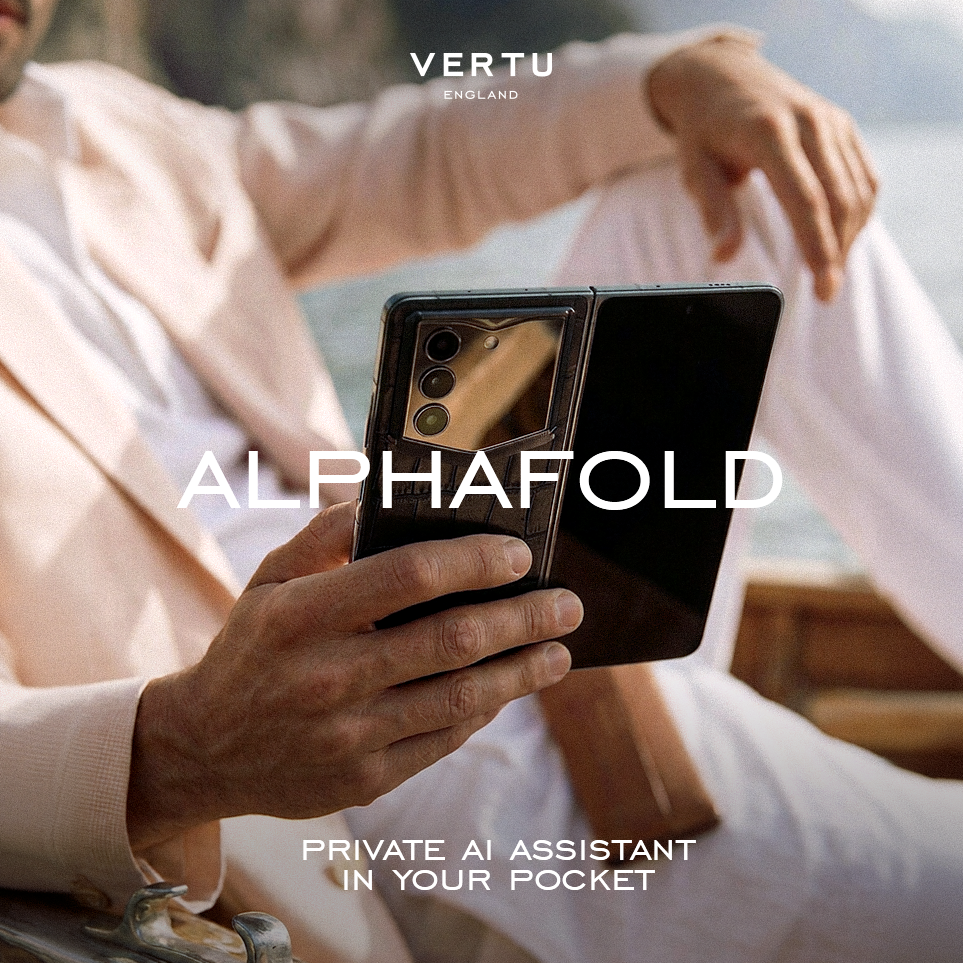
Below is how a luxury foldable phone changes the experience: you can compare lists side by side, keep maps visible, and approve the final itinerary without losing context.
Scenario:
Departure: London (LHR)
Destination: Geneva (GVA)
Time: tomorrow 08:00 UK time
Step 1: You set the constraints once
You tell Hermes Agent:
“London LHR to Geneva tomorrow morning, depart around 08:00 UK time.”
“Cabin: business.”
“Minimize tight connections.”
“Hotel: quiet, discreet, close to central Geneva.”
“Ground: chauffeur pickup on arrival.”
Hermes Agent replies with a structured plan:
3 flight options (best overall, fastest, most reliable connection)
3 hotel options (by location + style)
a draft itinerary with meeting-friendly buffers
a chauffeur request draft (pickup window + luggage + route)
Step 2: Flights (prepared options, nothing executed)
Hermes Agent presents:
Option A: best balance of departure time and routing
Option B: fastest arrival
Option C: most resilient schedule (extra buffer)
Then it asks one clean confirmation question:
“Which flight option should I lock as the primary plan, and should I keep one backup?”
Step 3: Hotels (shortlist with reasons)
Hermes Agent shortlists hotels with a sentence of rationale each:
“Quiet profile, reliable service, short transfer.”
“More central, better for walkability, slightly livelier.”
“Highest privacy, larger rooms, longer transfer.”
Then it asks:
“Do you want a discreet business base, or a more central location for flexibility?”
Step 4: Route, chauffeur, and map view
On a foldable screen, you can keep:
a map view open on one side (airport, hotel, meeting points)
your itinerary and transfer timeline on the other
Hermes Agent prepares the chauffeur request and proposes pickup timing.
If you prefer a concierge execution layer, that’s the moment to hand off a clean brief. A good concierge doesn’t need a long explanation, just a precise request. VERTU has published a practical overview of what this type of support can include in its guide to luxury concierge services and what to expect.
Step 5: Preference memory for next time
After you confirm:
the assistant saves your “Geneva standard” (airport preference, hotel style, transfer behavior)
next time you say “Geneva tomorrow morning,” it starts from your baseline and asks only what changed
This is where AI and human expertise fit together. Luxury travel providers increasingly describe AI as an augmentation layer, not a replacement for human judgment and discretion (see PhocusWire’s 2026 view on AI in luxury travel).
Why a luxury foldable phone is a natural home for this workflow
A travel assistant fails when you can’t see the whole picture.
A foldable form factor supports the decision moments that matter:
compare flights and hotels side by side
keep the map visible while editing the itinerary
approve a plan without losing the underlying constraints
For a brand like VERTU, the value is not a louder assistant. It’s a more discreet one: an experience that lets you move quickly while keeping approval and privacy front and center.
One video worth watching on travel planning workflows
If the video embed doesn’t load in your reader, you can open it directly on YouTube: “10 Travel Apps I Actually Use to Plan Trips” (YouTube).
FAQ
Does an AI travel assistant replace a human concierge?
No. For luxury travel, the better model is hybrid: the AI prepares options and briefs, and a human concierge executes the parts that demand relationships, discretion, and local certainty. PhocusWire’s 2026 reporting makes the same point: AI should enhance human expertise, not replace it (see PhocusWire’s 2026 view on AI in luxury travel).
Can an AI travel assistant book flights and hotels on its own?
Some platforms are moving toward agentic booking flows with partner integrations, but the luxury-safe standard is: the assistant proposes and prepares, and you confirm before anything is finalized. Google’s 2025 update frames booking as a “ready, then book” flow with partners rather than blind automation (see Google’s “New ways to plan travel with AI in Search” (2025)).
What should a luxury travel assistant remember about me?
Only what reduces repetition and improves relevance: cabin and airline preferences, hotel style, transfer habits, pacing, and constraints. The assistant should still ask what changes trip to trip.
Next steps
If you want a practical hybrid setup, start by deciding what the assistant should draft versus what a concierge should execute. VERTU’s own overview of concierge services is a good baseline.
Disclosure: This article references VERTU pages. Editorial judgment remains the priority.