| Feature | Standard Smartphone | Modern Battery Phone |
|---|---|---|
| Primary Focus | Slim Aesthetics/Peak Speed | Endurance/Reliability |
| Typical Runtime | 18-24 Hours | 36-48+ Hours |
| Battery Health | Degradation after ~500 cycles | High retention after 800+ cycles |
| Optimization | Performance-heavy | Efficiency-heavy |
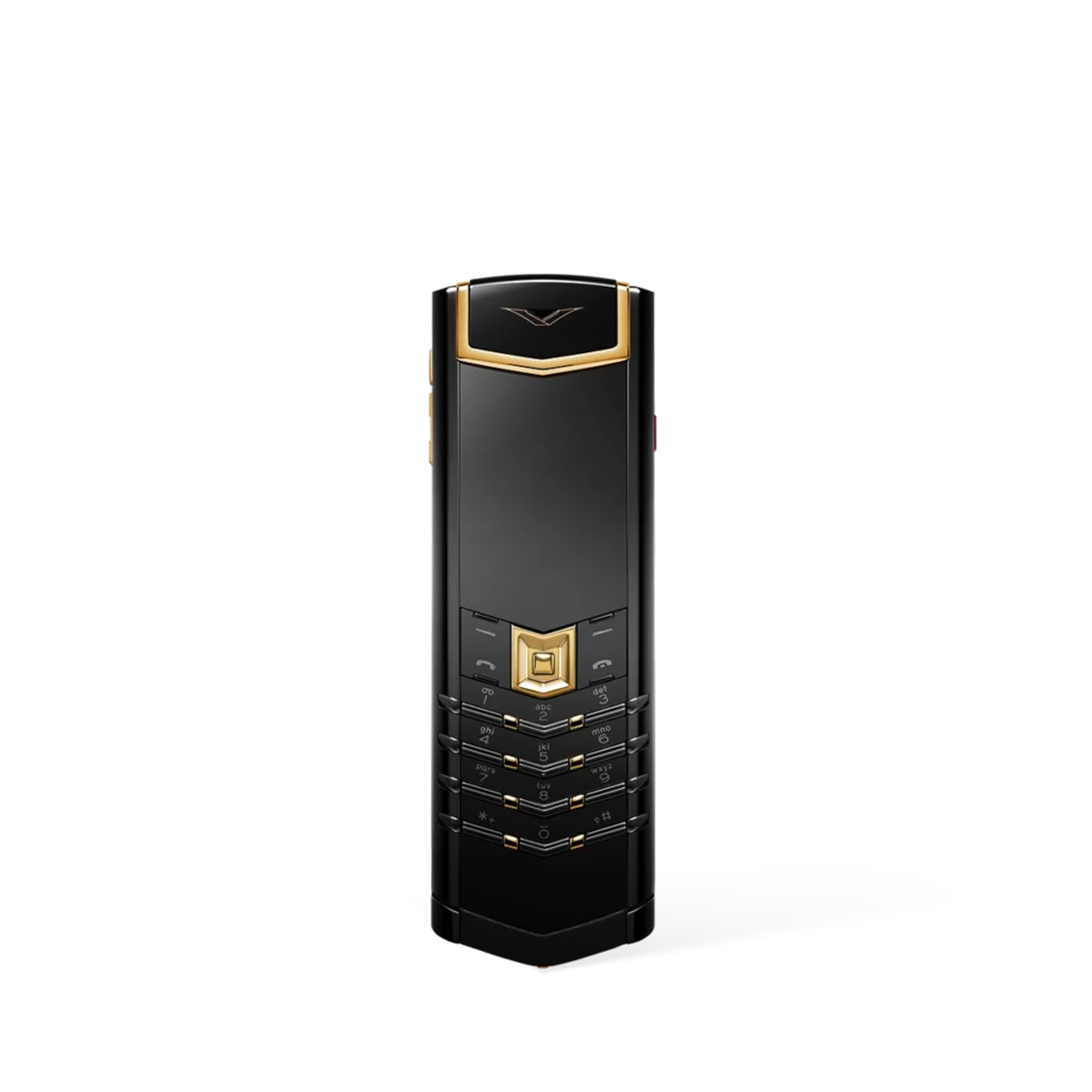
Is there anything more frustrating than watching your battery percentage drop into the red zone before your day is even half over? In the hyper-connected landscape of 2025, a dead smartphone isn't just a minor annoyance; it completely disconnects you from essential work tasks, navigation, and your social circle. You deserve a device that works as hard as you do, eliminating the anxiety of constantly carrying power banks.
This is where the specialized Battery Phone category shines. These devices expertly combine massive power capacities with robust, rugged construction designed to survive both marathon usage sessions and accidental drops.
Whether you are an outdoor enthusiast trekking off the grid or a business professional managing heavy workloads, prioritizing endurance is essential. In this guide, we will explore the top 10 devices built to last this year. We will dissect their standout features, analyze real-world battery performance, and evaluate durability factors, ensuring you have all the information needed to select a reliable partner that keeps you powered up and productive.
Understanding the 'Battery Phone': More Than Just Capacity in 2025
In the current mobile landscape, the concept of a Battery Phone has evolved significantly. It no longer refers solely to a device with the largest physical cell; rather, it prioritizes extended usage that often exceeds standard smartphone endurance through a synergy of capacity and efficient power management. In 2025, a true battery phone is defined by how long it stays active, not just the number printed on the spec sheet.
Beyond mAh: What Truly Defines Long-Lasting Battery Performance?
While consumers traditionally look at milliampere-hours (mAh) as the sole indicator of longevity, this metric is merely the fuel tank size. Real-world performance is determined by the engine's efficiency. A modern Battery Phone leverages advanced chipsets and software to squeeze every drop of power from the cell.
"A device with 5,000mAh and poor optimization will often die faster than a 4,500mAh device with superior power management."
The Growing US Market Demand for Durable and Enduring Devices
US consumers increasingly value devices that combine long battery life with physical durability, seeking fewer compromises between ruggedness and daily utility. The market is shifting away from fragile aesthetics toward tools that can survive multi-day shifts.
Key Battery Technologies Shaping Longevity in 2025
To maximize your mobile phone battery's lifespan, manufacturers are deploying cutting-edge innovations. Silicone Nanostack technology is crucial, allowing for higher energy density without increasing physical bulk. Additionally, AI-powered battery optimization actively learns user patterns to suspend background processes, drastically reducing passive drain.
Finally, understanding battery cycles and rated lifespan in years provides a clearer picture of long-term mobile phone battery health than just capacity alone. A battery rated for 1,600 cycles ensures the phone remains a reliable companion for years, not just months.
2025's Top 10 Battery Phones: Durability Meets Extended Usage
The smartphone landscape in 2025 has been defined by a massive leap in energy density technology. We have moved beyond the standard lithium-ion limitations, embracing silicon-carbon and nanostack technologies that allow devices to last longer without increasing in bulk.
For users tired of carrying power banks, finding the right battery phone is no longer about compromising performance for endurance; it is about selecting the right balance of charging speed, capacity, and chipset efficiency.
The Ultimate Showcase: Our Top Picks for Battery Power and Resilience
At the forefront of this revolution are devices that redefine what it means to be "always on." Leading the charge is the OnePlus 15 , which utilizes cutting-edge Silicone Nanostack technology to fit a 7,300 mAh cell into a flagship body. This allows for an exceptional battery life exceeding 25 hours, supported by 80W SUPERVOOC wired and 50W wireless charging.
However, for those requiring endurance over aesthetics, the Unihertz Tank 3 remains the undisputed king of raw capacity. With a massive 22,000mAh battery , this rugged device offers 3-5 days of usage, designed specifically for extreme conditions where wall outlets are non-existent.
Tech Insight: The shift to silicon-based anodes in 2025 has allowed manufacturers like Oppo to increase capacity by nearly 50% without increasing the physical size of the battery.
The Oppo Find X9 Pro exemplifies this trend, packing a 7,500mAh silicon-carbon battery . It balances longevity with rapid replenishment, boasting 80W wired charging that reaches 50% capacity in just 30 minutes, alongside top-tier camera performance.
Detailed Breakdown: Specs, Strengths, and Weaknesses
Beyond the top three, the market offers specialized contenders catering to gamers, photographers, and budget-conscious users.
- Asus ROG Phone 9 Pro: Built for efficiency, this gaming powerhouse utilizes the Snapdragon 8 Elite chip to squeeze over 20 hours of life out of its cell, supported by 65W wired charging.
- Xiaomi 15 Ultra: A master of thermal management, this device pairs a 1-inch type main camera and Dolby Vision display with class-leading battery life, ensuring that high-end media consumption doesn't drain the device prematurely.
- Samsung Galaxy S25 Ultra: While sticking to a 5,000 mAh capacity, the optimization of the Snapdragon 8 Elite chipset pushes endurance to 17+ hours. It now supports Qi2 wireless charging and 45W wired speeds.
- iPhone 17 Pro Max: Apple integrates a larger battery with the efficient A19 Pro chipset , delivering 17+ hours of life. It features 40W charging, maintaining its reputation for a superb display and camera ecosystem.
Comparative Specs: High-Endurance Flagships
| Model | Battery Capacity | Charging Speed | Est. Battery Life | Key Feature |
|---|---|---|---|---|
| OnePlus 15 | 7,300 mAh | 80W Wired / 50W Wireless | 25+ Hours | Silicone Nanostack Tech |
| Unihertz Tank 3 | 22,000 mAh | Fast Charging (Specifics N/A) | 3-5 Days | Rugged Design |
| Oppo Find X9 Pro | 7,500 mAh | 80W Wired / 50W Wireless | High Endurance | Silicon-Carbon Battery |
| Samsung S25 Ultra | 5,000 mAh | 45W Wired / Qi2 Wireless | 17+ Hours | Snapdragon 8 Elite |
| iPhone 17 Pro Max | Increased Cap. | 40W Wired | 17+ Hours | A19 Pro Chipset |
Price, Performance, and Practicality: Finding Your Perfect Match
Not every user requires flagship pricing to achieve multi-day endurance. The budget and mid-range sector in 2025 offers incredible value.
The Moto G Power (2025) continues its legacy with over 17 hours of endurance, now featuring wireless charging support and enhanced durability. Similarly, the CMF Phone 2 Pro is a standout value option, offering a 5,000mAh battery that lasts two full days, paired with an attractive display and impressive performance.
For those who value sustainability alongside battery life, the HMD Fusion is a unique choice. It offers a 5,000mAh battery good for two days of moderate usage but distinguishes itself with modular customization and easily replaceable parts, ensuring the phone lasts as long as its battery does.
Making the Smart Choice: Factors for Your 2025 Battery Phone Purchase
Selecting the ideal battery phone in 2025 involves more than just checking the mAh specification; it requires balancing software efficiency, physical durability, and charging habits to ensure the device meets your specific lifestyle needs.
Beyond Battery Size: Optimizing Your Phone Usage for Longevity
A large capacity means little without efficiency. To truly maximize potential, users must actively utilize power-saving modes provided by modern operating systems.
"Real-world longevity is often defined by software management rather than hardware capacity alone."
Identify and restrict power-hungry apps that drain resources in the background. By managing these energy vampires and adjusting settings like screen refresh rates, you ensure your phone survives the longest days without needing a mid-day top-up.
Durability Features to Look For: From Water Resistance to Rugged Builds
For outdoor enthusiasts or industrial workers, a battery phone must withstand the elements. While standard devices offer basic protection, rugged options provide military-grade resilience designed for harsh environments.
| Feature | Standard IP68 Rating | MIL-STD-810H Certification |
|---|---|---|
| Primary Protection | Water submersion and Dust ingress | Shock, vibration, extreme temperature |
| Water Resistance | Typically 1.5m for 30 mins | Often higher pressure/longer duration |
| Drop Resistance | Not standard; glass may shatter | Tested for repeated drops onto concrete |
| Target User | General office/urban use | Construction, hiking, field operations |
Fast Charging vs. Battery Health: Understanding the Trade-offs
While ultra-fast charging is incredibly convenient, the heat generated can degrade chemical integrity over time. To maintain long-term health, understand the trade-offs: use fast charging only when necessary and consider gradual charging or "optimized charging" features for overnight cycles.
Finally, honestly assess your typical usage. If you primarily browse and text, a mid-range option often suffices. However, heavy gamers or power users might find that a flagship’s superior processor efficiency and extended battery life justify the premium cost.
FAQ (Frequently Asked Questions)
Q1: What is considered a good battery capacity for a phone in 2025?
A1: In 2025, the baseline for a reliable battery phone is 5,000 mAh. However, thanks to silicon-carbon technology, many flagships now offer 7,000 mAh to 7,500 mAh without adding significant bulk. For extreme rugged phones, capacities can exceed 20,000 mAh.
Q2: Does fast charging damage the battery over time?
A2: Excessive heat from fast charging can degrade battery health over the long term. However, modern battery phones use sophisticated thermal management systems and AI-driven charging cycles to mitigate this risk. It is generally safe, but using slower charging overnight is recommended for maximum longevity.
Q3: Which battery phone is best for outdoor adventures?
A3: The Unihertz Tank 3 is the top recommendation for outdoor enthusiasts due to its massive 22,000 mAh battery, which can last up to 5 days, combined with a rugged build that withstands drops and harsh elements.
Q4: Can software updates improve battery life on older phones?
A4: Yes, software updates often include optimization improvements that manage background processes and power consumption more efficiently. However, software cannot overcome the physical degradation of an old lithium-ion cell.
Conclusion
In the rapidly evolving tech landscape of 2025, choosing the right mobile device is no longer just about processing speed; it is fundamentally about finding a reliable partner that can keep pace with your demanding lifestyle. Throughout this guide, we have navigated the impressive market of the modern Battery Phone , examining ten standout models that successfully merge exceptional endurance with rugged durability.
We have covered the full spectrum, from premium flagships boasting cutting-edge energy efficiency to budget-friendly warriors designed to survive the harshest elements, proving that you do not need to sacrifice performance for longevity. Whether you choose the refined power of the OnePlus 15 or the sheer endurance of the Unihertz Tank 3, the integration of silicon-carbon materials and efficient chipsets ensures that durability no longer comes at the cost of modern features.
Ready to say goodbye to low-battery anxiety forever? Don't wait until your screen goes black at a critical moment. Compare the prices of our top picks today, select the model that fits your budget, and upgrade to a phone that finally works as long as you do.
Powered by OpenSEO .