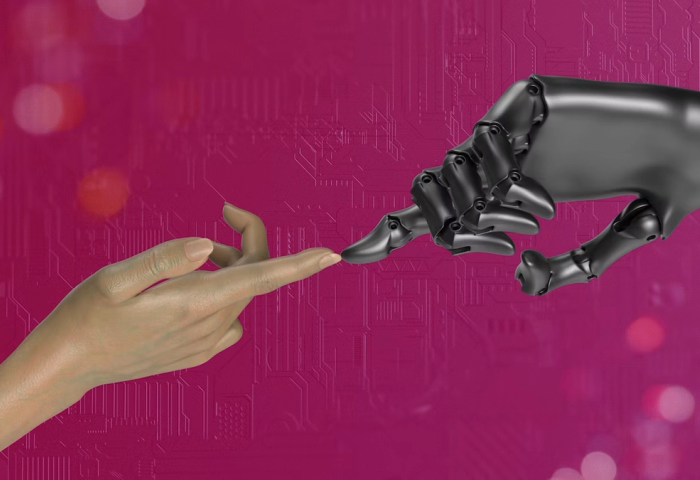
Artificial Intelligence (AI) is everywhere. Over the past few years, tools like smart chat apps, automated writing assistants, and creative image generators have moved from experimental tech labs straight into our daily routines. We use them to draft stressful work emails, break down complex study topics, organize family itineraries, and brainstorm new business ideas. There is no denying that AI makes life easier and work significantly faster.
But behind this incredible convenience lies a quiet, creeping problem that most people ignore until it is too late: What happens to your data after you hit "send"?
Every single day, millions of people feed private details, corporate secrets, and personal thoughts into public AI systems. What many do not realize is that once your text, images, or files enter that little chat box, they leave your control. They travel across the internet into massive server farms owned by tech corporations, where they might be stored indefinitely, analyzed, or even used to train future versions of the AI. If you are not careful, the private answer you seek today could become public knowledge tomorrow.
This reality brings us to a crucial modern challenge: AI data protection. How can we continue to enjoy the massive benefits of these smart tools without completely sacrificing our privacy? To answer that, we need to understand exactly how our everyday habits—both at the office and at home—expose us to unexpected risks, and learn practical strategies on how to protect data from AI tools effectively.
The Two Sides of the Privacy Threat: AI at Work and in Daily Life
To truly grasp why AI privacy matters, we must look at it through the lens of our daily experiences. The threat is not just a theoretical corporate problem; it splits cleanly into two distinct areas of our lives: our professional careers and our personal routines.
At Work: The Accidental Corporate Leaks
In the modern workplace, the pressure to deliver fast results is intense. When faced with a looming deadline, it is incredibly tempting to use AI to speed things up. Imagine an eager marketing manager who needs to summarize a messy, confidential spreadsheet containing the company's financial results before a major meeting. To save time, they copy the entire spreadsheet and paste it into a public AI tool with a simple prompt: "Make this look professional."
Within seconds, the AI delivers a beautiful summary. The manager looks brilliant in the meeting, but an invisible disaster has just occurred. That confidential financial data is now sitting on an external cloud server. Because most public AI tools operate on a continuous learning loop, that information can be digested by the model. Months down the road, a competitor or an external user could type a question into the same AI and receive a highly accurate answer inspired directly by the confidential data that manager pasted.
This is not a rare exception; it happens thousands of times every day. Employees regularly use AI to fix proprietary software code, polish sensitive legal contracts, or draft strategic business plans. Without clear boundaries, standard workplace tools can accidentally turn your most valuable corporate secrets into public training material. As businesses increasingly depend on automated digital workflows, company leaders must remain vigilant about the underlying AI agent security risks that can quietly compromise an entire network if the system is left running without strict supervision.
In Daily Life: The Over-Sharing Dilemma
When we wrap up our workdays, the privacy risks do not stop; they simply change shape. In our personal lives, we often treat AI tools with a level of trust normally reserved for close friends or therapists. Because the chat interface feels private, warm, and non-judgmental, people naturally let their guard down.
Consider the everyday scenarios where people over-share without thinking twice:
- Personal Health Questions: Typing out a highly detailed list of chronic symptoms, medical histories, and emotional struggles to get a quick diagnosis or lifestyle advice.
- Sensitive Family Documents: Uploading private custody agreements, real estate contracts, or personal inheritance letters to have the AI explain the confusing legal language.
- Private Creative Writing: Journaling your deepest personal thoughts, relationship problems, or unreleased artistic ideas to get feedback or emotional support.
The danger here is intensely personal. You are effectively handing a complete digital roadmap of your private life, your vulnerabilities, and your family's habits over to massive tech companies. Unlike a human friend, the cloud never truly forgets unless you take deliberate, technical steps to clear the record.
Simple, Practical Strategies: How to Protect Data from AI Right Now
You do not need an advanced degree in cybersecurity to secure your information. Implementing robust AI data protection comes down to breaking old habits and replacing them with smart, intentional digital boundaries. Here are several practical steps anyone can take right now.
Flip the "Do Not Train" Switch
Most popular AI platforms want your data to train their models, but because of growing public pressure, they often hide a "kill switch" in their settings menu. Spend five minutes exploring the settings of any AI tool you use. Look for options labeled "Data Privacy," "Chat History & Training," or "Data Improvement." By turning these options off, you instruct the platform to stop saving your conversations for future model updates. While they may still hold your logs for a few weeks to monitor compliance, it stops your data from becoming permanent public knowledge.
Master the "Fake Name" Strategy (Anonymization)
If you must feed a complex scenario into an AI to get a high-quality answer, always strip away the real-world identities first. Treat your prompts like a fictional story. Never use real people's names, exact street addresses, specific phone numbers, or distinct company brands. Instead, use generic placeholders. Turn "John Smith from Acme Electronics in London" into "Employee A from Company X in a major city." The AI does not need real names to understand the context or give you great advice, and this simple trick completely breaks the digital breadcrumb trail back to your actual identity.
Read the Fine Print Before Clicking "Agree"
It is incredibly easy to download a trendy new AI photo-editing app or productivity plugin, click "Agree" on the pop-up box, and start uploading files. However, many of these third-party apps have aggressive terms of service. Some explicitly state that by using their free tool, you grant them a permanent, worldwide license to use, modify, and sell your uploaded content. Before you give a new app access to your camera roll, your microphone, or your document folders, take ten seconds to skim their privacy policy. If they do not explicitly guarantee data confidentiality, do not use them for anything important.
The Ultimate Safe Haven: Shifting to Secure, Local On-Device AI
While settings adjustments and careful phrasing are excellent habits, they are fundamentally band-aids. The absolute root cause of the AI privacy crisis is the cloud. As long as your words leave your physical device and travel over the open web, you are exposed to risks. True AI data protection requires a completely different approach to technology design: processing everything locally on your device.
Making the switch to a hardware-first setup is the only concrete way to ensure absolute AI privacy on phones while keeping your data far away from corporate cloud centers. This brings us directly to how forward-thinking, luxury tech hardware is solving the problem for demanding users who cannot afford even a single data leak.
For example, the VERTU ALPHAFOLD represents a massive leap forward in combining advanced smart assistants with elite digital armor. Instead of forcing you to rely on vulnerable, distant cloud networks, this smartphone introduces a sophisticated system-level architecture built to keep your lifestyle completely private.
When you interact with its intelligent tools, the system executes Local Anonymization right on the hardware. This means your private prompts and business files are completely scrubbed of any personal identifiable information before any hybrid tasks occur. Furthermore, your data undergoes Irreversible Vectorization, converting sentences into complex mathematical formulas that can never be reversed or reconstructed into readable text if intercepted. For essential external syncing, it employs Transport Layer Security (TLS 1.3), acting as an unhackable digital blindfold. Finally, the second your task is finished, the system applies AES-256 Clean Erasure, a military-grade wiping mechanism that vanishes all cached files, leaving absolutely no digital footprints or lingering memory traces behind.
Why Digital Privacy is the Ultimate Modern Luxury
In our modern world, we often think of luxury as something purely visual—precious metals, precious leathers, or beautiful craftsmanship. But as artificial intelligence integrates deeper into our societies, the definition of luxury is evolving. Today, true luxury is the peace of mind that comes from knowing your thoughts, your business formulas, and your family's private life belong exclusively to you.
For entrepreneurs, CEOs, and modern families, digital privacy is a vital shield. A single data leak can ruin a hard-earned reputation, compromise a multi-million dollar business acquisition, or expose loved ones to digital scams. Treating data security as an afterthought is a risk no one should take. By taking control of your device ecosystems, adjusting your everyday digital habits, and choosing hardware designed to put boundaries between your life and the cloud, you can confidently navigate the future.
Your Quick AI Protection Checklist
- Audit Settings: Turn off "Chat History & Training" on all your active AI apps today.
- Sanitize Prompts: Never type real names, exact financial figures, or proprietary code into a public browser window.
- Secure the Hardware: Shift your most sensitive personal and professional tasks to devices that support local inference and immediate data erasure.
Embrace the Future Without Sacrificing Yourself
Artificial intelligence is one of the most empowering inventions in human history. It can help us work smarter, learn faster, and live more organized lives. But we must remember that AI tools are built to absorb information. If we feed them blindly, we lose the very thing that keeps us secure: our privacy.
Protecting your information does not mean running away from new technology or living in fear. It simply means being the absolute master of your own digital borders. By adopting smart everyday habits, removing identifying details, and embracing the power of secure, local hardware processing, you can fully enjoy the incredible benefits of the AI era while keeping your private world completely safe.