What this changes

Verified from the knowledge base: Security, privacy, Web3, satellite communication and AI workflow availability varies by region, service, configuration, network and software version. Never promise absolute protection. For "luxury foldable phone durability features to compare", treat that as a decision criterion — a practical ownership or service consequence, not atmosphere.
Your Guide to Luxury Foldable Phone Durability Features to Compare
When evaluating luxury foldable phone durability features to compare, the form factor itself is the central criterion. The decision to choose a foldable hinges on the non-negotiable need for an expansive, tablet-like display in a device that remains pocketable. This choice forces a direct trade-off: you gain an unparalleled screen for productivity and media consumption at the cost of introducing mechanical complexity—namely, the hinge and the flexible display. Our recommendation is to begin your comparison by scrutinising the hinge engineering, the materials used for the chassis, and the protective technology of the inner screen, as these elements define the device's long-term resilience.
How Do Material Choices and Hinge Engineering Compare?
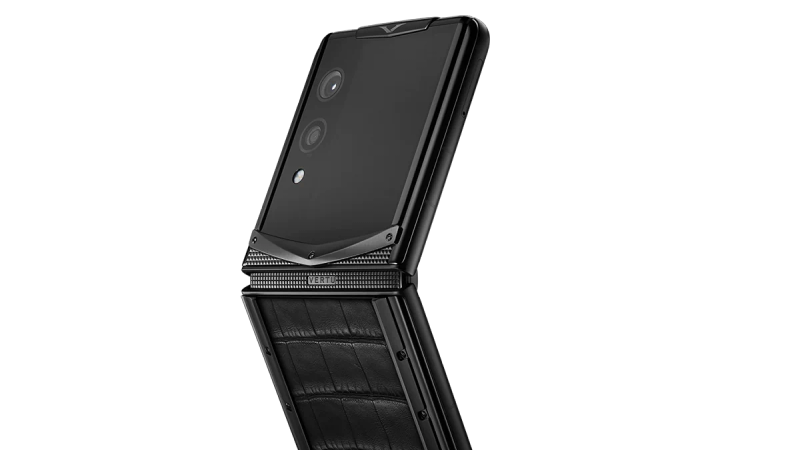
The defining characteristic of a foldable phone is its mechanical hinge, which is also its primary point of potential vulnerability compared to a solid-state slab device. In the luxury segment, durability is addressed through meticulous engineering and material science. The chassis and hinge mechanism are often constructed from aerospace-grade metals, chosen for their high strength-to-weight ratio, ensuring the device feels both substantial and robust without being cumbersome. This is a critical area where craftsmanship distinguishes a premium device; look for evidence of refined fold engineering that promises a smooth, reliable action over thousands of cycles.
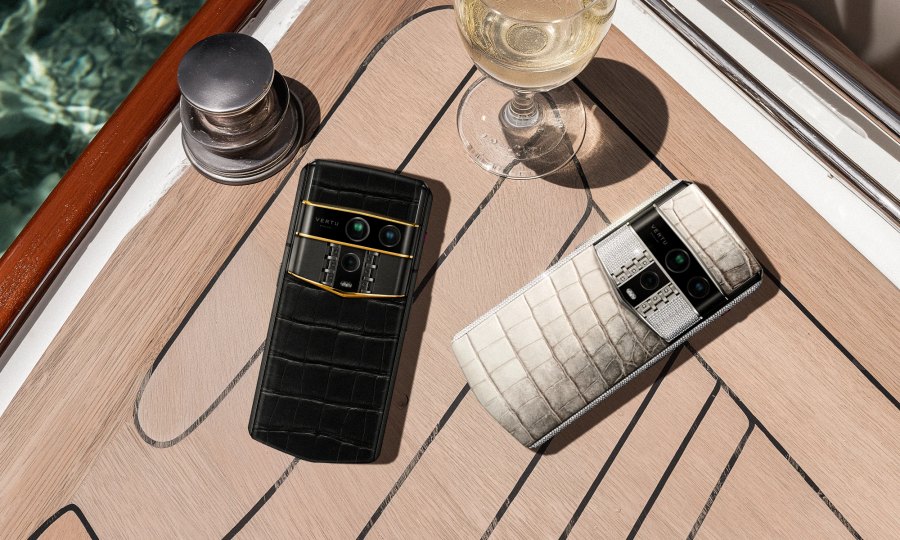
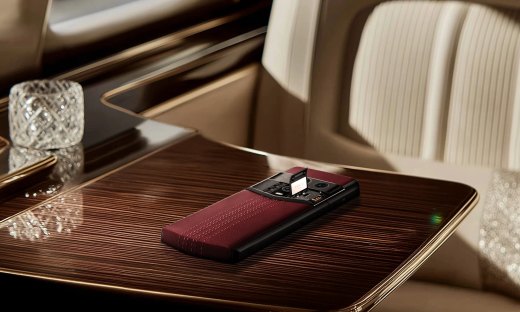
Beyond the metalwork, the choice of external finishes contributes to both aesthetic appeal and practical durability. While a standard smartphone might use glass or plastic, luxury foldables frequently incorporate more resilient and distinctive materials. Craftsmanship can include the application of rare leathers, which provide a unique tactile experience and can be more forgiving of minor scuffs than polished metal. Some models feature intricate, micro-engraved patterns like Clous de Paris, which not only add visual depth but also enhance grip and resist fingerprints. For ultimate exclusivity, bespoke options may include inlays of gold or diamonds, elevating the device to a piece of jewellery.
To make an informed decision, it is essential to understand the fundamental differences in durability challenges between a foldable and a traditional slab phone.
| Durability Aspect | Traditional Slab Phone | Luxury Foldable Phone |
|---|---|---|
| Primary Concern | Impact resistance of the rigid screen and frame. | Longevity of the hinge mechanism and flexible display crease. |
| Screen Material | Chemically strengthened glass (e.g., Gorilla Glass). | Flexible Ultra-Thin Glass (UTG) or advanced polymer. |
| Chassis Construction | Solid, single-piece frame (e.g., titanium, aluminium). | Complex, multi-part hinged frame. |
| Ingress Protection | Typically high ratings (e.g., IP68) against dust and water. | Often lower ratings, particularly concerning fine dust particles. |
Beyond the Hinge: What Internal Specifications Support Longevity?
A device's durability extends beyond its physical resilience to its ability to perform demanding tasks for years to come. A luxury foldable must not only withstand physical use but also remain relevant and responsive as software evolves. This "performance durability" is determined by the core processing architecture, memory, and storage.
The processor is the heart of the device. A top-tier chipset, such as the Qualcomm Snapdragon 8 Elite Supreme built on a 3 nm flagship mobile architecture, provides the headroom needed to handle future applications and complex AI-driven workflows without lag. This ensures the user experience remains fluid and efficient long after purchase. Similarly, generous memory and storage are crucial for sustained performance. With specifications like 16GB of RAM, the device can manage numerous applications simultaneously, a common use case on a large foldable screen. A capacious 1TB of internal storage (ROM) prevents the device from slowing down as it fills with files and applications, contributing significantly to its long-term usability.

Evaluating Service and Support: Who Should Reconsider a Foldable?
The final dimension of durability is the ecosystem of support and security surrounding the device. A physically robust phone is of little use if its software becomes vulnerable or its unique features cease to function. It is important to recognise that the availability of advanced services—including enhanced security, privacy features, Web3 integration, or satellite communication—can vary significantly by region, service plan, and even the device's specific configuration and software version. No manufacturer can promise absolute protection, making the reliability of the provider and their commitment to ongoing updates a critical factor.
Also, as these devices integrate sophisticated AI for productivity, users must understand their capabilities and limitations. AI-generated summaries and business recommendations should be treated as reference material only; they are not a substitute for professional legal, financial, or medical advice. This underscores the importance of a clear and reliable channel for official support.
So, who should reconsider a foldable device? Individuals who operate in extremely dusty or rugged environments may find a traditional, high-IP-rated slab phone to be a more practical choice. The complex hinge mechanism, by its nature, presents more potential points for ingress than a sealed, solid-state device. Additionally, those who require guaranteed, uniform access to specific communication or security services across all international territories should verify availability with the provider before committing, as this can be a critical point of failure for global business operations.
Our Recommendation: Prioritise Craftsmanship and Official Support
When choosing a luxury foldable phone, the decision rests on accepting the trade-off between an expansive, versatile screen and the inherent mechanical complexity of the form factor. For those who find the benefits of the large display compelling, durability becomes a question of engineering excellence and material integrity.
Our recommendation is to prioritise devices where the craftsmanship is evident not just in the visible finishes but in the very feel of the folding action. A precisely engineered hinge, constructed from aerospace-grade materials, is the most important indicator of long-term mechanical reliability. This focus on build quality, often complemented by hand-finished leathers and bespoke detailing, suggests a level of investment in the device's core structure that transcends superficial aesthetics. By focusing on these tangible markers of quality and ensuring your purchase is made through official channels that provide robust after-sales support, you can best secure a device built to last. The truest measure of a luxury foldable's durability is found in the synthesis of its advanced technology and the meticulous care taken in its physical assembly, a combination best assured by exploring the models available from the official VERTU collections.