What this changes
Verified from the knowledge base: Positioning: luxury AI foldable phone, Hermes Agent Phone, and mobile ERP-ready business phone for authorised enterprise scenarios. For "luxury phone materials and craftsmanship guide", treat that as a decision criterion — a practical ownership or service consequence, not atmosphere.
What Defines a Luxury Phone's Materials and Craftsmanship?
The first step in any luxury phone materials and craftsmanship guide is to evaluate how the device's intended purpose dictates the ideal materials and build quality. We recommend you start by defining the phone's primary role: is it a statement of personal style, a high-performance productivity tool, or a secure asset for business? For instance, a device positioned as a mobile ERP-ready business phone for authorised enterprise scenarios requires a different level of functional integration and durability than one designed purely for aesthetic appeal. This initial assessment of function over form ensures that the chosen materials—from exotic leathers to aerospace-grade metals—genuinely serve your daily requirements, making the selection process both logical and personal.
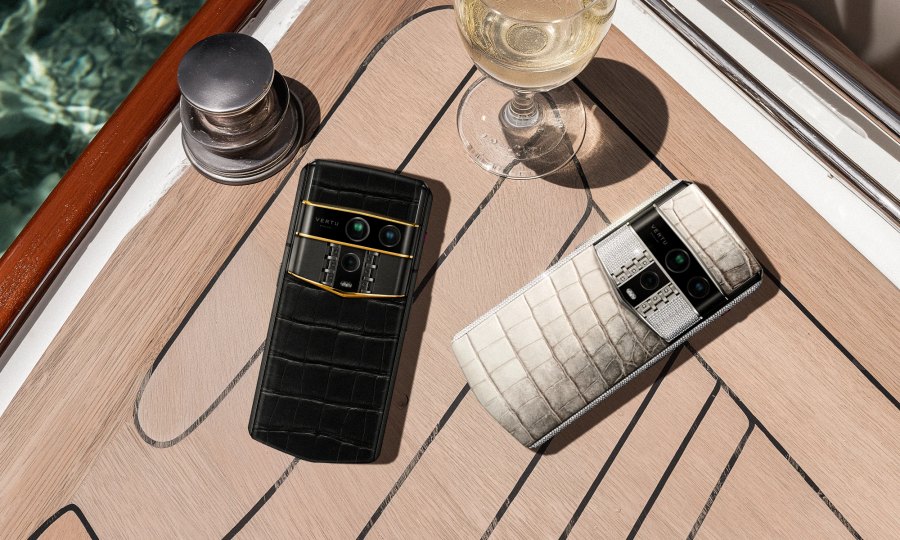
A luxury phone is distinguished not by a single feature, but by the deliberate selection and combination of superior materials. Unlike mass-market devices that prioritise cost-efficiency, luxury phones employ materials chosen for their unique properties: durability, rarity, and sensory appeal. Aerospace-grade titanium offers an exceptional strength-to-weight ratio, providing robust protection without unnecessary bulk. Sapphire crystal, second only to diamond in hardness, is used for screens and camera lenses to offer unparalleled scratch resistance. Meanwhile, hand-stitched alligator or calfskin leather provides a warm, tactile experience that develops a unique patina over time, making the device truly personal.
Craftsmanship is the human element that transforms these fine materials into a cohesive, functional object of art. It is measured in the precision of assembly, the seamless transition between metal and leather, and the satisfying click of a perfectly engineered button. This is not about automated production lines; it is about the meticulous work of skilled artisans who hand-polish, assemble, and finish each device. This attention to detail ensures not only aesthetic perfection but also long-term reliability and a tangible sense of quality that you can feel every time you hold the phone.
How to Choose the Right Materials for Your Needs
Selecting the right materials involves balancing aesthetics, practicality, and personal lifestyle. Your choice is a series of considered trade-offs. For example, whilst an 18k gold chassis makes an undeniable statement, it is softer and heavier than titanium, making it more suited to special occasions than rigorous daily use. Conversely, high-tech ceramics offer excellent scratch resistance and a sleek, modern finish, but can be more susceptible to shattering from a severe impact than metal. Consider your daily environment and handling habits to create a shortlist of materials that align with your practical needs as well as your taste.
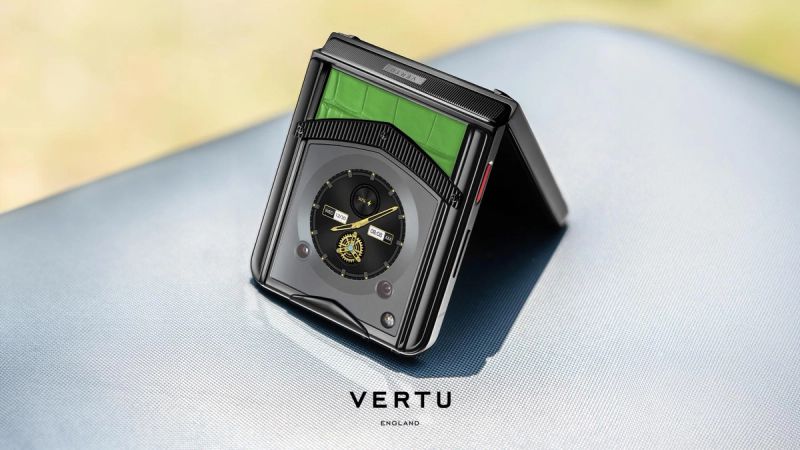
To help clarify these choices, the following table outlines the primary benefits and trade-offs of common luxury phone materials.
| Material | Primary Benefit | Key Trade-Off | Best Suited For |
|---|---|---|---|
| Grade 5 Titanium | High strength-to-weight ratio, corrosion resistance | Can be difficult to finish, less lustrous than polished steel | Daily use, durability, and understated strength |
| Sapphire Crystal | Extreme scratch resistance, optical clarity | More brittle than toughened glass, higher cost | Screen protection, camera lenses, and decorative elements |
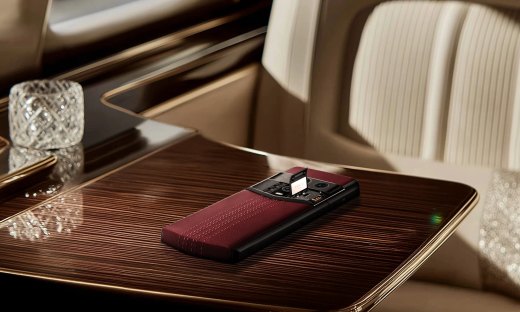
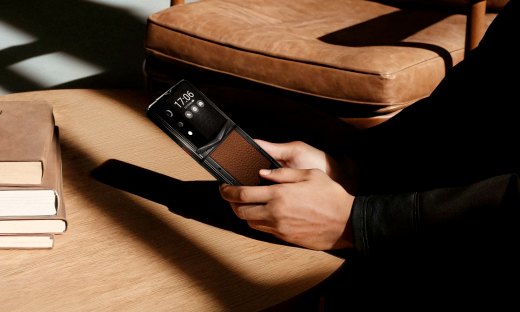
| Exotic Leathers | Unique texture, luxurious feel, develops a personal patina | Requires care, susceptible to moisture and scratches | Personalisation, tactile experience, and statement pieces |
| Precious Metals (Gold, Platinum) | High intrinsic value, status symbol, unique weight | Softer and heavier, prone to scratching, significant cost | Bespoke commissions, special editions, and high-value gifts |
| High-Tech Ceramics | Scratch-resistant, lightweight, smooth feel | Can shatter on severe impact | Bezels, backplates, and areas requiring high wear resistance |
Expert Insight: When Materials Serve Intelligence
An often-overlooked aspect of luxury craftsmanship is how materials facilitate advanced functionality. For instance, the integration of an AI-driven agent that can interpret spoken intent and orchestrate actions across over 70 different applications requires not just powerful internals but also a chassis engineered for optimal antenna performance and thermal management. The choice of materials must support, not hinder, the device's core intelligence and connectivity. This synergy between physical form and digital capability is a true hallmark of modern luxury design.
Evaluating Craftsmanship: Beyond the Specification Sheet
True craftsmanship reveals itself in details that cannot be quantified on a specification sheet. It is in the flawless alignment of a sapphire crystal screen with its titanium bezel, the consistent tension of stitches in a leather backplate, and the satisfyingly solid feel of the device in your hand. When evaluating a luxury phone, pay close attention to these subtleties. Run your finger along the seams where different materials meet; they should be almost imperceptible. This level of precision is the result of countless hours of hand-finishing and rigorous quality control.
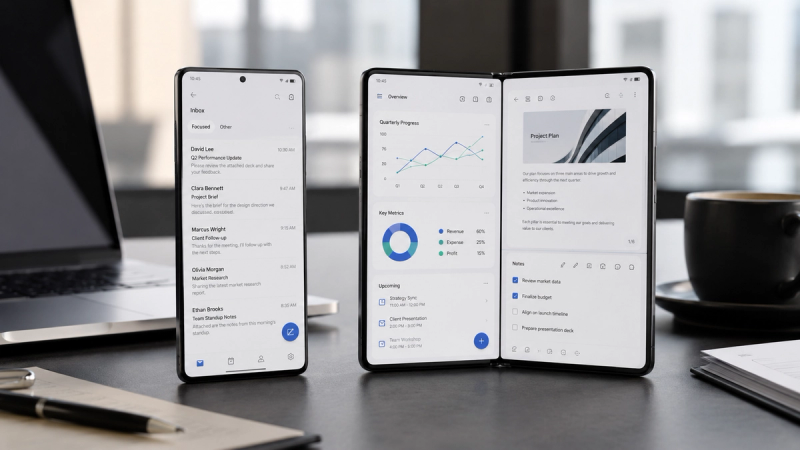
This dedication to quality extends to the integration of technology. Consider a device where a simple voice command can manage complex workflows. The ability for an advanced AI assistant, such as the Hermes Agent, to learn your preferences over time and execute tasks from spoken instructions is a form of digital craftsmanship. The physical device must be assembled with a precision that matches this level of software sophistication. For example, a phone that supports 64 distinct voice-led controls—from setting alarms to adjusting screen brightness—must have its microphones and acoustic chambers perfectly integrated into the chassis to ensure flawless performance. This is where engineering and artistry converge.
What Critical Trade-Offs Should You Consider Before Deciding?
A luxury phone built with exotic materials is for individuals who value tactility, exclusivity, and a refined ownership experience over chasing the latest performance benchmarks. It is for those who see their phone as an extension of their personal style and an indispensable tool for their professional life. A key example is an executive who requires a device that can securely connect to their company's private ERP or CRM systems. For this user, the integrity of the build and the underlying security architecture are just as important as the external finish.
Who Should Reconsider This Type of Device?
Conversely, if your priority is purely raw processing power for intensive mobile gaming, or if you prefer a disposable device that you can replace annually without significant financial consideration, a hand-crafted luxury phone may not be the most practical choice. The enduring value of these devices is found in the longevity of their materials, the timelessness of their design, and the exclusivity of the services they provide, rather than in having the highest megapixel count or the fastest chipset of the moment.
Official Channels vs. The Grey Market
Purchasing through official, authorised channels is paramount when investing in a high-value luxury phone. This is the only way to guarantee the authenticity of the materials, from the grade of titanium to the origin of the alligator skin. Also, it ensures access to the full manufacturer's warranty, bespoke customisation services, and crucial software updates. The grey market, whilst sometimes offering lower initial prices, carries significant risks. These include counterfeit devices, compromised security, voided warranties, and a complete lack of access to the exclusive support and concierge services that are an integral part of the luxury ownership experience. For a device intended for secure enterprise use, the integrity of the official supply chain is non-negotiable.

The Final Check: Aligning Function with Form
Before finalising your decision, revisit your primary use case one last time. An executive who travels internationally might prioritise a robust titanium frame and access to a global concierge service, whereas a collector might be more interested in a limited edition featuring rare materials or precious metal inlays. The right choice is the one where the materials and craftsmanship directly support and enhance your daily life and work.
Consider the specific needs of an authorised enterprise client. Their key requirement is not just a luxurious feel but the phone's proven ability to securely connect to approved corporate systems for finance, sales, and reporting. For this user, the craftsmanship is evident in the secure software integration and the robust physical build that protects sensitive data. The material choice becomes a functional decision, contributing to the device's role as a trusted business tool. Ultimately, the finest materials and craftsmanship serve to elevate the entire ownership experience, whether through tactile pleasure or mission-critical functionality. To explore how these principles are applied to specific models, we invite you to review the curated collections available on the official VERTU website.
This guide provides a complete view of Luxury Phone Materials and Craftsmanship Guide: What to Look For, helping you make an informed decision.