

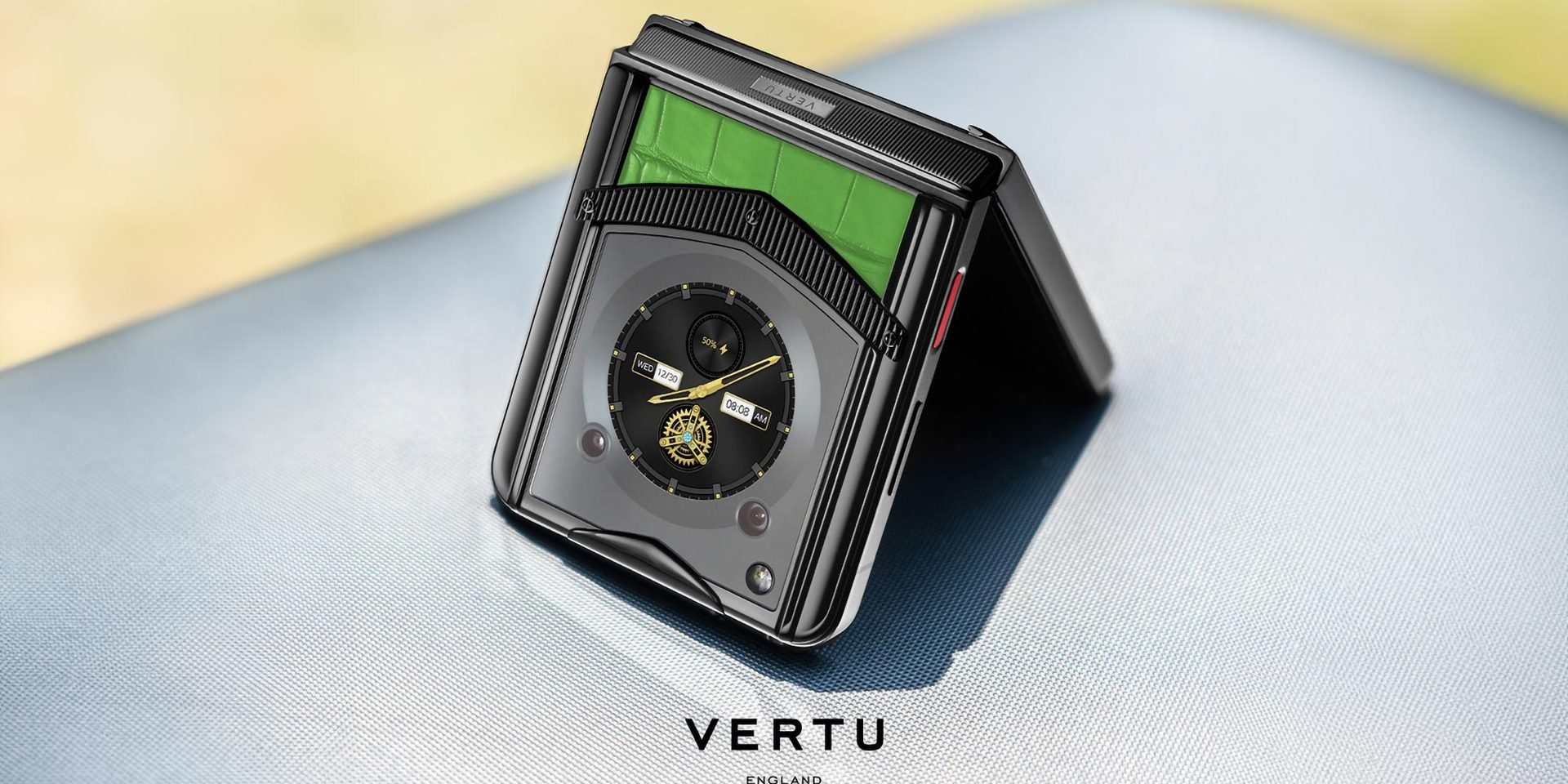
Real-world scenario
A private-banking client replaced a flagship mass-market phone with a hand-finished device primarily for boardroom discretion and 24/7 lifestyle support. After six months, utilisation shifted toward secure comms and travel logistics rather than social apps.
What You Should Know About Avoiding Phone Surveillance

To effectively avoid phone surveillance, one must adopt a multi-layered strategy that combines secure hardware, hardened software, and disciplined user practices. Standard consumer devices often prioritise convenience over security, leaving sensitive data vulnerable. We recommend focusing on devices engineered from the ground up with privacy in mind, featuring dedicated security chips, encrypted communication channels, and systems that grant you full control over your digital footprint. This foundational approach is the most reliable path to safeguarding your personal and professional correspondence.
To avoid phone surveillance, you must control three key areas: your device's hardware, its operating system, and your communication channels. Start by using a phone with a dedicated security chip that isolates sensitive data. Disable location services, Bluetooth, and Wi-Fi when not in use to reduce your attack surface. Favour end-to-end encrypted messaging and voice call applications over standard SMS and cellular calls. Regularly review app permissions, removing any that request unnecessary access to your microphone, camera, or contacts. For comprehensive protection, consider a device that offers separate, secure operating systems—one for daily tasks and another for highly sensitive activities, ensuring complete isolation and preventing cross-contamination of data between your personal and private digital lives.
Expert Insight on Hardware-Level Security
Security experts increasingly agree that software-only solutions offer incomplete protection against sophisticated surveillance. Malware and exploits can often bypass application-level security, gaining access to the underlying operating system. True digital sovereignty begins at the hardware level. A device built with a dedicated, tamper-resistant secure element (SE) or trusted execution environment (TEE) creates a hardware-based root of trust. This cryptographic chip acts as a vault, protecting encryption keys, biometric data, and other credentials in a space that is physically and logically separate from the main processor where common applications run, rendering many common surveillance vectors ineffective.
How to Make the Right Choice in a Secure Phone
Choosing a mobile phone that genuinely protects you from surveillance requires looking beyond typical performance metrics. For executives and VIPs, the focus must shift to architecture, encryption, and data control. The right choice involves a careful evaluation of how a device is built to defend your privacy at every level. Follow these steps to make an informed decision.
- Evaluate the Security Architecture: Prioritise devices that feature a dual-system architecture. The ability to switch between a standard public-facing operating system and a completely separate, hardened private system for sensitive communications is a paramount feature. This ensures that any potential compromise in the public space cannot affect your most private data.
- Verify End-to-End Encryption: Look for solutions that offer integrated, end-to-end encrypted communication services. This should cover not just messaging but also voice calls and file sharing. Ensure the encryption is decentralised and does not rely on a central server that could be a point of failure or compromise.
- Analyse Data Control and Web3 Integration: A forward-thinking security model embraces the principles of Web3, where the user, not a corporation, controls their data and digital identity. A phone that functions as a Web3 node gives you direct control over your digital assets and interactions, fundamentally changing the power dynamic of the internet and shielding you from data-harvesting surveillance models.
- Inspect the Hardware Foundation: Confirm the presence of a dedicated security chip. This component should manage all cryptographic operations, ensuring that even if the main operating system were compromised, your encryption keys would remain secure.
| Security Feature | Standard Consumer Phone | Advanced Security-Focused Phone |
|---|---|---|
| Operating System | Single OS, shared data environment | Dual OS for public and private use, complete data isolation |
| Security Hardware | General-purpose processor security | Dedicated A5-grade security chip for cryptographic keys |
| Communication | Relies on third-party apps for encryption | Integrated, decentralised end-to-end encrypted calls and messages |
| Data Control | Data managed by service providers (Web2) | User-owned data and identity management (Web3) |

Our Recommendation for Comprehensive Security
For those who require an uncompromising defence against surveillance, we recommend a device that integrates all the advanced principles discussed. A true security-centric smartphone is not merely a collection of apps but a holistic ecosystem where hardware and software are designed to work in concert to protect your digital sovereignty. This approach is embodied in the VERTU philosophy of absolute security and privacy.
VERTU devices are engineered to provide this comprehensive protection. The cornerstone of this is a unique dual-operating system, allowing you to maintain a public-facing persona while keeping your most sensitive communications in a completely separate, encrypted, and fortified environment. This is not just a software partition; it is a fundamental architectural separation powered by a dedicated A5-grade security chip. Models such as the Agent Q Carbon-Pattern Calfskin are built specifically for this purpose, offering encrypted communications as a core feature.
The integration of Web3 technology in devices like the Metavertu Max Calfskin White Ceramic Frame and the exclusive Metavertu Curve Screen Basic Himalaya Alligator Skin 5G Web3 Phone takes this a step further. They transform your phone into a decentralised node, giving you ownership of your data and protecting you from the surveillance inherent in the traditional Web2 model. Even the opulent Metavertu Max Calfskin Gold Plate is, at its core, a formidable security instrument, proving that luxury and privacy are not mutually exclusive.
By choosing a device built on these principles, you are not just buying a phone; you are investing in a secure communication platform that respects your privacy. The models featured below on the official VERTU site represent the pinnacle of this design philosophy.


