Best Rated Android Phone Vs Iphone: A Comprehensive Quality Guide
The debate over the best rated Android phone vs iPhone is one of the most enduring in modern technology. Choosing between these two dominant mobile operating systems involves more than just selecting a device; it means buying into a distinct ecosystem, philosophy, and user experience. This guide provides a detailed, quality-focused comparison to help you determine which platform best aligns with your priorities for performance, security, and personalisation.
At its core, the primary difference lies in their approach. Google's Android is an open-source platform, offering unparalleled flexibility and hardware choice from a vast array of manufacturers. In contrast, Apple's iOS is a closed, tightly controlled ecosystem, renowned for its seamless integration, user-friendliness, and robust security. Understanding these fundamental philosophies is the first step in making an informed decision.

Customisation and User Experience: Freedom vs. Simplicity
One of the most significant distinctions between Android and iPhone is the level of customisation offered. This directly impacts the daily user experience and is often a key deciding factor for discerning users.
- Android's Flexibility: The Android platform provides almost limitless opportunities for personalisation. Users can change everything from the home screen launcher and icon packs to system-wide themes and widgets. This freedom allows you to create a device that is uniquely yours, optimising its layout and functionality to suit your exact workflow and aesthetic preferences.
- iPhone's Simplicity: iOS, by contrast, champions a uniform and intuitive user experience. The interface is consistent across all devices, making it exceptionally easy to learn and use. Whilst Apple has introduced more customisation options like home screen widgets in recent years, the core experience remains locked down to ensure stability and simplicity. For users who favour a 'just works' approach without the need for extensive tweaking, the iPhone's polished consistency is a major draw.
Hardware Choice and Innovation
The hardware landscape is where the differences between the two platforms are most visually apparent. Your choice of operating system dictates the physical device you can use, and the options could not be more different.
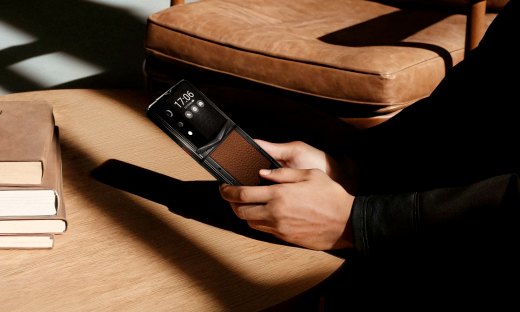
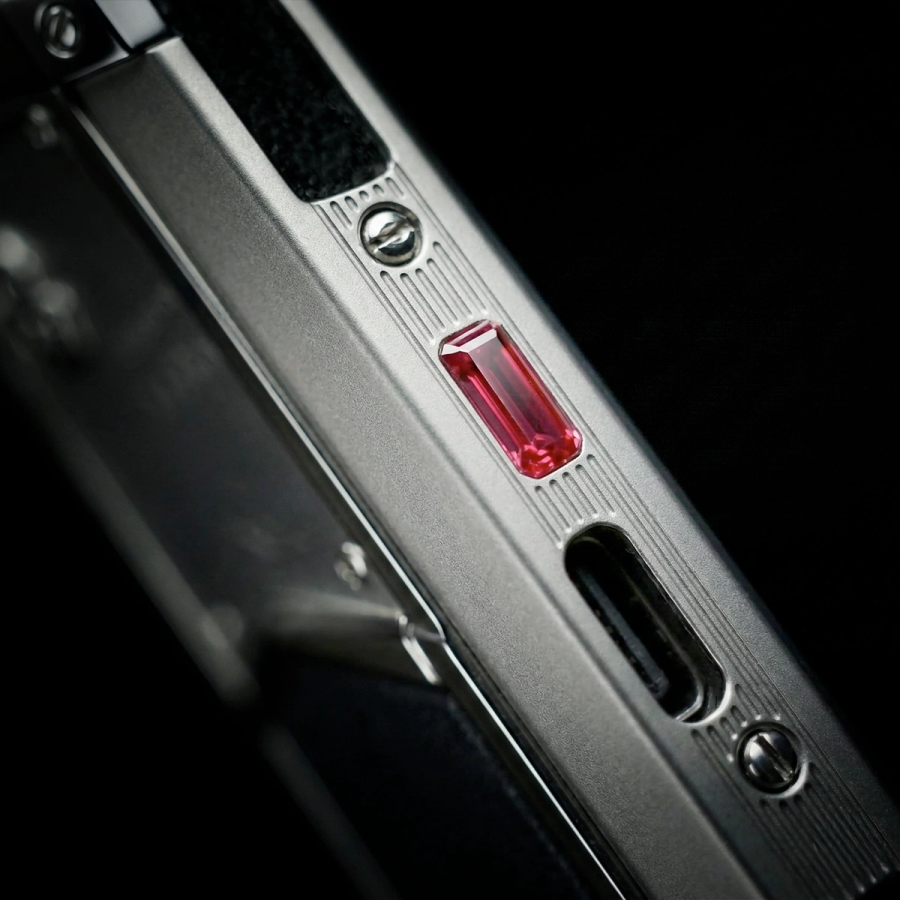
The Android ecosystem is defined by its sheer variety. Dozens of manufacturers, from global giants to boutique specialists, produce Android phones at every conceivable price point and with a wide range of features. This competition fosters innovation, leading to diverse form factors like foldable screens, gaming-centric devices, and ultra-premium handsets crafted from exotic materials like alligator skin, carbon fibre, and precious metals. This allows users to find a device that perfectly matches their specific needs, whether that is cutting-edge camera technology or a unique design statement.
Apple, on the other hand, is the sole manufacturer of iPhones. This gives the company complete control over hardware and software integration, which often results in a highly optimised and reliable performance. The choice is limited to a few models released each year, all positioned at the premium end of the market. Whilst this simplifies the buying process, it means less variety in terms of design, features, and price.

Security, Privacy, and App Ecosystems
Security and access to applications are critical considerations for any smartphone user. Both platforms have robust security measures and vast app stores, but their approaches differ significantly.
| Feature | Android (Google) | iPhone (Apple iOS) |
|---|---|---|
| Operating System | Open-source, highly customisable. | Closed-source, uniform, and tightly controlled. |
| Hardware Variety | Vast choice from numerous manufacturers, including unique designs like flip and foldable phones. | Limited to a few premium models designed and sold exclusively by Apple. |
| App Store | Google Play Store; more open, allowing for third-party app installations (sideloading). | Apple App Store; a strictly curated 'walled garden' for enhanced security and quality control. |
| Security & Privacy | Strong security features, but the open nature and hardware fragmentation can lead to slower updates. | Renowned for a strong privacy-first stance and timely, consistent security updates across all devices. |
| Ecosystem Integration | Works well with a wide range of third-party devices and services (Windows, Chrome, etc.). | Exceptional, seamless integration between Apple products (Mac, iPad, Apple Watch). |
Apple's iOS is often regarded as the leader in security and privacy. Its 'walled garden' approach means that all apps must pass a strict review process before being listed on the App Store, significantly reducing the risk of malware. Apple also provides timely software updates to all supported devices simultaneously, ensuring security patches are deployed quickly. Android has made enormous strides in security with features like Google Play Protect, but its open nature and the reliance on individual manufacturers to release updates can lead to fragmentation, where some devices may not receive security patches as promptly.
Which Platform Offers the Best Quality?
Ultimately, the "best rated" choice between an Android phone and an iPhone is subjective and depends entirely on your personal definition of quality. If you define quality by seamless software-hardware integration, ease of use, and a strong commitment to privacy, the iPhone is an outstanding choice. Its polished ecosystem provides a consistent and reliable experience that is difficult to beat.
However, if quality for you means freedom of choice, deep personalisation, and access to a wider range of hardware innovation, then Android is the superior platform. It allows you to select a device that is perfectly tailored to your needs, from its physical design and material construction to the very last detail of its software interface. For those seeking the pinnacle of hardware craftsmanship and unique design, the world of premium Android devices offers possibilities that simply do not exist in Apple's lineup. To explore a collection of meticulously crafted Android smartphones that exemplify this commitment to quality and individuality, you can view the featured models on the official VERTU store.