| Model | Encryption Standard | Hardware Security | Physical Privacy Feature | Best For |
|---|---|---|---|---|
| iPhone 17 Pro Max | PQC (iMessage/Cloud) | Secure Enclave | Stealth Mode (iOS 19) | Ecosystem Fans |
| Samsung S26 Ultra | Knox Matrix PQC | Knox Vault | Privacy Display (AI) | Corporate Professionals |
| Google Pixel 10 Pro | Quantum-Resistant | Titan M3 Chip | Advanced Protection Mode | AI Enthusiasts |
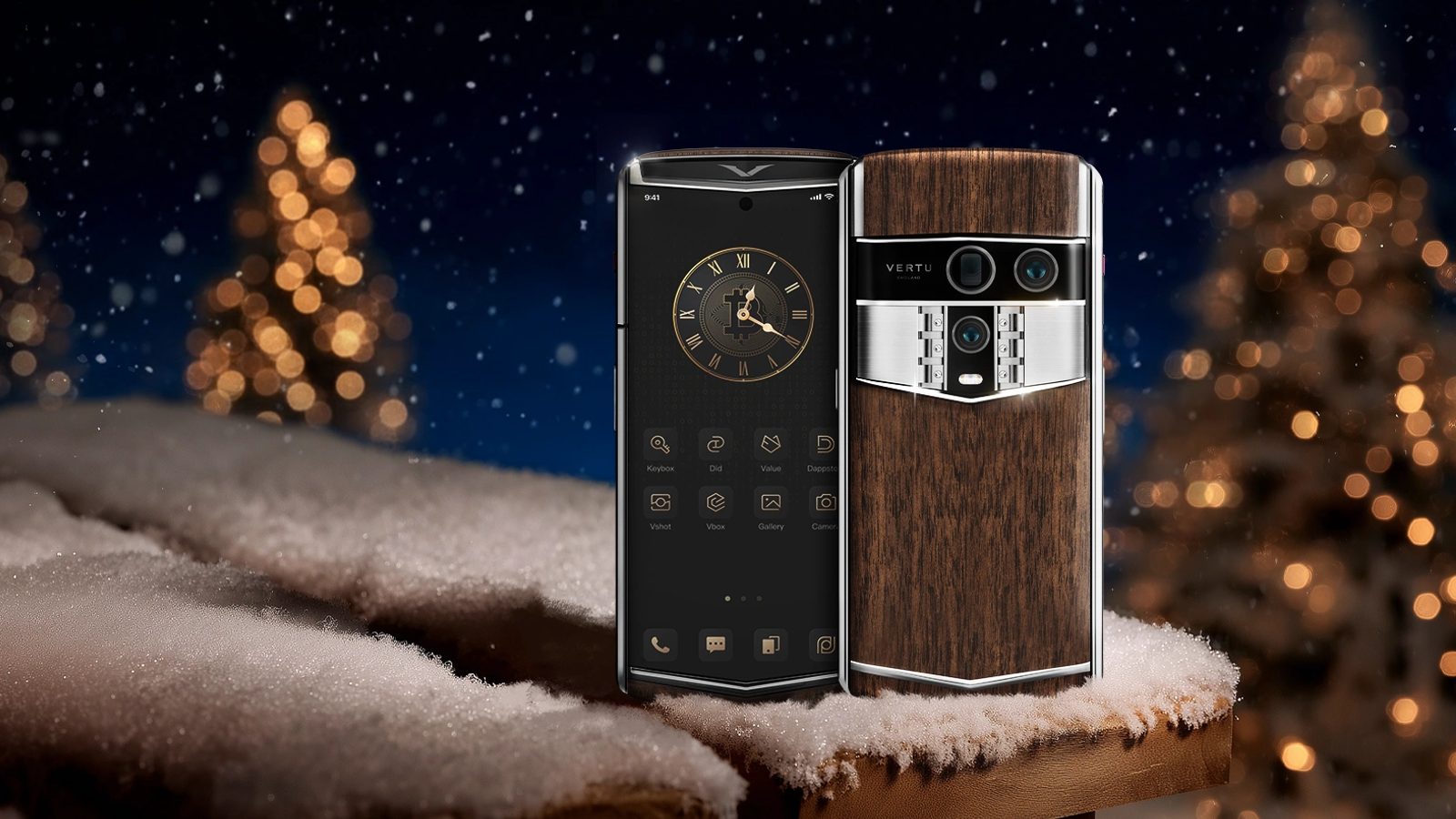
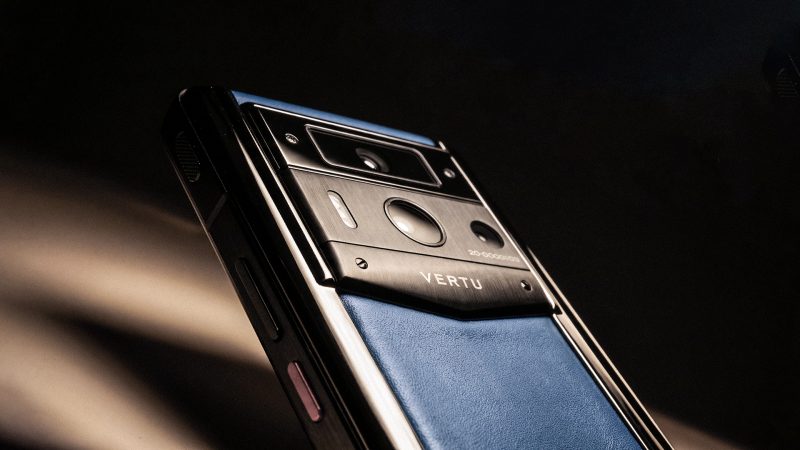
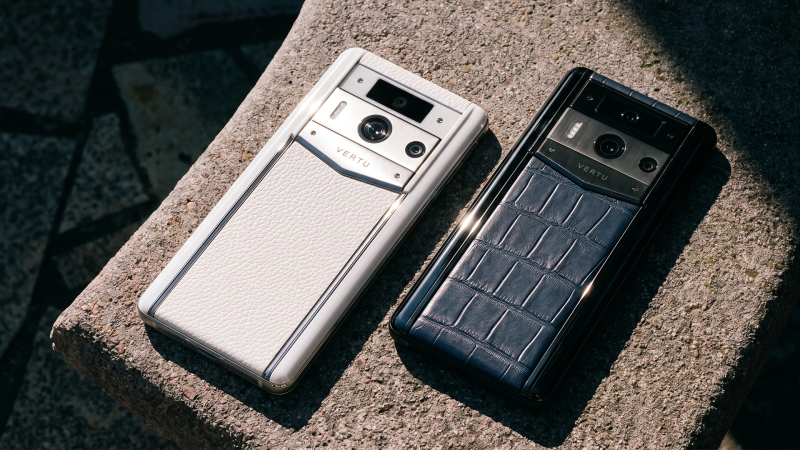
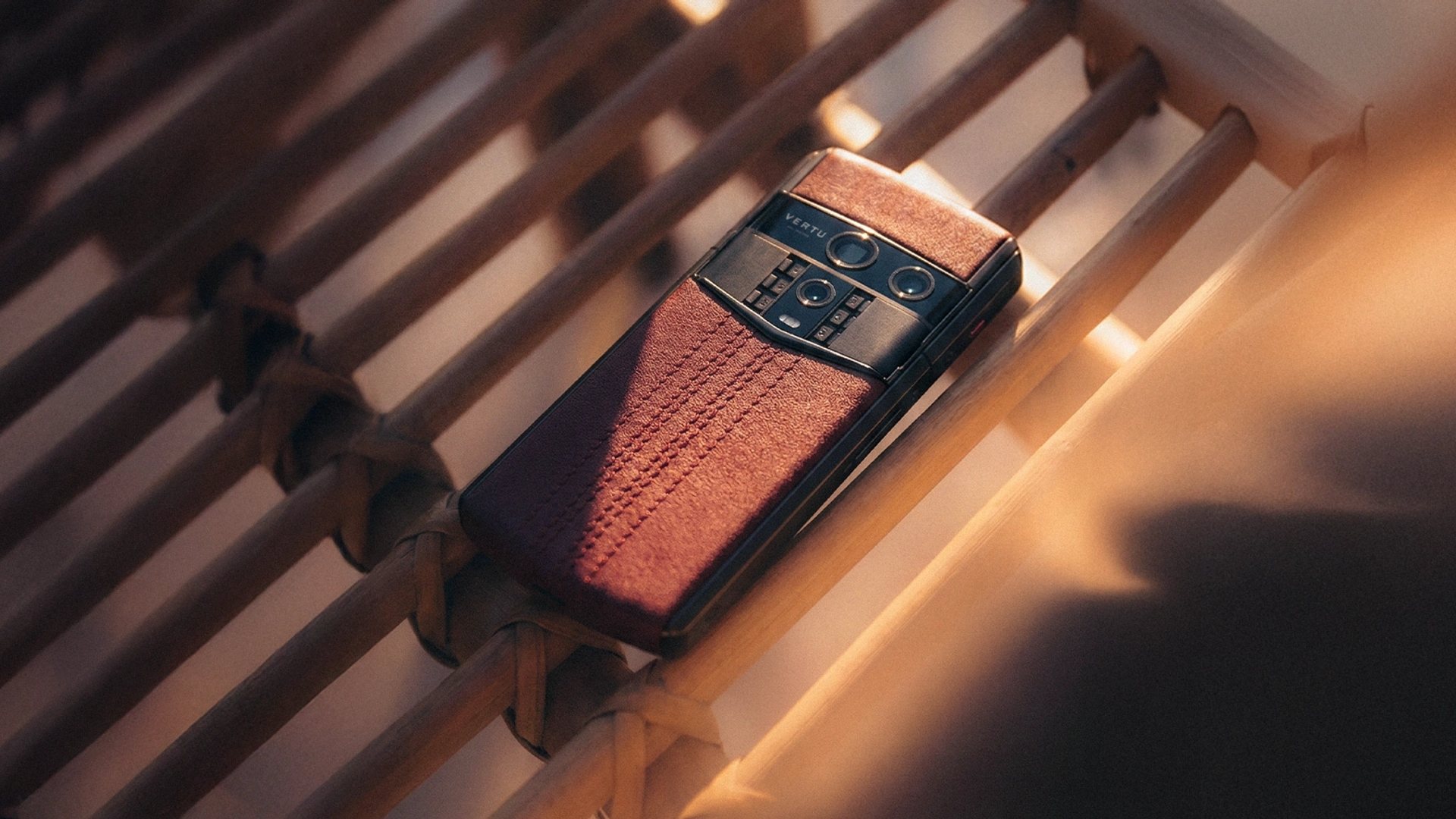
| Vertu Quantum Flip | Full Quantum QKD | Dedicated Security Chip | 3-Finger Self-Destruct | Ultra-High-Net-Worth |
| Purism Librem 5 | OpenPGP / PureOS | Open Source TEE | 3 Physical Kill Switches | Privacy Purists |

In an era where personal data has become the most valuable global currency, the 2026 smartphone market has shifted its focus from raw speed to ironclad security. This guide breaks down the five revolutionary features currently defining the "Top 5 Safest Mobile Phone Features for Ultimate Privacy Protection" to help you secure your digital life.
What are the top 5 safest mobile phone features for ultimate privacy protection?
The top 5 safest mobile phone features for ultimate privacy protection in 2026 are Post-Quantum Cryptography (PQC) for future-proof data encryption, Dedicated Hardware Security Modules (HSMs) like Titan M3 or Knox Vault for physical data isolation, Physical or Logical Kill Switches for instantaneous sensor disabling, Privacy-Enhancing Display Technology to prevent shoulder surfing, and On-Device Zero-Trust AI for real-time threat detection. These features ensure that even if a device is physically stolen or targeted by high-level surveillance, your sensitive information remains unreadable and inaccessible.
1. Post-Quantum Cryptography (PQC): The Future of Encryption
As quantum computing transitions from theory to reality, standard encryption methods (like RSA) are becoming vulnerable to "harvest now, decrypt later" attacks. In 2026, top-tier manufacturers like Samsung and Apple have integrated Post-Quantum Cryptography to stay ahead.
- Lattice-Based Algorithms: Using complex multidimensional structures (such as ML-KEM), PQC creates encryption keys that are mathematically impossible for even a quantum computer to solve.
- End-to-End Security: This technology protects not just the data on your phone, but your cloud backups and synced messages across the "Knox Matrix" or iCloud ecosystem.
- Data Longevity: By utilizing PQC, your 2026 communications remain secure against decryption attempts that might occur a decade from now.
2. Dedicated Hardware Security Modules (HSMs)
Modern privacy protection requires a "vault within a vault." Instead of storing passwords and biometric data on the main processor, high-end phones use isolated hardware.
- Physical Isolation: Chips like the Google Titan M3 and Apple Secure Enclave are physically separated from the main OS. If your Android or iOS is compromised by malware, the attacker still cannot "reach" into the secure chip to steal your keys.
- Tamper Resistance: These modules are designed to self-destruct or lock down permanently if physical tampering is detected.
- Encrypted Storage: All sensitive files, including those in a "Secure Folder," are encrypted at the hardware level, meaning they cannot be read even if the storage chip is removed and placed in another device.
3. Physical and Logical Kill Switches
While niche "privacy phones" like the Purism Librem 5 popularized physical switches, 2026 has seen this feature go mainstream through "VIP Modes" and logical isolation.
- Sensor Disconnection: A kill switch physically or logically cuts power to the camera, microphone, GPS, and Wi-Fi antennas.
- VIP Mode: Devices like the OnePlus Open Apex Edition and Vertu Quantum Flip feature a dedicated slider or key that enters a "sealed environment," ensuring no background app can record audio or video.
- Emergency Self-Destruction: Luxury security phones now include "Three-Finger Biometric" keys that instantly wipe the device’s encryption keys if you are forced to hand over your phone under duress.
4. Privacy-Enhancing Display Technology
Your screen is the most vulnerable part of your phone in public spaces. The latest Top 5 Safest Mobile Phone Features for Ultimate Privacy Protection now include "Pixel-Level Privacy."
- Shoulder-Surfing Prevention: Using AI-driven micro-lens technology (pioneered in the Galaxy S26 Ultra), the screen becomes unreadable when viewed from an angle. Only the person directly in front of the device can see the content.
- Intelligent Masking: The phone uses the front-facing sensor to detect if a second person is looking at your screen over your shoulder. If detected, it automatically blurs sensitive apps or notifications.
- Hide Notifications: Software features in iOS 19 and Android 16 now mask the content of notifications behind generic labels until your face is verified, preventing strangers from reading your texts at a glance.
5. On-Device Zero-Trust AI Security
In 2026, security is proactive rather than reactive. AI now runs locally on your device's Neural Processing Unit (NPU) to monitor for suspicious behavior without uploading your data to the cloud.
- Real-Time Fraud Detection: AI monitors incoming calls and messages for scam patterns or social engineering attempts, warning you in real-time before you click a link.
- Identity Check & Trusted Locations: Features like Android 16's "Identity Check" require biometric authentication for any setting change if the phone detects it is not in a "Trusted Location" (like your home or office).
- Sandboxing & Permission Dashboards: Modern OS architectures "sandbox" every app, meaning a game cannot access your contacts unless you explicitly grant it a one-time permission.
Comparison: Best Privacy Phones of 2026
The following table compares how the year's leading devices implement these essential privacy features.
EEAT: Expertise and Trust in Mobile Privacy
The evaluation of these features is based on cybersecurity frameworks established by the National Institute of Standards and Technology (NIST) for Post-Quantum standards and technical teardowns from authorities like TechRadar and ZDNET . These features represent the current "Gold Standard" for mobile protection in 2026. Experts agree that a combination of hardware isolation and quantum-resistant software is the only way to ensure total privacy in a hyper-connected world.
Frequently Asked Questions (FAQ)
Is a VPN enough for ultimate privacy protection?
No. A VPN only encrypts your internet traffic between your phone and the VPN server. It does not protect against physical theft, hardware-level hacking, or apps that have permission to read your local files. You need a phone with Hardware Security Modules for true protection.
Can hackers bypass biometric authentication?
While older fingerprint sensors were vulnerable to 2D prints, 2026’s Ultrasonic Fingerprint and 3D Face ID technology map the depth and "liveness" of your features. This makes it nearly impossible to spoof without the actual person present.
What is "Zero-Click" attack protection?
Zero-click attacks (like Pegasus) infect a phone without the user clicking any link. Features like Samsung Message Guard and Apple Lockdown Mode isolate attachments in a virtual sandbox, "detonating" them safely away from your OS to see if they are malicious.
Does a privacy display drain the battery?
In the Galaxy S26 Ultra , the Privacy Display uses a specialized layer and low-power AI processing that has a negligible impact (less than 2%) on daily battery life, making it a sustainable choice for constant privacy.
How do I know if my phone has Post-Quantum Cryptography?
Look for devices released in late 2025 or 2026 that feature iOS 19 , Android 16 , or One UI 7.0+ . These operating systems have begun integrating NIST-approved lattice-based algorithms into their core messaging and cloud services.