Key Takeaways
- No smartphone is completely secure or immune to hacking. Security depends on the device, software updates, settings, apps and user behaviour.
- For most buyers, a current iPhone or Android flagship with active security updates is a more practical choice than an unsupported phone marketed as “unhackable”.
- Before buying high security phones in India, check the exact model’s update policy, regional availability, warranty and service support.
- Business users should also consider mobile-device management, work-profile controls and their organisation’s security requirements.
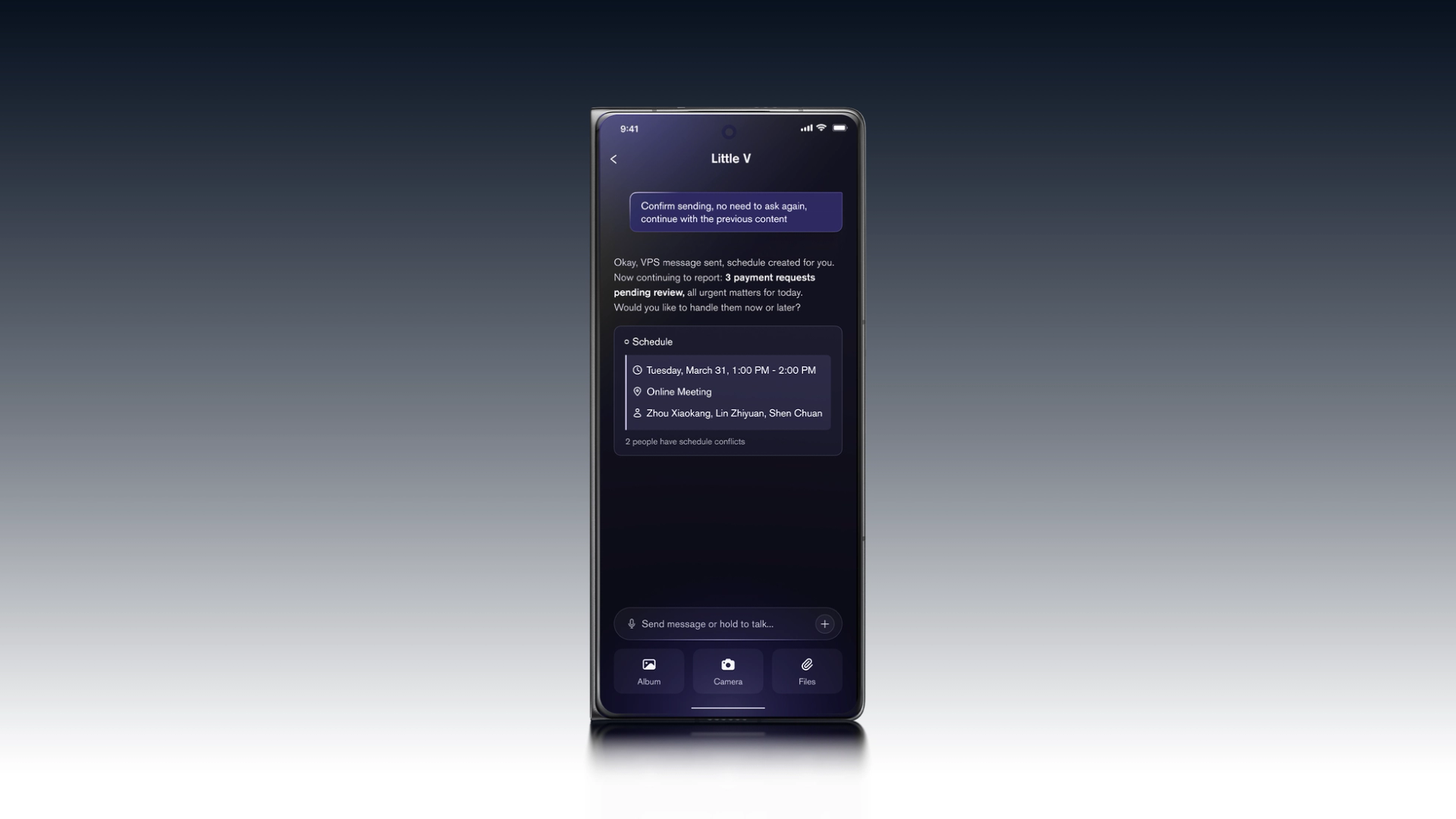
- VERTU Agent Q is a luxury smartphone option to assess using its official product information; premium positioning alone is not proof of absolute security.
When comparing high security phones in India, look for ongoing security updates, strong device-level protection, privacy controls and a support policy that fits how long you plan to keep the phone. No model can guarantee complete protection: security also depends on installed apps, account settings, network use and how quickly vulnerabilities are patched.
What Makes a Phone High Security?
A secure phone is not defined by a single feature or brand claim. It combines hardware protections, operating-system updates, app controls and clear privacy settings. Before comparing models, decide what you want to protect—personal accounts, business data, sensitive communications or a child’s device—and from which risks.
- Security updates: Regular patches help address newly discovered software vulnerabilities. Check the manufacturer’s commitment for the exact model and region.
- Hardware protection: Modern devices may use secure hardware components to protect credentials and encryption keys. Implementation and features vary by model.
- Privacy controls: Review permissions, location access, microphone and camera indicators, and options to limit tracking.
- App security: Official app stores, app permissions and timely app updates all affect a device’s exposure.
- Account protection: Strong passcodes, multifactor authentication and account-recovery settings are essential parts of phone security.
- Support and repair: A phone is only a sensible long-term choice if updates, warranty service and repairs are available where you use it.
“High security” should be understood as a relative assessment, not a promise that a device cannot be compromised. Android users can review Android security and privacy protections alongside the update policy for their specific phone. Even a well-maintained device can be exposed through phishing, stolen credentials, unsafe apps or delayed updates.
How to Compare High Security Phones in India
To choose among high security phones in India, compare the precise regional model rather than relying only on the product-family name. The same phone may have different software, network configurations, warranty terms or availability across markets.
1. Verify the security-update policy
Find the manufacturer’s published update commitment for the exact model. Check whether the period covers operating-system upgrades, security patches or both, and when the support clock begins. Do not assume that a phone receives updates simply because it is a recent flagship.
2. Check privacy and security settings
Review the operating system’s controls for app permissions, location, camera, microphone, passkeys and account access. A long feature list is less useful if the settings are difficult to understand or if the apps you depend on require broad permissions. For a practical look at what information a smartphone can collect, review how apps and device services may use personal data.
3. Consider your work requirements
Companies may require device-management support, work profiles, remote configuration or compliance with internal policies. A consumer phone that is secure for ordinary personal use may not meet a regulated organisation’s requirements. Ask your IT team before purchasing a phone for business data.
4. Confirm India-specific availability and support
Check that the model is officially sold or supported in India, that the warranty applies locally, and that authorised repair is accessible. Grey-market imports can complicate software support, service and replacement parts.
10 High Security Phones to Consider in India
The phones below represent categories buyers may evaluate: mainstream iOS and Android devices, privacy-focused options and specialist secure handsets. This is a shortlist for research, not a claim that every model is currently available or supported in India. Before buying, verify the exact model’s local sales status, update commitment, software version and service arrangements.
1. VERTU Agent Q
VERTU Agent Q is a luxury smartphone option for buyers assessing premium devices alongside privacy considerations. Review the VERTU Agent Q product information and verify the exact model and configuration available in your market. Luxury materials or price alone do not establish stronger cybersecurity. For broader model details, consult the official VERTU phone collection.
For a VERTU-specific overview, see VERTU’s data-protection and cybersecurity features. Evaluate product claims against the documentation for the exact device; do not interpret them as a guarantee against every threat.
2. Apple iPhone Pro series
A current iPhone Pro model may suit users who prefer Apple’s integrated hardware and software ecosystem and want built-in privacy controls. Compare the current generation’s support policy, account-protection options and app-permission settings. Availability, pricing and feature availability should be checked through Apple India or an authorised seller.
3. Google Pixel Pro series
Pixel Pro phones are worth considering for buyers who want Google’s Android experience and security features integrated into the operating system. Check the update commitment for the specific generation and whether the model is officially available and serviced in India. Do not assume every Pixel feature is available in every country.
4. Samsung Galaxy S Ultra series
Samsung’s Galaxy S Ultra models may suit users seeking a mainstream Android flagship with a broad set of device and account controls. Compare the model’s update policy, privacy dashboard, secure-folder options and business-management compatibility. Confirm the India variant and support terms rather than relying on specifications from another region.
5. Samsung Galaxy S series
The standard Galaxy S line can be a more compact alternative to Ultra models while retaining many of the same software-platform protections. The exact feature set differs by generation and market. Check update coverage, storage configuration and local service support for the specific handset.
6. Google Pixel A series
A Pixel A-series phone may be relevant if you want a simpler Google smartphone at a lower price than a Pro model. Security suitability depends on the generation’s update period and its availability in India. Compare the support lifecycle with your expected replacement cycle before choosing.
7. Apple iPhone standard series
The standard iPhone range can provide many of the same operating-system privacy controls as Pro models, while differing in camera hardware and other features. Choose based on your actual needs rather than assuming the more expensive tier is automatically more secure. Verify the current model’s support and India warranty.
8. Samsung Galaxy Z series
Samsung’s foldable Galaxy Z models may be considered when a foldable form factor is important. Security evaluation should include the same software and account criteria as any smartphone, plus the practical implications of repair, warranty and screen servicing. Check the exact foldable model’s India support and update policy.
9. Purism Librem 5
Purism Librem 5 is positioned as a privacy-focused Linux phone and may interest technically experienced users who value control over software and hardware functions. It is not a direct substitute for every mainstream Android or iOS app experience. Buyers in India should confirm cellular-band compatibility, availability, shipping, support and the suitability of its software for daily use.
10. Bittium Tough Mobile series
Bittium’s Tough Mobile line is a specialist option often considered for organisational or high-assurance use cases. It should not be treated as a general consumer recommendation without confirming the product’s current generation, deployment requirements, procurement route and support in India. Organisations should evaluate it against their own security policies and vendor documentation.
Which Is the Best Secured Mobile Phone in India to Buy?
There is no single best secured mobile phone in India for every buyer. For ordinary personal use, start with a current model that has a clear, active update policy and privacy settings you can manage. For business use, confirm compatibility with your employer’s device-management and compliance requirements. For specialist or sensitive work, involve your organisation’s security team and assess the threat model before choosing a device.
Do not choose solely on claims such as “unhackable”, “military-grade” or “maximum security”. Ask what the claim means, which model it applies to, what documentation supports it, and how long the device will receive security updates.
Practical Steps to Secure Your Phone
- Install operating-system and app updates promptly.
- Use a strong passcode and enable multifactor authentication for important accounts.
- Install apps only from trusted sources and review permissions regularly.
- Enable device encryption and remote-lock or erase features where available.
- Use a password manager and avoid reusing passwords across accounts.
- Be cautious with unexpected links, attachments, QR codes and requests for verification codes.
- Back up important data securely and test that you can restore it.
Frequently Asked Questions
Which is the best secured mobile phone in India to buy?
The best choice depends on your needs and the exact model’s support in India. For most users, prioritise a current phone with a transparent security-update policy, useful privacy controls and accessible local service. Business and specialist users should also check organisational requirements.
Can any phone be completely secure?
No. A phone can reduce risk through hardware and software protections, but no device can guarantee immunity from every attack. Updates, app choices, account security and user behaviour remain important.
Are iPhones more secure than Android phones?
Neither platform is automatically more secure in every situation. Security depends on the specific model, update support, settings, apps and how the device is used. Compare current support policies and the controls you need rather than relying on a brand-wide generalisation.
Does encryption make a phone unhackable?
No. Encryption can help protect stored data, particularly when a device is locked, but it does not prevent every attack. Phishing, malicious apps, compromised accounts and software vulnerabilities can still create risks.
Should I buy a specialised secure phone for personal use?
Only if its features and limitations match your needs. Specialist phones may offer a different software experience, and app compatibility, service or availability can be limited. Confirm those trade-offs before buying, especially if you rely on Indian banking, messaging or government-service apps.
Conclusion
Choosing among high security phones in India means looking beyond marketing language. Compare update support, privacy controls, hardware protections, India-specific warranty and the apps you need. Select a phone suited to your threat model, keep it updated and secure your accounts. These steps are more meaningful than treating any device as impossible to hack.