An expensive Android phone isn’t always the one with the best camera or the brightest display.
At the far end of the market, “expensive” becomes a blend of material science, jewelry-grade finishing, hand assembly, and—often—access to services that look more like a private office than a support desk.
If you’ve searched for luxury Android phones, this is the part of the market you’re really brushing up against.
What makes an Android phone “expensive” at the ultra‑luxury end
A mainstream flagship is priced around performance and scale. An ultra-luxury smartphone is priced around scarcity and craft.
According to VERTU’s US-market explainer on premium vs ultra‑luxury phones, ultra‑luxury pricing is usually driven by a different stack of value:
- Materials you can’t fake cheaply: solid precious metals, sapphire crystal, exotic leathers, gemstones.
- Hand assembly: not “hand-finished,” but meaningfully artisan-built.
- Limited availability: small batches, commissions, or true limited editions.
- Ownership experience: concierge and lifestyle services, priority access, and white-glove support.
- Privacy posture: hardware-level security and design choices that favor discretion over mass-market features.
Collector’s note: In this segment, “most expensive” often means most costly to build and deliver as an experience—not “best value.” It’s functional art you can carry.
Premium flagship vs ultra‑luxury: don’t confuse the categories
A $1,200–$2,000 Android flagship is expensive, but it’s not usually ultra‑luxury.
The practical difference is simple: premium flagships are mass-produced to be the best computers in your pocket; ultra‑luxury phones are designed to be rare objects with a services layer.
If a list mixes categories, you’ll see it immediately—flagship phones are priced in the low thousands; ultra‑luxury models start in the five figures and can jump dramatically depending on gemstones, customization, and edition limits.
The most expensive Android phones (ultra‑luxury tier)
Selection criteria: This list prioritizes (1) credible, publicly stated pricing (or clearly labeled price ranges), (2) ultra‑luxury build and positioning, and (3) Android as the operating system (not iPhone modifications).
1) VERTU Signature Cobra (limited edition)
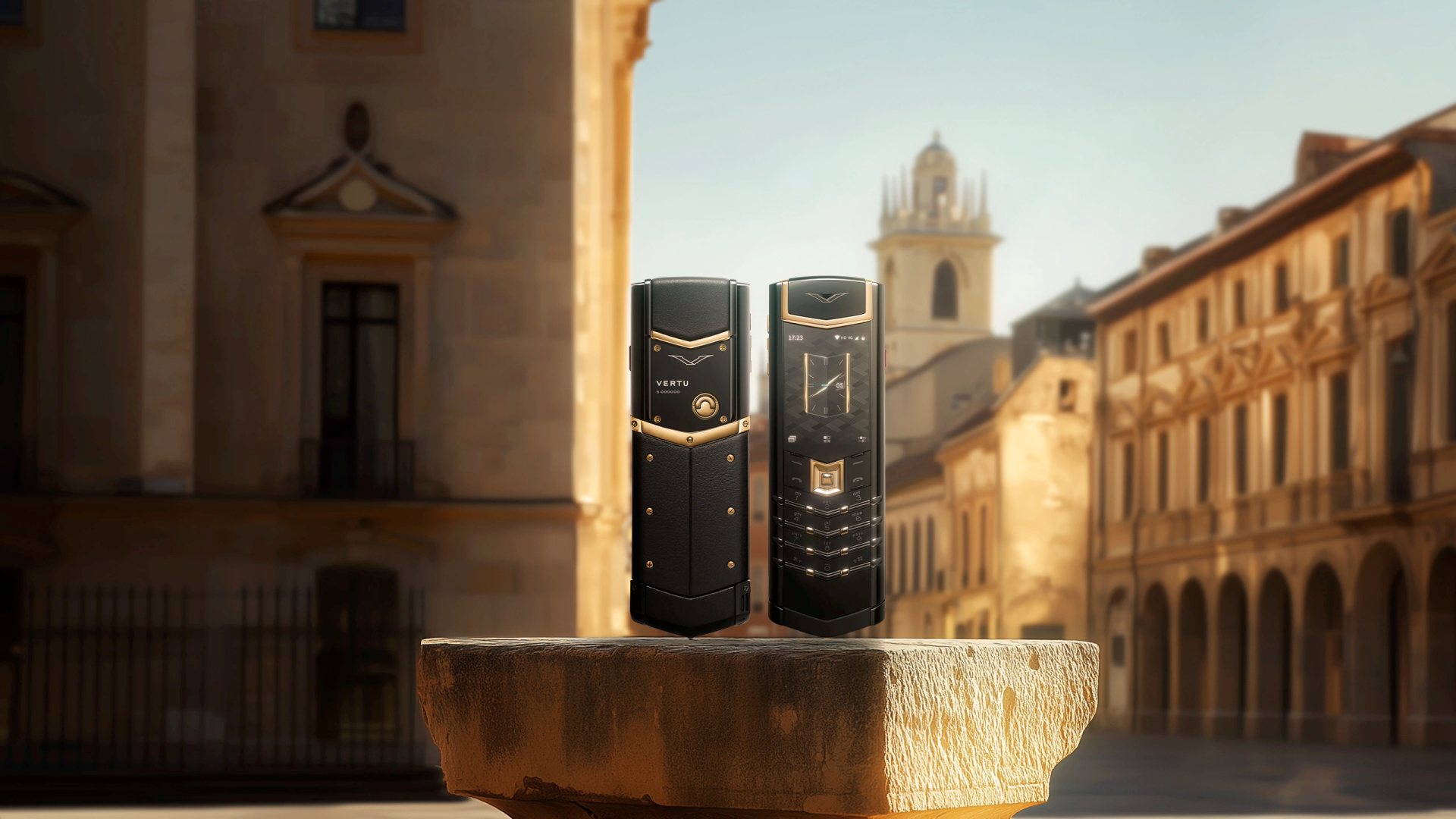
If you want a single symbol for how far “phone pricing” can stretch, it’s the Signature Cobra.
VERTU lists the VERTU Signature Cobra Limited Edition at $504,308 at the time of writing, and the page reads less like a spec sheet and more like a build ledger: it calls out 83 carats of sapphire crystal, a patented ruby keypad with 4.75 carats of ruby bearings, and a solid-gold hot‑swap SIM drawer, alongside 24/7 concierge service and personalization.
What makes it expensive isn’t “more megapixels.” It’s jewelry-grade materials, handwork, and the reality that availability for pieces like this is inherently constrained.
2) VERTU Metavertu Max (pricing spans by configuration)
Not every ultra‑luxury phone is a half‑million‑dollar statement piece. Some are built to live at the intersection of modern Android hardware and luxury finishes.
VERTU’s roundup of the most expensive Android phones (2026) places Metavertu Max in a high-price bracket and describes configuration-based pricing rather than a single fixed number.
If you’re evaluating this tier, treat the price as a range—materials and bespoke options are often the difference between “luxury” and “collector-grade.”
3) VERTU Quantum Flip (foldable luxury, priced by tier)
Foldables create a natural canvas for luxury because the hinge, frame, and finish are tactile—and the object is meant to be handled.
The Quantum Flip appears in VERTU’s 2026 roundup as a tiered-price device, positioned as a piece where craftsmanship, materials, and modern form factor share the spotlight.
4) VERTU Agent Q (concept-level luxury Android)
The same list ranks Agent Q at the top of its Android roundup.
In this category, it’s worth reading claims as positioning: the point is not just the bill of materials, but the attempt to merge luxury construction, AI-forward features, and a high-touch ownership experience.
How to verify: When a luxury phone’s marketing leans heavily on future-forward language, anchor your evaluation to three questions: (1) What’s the OS? (2) What’s the service layer (concierge, support)? (3) What materials are explicitly disclosed on official pages?
5) “Luxury editions” of mainstream Android phones (Caviar-style customization)
There’s a separate tier that’s expensive in a different way: customized editions of mainstream Android flagships.
These phones often start life as a Samsung foldable or Ultra model, then get redesigned with gold, carbon fiber, or gemstones. The OS and core experience are still “mainstream flagship”—the luxury is in the exterior and the commissioning.
This matters because buyers can overpay if they assume the underlying phone is rare or handcrafted. In many cases, what’s truly scarce is the finish or the commission, not the hardware platform.
6) High-price flagships (expensive, but not ultra‑luxury)
For context, lists frequently include phones like Samsung’s top foldables and Ultra models because they represent the upper end of mass-market Android.
They’re expensive—and excellent—but they’re not “ultra‑luxury” in the same sense as a handcrafted, limited-run device.
Why prices differ across sources
If you search this topic, you’ll see wildly different numbers for the same model.
That’s usually because the word “price” is doing too much work:
- Listed retail price (official site)
- Reported launch pricing (press coverage)
- Commission price (bespoke materials and personalization)
- Aftermarket / collector pricing (availability changes everything)
This is one reason broad “most expensive phones” lists can be misleading: they often blend iPhone modifications, Android phones, and even non-smartphone luxury devices, with thin sourcing. A typical example is LuxuryProperty’s “Top 13 most expensive phones in the world (2026)” list, which mixes categories and doesn’t always provide direct manufacturer citations.
How to verify authenticity (and avoid paying for a story)
At the ultra-luxury end, the best buyer move is skepticism with taste.
- Start with the official product page (not a reseller screenshot).
- Confirm what’s actually being sold: a full Android smartphone, a customized flagship, or a luxury feature phone.
- Look for disclosed materials (sapphire, gold, ruby, leather) and match them to the maker’s language.
- Ask how service works: concierge access, warranty terms, and support channel.
- Treat rarity claims as a separate fact: “limited” and “limited to X pieces” aren’t the same.
If you want to explore how the ultra‑luxury category is defined, start with VERTU’s guide to premium vs ultra‑luxury (linked above), then browse the breadth of the VERTU Signature collection to see how materials, editions, and pricing tiers map across a lineup.
FAQ
Are the most expensive Android phones “better” than the best Samsung or Google phone?
Not in the way most people mean “better.” Premium flagships usually win on camera systems, update cadence, and overall value. Ultra‑luxury phones win on materials, finishing, scarcity, and service layers.
Is the VERTU Signature Cobra actually an Android phone?
VERTU’s official product listing for the Signature Cobra Limited Edition includes an “OS: Android” line along with “VERTU OS.” If this distinction matters for your use case (Google Play apps, modern Android features), confirm the exact Android version and app ecosystem support with concierge before purchase.
What’s a reasonable way to think about price at this level?
Think in three buckets: (1) the device as an object (materials + craft), (2) the device as technology (OS + security + performance), and (3) the device as membership (service + access). Most of the money is usually in bucket one and three.
What should I ask for if I’m commissioning a bespoke phone?
Ask for a clear statement of what’s standard vs custom, what’s guaranteed (materials, edition size, delivery), and which parts of the experience are services rather than hardware.