The 2026 World Cup is set to be an absolute milestone in sporting history. Spanning three countries—the United States, Canada, and Mexico—it promises breathtaking matches, high-octane energy, and an unprecedented level of global travel. For high-net-worth individuals, corporate executives, and VIP fans who have already secured their luxury itineraries, attending this mega-event is the ultimate summer plan.
However, crossing borders to follow your favorite teams comes with a shadow tech-side that most people completely overlook. As you pack your team jerseys, there is one critical question you need to ask: Is your digital data as safe as your match tickets?
From international airport lounges to packed stadiums with 80,000 screaming fans, your smartphone constantly broadcasts who you are, where you are, and what secrets you hold. In the excitement of the game, maintaining your travel privacy is no longer just a technical choice—it is a vital part of personal safety. To stay protected, upgrading to a dedicated encrypted phone is becoming the new standard for the modern elite traveler.
The Tri-Border Travel Trap: What Happens at the Border?
When the World Cup kicks off across North America, many fans will be hopping on flights between New York, Toronto, and Mexico City. This cross-border jumping creates a unique headache for digital privacy.
When you cross international borders, standard privacy rules often change. Border control agencies in various countries have strict regulations regarding digital device inspections. If your phone is unlocked or relies on standard commercial security, everything on it—your private family photos, confidential corporate emails, and bank login details—is technically accessible if a manual or digital screening occurs.
Furthermore, simply setting foot in a foreign airport exposes your device to sophisticated tracking. Automated networks can log your phone’s unique hardware address the moment you scan for Wi-Fi. For individuals who manage high-stakes businesses while traveling, this initial entry point is the first crack in their digital armor.
The Stadium Trap: How 'Data Thieves' Listen in the Crowd
Imagine sitting in a packed stadium. The energy is electric, the crowd is roaring, and you want to send a quick video or check a business email during halftime. Because cellular networks get heavily congested when 80,000 people use them simultaneously, most fans immediately look for any available Wi-Fi or local network boost.
This is exactly where cybercriminals strike, using simple tactics that anyone can understand:
- The "Evil Twin" Wi-Fi: Hackers set up free, open Wi-Fi networks and name them something comforting like “Stadium_VIP_Free_WiFi” or “FirstClass_Lounge_5G”. Once you click connect, they can see every unencrypted website you browse, every password you type, and every message you send.
- The Signal Imposters: Tech-savvy thieves can deploy small, suitcase-sized devices near stadiums that pretend to be legitimate cell phone towers. Your standard phone automatically connects to the strongest signal available. Once connected, these devices act as a middleman, silently copying your calls and text messages before sending them on to the real network.
To the average user, the phone looks like it is working perfectly normally. But behind the scenes, your private conversations are being intercepted.
High-Stakes Risks: What Are You Actually Losing?
For a casual tourist, a compromised phone might mean a stolen social media account. But for corporate executives, investors, and VIP audiences, the consequences of a digital breach are devastating. Many of these high-value attendees spend months organizing their trips, securing premium FIFA World Cup 2026 tickets and VIP access to experience the games in absolute comfort, yet they overlook the digital liabilities that come with prestige travel.
If you are an executive checking a confidential contract or reviewing a merger proposal from your stadium seat, an unencrypted phone makes you an easy target. Corporate spies know that high-value targets gather at the World Cup, and they actively monitor luxury hotel networks and VIP suites to steal corporate intelligence.
Furthermore, elite travelers who book exclusive FIFA World Cup 2026 hospitality packages are often targeted by tailored phishing scams. If a hacker intercepts your digital footprint, they do not just get your password; they can clone your digital identity, access your private banking apps, or hold your sensitive corporate data for ransom.
Many people believe that using a standard commercial smartphone with a basic, downloadable VPN app makes them safe. It doesn't. Modern, targeted attacks easily bypass basic software-level protections. True security requires protection built directly into the phone’s physical hardware.
How to Protect Your Travel Privacy: A Practical Blueprint
Enjoying the matches shouldn't mean leaving your security to chance. Here is a practical, non-technical checklist to keep your digital life secure while traveling through the host cities:
- Turn Off Automatic Connections: Go into your phone settings and disable "Auto-Join Wi-Fi" and "Auto-Connect Bluetooth." Force your phone to ask for your permission every single time it attempts to connect to an external source.
- Avoid Public Charging Kiosks: Cybercriminals can modify public USB charging stations at airports and stadiums to pump malicious software into your phone while it charges—a threat known as "juice jacking." Always carry your own portable power bank or use a power-only USB cable.
- Use Hardware-Level Shielding: Move away from relying solely on security apps. The safest data is data that is locked inside a physical, secure microchip built into the phone itself, completely separated from the main operating system.
5. VERTU: The Silent Digital Bodyguard for the Modern Elite
In this high-risk travel environment, a standard smartphone simply isn't enough to guarantee peace of mind. This is where VERTU, the pioneer of luxury mobile craftsmanship, provides the ultimate digital shield.
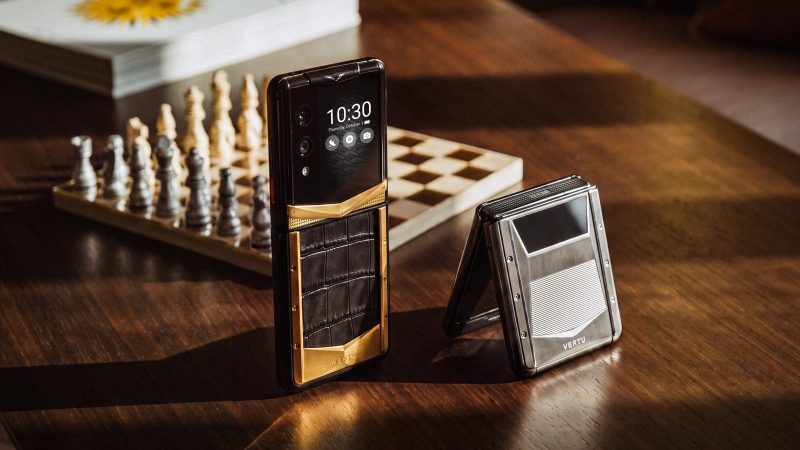
Known for combining exquisite British heritage with cutting-edge security technology, VERTU devices are designed specifically for individuals who cannot compromise on data safety. Rather than relying on fragile software patches, VERTU integrates advanced, hardware-level encryption directly into its smartphones. Whether you are using their sleek flagship models or their highly anticipated, ultra-premium foldable phones, your calls, messages, and sensitive business data are locked behind a military-grade cryptographic fortress.
As you navigate the bustling cross-border transit lines and crowded luxury suites of the 2026 World Cup, a VERTU phone acts as a silent digital bodyguard. It ensures that while you are immersed in the world’s greatest sporting spectacle, your personal travel privacy and global business operations remain entirely invisible to outside threats.
Conclusion: Enjoy the Game, Secure the Journey
The 2026 World Cup promises to deliver unforgettable moments on the pitch. However, the true luxury of attending such an event is the ability to enjoy it with complete peace of mind, knowing that your personal life, financial assets, and business empires are fully protected.
Don't let a single moment of digital carelessness ruin a historic journey. By understanding the simple realities of mobile tracking, practicing smart network habits, and carrying a dedicated encrypted phone, you can shield your personal space flawlessly.
Keep your eyes on the game, enjoy the vibrant cultures of North America, and let advanced technology quietly handle your defense.