

Key Takeaways
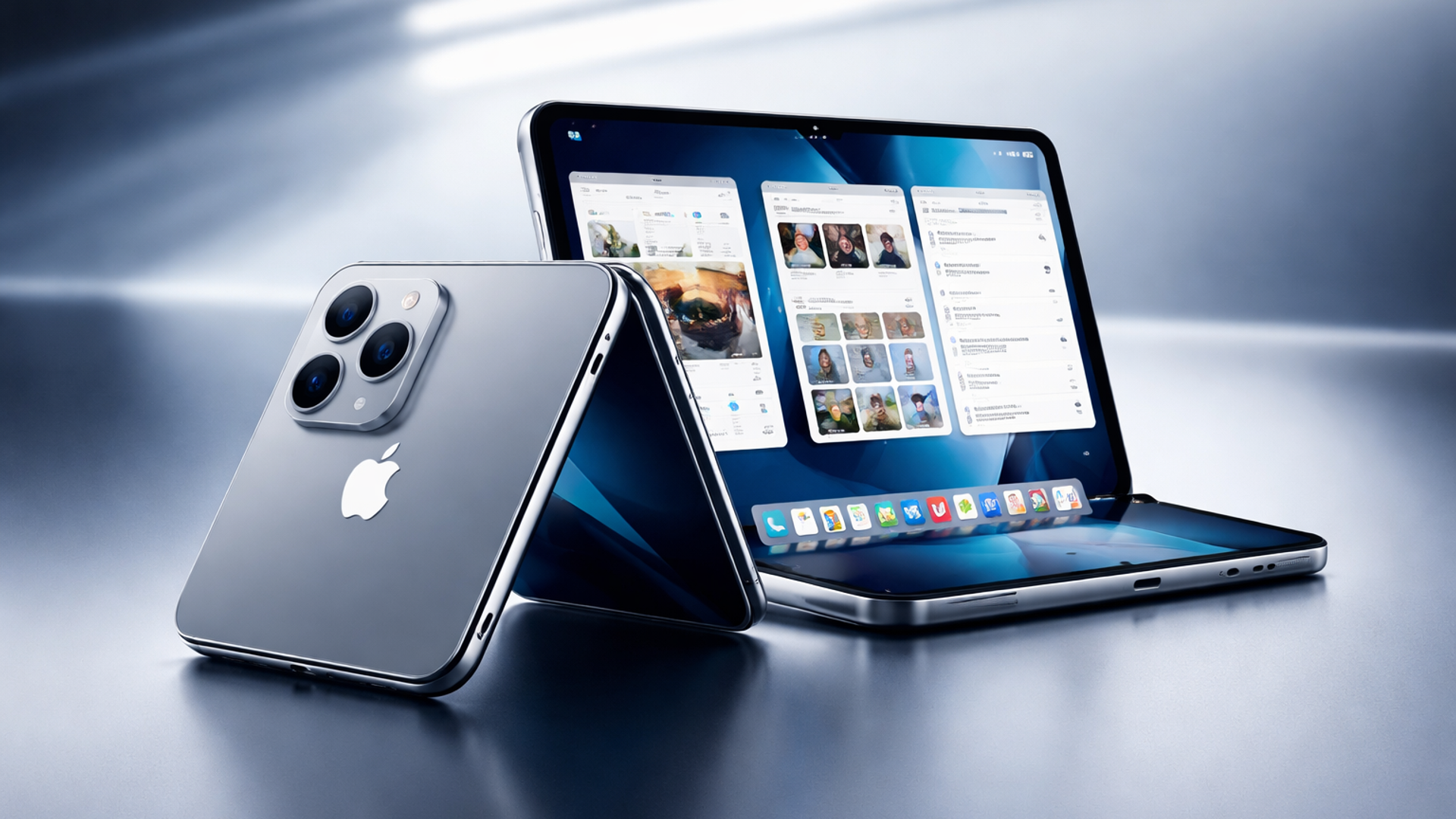
- Apple’s foldable iPhone is expected to deliver an iPad-like experience when unfolded
- The device may redefine mobile productivity rather than simply expand screen size
- Foldables are evolving from hardware innovation into a new category of personal computing
- A true luxury foldable goes beyond specs—into craftsmanship, AI, and real-world service
The Rising Anticipation Around Apple’s Foldable
Foldable smartphones are no longer experimental. What once felt like a niche category has matured into one of the most competitive areas in premium mobile technology. Now, all eyes are on Apple.
Rumors surrounding Apple’s first folding iPhone have triggered a new wave of curiosity. Not just because Apple is entering the space—but because expectations are fundamentally different. Users aren’t simply asking whether Apple can build a foldable. They’re asking what Apple will redefine.
Will it feel like a larger iPhone, or something closer to an iPad? Will it unlock new forms of productivity, or simply enhance existing ones?
At its core, the anticipation is not about the form factor—it’s about the experience.
What Could the Apple Folding Phone Look Like?
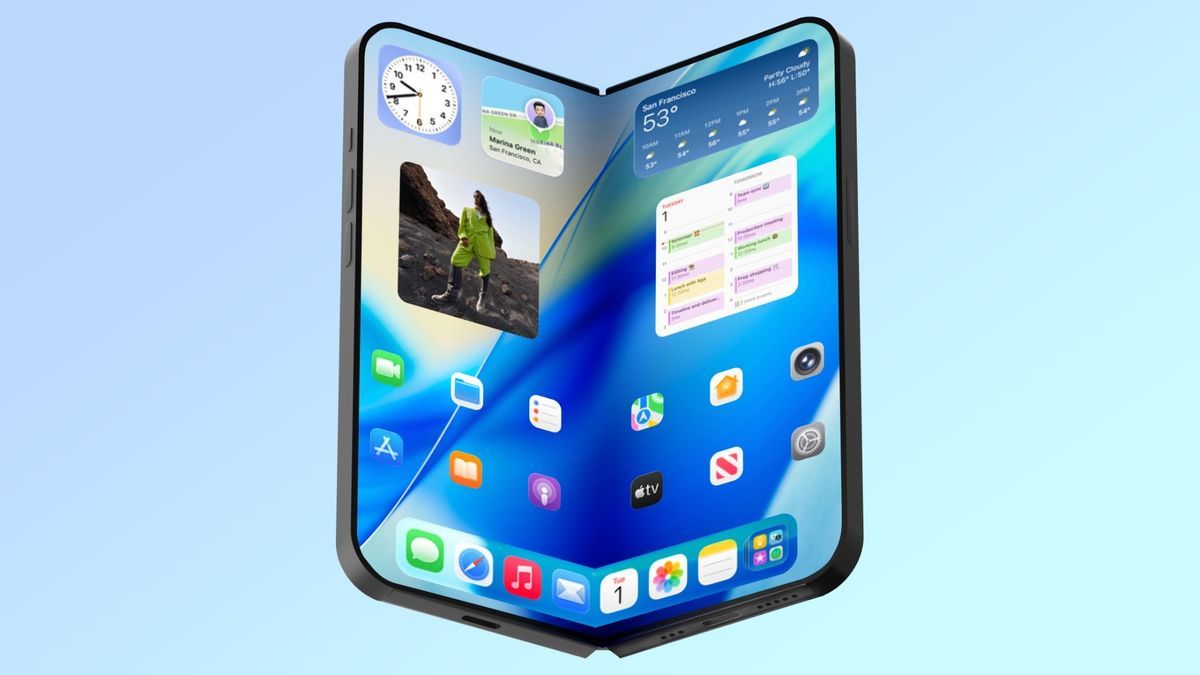
Early reports suggest Apple is approaching foldables with a clear direction: productivity over novelty.
The device is expected to feature a book-style folding design, opening into a display of around 7.8 inches, paired with a smaller external screen. The internal aspect ratio is said to be close to 4:3—remarkably similar to the iPad—making it better suited for reading, multitasking, and content creation.
Rather than positioning it as a larger phone, Apple appears to be designing something closer to a collapsible tablet.
Design will likely follow Apple’s usual philosophy: minimal, precise, and engineered to near perfection. Reports also suggest a focus on reducing or eliminating the visible crease—one of the most persistent challenges in foldable displays—along with an ultra-thin unfolded profile.
This is not just a bigger phone—but a device that adapts to how you work and think.
Performance Expectations: iPad Power in Your Pocket
If hardware defines the form, software will define the experience—and this is where Apple’s foldable could stand apart.
One of the most compelling expectations is the introduction of an iPad-like interface when the device is unfolded.
This suggests a significant shift in how iOS behaves. Instead of scaling up a phone interface, Apple may introduce a more flexible layout system—closer to iPadOS—with support for:
- Multi-app workflows
- Split-screen multitasking
- Side-by-side applications
- A more desktop-like navigation structure
In practical terms, this transforms the device from a communication tool into a productivity platform.
For professionals, this could mean handling emails, documents, and meetings simultaneously. For creators, it offers more space and flexibility without needing a separate device.
Under the hood, Apple is expected to equip the foldable with high-end silicon—likely from its A-series Pro lineup, potentially approaching the performance of entry-level tablet chips. Combined with Apple’s growing investment in on-device AI, this opens the door to more intelligent automation, faster processing, and seamless multitasking.
Just as importantly, Apple is expected to redesign parts of iOS to support this new form factor. However, it may stop short of fully merging iPhone and iPad ecosystems.
Apple isn’t merging two devices—it’s carefully redefining the space between them.
A New Category, Not Just a New Phone
What Apple is building may not fit neatly into existing categories.
Today’s foldables are often described as “phones that unfold into tablets.” But this definition is limiting. Apple’s approach suggests something more ambitious: a device that functions as a primary personal computer in your pocket.
This shift matters.
Because once a device moves beyond communication and entertainment—and into productivity, decision-making, and daily workflow—it stops being just a gadget. It becomes infrastructure.
And yet, even if Apple succeeds in redefining the device, one question remains:
Will it redefine the experience?
If Vertu Created a Foldable: What Would Be Different?
This is where the conversation moves beyond technology—and into what high-end users actually expect.
While companies like Apple continue to push the boundaries of performance and design, Vertu approaches mobile devices from a fundamentally different perspective.
Not just as tools—but as extensions of personal identity and lifestyle.
Bespoke Craftsmanship
A Vertu foldable would not begin with specifications. It would begin with materials, craftsmanship, and individuality.
Hand-finished details, rare materials such as fine leather or precious metals, and the ability to personalize every element—from texture to engraving—would transform the device into something closer to a personal artifact than a mass-produced product.
In this context, a foldable is not just innovative—it is distinctly yours.
AI as a Personal Intelligence Layer
Most smartphones today treat AI as a feature. A tool you activate when needed.
Vertu approaches AI differently.
An integrated AI agent is designed to operate as a continuous layer of intelligence, anticipating needs rather than responding to commands. It can manage schedules, filter information, assist with decisions, and adapt to user behavior over time.
This is not about adding functionality. It’s about reducing friction in everyday life.
Concierge Service, Beyond the Device
One of the most defining differences lies in service.
Vertu integrates a 24/7 concierge offering, combining human expertise with intelligent systems. From booking exclusive experiences to arranging travel or securing reservations, the device becomes a gateway to real-world support.
This is not an app. It is a service ecosystem built around the user.
Privacy as a Core Principle
For high-profile users, privacy is not optional—it is essential.
A Vertu device emphasizes secure communication, data protection, and control over digital exposure. The goal is simple: to create a space where users can operate freely, without compromise.
Where Luxury Meets Technology: The Next Evolution of Foldables
It is tempting to frame the future as a choice between technology and luxury. But that framing no longer holds.
Brands like Apple are redefining what devices can do—advancing performance, usability, and integration. At the same time, Vertu is redefining what devices can mean—introducing craftsmanship, service, and personalization into the equation.
The next generation of foldables will not be defined by screens alone.
- Technology provides capability and efficiency
- Luxury provides identity and experience
Together, they create something more complete: a device that is not only powerful—but personal.
The future isn’t about choosing between luxury and technology—it’s about experiencing both, seamlessly.
Conclusion
Apple’s foldable iPhone will likely mark a turning point for the industry. It will raise expectations, accelerate innovation, and bring foldables into the mainstream.
But the evolution of mobile devices does not end with better hardware or smarter software.
The real shift lies in how these devices integrate into our lives.
Because in the end, the most powerful device may not be the one you unfold—but the one that understands you.


![Top 10 Luxury Watches for an African Safari Lodge [Latest]](https://cdn.sanity.io/images/e0gp1l2g/production/00dfa030a876edbe6ea7b146f6b1d8197c7656b0-3840x1860.webp?w=800&h=450&q=82&auto=format&fit=crop)
![Top 10 Luxury Watches for a St Moritz Ski Chalet Weekend [2026 List]](https://cdn.sanity.io/images/e0gp1l2g/production/627abbaf57f9f8012c53d1934a58e74f9ec11066-500x300.jpg?w=800&h=450&q=82&auto=format&fit=crop)