
Gifts
VERTUVERTU
All topics

Health & Longevity

5 articles

Concept illustration of a person viewing a digital display of the heart and blood vessels

How to Read Your Health Check Report

An up arrow means a result is above the laboratory’s reference range; a down arrow means it is below. This guide explains what the flags, units and comments tell you, and how to read eight common results, from blood pressure to thyroid function.

Concept illustration of a DNA double helix and a stylised molecule

Nucleotide Supplements and Biological Age: What a 19-Week Trial Found

A 19-week randomised trial in adults aged 60 to 70 found that 1.2 g of yeast-derived nucleotides a day lowered DNA methylation age by an estimated 3.08 years compared with placebo. Telomere length did not change significantly. Here is what the trial supports, and what it does not.

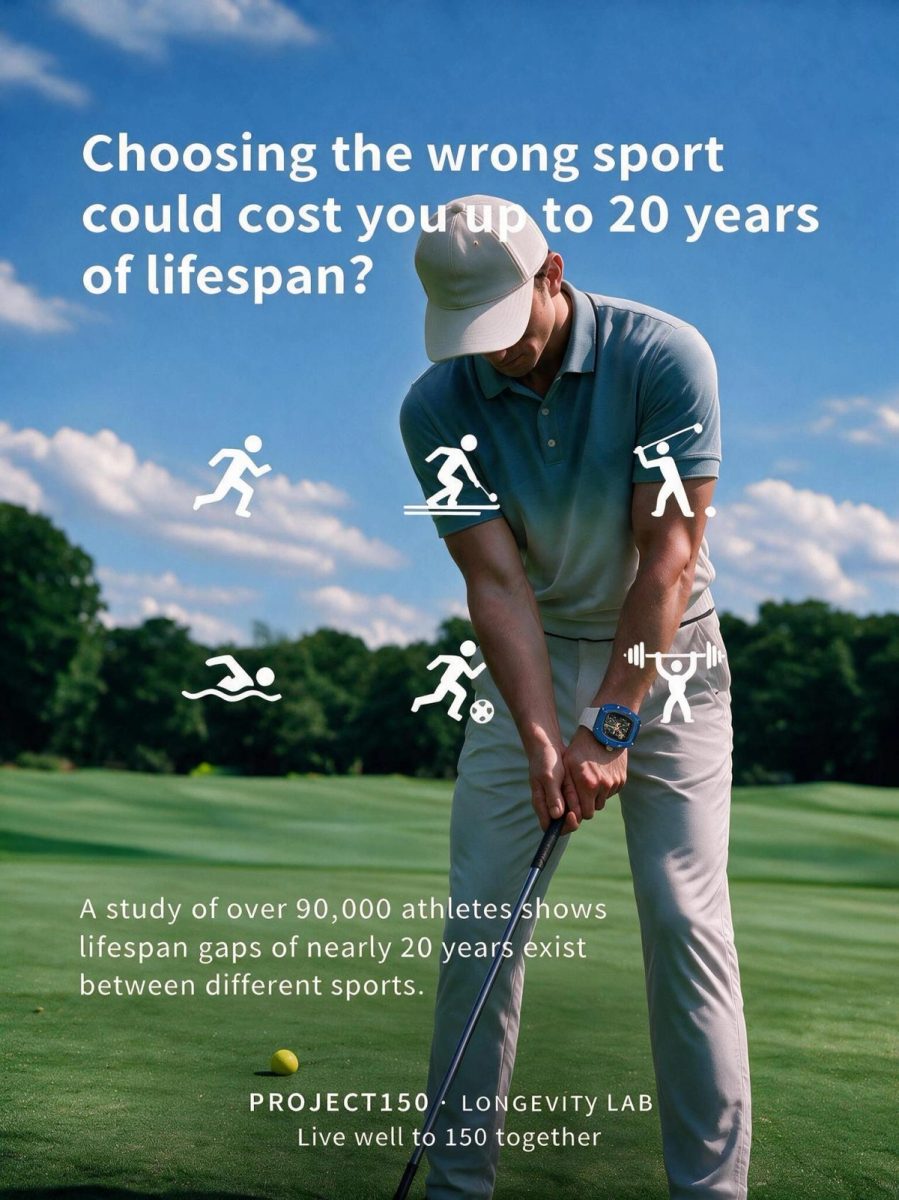
PROJECT150 Longevity Lab poster showing a golfer and six sport icons

Exercise and Longevity: What the Research Can Tell Us

Large studies of athletes and of the general population point the same way: regular activity, genuine intensity and strength training associate with longer lives. This article explains what the research can and cannot tell you about choosing exercise, and when personal support helps.

Woman seated on a yoga mat in natural light

Collagen Loss in Women After 30

Collagen changes with age, and menopause can accelerate the process. Explore what the age 34 study actually measured, how to interpret supplement and stem cell research, and what to ask when considering professional longevity support. Prepare for an informed conversation with a qualified care team.

Editorial illustration for the article on cholesterol after 90 and the limits of the Sardinia longevity study

Cholesterol After 90 and the Limits of the Sardinia Study

A Sardinian study linked higher LDL cholesterol with longer survival in a selected group aged 90 and over. Explore what that association means, how it differs from treatment evidence, and why decisions about cholesterol and statins still need an individual clinical assessment.