| Model | Primary Sensor Specs | Standout Feature | Target Audience |
|---|---|---|---|
| VERTU Agent Q | 50MP Main / 64MP Tele | Swiss-engineered Mechanical Zoom | Luxury & Privacy Conscious |
| Samsung S25 Ultra | 200MP Main | S Pen & 4K 60fps LOG Video | Creative Professionals |
| iPhone 17 Pro | 48MP (All Lenses) | A19 Pro Chip & Video Consistency | Videographers & Creators |
| Oppo Find X9 Pro | 50MP Main / 200MP Tele | 7,500 mAh Silicon-Carbon Battery | Long-range Zoom Enthusiasts |
In 2025, the boundary between the smartphone in your pocket and professional photography equipment has all but vanished. Capturing cinema-quality video or breathtaking portraits no longer requires a heavy gear bag; it simply requires the right device. Yet, with manufacturers constantly pushing the limits of sensor size and computational logic, choosing the right tool is harder than ever. Consequently, the most common question for visual storytellers today is: which phone has the best camera to capture stunning images?
This comprehensive guide dissects the market’s leading contenders, focusing on raw camera prowess, innovative features, and the overall photographic experience. We will delve into the specifications that truly matter, exploring how top-tier devices perform in challenging low-light conditions and dynamic street scenes. Whether you prioritize zoom capabilities or color accuracy, we will help you identify the smartphone that delivers unparalleled clarity and artistic flair. Let’s explore the ultimate devices redefining mobile photography this year.
Top 7 Contenders: The Best Camera Phones of 2025
As mobile imaging technology accelerates, determining which phone has the best camera requires looking beyond mere megapixels to the integration of optics, AI, and user experience. The 2025 lineup offers distinct choices ranging from Swiss-engineered luxury to computational powerhouses.
1. VERTU Agent Q
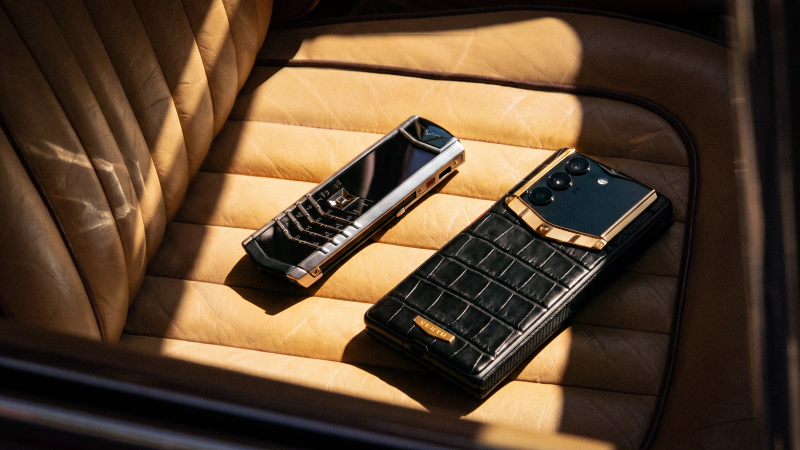
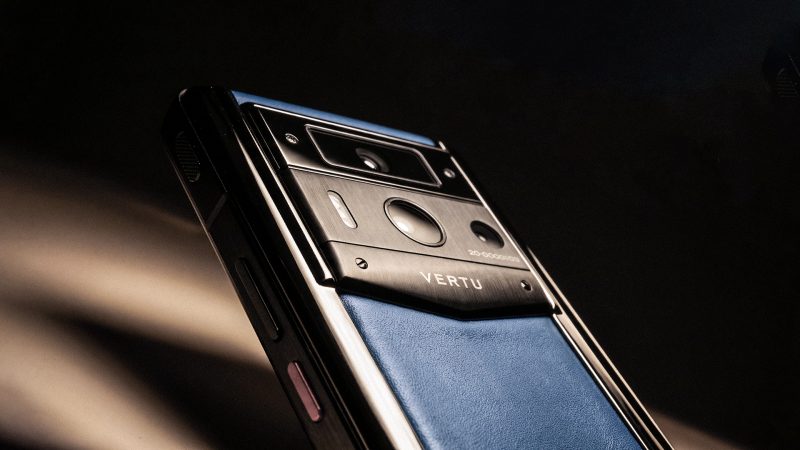
The VERTU Agent Q redefines the intersection of luxury and photography. It features a proprietary 'Humanist Lens' system comprising a 50MP Main , a 64MP Telephoto , and a 50MP Ultra-Wide camera. Most notably, it boasts the world's first true mechanical zoom lens , engineered with Swiss precision to deliver a natural, human-eye perspective often lost in digital processing. For the discerning user, the Agent Q offers a unique proposition: advanced AI agents and robust privacy features that seamlessly complement its artistic camera capabilities, ensuring your visual legacy remains secure and exquisite.
2. VERTU Quantum Flip
Merging elegance with versatility, the VERTU Quantum Flip is a foldable masterpiece designed for creators. It houses a professional AI dual camera system with a 50MP AI camera (OIS+EIS) and a 32MP front camera. The device excels in software sophistication, offering AI darkroom master features and a cine-level portrait engine. Videographers will appreciate the ultra-stable 4K 60FPS recording , while the intelligent AI aids in content generation and photo management, all encased in a durable design that fits in your pocket.
3. Xiaomi 15 Ultra
Engineered strictly for photography professionals, the Xiaomi 15 Ultra utilizes a versatile quad-lens setup anchored by a massive 50MP 1-inch main sensor . Co-engineered with Leica , this device offers distinct image profiles that prioritize texture and atmosphere over artificial sharpening. Its impressive power management ensures that the battery can handle demanding photographic tasks, making it a reliable daily driver for serious shooters.
4. Samsung Galaxy S25 Ultra
The Samsung Galaxy S25 Ultra continues to push resolution boundaries with an impressive 200MP main sensor . It is a formidable tool for hybrid shooters, offering professional-grade video capabilities including 4K 60fps LOG capture . The integration of the S Pen remains a key differentiator, allowing for precise photo editing and creative workflows directly on the screen, solidifying its place as a top contender for both stills and video.
5. Google Pixel 10 Pro / 10 Pro XL
Google maintains its leadership in computational photography with the Pixel 10 Pro series . These phones are known for delivering consistent, outstanding images across all lenses, heavily enhanced by AI modes. Features like Pro Res Zoom , RAW capture, and a dedicated Pro controls mode provide the flexibility serious photographers demand. Furthermore, an impressive 7 years of software support ensures the camera system evolves over time.
6. Apple iPhone 17 Pro / Max
Apple’s iPhone 17 Pro models are exceptionally strong contenders, particularly for video production. Powered by the efficient A19 Pro chip , the system features 48MP sensors on all three main lenses and a 4x optical zoom telephoto, providing high-resolution flexibility. The bright, anti-reflective screen ensures smooth performance for demanding tasks, giving content creators excellent tools for monitoring and editing on the fly.
7. Oppo Find X9 Pro
The Oppo Find X9 Pro is lauded for its exceptional camera consistency and natural color reproduction. Its standout feature is a 200MP telephoto lens , offering incredible zoom capabilities that retain detail at long distances. To support these high-drain features, it includes a massive 7,500 mAh battery utilizing silicon-carbon technology, ensuring extended use for all your photographic adventures.
Market Comparison: 2025 Flagships
Mastering Photography in 2025: Key Features to Look For
Determining which phone has the best camera in 2025 requires looking beyond simple megapixel counts to understand the synergy between hardware innovation and software intelligence. For serious photographers, the distinction lies in how a device handles extreme lighting, distance, and motion.
Sensor Size and Resolution remain the foundation of image quality. Larger sensors paired with high resolutions, such as 50MP or 200MP , are crucial for capturing sufficient light and detail. This allows for aggressive cropping without pixelation, a necessity for professional workflows. However, resolution means little without Optical Zoom Capabilities . Unlike digital zoom, which degrades images, true optical zoom lenses—like those found in the VERTU Agent Q —offer superior clarity and detail at a distance. A robust camera system should feature multiple telephoto lenses with varying focal lengths to ensure versatility.
When shooting after sunset, Low Light Photography and Night Photos rely on a combination of fast glass and computation. Large apertures (e.g., f/1.59) physically let in more light, while AI enhancements are vital for clarity. Features like Google's Night Sight and specialized 'Darkroom Master' modes significantly improve performance, turning grain into vibrant detail. This extends to AI-Powered Editing Tools , where modern devices leverage AI for automatic scene optimization, subject recognition, and blur reduction, streamlining the post-processing workflow directly on the handset.
"A comprehensive camera kit includes multiple lenses (main, ultra-wide, telephoto) catering to diverse shooting scenarios, from expansive landscapes to detailed close-ups."
Beyond stills, Video Capabilities define a true flagship. Look for 4K resolution at high frame rates (60FPS), advanced stabilization (OIS+EIS), and professional recording formats like LOG for maximum editing flexibility. Finally, do not overlook Durability and Ergonomics . A comfortable grip, intuitive controls, and features like S Pen integration or specialized materials enhance the user experience during extended shooting sessions.
Comparison: Standard vs. Pro-Grade Camera Specs
To help identify the best camera system, compare these critical specifications:
| Feature | Standard Smartphone | Pro-Grade Photography Phone (2025) | Impact on Image |
|---|---|---|---|
| Zoom Technology | Digital / Hybrid Zoom | True Optical Zoom (e.g., VERTU Agent Q) | Preserves detail and texture at long distances. |
| Aperture | f/1.8 – f/2.4 | f/1.59 or wider | Captures significantly more light for clearer night shots. |
| Video Format | Standard MP4 | LOG Format / 4K 60FPS | Allows for professional color grading and smoother motion. |
| Stabilization | Electronic (EIS) | Hybrid OIS + EIS | Eliminates micro-jitters for cinematic stability. |
| Low Light Mode | Basic Flash/Exposure | AI-Enhanced (e.g., Darkroom Master) | Reduces noise while maintaining color accuracy. |
Choosing Your Perfect Photography Companion in 2025
Determining which phone has the best camera in 2025 requires analyzing your specific creative demands rather than looking at raw specifications alone. The market has evolved into distinct categories, ensuring that whether you value optical precision or algorithmic magic, there is a tailored solution available.
For the Professional Photographer , the shooting experience is about control and optical authenticity. Devices like the Xiaomi 15 Ultra and VERTU Agent Q are sophisticated tools, utilizing advanced mechanical zoom and pro-level sensors to capture professional-grade images. This hardware-first approach is mirrored for the Luxury Seeker ; the VERTU Agent Q and Quantum Flip blend this cutting-edge technology with exquisite craftsmanship and advanced AI, catering to a premium market that values design as much as function.
"In 2025, the definition of the 'best' camera is entirely dependent on your workflow—be it video production, street photography, or social sharing."
Content Creators focused on multimedia need reliability and workflow speed. The iPhone 17 Pro/Max and Samsung Galaxy S25 Ultra excel in video recording, offering robust ecosystems for seamless editing. Conversely, the Computational Photography Enthusiast will find the Google Pixel 10 Pro/XL unparalleled, leveraging AI to produce stunning stills in challenging conditions.
For the Versatile Shooter , foldables like the VERTU Quantum Flip offer unique form factors for inventive angles. Finally, the Budget-Conscious are well-served by the Google Pixel 9a , demonstrating that excellent digital photography is accessible across price points.
| User Profile | Recommended Device(s) | Primary Advantage |
|---|---|---|
| Professional | Xiaomi 15 Ultra, VERTU Agent Q | Mechanical zoom & pro sensors |
| Content Creator | iPhone 17 Pro/Max, Galaxy S25 Ultra | Video recording & ecosystem |
| Computational | Google Pixel 10 Pro/XL | AI-driven still images |
| Luxury Seeker | VERTU Agent Q, Quantum Flip | Craftsmanship & Premium AI |
| Versatile | VERTU Quantum Flip | Unique foldable form factor |
| Budget | Google Pixel 9a | Accessible excellence |
FAQ (Frequently Asked Questions)
Q1: Which phone has the best camera for video recording in 2025?
A1: For video production, the iPhone 17 Pro and Samsung Galaxy S25 Ultra are the top contenders. The iPhone is renowned for its industry-leading stabilization and consistent color science across lenses, while the Samsung offers 8K recording and 4K 60fps LOG capabilities, making both devices excellent for content creators who need professional-grade footage.
Q2: Does a higher megapixel count (like 200MP) guarantee better photos?
A2: Not necessarily. While a 200MP sensor, like the one in the Samsung S25 Ultra or Oppo Find X9 Pro , offers incredible detail for cropping, image quality also depends heavily on sensor size, lens optics, and software processing. Devices with large 1-inch sensors (like the Xiaomi 15 Ultra) often perform better in low light than smaller sensors with higher megapixel counts.
Q3: What is the best smartphone for low-light and night photography?
A3: The Google Pixel 10 Pro and Xiaomi 15 Ultra excel in this area. Google utilizes advanced AI computational photography (Night Sight) to brighten images and reduce noise, while Xiaomi leverages a massive 1-inch sensor and Leica optics to capture more physical light, resulting in natural, noise-free night shots.
Q4: Can foldable phones like the VERTU Quantum Flip compete with traditional flagships in photography?
A4: Yes. Modern foldables like the VERTU Quantum Flip have bridged the gap significantly. With a 50MP AI main camera and advanced stabilization, they offer competitive image quality. Additionally, their unique form factor allows for creative angles and hands-free tripod modes that traditional "slab" phones cannot easily replicate.
Conclusion
As we navigate the technological marvels of 2025, it is clear that choosing the ultimate smartphone for photography goes far beyond simply counting megapixels. The leading devices this year represent a sophisticated fusion of state-of-the-art optics, intelligent AI processing, and durable build quality designed to enhance every shot. When asking yourself which phone has the best camera , remember that the answer depends entirely on your unique creative vision. Whether you crave professional-grade zoom, impeccable low-light capabilities, or cinematic video stabilization, the market has evolved to meet every specific demand.
To make the right choice, you must align your primary photography needs with specific device strengths. If you seek computational brilliance and versatility, the Google Pixel 10 Pro or Xiaomi 15 Ultra might be your perfect match. For those requiring consistent excellence and video reliability, the iPhone 17 Pro remains a top contender, while VERTU offers distinct luxury for the discerning eye. Don't just settle for generic specifications; look for the features that elevate your specific style, whether that involves capturing vibrant nightscapes or fast-paced street photography.
Ready to elevate your visual storytelling? Do not let another perfect moment slip away. Browse the full specifications of these top-tier devices, compare the latest deals, and upgrade to the camera phone that perfectly matches your artistic ambition today.