If you mean the first mainstream flip phone people remember, the answer is 1996: Motorola introduced the StarTAC on January 3, 1996, as noted in CNET’s 2020 StarTAC retrospective.
If you mean the first phone with a flip-style moving cover, the answer is 1989: Motorola released the MicroTAC in 1989, an early hinged design documented in the MicroTAC entry on Wikipedia.
Key TakeawayTwo years show up because “flip phone” can mean either (1) an early flip mechanism (1989), or (2) the clamshell form factor that became culturally iconic (1996).
Quick answer (Featured Snippet version)
The first flip phone came out in 1996 (Motorola StarTAC, introduced January 3, 1996), but Motorola’s earlier MicroTAC from 1989 is often called the first flip-style phone because it introduced a hinged “flip” component.
What counts as a “flip phone” (in plain English)
A flip phone can refer to two related designs:
Flip mechanism (early era): a hinged cover that folds over part of the phone.
Clamshell (what most people mean): the phone folds shut in half, like a compact mirror.
This is why you’ll see different “first flip phone” answers across the web.
Timeline: when did the first flip phone come out?
Year | Model | Why it matters |
|---|---|---|
1989 | Motorola MicroTAC | Early flip-style hinged design; often cited as the first “flip” mechanism phone. |
1991 | NEC TZ-804 (Japan) | Often cited as an early true clamshell before the StarTAC; see the clamshell design timeline in the clamshell design overview. |
1996 | Motorola StarTAC | The design that made the clamshell “flip phone” mainstream; introduced Jan 3, 1996 per CNET. |
2004 | Motorola RAZR V3 | The style icon that made “flip phone” feel like fashion. |
2019–2020 | Modern foldables | Foldables revived the hinge, but with full touchscreens rather than keypad clamshells. |
Collector’s note: The StarTAC is treated as a serious design milestone, including being preserved as an artifact: see The Henry Ford’s StarTAC Flip Phone (1996) entry.
Why the StarTAC (1996) became the answer people remember
It wasn’t just that it folded. It changed how a phone behaved in your day.
It made “closed” a meaningful state. When a clamshell is shut, you’re not interacting. That sounds obvious, but it created a clean boundary between “available” and “off-duty.”
It made pocket carry normal. Earlier mobile phones were portable, but not elegant. A clamshell design made “carryability” feel intentional.
It made the physical gesture part of the experience. Opening to answer. Closing to end. A small ritual.
Why people still search this in 2026
Most “why did flip phones come back?” discussions focus on nostalgia. That’s only half the story.
Flip designs still solve a modern problem: attention control. A device that can literally close creates friction against doomscrolling. It also reduces screen exposure in public spaces, which many privacy-conscious people quietly appreciate.
If you’re considering a flip phone today (what to look for)
This is where history becomes practical.
1) Decide what you want the hinge to do
If your goal is simplicity, a classic clamshell experience matters.
If your goal is a compact smartphone, you’re evaluating a different category.
2) Don’t treat “premium” as a spec sheet
Materials and aftercare matter more for long-term ownership than minor spec differences.
If you’re curious how modern luxury flip phones translate the form factor into a quieter, service-led ownership experience, start with Why luxury flip phones work for executives.
3) Use an evaluation checklist (so you don’t buy on nostalgia)
A short guide can save you from the common mistake: picking a hinge because it’s fun, then living with a workflow you don’t actually like.
Here’s a practical starting point: Find the best smart flip phone.
How to verify: If a page claims “the first flip phone,” check whether it means (a) the first flip mechanism, (b) the first true clamshell, or (c) the first widely adopted model.
FAQ (People Also Ask)
When did flip phones become popular?
Flip phones became popular in the late 1990s and especially the early 2000s, after the clamshell design proved practical and manufacturers iterated toward thinner, lighter designs.
Was the Motorola StarTAC the first flip phone?
It’s widely cited as the first mainstream flip phone (introduced January 3, 1996 (CNET)). But earlier phones had flip mechanisms (MicroTAC, 1989) and some markets saw clamshell designs earlier (NEC, 1991) as noted in the clamshell design timeline on Wikipedia.
What was the first Motorola flip phone?
Motorola’s MicroTAC (1989) is documented as an early flip-style design in the MicroTAC entry.
What is the difference between a flip phone and a clamshell phone?
In everyday use, they’re often the same. More precisely, “clamshell” describes the phone folding shut in half (upper screen + lower keypad), while “flip” can also refer to earlier designs where a hinged cover flips over part of the phone.
Are modern foldables the same as flip phones?
They share the hinge idea, but modern foldables usually fold a full touchscreen display. Classic flip phones were typically keypad clamshells designed for calls and messaging first.
Next steps
If you’re using this history as a buying signal, keep it simple: decide whether you want the hinge primarily for attention control, pocketability, or privacy cues.
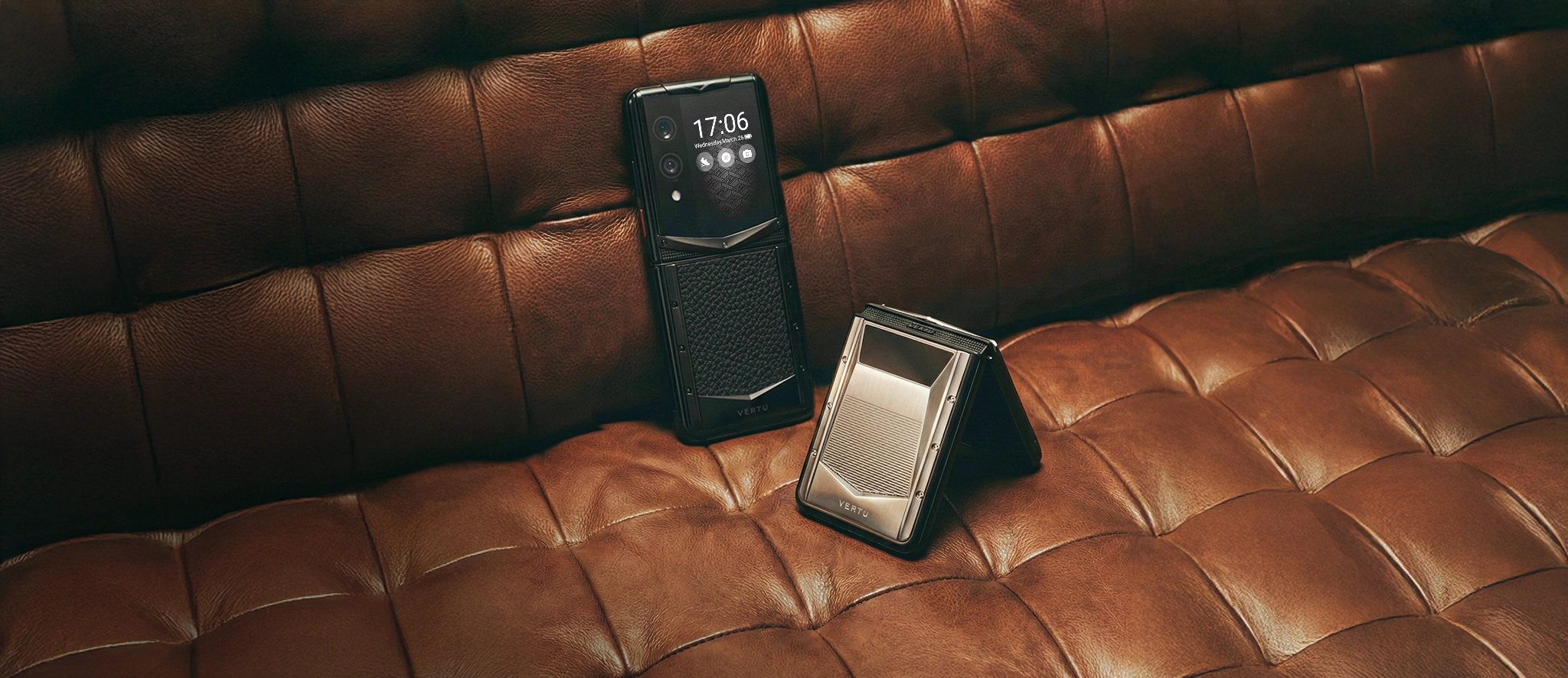
For a modern, craftsmanship-led take on the clamshell form factor, you can browse the VERTU Quantum Flip collection.
Disclosure: This article references VERTU pages. Editorial judgment remains the priority.