Key takeaways
A VERTU phone is designed as a luxury ownership experience: craftsmanship, rare materials, and a service layer—rather than a pure “specs race.”
In 2026, the smartest way to evaluate a luxury smartphone is to check what you can verify: materials, provenance, service scope, after‑sales support, and security posture.
A mainstream flagship can be the better choice if your priority is long update support and tight ecosystem integration.
If you’re considering a VERTU handset—or even just curious about the vertu cell phone category more broadly—treat it like you would a fine object: confirm authenticity, service coverage, and long‑term support expectations upfront.
What is a VERTU phone?
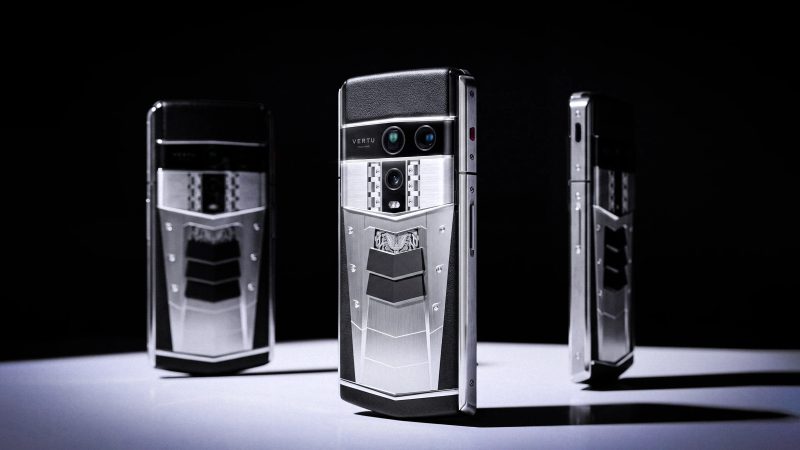
A VERTU device is a luxury mobile device built around three ideas: craftsmanship, rare materials, and private service.
It isn’t trying to be “the fastest phone on the market.” Instead, it treats the phone as a personal object—something you carry every day—while giving you access to a support layer that typical brands don’t offer.
VERTU describes its heritage and the broader experience in VERTU’s brand story, including the brand’s founding in 1998 and the concierge concept that became central to the category.
Collector’s note: The easiest mistake is to judge luxury phones as if they’re only consumer electronics. The more accurate comparison is: a luxury object that happens to be a phone.
Luxury smartphone vs premium flagship: what “luxury” actually buys
A premium flagship (think top-tier iPhone or Galaxy) is engineered for one thing: reliable daily performance at global scale.
A luxury smartphone, by contrast, tends to justify its existence through elements you can feel and use beyond specs:
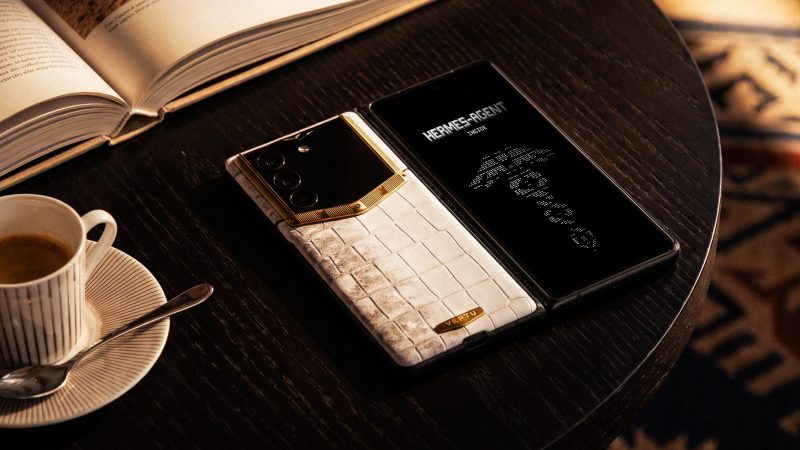
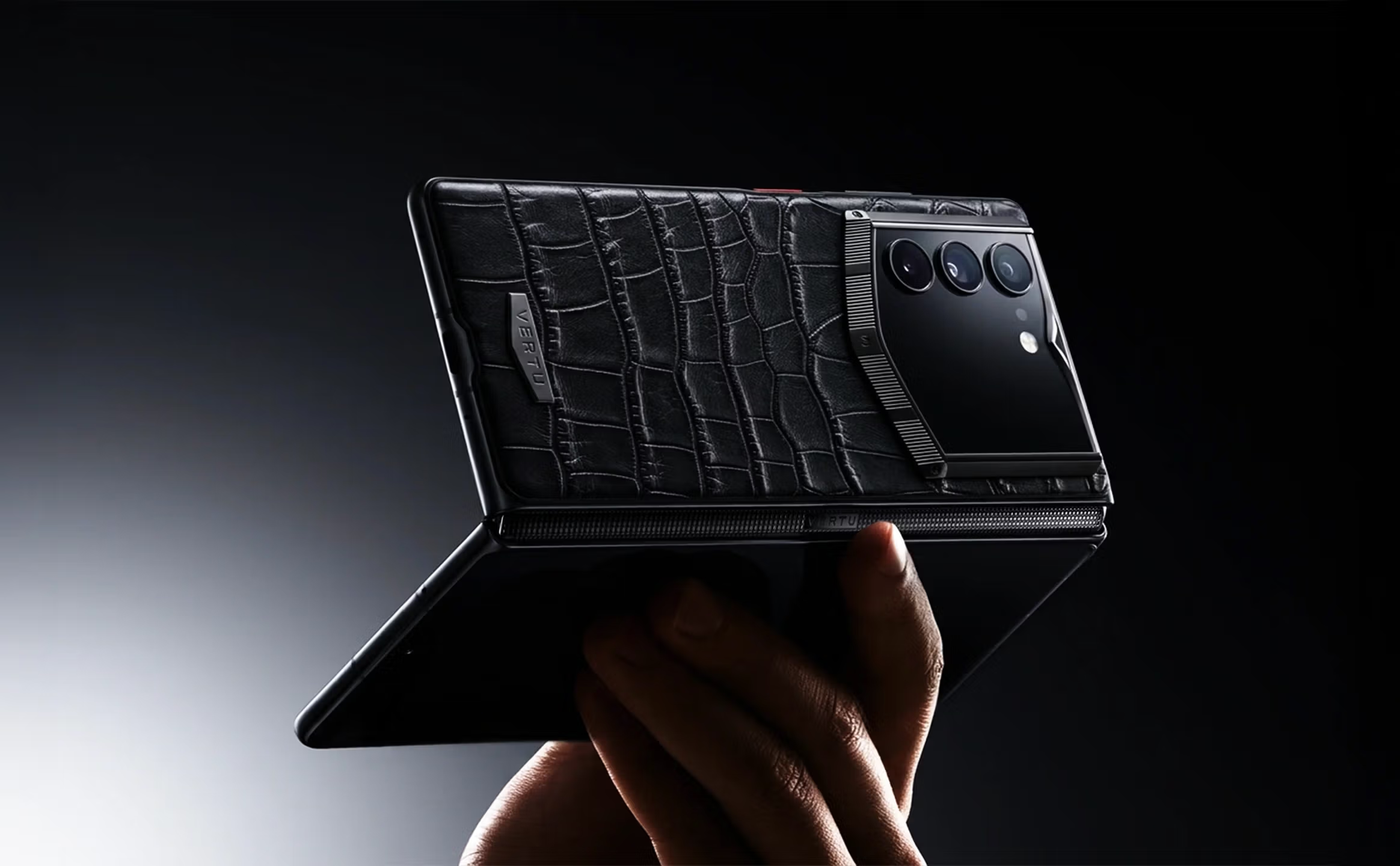
Materials and finishing (leather, titanium, sapphire-like durability cues, hand assembly)
Exclusivity and personalization (what you can specify, choose, or commission)
Service layer (human support, concierge workflows, priority assistance)
Privacy posture (how the brand speaks about protection and secure behavior—not just “we have a fingerprint sensor”)
In 2026, support expectations have become part of the conversation. For example, CNET’s 2024 coverage of Samsung’s seven-year update policy reflects how mainstream flagships now compete on long software lifecycles.
That doesn’t invalidate luxury phones—but it does change what an informed buyer should ask.
The four pillars to look for in a VERTU phone (and in luxury phones generally)
1) Craftsmanship you can verify
Luxury isn’t an adjective—it’s evidence.
Look for what you can confirm in real life:
precision of joins and edges
how materials age (especially leather)
whether the device feels “built” rather than “assembled”
If the story is purely marketing, it will feel that way in your hand.
2) Materials that matter (not decoration)
The point of premium materials isn’t to shout. It’s to endure and to feel considered.
In VERTU’s own framing of what sets the experience apart, materials and build are positioned alongside service and privacy as differentiators.
3) A service layer that saves time, not just supports hardware
In true luxury, service is part of the product.
A well-designed concierge layer isn’t “nice to have.” It’s a way to reduce friction when your calendar is dense, your travel is constant, and your standards are specific.
This is also where the luxury category separates from “premium”: mainstream phones may have excellent warranty processes, but they don’t typically position a personal assistant-style service as the center of ownership.
4) Provenance + after-sales confidence
For UHNW buyers, the risk isn’t only the purchase. It’s what happens after:
If something breaks, how predictable is the repair path?
If you travel, what does support look like across time zones?
If you resell, can you prove authenticity?
How to verify: Start with official entry points. For example, browse VERTU phones first, then confirm your buying path and support expectations through official channels.
How to evaluate a VERTU phone in 2026 (a practical lens)
This is the buyer’s lens that avoids the two common traps: spec worship and status-only thinking.
Step 1: Decide what you want the phone to do for your life
If your top priority is long-term OS support and tight ecosystem integration, a flagship may be the more rational tool.
If your priority is a device that feels personal, discreet, and supported—especially if you value craftsmanship and a service layer—luxury starts to make sense.
Step 2: Use a “specs that matter” filter
Luxury buyers don’t ignore specs—they filter them.
Use VERTU’s own “specs that matter” framing as a sanity check: focus on what changes your daily experience (security posture, service access, durability cues) rather than leaderboard benchmarks.
Step 3: Ask the three questions most people skip
What does support look like over time?
Mainstream brands increasingly state clear support windows—see Ars Technica’s 2024 reporting on Apple’s minimum five-year update commitment. Use that as a benchmark for the questions you ask any luxury brand.What’s the authenticity path?
Can you validate provenance through official channels?What’s the service scope—really?
What is included, what is optional, and what is the expected response model?
Common misconceptions about VERTU (and luxury phones)
“A luxury phone is just a gold-plated flagship.”
Not necessarily. The more serious definition is about ownership: materials, craftsmanship, service, and confidence.
“Luxury means you never care about updates.”
In 2026, that’s outdated thinking. Even if you buy for craft and service, you should still ask what “support” means—because privacy and reliability are part of luxury.
“A VERTU phone is only for showing off.”
For some buyers, sure. But for the ICP this guide is written for, the deeper value is discretion: time saved, friction removed, and a device that feels personal.
FAQ
Is a VERTU phone an Android phone?
Many modern luxury phones, including VERTU devices, are positioned around Android-based experiences. The practical point: check ecosystem fit—especially if your life is deeply tied to Apple services.
Is a VERTU phone worth it?
If you evaluate it as a benchmark-winning device, it may not be the right frame. If you evaluate it as a luxury ownership model—craft + service + privacy posture—then the question becomes whether those elements match how you live.
Where should I start if I’m curious but not ready to buy?
Start by browsing the official range of VERTU phones. Note what you’re drawn to (materials, form factor, service positioning), then turn those preferences into specific questions for an advisor.
Next steps
If you’d like a discreet, advisor-led walkthrough—focused on craftsmanship, service, and private ownership rather than hype—you can contact VERTU.
Disclosure: This article references VERTU pages. Editorial judgment remains the priority.