| Feature | Traditional TDM (Blood Draws) | Real-Time Biosensors |
|---|---|---|
| Data Continuity | Periodic snapshots; potential blind spots | Continuous data streams |
| Invasiveness | High (needles/punctures) | Low (wearable/non-intrusive) |
| Contextual Insight | Limited to biological levels | Captures timing, location, and usage context |
| Response Speed | Delayed by processing time | Immediate alerts for rapid intervention |
Imagine a healthcare reality where your medication dosage adjusts the specific moment your body needs it, rather than waiting weeks for a follow-up appointment. In the rapidly evolving landscape of modern medicine, relying on generic dosing schedules or delayed lab results is becoming a thing of the past. Achieving optimal recovery now depends on precision and immediate intervention.
This is where new technology steps in to bridge the critical gap between clinical diagnosis and daily life. By utilizing a wearable biosensor for real-time drug monitoring , you and your healthcare provider can access a continuous stream of accurate data. This innovation ensures that every aspect of your treatment plan is based on up-to-the-minute physiological information.
In this article, we will explore how these advanced devices are transforming patient care by significantly improving adherence and enabling proactive treatment adjustments. We will delve into the core benefits for diverse patient populations and discuss the exciting future trajectory of this groundbreaking technology. Discover how these tools are redefining the standard of medical safety and efficacy.
The Crucial Role of Real-Time Drug Monitoring
Understanding therapeutic drug monitoring (TDM) is essential for optimizing drug efficacy and minimizing toxicity. This is especially true for medications with narrow therapeutic windows , where a slight variance in dosage can be dangerous. However, traditional TDM methods often involve periodic invasive blood draws, leading to significant data gaps and potential delays in critical treatment adjustments.
To bridge this gap, the wearable biosensor for real-time drug monitoring has emerged as a transformative solution. These portable devices provide continuous insights into drug concentration, enabling the immediate identification of sub-therapeutic or toxic levels without the latency of lab results.
This constant stream of data empowers healthcare providers to make informed, timely decisions regarding dosage and treatment plans. By revolutionizing precision medicine and addiction research, these sensors not only enhance safety but also directly accelerate patient recovery speed.
Wearable Biosensors: A Technological Leap Forward
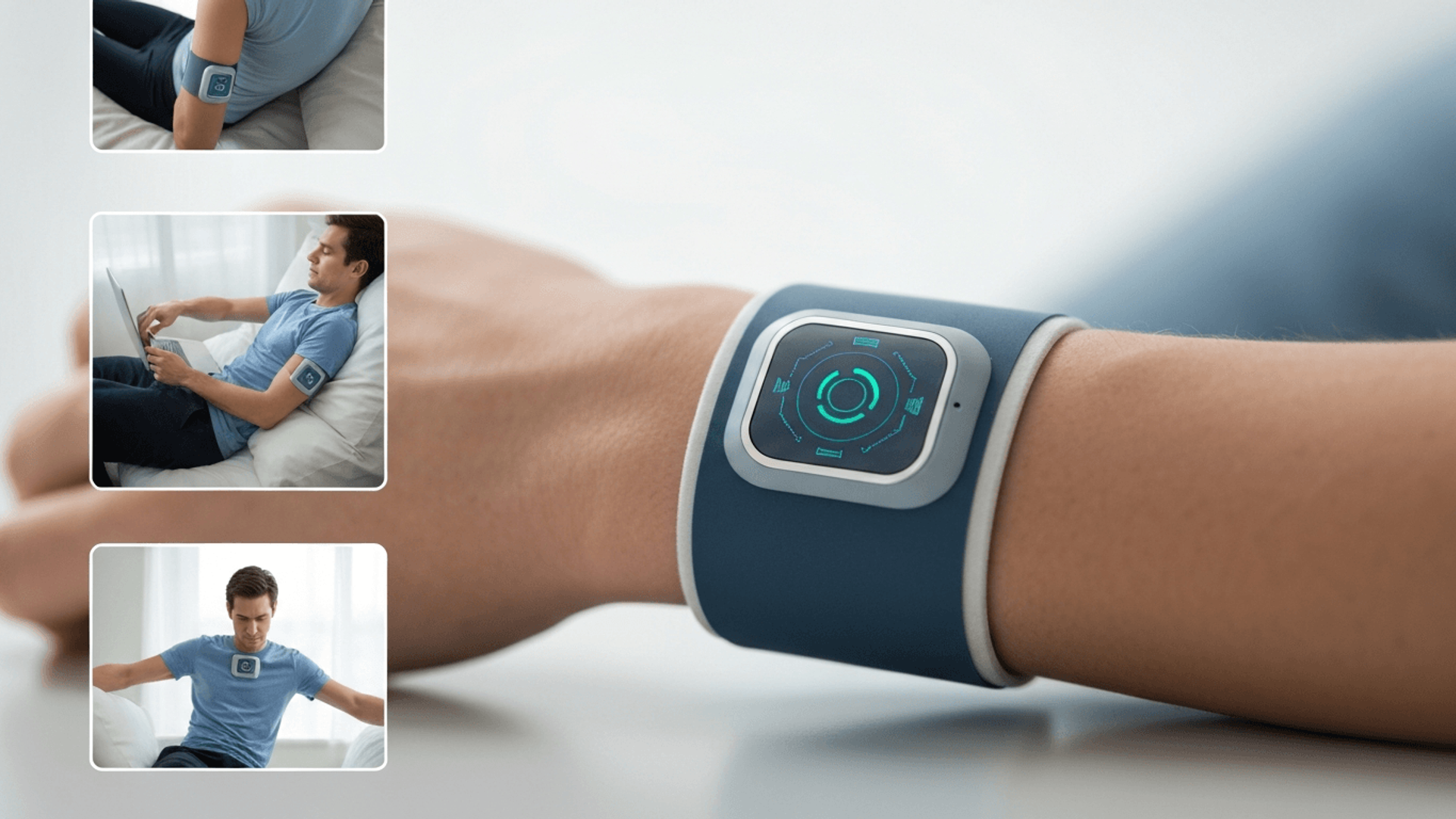
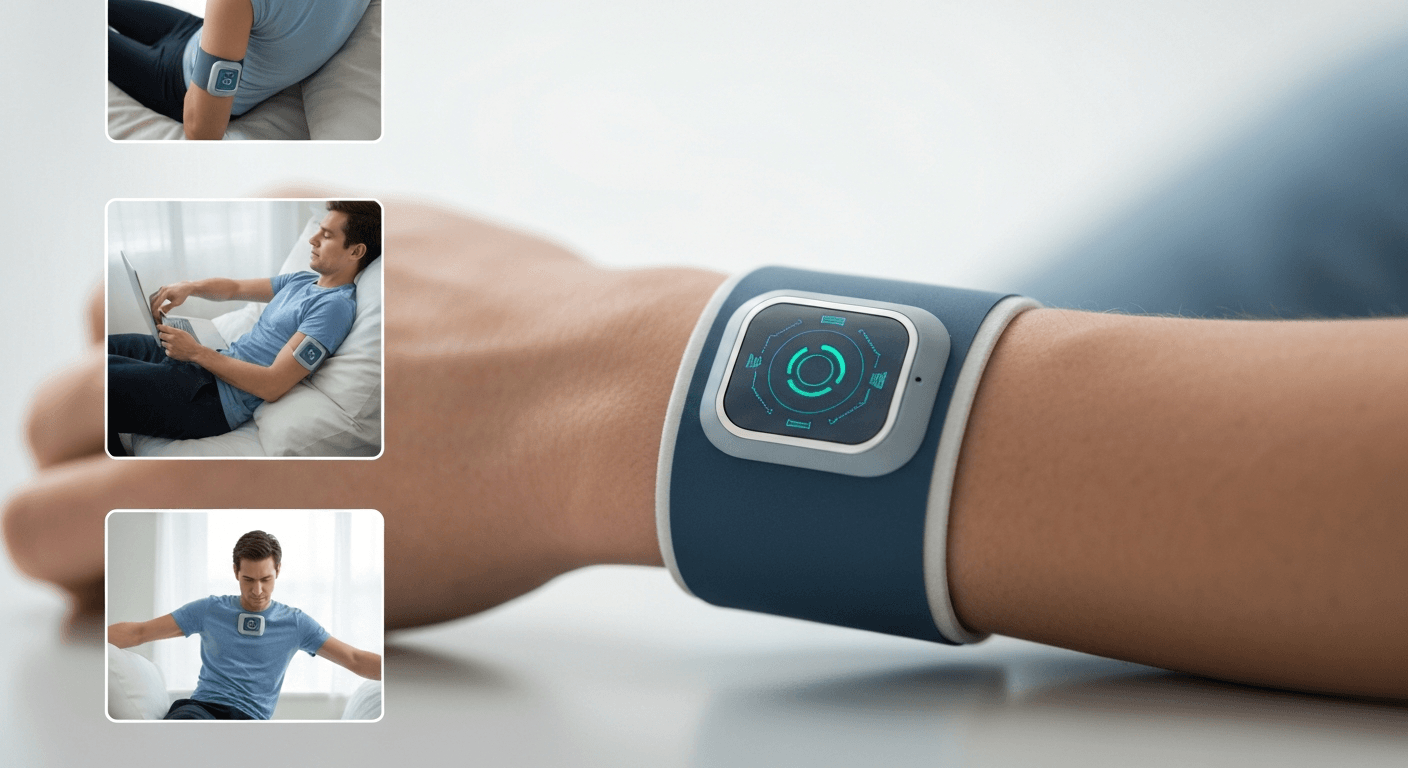
Wearable biosensors represent a transformative shift in healthcare, integrating miniaturized sensing technology into comfortable, non-invasive devices often worn directly on the skin. Utilizing advanced methods like electrochemical sensing or microfluidics , these devices continuously collect critical physiological data. This technology moves beyond simple tracking to offer medical-grade insights in a convenient form factor.
The collected real-time data is transmitted wirelessly to smartphones or cloud platforms, ensuring immediate accessibility for patients and clinicians. This connectivity is vital for a wearable biosensor for real-time drug monitoring , particularly in precision medicine and addiction research.
By capturing the timing, location, and context of drug use, these tools provide a granular view of patient health that was previously impossible to obtain outside a clinical setting. Key advantages include:
Enhanced Convenience: Reduced need for frequent hospital visits.
Early Detection: Immediate identification of adverse drug reactions or treatment failures.
Versatility: Applications ranging from continuous glucose monitors to novel patch-based sensors for specific pharmaceuticals.
| Feature | Traditional Monitoring | Wearable Biosensors |
|---|---|---|
| Data Frequency | Episodic (during visits) | Continuous / Real-time |
| Invasiveness | High (blood draws) | Low (non-invasive patches) |
| Context | Clinical setting only | Real-world daily life |
| Primary Benefit | Diagnostic accuracy | Early detection & Convenience |
Improving Patient Outcomes with Real-Time Monitoring The integration of advanced technology into healthcare is revolutionizing treatment efficacy. Specifically, the deployment of a wearable biosensor for real-time drug monitoring offers a sophisticated method for tracking patient health continuously. These portable devices provide critical data streams that detect drug use timing and context, significantly enhancing patient adherence by offering timely feedback and reminders to ensure compliance.
Beyond compliance, these sensors drive personalized treatment plans . By capturing continuous biological data, clinicians can fine-tune dosages based on individual metabolism and drug response. This precision reduces the risk of adverse effects and ensures optimal therapeutic levels, particularly for chronic disease management .
Furthermore, early detection of irregularities facilitates proactive interventions. This leads to reduced hospitalizations and ER visits by preventing complications before they escalate.
| Feature | Traditional Monitoring | Real-Time Biosensor Monitoring |
|---|---|---|
| Data Frequency | Episodic / Snapshot | Continuous / 24-7 Streams |
| Adherence Tracking | Self-reported (often inaccurate) | Automated detection & feedback |
| Personalization | Standardized dosing | Dynamic adjustment based on metabolism |
Ultimately, this technology fosters empowerment and engagement . Patients transition from passive recipients to active participants in their health management, gaining a deeper understanding of their treatment journey. This is particularly transformative in fields like addiction research, where understanding the specific contexts of drug use is vital for effective recovery strategies.
Applications Across Diverse Patient Groups
The deployment of a wearable biosensor for real-time drug monitoring represents a transformative leap in precision medicine, offering continuous data streams that replace sporadic testing.
Oncology Patients: Clinicians can monitor chemotherapy drugs dynamically, ensuring dosages remain within the optimal therapeutic window to maximize efficacy while significantly minimizing toxic side effects.
Infectious Diseases: Sensors track antibiotic concentrations to maintain effective levels, a critical strategy for preventing the emergence of drug resistance.
Organ Transplant Recipients: The technology provides a safety net by ensuring immunosuppressant drugs remain strictly within the critical range necessary to prevent organ rejection without inducing toxicity.
Cardiovascular Conditions: Real-time monitoring facilitates the precise effect of anticoagulants and antiarrhythmics, mitigating risks associated with under- or overdosing.
Mental Health: Non-intrusive devices help ensure consistent levels of psychotropic medications, supporting stable mood management.
By capturing the timing and context of drug metabolism, these sensors enable truly personalized intervention strategies across the medical spectrum.
The Future of Wearable Drug Monitoring in 2026
By 2026, advancements in sensor accuracy and miniaturization will render monitoring devices significantly more sophisticated and user-friendly. A pivotal shift will involve integrating AI and machine learning to enable predictive analytics, forecasting potential health issues before they arise.
At the heart of this innovation is the wearable biosensor for real-time drug monitoring , which will transition from simple data collection to providing actionable, proactive health insights for users and clinicians alike. Usage is expected to expand to a wider range of drugs beyond current niche applications in addiction research and precision medicine.
These portable solutions will capture continuous data streams, offering granular detail on the timing, location, and contexts of drug use. This level of monitoring will revolutionize how researchers approach treatment, allowing for highly personalized interventions based on real-world behavior rather than intermittent testing.
| Feature | Current State | Future State (2026) |
|---|---|---|
| Sensor Tech | Bulkier, limited sensitivity | Miniaturized, high precision |
| Data Analysis | Descriptive (Historical data) | Predictive (AI-driven forecasting) |
| Scope | Niche (Research/Addiction) | Broad (Standard Clinical Practice) |
To support this growth, increased data security and privacy measures will be crucial for widespread adoption. Furthermore, regulatory pathways for these innovative devices will continue to evolve, facilitating their integration into standard clinical practice. As these barriers lower, these biosensors will likely become essential tools for both patients managing their health and professionals overseeing complex therapies.
Navigating the Challenges and Opportunities
The integration of a wearable biosensor for real-time drug monitoring into clinical practice holds revolutionary potential for precision medicine and addiction treatment. However, widespread adoption faces significant hurdles. High technology costs and complex regulatory landscapes create barriers to entry, while the sheer volume of continuous data streams requires sophisticated interpretation. Furthermore, ensuring equitable access remains critical to prevent disparities in patient care across different demographics.
| Area of Impact | Key Challenges | Strategic Opportunities |
|---|---|---|
| Technology | High device costs and regulatory hurdles | Development of affordable, user-friendly interfaces |
| Data Usage | Complex interpretation of continuous streams | Real-time insights for addiction and context detection |
| Patient Care | Ensuring equitable access for all populations | Remote monitoring expansion and cost savings |
Despite these challenges, the opportunities are immense. Developers are focusing on fostering collaboration between tech innovators and healthcare providers to create more accessible solutions. The expansion of remote patient monitoring offers substantial cost savings and improved convenience, allowing for non-intrusive data collection on drug use contexts.
To sustain this growth, addressing cybersecurity concerns and ensuring robust data protection are paramount for building patient trust. Ultimately, continued research and development are key to unlocking the full potential of these portable biosensors in transforming drug therapy.
FAQ (Frequently Asked Questions)
Q1: How do wearable biosensors monitor drug levels in real-time?
A1: These sensors use electrochemical or microfluidic technologies to detect specific drug metabolites or biomarkers in bodily fluids like sweat or interstitial fluid. The data is then transmitted wirelessly for immediate analysis.
Q2: Are wearable biosensors invasive or uncomfortable to wear?
A2: Typically, no. Most wearable biosensors are designed as non-invasive patches or wristbands that are comfortable for continuous wear throughout the day.
Q3: Can these biosensors detect illegal drug use as well as prescribed medications?
A3: Yes, the technology can be adapted to detect a wide range of substances, including both prescribed medications and illicit drugs, depending on the sensor's design and calibration.
Q4: What are the main benefits for patients using these devices?
A4: Patients benefit from personalized treatment, better adherence, reduced side effects, and a greater sense of control over their health management. They also experience fewer hospital visits.
Q5: How do healthcare providers use the data from wearable biosensors?
A5: Providers use the real-time data to adjust dosages, monitor treatment effectiveness, identify potential issues early, and develop more personalized care plans.
Conclusion
Utilizing a wearable biosensor for real-time drug monitoring represents a transformative shift in modern healthcare, moving beyond static testing to dynamic care. By providing continuous, personalized insights into medication levels, these devices significantly reduce adverse effects and optimize therapeutic efficacy. Ultimately, this technology empowers a more precise approach to treatment that dramatically improves overall patient outcomes.
To maximize these benefits, healthcare providers should actively explore integrating these advanced monitoring tools into standard treatment protocols. Simultaneously, patients are encouraged to inquire with their specialists about the suitability of these biosensors for managing their specific medical conditions. Taking these steps ensures that care plans remain responsive and tailored to individual physiological needs.
Embrace the future of proactive, data-driven medicine by adopting this innovative technology today. Whether you are a clinician seeking better data or a patient striving for optimal health, the path to superior care starts with advanced monitoring solutions. Take control of your health journey now and experience the life-changing potential of wearable biosensor technology.