| Feature | Apple Watch Series 9 | Fitbit Sense 2 | Samsung Galaxy Watch 6 |
|---|---|---|---|
| Primary Focus | Comprehensive Health | Stress & Sleep | Holistic Wellness |
| ECG & Afib | Yes | Yes | Yes |
| Stress Sensing | Mindfulness App | Continuous EDA Sensor | Stress Tracking |
| Unique Metric | Fall Detection | cEDA for Stress | Body Composition |
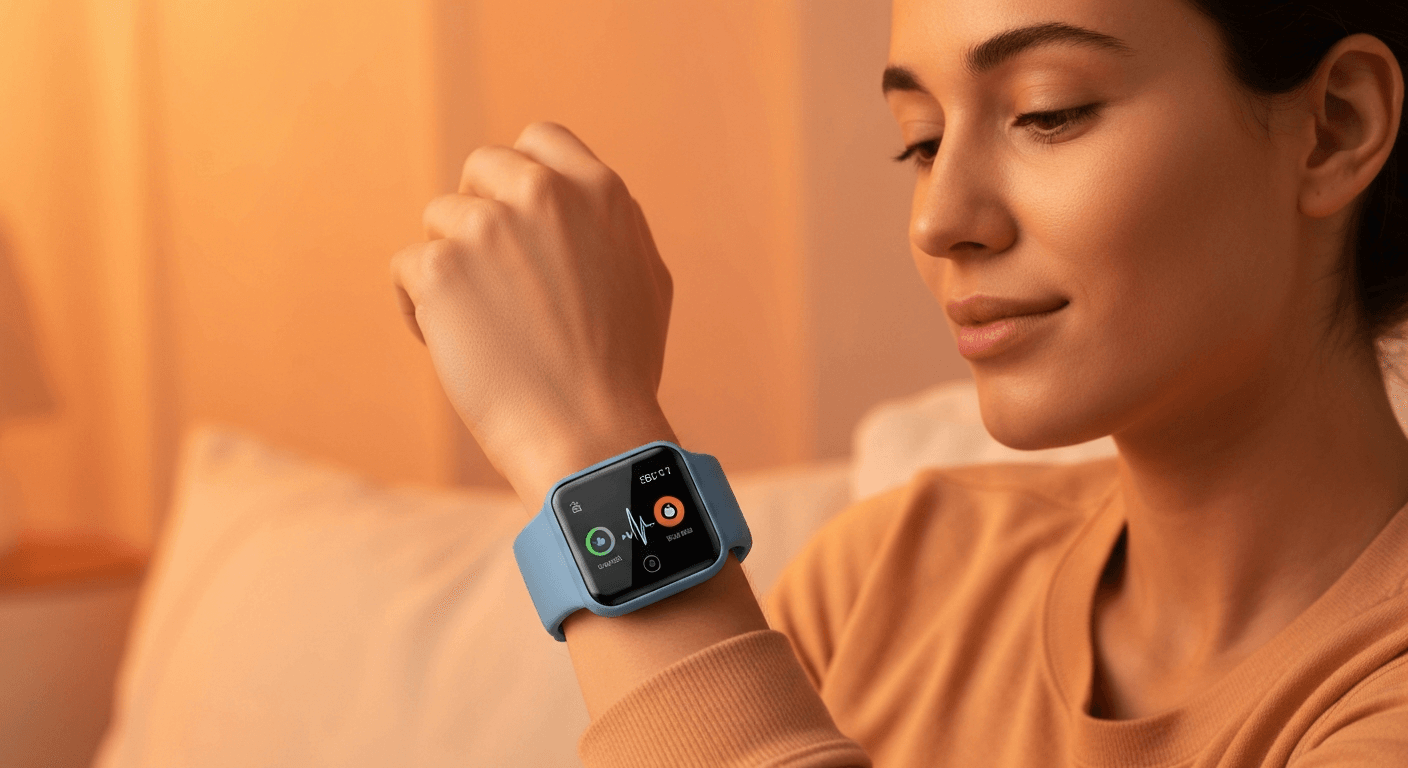
The daily reality of managing a chronic illness often feels like a full-time job. You're constantly tracking symptoms, monitoring vitals, and trying to decipher what your body is telling you. A silent partner in this journey can provide clarity and support 24/7.
This is where modern technology steps in, transforming how chronic conditions are managed. The best wearable health tracker for chronic illness offers a window into your body's patterns. These devices provide continuous, personalized data that was once only available in a clinical setting.
This guide will walk you through the leading devices designed for this purpose. We'll explore their essential features, unique benefits, and how they empower you. Discover how these tools can integrate into your daily life for better outcomes.
Top 5 Wearable Health Trackers for Chronic Illness in 2025
Choosing the right wearable involves finding a device that offers reliable, actionable data. Patients are adapting these tools to monitor their conditions, valuing features beyond basic fitness. These devices empower users to track symptoms, manage energy, and share data with doctors.
Apple Watch Series 9
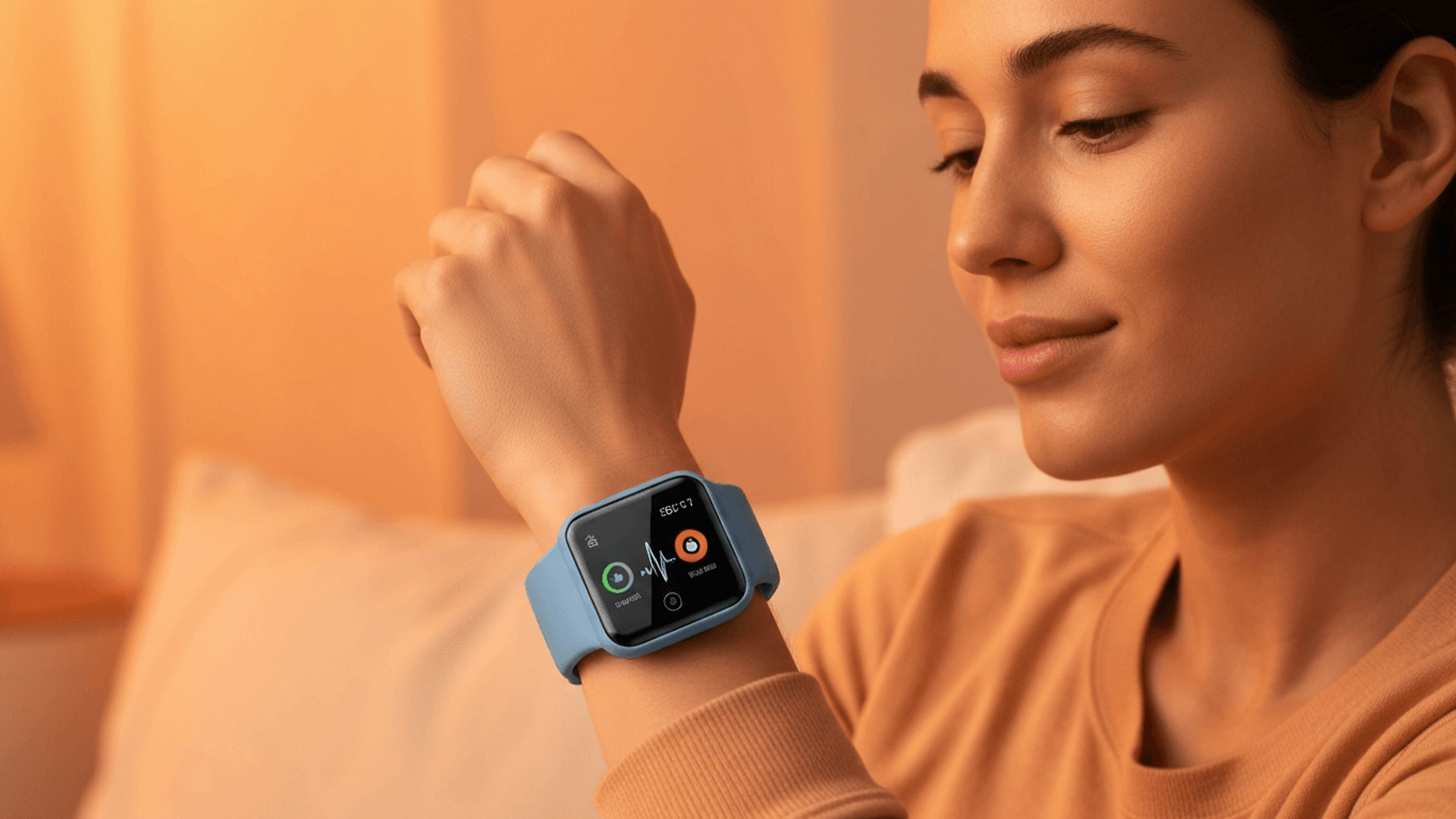
The Apple Watch Series 9 is a comprehensive tool for managing complex health needs. It offers an ECG app for atrial fibrillation and a blood oxygen sensor . These features are critical for cardiac and respiratory conditions.
Its seamless integration provides continuous insights, while fall detection offers a vital safety net. The robust app support allows for customized tracking of symptoms and medication.
Practical Implications: This device acts as a central health hub, especially for individuals with cardiovascular concerns. The fall detection feature provides critical peace of mind for those at risk of falls, automatically alerting emergency services.
Actionable Tips:
1. Set Up Your Medical ID: Fill out your Medical ID in the Health app with your conditions, allergies, and emergency contacts. First responders can access this from your lock screen.
2. Share Health Data: Use the Health Sharing feature to securely share specific data points, like heart rate trends or ECG readings, with your doctor or family members.
Fitbit Sense 2
The Fitbit Sense 2 is ideal for conditions exacerbated by stress, like autoimmune disorders. Its continuous electrodermal activity (cEDA) sensor offers all-day body-response tracking. This helps you manage stress in real-time with helpful alerts.
Paired with advanced sleep tracking, it provides personalized insights for maintaining balance and well-being.
Practical Implications: For conditions where stress is a known trigger for flare-ups, the Sense 2 provides an early warning system. It helps users understand the physiological impact of their environment and emotions.
Actionable Tips:
1. Act on Stress Alerts: When the device notifies you of a body response, take a moment to use the built-in guided breathing or mindfulness sessions to de-escalate your stress response.
2. Log Your Mood: Correlate the cEDA sensor data with mood logging in the Fitbit app to identify specific triggers and patterns in your daily life.
Samsung Galaxy Watch 6
The Samsung Galaxy Watch 6 delivers a holistic health overview. It provides body composition analysis , valuable for monitoring muscle and fat mass changes. It also features ECG and blood pressure monitoring in select regions.
This offers a complete cardiovascular picture. Integration with Samsung Health consolidates data for easy review and trend analysis.
Practical Implications: The body composition feature is particularly useful for managing conditions that affect muscle mass or fluid retention, such as heart failure or kidney disease, providing data beyond a simple weight scale.
Actionable Tips:
1. Track Body Composition Trends: Measure your body composition regularly (e.g., weekly) under consistent conditions to monitor long-term changes and discuss them with your healthcare provider.
2. Calibrate Blood Pressure: If the blood pressure feature is available in your region, calibrate it with a traditional cuff-based monitor as instructed to ensure more accurate trend data.
Oura Ring Gen3 The Oura Ring Gen3 is a powerful, discreet choice for prioritizing sleep quality. It excels at sleep analysis and continuous body temperature sensing . This offers highly accurate data on recovery and readiness.
This is invaluable for managing energy levels and monitoring subtle changes that may signal a flare-up.
Practical Implications: The Oura Ring is a leader in "pacing," helping users with energy-limiting conditions avoid overexertion. Its temperature sensing can provide an early indication of infection or an inflammatory response before other symptoms appear.
Actionable Tips:
1. Use the Readiness Score: Check your Readiness Score each morning. A low score is a clear signal to prioritize rest and scale back on demanding activities.
2. Monitor Temperature Trends: Pay close attention to deviations from your baseline body temperature, as this can be a key indicator of an impending illness or flare-up.
Garmin Vivosmart 5
The Garmin Vivosmart 5 is a comfortable, discreet wristband for 24/7 wear. It focuses on essential monitoring, including Pulse Ox and Body Battery™ energy monitoring . It also offers detailed sleep tracking.
Its simplicity and long battery life make it great for users wanting reliable data without smartwatch complexity.
Practical Implications: The Body Battery feature provides a simple, intuitive score of your energy reserves, making it easy to understand the impact of sleep, stress, and activity on your daily capacity.
Actionable Tips:
1. Plan Your Day with Body Battery: Use your Body Battery score to guide your daily schedule. Tackle important tasks when your score is high and schedule rest when it's low.
2. Check Overnight Pulse Ox: Review your sleep data to see your overnight Pulse Ox levels, which can be a helpful metric to discuss with your doctor if you have respiratory issues or sleep apnea.
Understanding Wearable Health Trackers for Chronic Illness
Wearable health trackers are vital for managing chronic conditions. Once for athletes, they are now essential for patients with diabetes, heart disease, and autoimmune disorders. They have evolved beyond step counting.
Sophisticated sensors now monitor heart rate variability (HRV), blood oxygen, sleep, and body temperature .
Key functionalities include ECG capabilities for detecting arrhythmias and fall detection for safety. Patients use continuous monitoring to identify patterns that may indicate a flare-up. This empowers them to take preventative action.
The collected data empowers both users and their healthcare providers. A crucial trend is integration with telehealth platforms and electronic health records (EHRs). This connectivity enables personalized remote patient monitoring.
It transforms raw data into actionable insights. Finding the best wearable health tracker for chronic illness depends on this integration.
Choosing the Right Wearable for Your Chronic Condition in 2025
The market offers powerful tools for health management. Finding the best wearable health tracker for chronic illness is about the right features for you.
When selecting a device, prioritize features that align with your specific conditions.
Heart Conditions: Look for wearables with strong, clinically validated ECG and continuous heart rate monitoring .
Respiratory Issues: Focus on devices that provide reliable blood oxygen (SpO2) tracking to gain insights into nighttime breathing and overall oxygenation.
Practical usability is paramount. Evaluate the device's battery life for continuous tracking. Comfort is also critical for 24/7 wear.
A clear, intuitive app is vital. The ability to interpret data and export reports for doctor visits is crucial.
Finally, consider advanced features like medication reminders or symptom logging. Research user reviews from individuals with similar conditions. Check for clinical validation of the device's accuracy for the metrics you need most.
FAQ (Frequently Asked Questions)
Q1: What is the most important feature in a wearable for chronic illness?
A1: The key feature depends on your condition. For heart issues, prioritize ECG monitoring. For conditions like chronic fatigue, advanced sleep and recovery tracking is crucial. Always match the device's strengths to your primary health concern.
Q2: Can these health trackers replace my regular doctor visits?
A2: No. Wearables are supplementary tools. They provide valuable data for you and your doctor but do not replace professional medical advice, diagnosis, or treatment. Always consult a healthcare provider for medical decisions.
Q3: How accurate is the health data from these devices?
A3: Accuracy varies by device and metric. While great for tracking trends, consumer wearables are not medical-grade instruments. For critical measurements, look for devices with clinical validation or FDA clearance for specific features.
Q4: Are there privacy risks with sharing my health data?
A4: Yes, privacy is a valid concern. Always review the device's privacy policy. Be mindful of what data you share and use strong, unique passwords to protect your account and sensitive health information.
Conclusion
Wearable trackers have evolved from fitness gadgets into essential health partners. They offer powerful insights into your body, turning complex data into understandable trends. Finding the best wearable health tracker for chronic illness is a key step toward proactive self-management.
Ready to take control of your health journey? Start by identifying the features most critical for your condition. Discuss your options with a healthcare provider to find a device that complements your treatment plan and empowers your daily life.