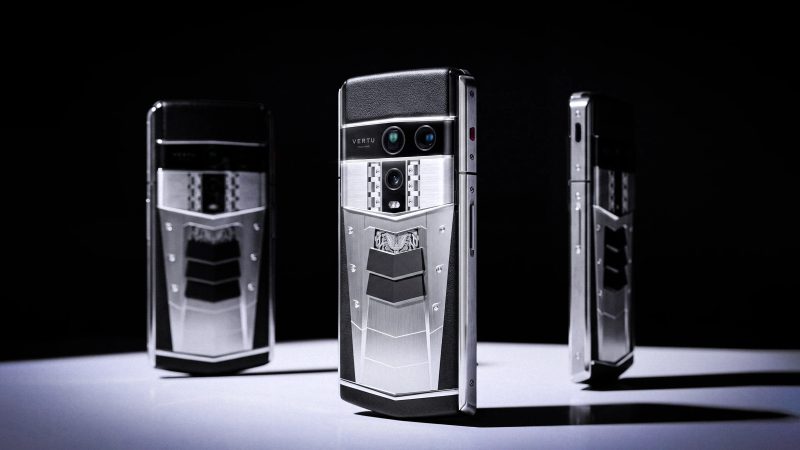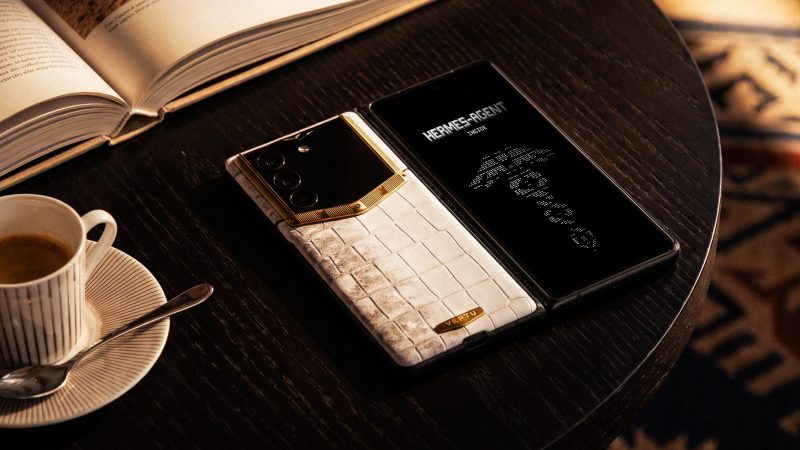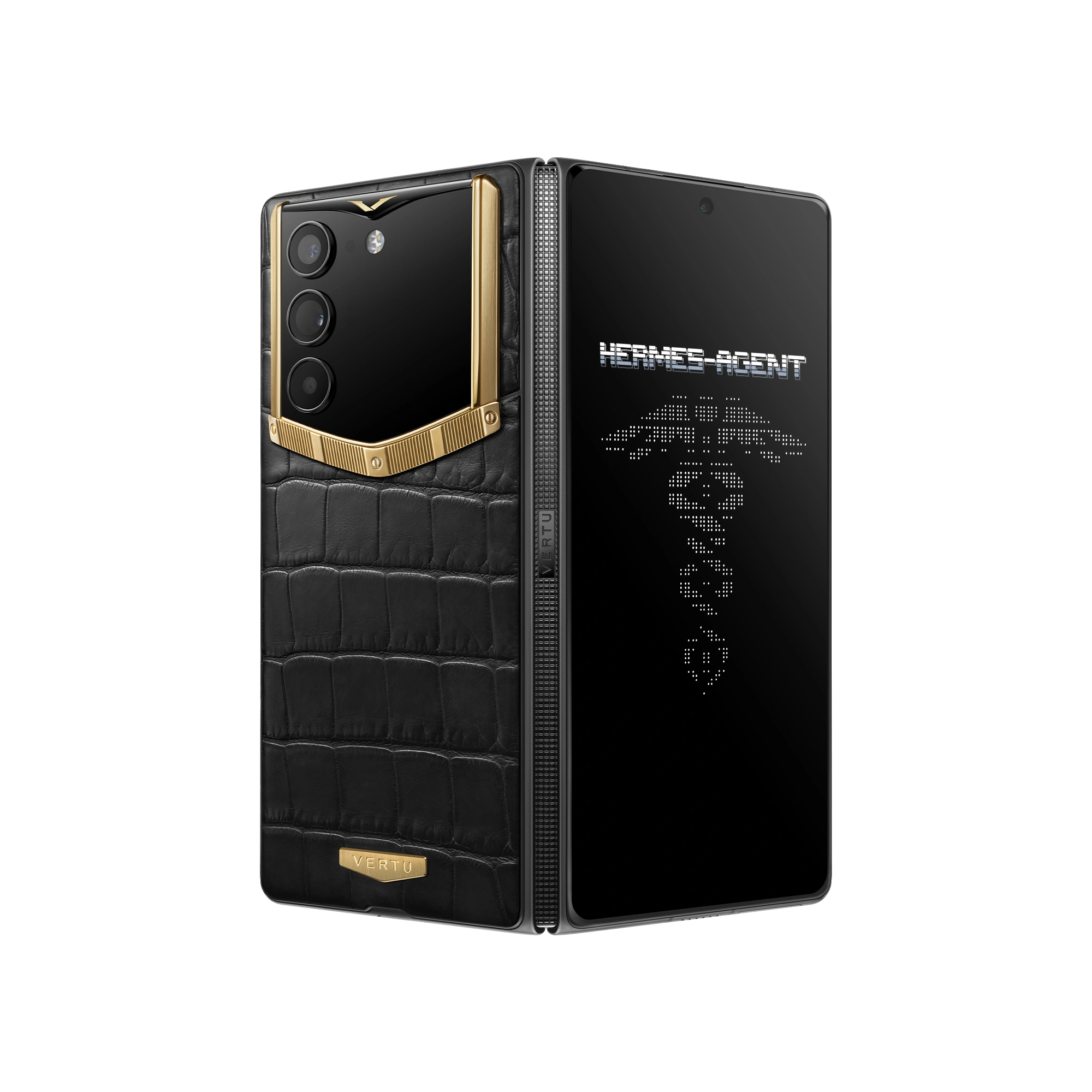
Gold can mean two very different things.
Sometimes it means precious metal you can verify like jewelry. Sometimes it means a gold finish that looks beautiful, but behaves like any other surface coating once it meets keys, pockets, and time.
If you’re considering a Vertu Gold Phone, your job is simple: separate what’s aesthetic from what’s intrinsic, then decide whether the craftsmanship and ownership experience justify the price.
Key takeaways
A “gold” phone can be solid gold components, gold-plated parts, or a gold-tone finish. Ask for the construction details, not just the color name.
Treat the gold element like fine jewelry: look for purity markings, understand how it will wear, and document it for insurance.
With VERTU, your purchase value isn’t only materials; it also includes hand-finished build, personalization, and concierge-style support.
For a high-value purchase, buy through official channels and verify authenticity (IMEI/serial and documentation) before you commit.
Start with one question: what does “gold” mean on this phone?
In luxury hardware, “gold” is often used in three ways:
Solid-gold components (typically an alloy such as 18K). This is closest to jewelry. It has intrinsic metal value, and it should be described with clarity.
Gold plating. A thin layer of gold over a base metal. It can look spectacular, but it can also wear through on edges and high-contact points.
Gold-tone finishes (PVD-style or other coatings). These may be extremely durable, but they are not “gold” in the jewelry sense.
A practical way to keep yourself honest is to apply the same logic you’d use for a watch case.
According to Jennifer Fisher’s 2023 guide on gold plated vs solid gold, plated pieces trade long-term wear for lower cost and easier manufacturing, while solid-gold pieces have a different durability and value profile.
How to verify: Ask the advisor to confirm whether the gold is solid, plated, or a gold-tone finish, and request the supporting documentation (purity, plating thickness, or material spec where applicable).
Materials that matter (beyond the gold)
A Vertu Gold Phone should be evaluated as an object you’ll carry every day, not just a display piece. That changes which materials matter.
Leather: your daily touchpoint
On VERTU’s current product pages, the leather is often the most explicit material callout.
For example, the AlphaFold Bespoke Alligator Skin Gold IV is positioned around “bespoke” build and alligator skin.
What to check:
Grain consistency and finishing (you want intentional texture, not uneven treatment)
Edge finishing around corners (this is where daily use shows first)
How the leather is integrated (clean seams, no lifting)
Collector’s note: Exotic leather is less about fragility and more about honesty. You’re buying a living material with natural variation. The question is whether the finishing respects that.
The chassis and high-wear points
Gold on a phone usually lives on edges, frames, bezels, and trims. These are also the places that meet desks, rings, and pockets.
So ask two questions:
Which surfaces are gold (frame, hinge, accents, internal parts)?
Which surfaces are the “contact surfaces” you’ll hit 200 times a day?
If the answer is “gold plating on the edges,” you’re making a style choice that comes with maintenance reality. If the answer is “solid-gold components,” you’ll care more about scratches and long-term serviceability.
Craftsmanship: what you’re paying for when specs stop differentiating
Most premium phones are competent machines. Luxury phones are supposed to be competent objects.
VERTU’s own explanation of price is consistent: rare materials, hand-finished construction, and service are a big part of the value story.
If you want the official framing, VERTU lays it out in its article on why VERTU phones are expensive.
What you should translate that into, as a buyer:
1) Fit and tactile precision
Forget camera megapixels for a moment.
Look for tolerances: clean panel joins, consistent gaps, and hardware that feels deliberate (buttons, hinge action, and frame edges). That’s where hand-finished work shows.
2) Accountability and provenance
Luxury craft is ultimately about traceability: who made it, what materials were used, and what happens when something goes wrong.
Even if you never plan to resell, provenance is how you protect your own purchase.
3) Service that matches the object
A luxury phone shouldn’t strand you.
If concierge-style support is part of the value proposition, confirm what “support” means in practice for your region:
response expectations
repair workflow
how personalization is handled
Gold value, pricing, and the question buyers avoid asking
Search phrases like gold vertu phone price, vertu phone price gold, and vertu phone gold usually mask the real question:
Am I paying for gold, or for everything around it?
The honest answer is usually “everything around it.”
On official VERTU pages, pricing is presented model-by-model. For instance, AlphaFold Bespoke Alligator Skin Gold IV is listed at $20,800 on the product page at the time of writing.
If you want to evaluate that price intelligently, break it into four buckets:
Materials you can audit (gold specification, leather type)
Craft you can feel (build precision, finishing, details)
Capabilities you’ll use (security features, performance, the foldable format)
Service you’ll rely on (concierge access, warranty/repair process, advisor support)
If one bucket is weak for you, the purchase will feel irrational. That’s a sign to pause.
What buyers should verify before purchasing
This is where most “gold phone” disappointment comes from: buyers fall in love with the look, then discover the maintenance and verification details after the money has moved.
Verify authenticity and buy-path first
If you’re buying a current VERTU device, start with the safest rule: use official channels.
VERTU’s own guidance on where to buy a VERTU phone emphasizes verifying authenticity (IMEI/serial), matching documentation, and watching for common red flags.
Practical checks to insist on:
You can verify the IMEI/serial through official channels before you commit
Documentation matches the device identifiers
The seller can provide a clean purchase trail and a clear return path
Verify what the “gold” actually is
If you want to treat the gold element like jewelry, inspect and document it like jewelry.
The National Pawnbrokers Association outlines a useful mindset in its 2024 overview on verifying gold authenticity: look for clear markings, be cautious with vague claims, and use professional testing when value is high.
What to ask for:
Purity marking (if solid gold) or clear description (if plating/coating)
Where the gold is used (frame, accents, other components)
Finish durability guidance and care instructions
Written warranty coverage details for cosmetic wear
Pro tip: If you’re paying luxury pricing and plan to insure the device, ask for the documentation you’d need for a policy file: model name, purchase proof, material description, and any certificates provided.
Understand wear and care upfront
Gold finishes are beautiful because they show light. They also show life.
Ask the advisor to be specific about:
whether high-contact areas are gold-plated, gold-tone, or solid-gold
what normal wear looks like after a year of daily carry
refinishing or service options, if wear is part of your reality
Red flags (especially for “gold” phones)
The seller uses “gold” as a headline but can’t answer whether it’s solid, plated, or gold-tone.
No clear documentation trail.
Pressure to pay off-platform or “move fast.”
Inconsistent story about origin, repair history, or warranty eligibility.
Who a Vertu Gold Phone is for (and who it isn’t)
You’re a strong fit if…
You care about the object in your hand as much as the tool in your pocket.
You want a phone that reads as discreet wealth, not loud decoration.
You value service, personalization, and privacy as part of ownership.
You should pass if…
You want “gold” primarily for resale value.
You’re sensitive to normal signs of wear on high-contact edges.
You want the most cost-efficient hardware performance per dollar.
Next steps
If you want to compare current options, start with the VERTU phones collection, then narrow by material and form factor.
Disclosure: This article references VERTU pages. Editorial judgment remains the priority.
FAQ
Is a Vertu Gold Phone solid gold?
Not always. “Gold” can refer to solid-gold components, gold plating, or a gold-tone finish. The right move is to ask for the exact construction and supporting documentation.
Will gold plating wear off on a phone?
It can. Phones are high-contact objects, and edges and buttons see constant abrasion. If your model uses gold plating, ask what normal wear looks like and whether refinishing is offered.
Why are VERTU phones expensive?
VERTU positions its pricing around rare materials, hand-finished construction, and service.
What’s the safest way to buy an authentic VERTU phone?
Start with official channels, verify IMEI/serial, and make sure documentation matches the device.