

| Model | Max Video Resolution | Key Filmmaking Feature | Optical Zoom |
|---|---|---|---|
| iPhone 17 Pro Max | 4K @ 120fps | Genlock & Apple Log 2 | 4x |
| Galaxy S25 Ultra | 8K @ 30fps | AI Instant Slow-mo | 10x |
| Pixel 10 Pro | 8K (via Video Boost) | Cinematic Video Mode | N/A |
| Xiaomi 15 Ultra | 4K (Standard) | 1-inch Main Sensor | 4.3x |
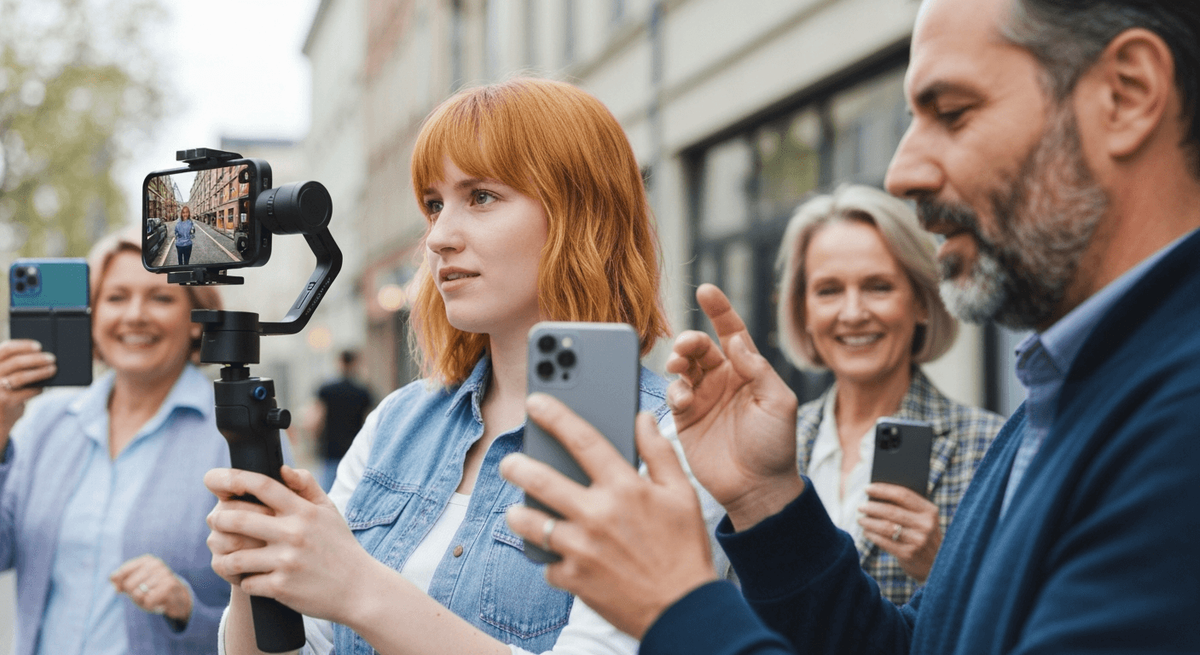
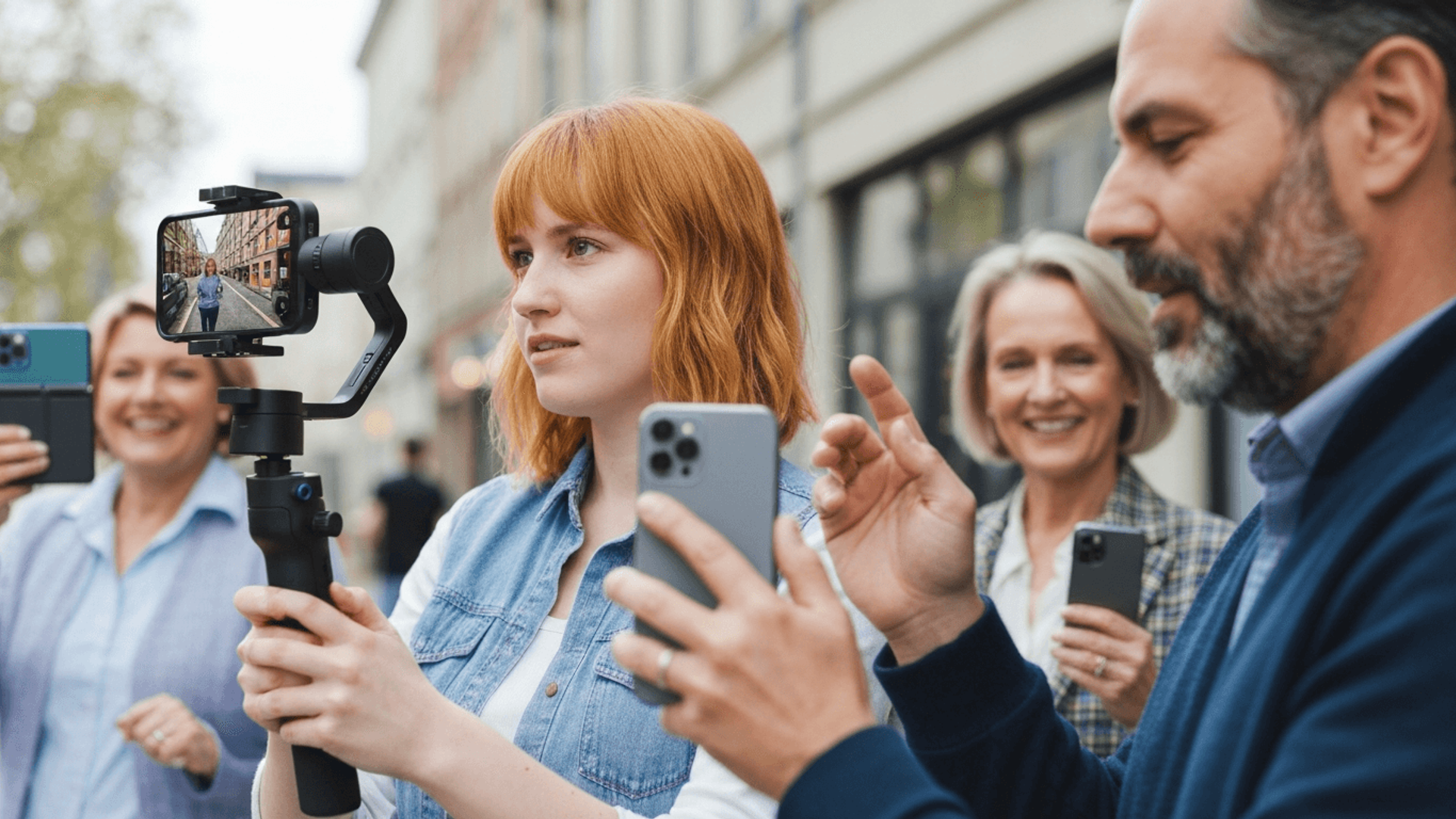
Gone are the days when capturing cinematic footage required a van full of heavy equipment and a massive budget. In 2026, your pocket holds a powerhouse capable of rivaling Hollywood's standard setups. You possess the vision, and now, technology has finally caught up to unleash it.
Mobile cinematography has evolved far beyond a social media trend, establishing itself as a legitimate medium for professional storytellers. The latest generation of camera phones for filmmaking offers unprecedented control, dynamic range, and resolution. These devices are transforming how independent creators and seasoned directors alike approach video production.
In this guide, we break down the top 7 devices that are redefining the boundaries of mobile video. We will explore their unique camera systems, advanced recording tools, and the specific qualities that matter for your next project. Get ready to discover the perfect tool to bring your cinematic masterpiece to life.
Top 7 Camera Phones for Filmmaking in 2026
The landscape of mobile cinematography has evolved drastically, blurring the lines between professional equipment and pocketable devices. In 2026, creators demand high-resolution sensors, advanced stabilization, and granular manual controls. The following devices represent the pinnacle of Camera Phones for Filmmaking , offering tools that range from AI-assisted editing to raw sensor performance suitable for the big screen.
1. Apple iPhone 17 Pro Max
The Apple iPhone 17 Pro Max establishes itself as a top contender for serious mobile filmmakers. It features a sophisticated 48MP camera system across all rear lenses , ensuring consistent resolution regardless of the focal length used. The inclusion of sensor-shift stabilization guarantees smooth, gimbal-like footage during handheld operation.
For professional workflows, this device supports high-fidelity formats like ProRes RAW and Apple Log 2 . A standout feature is the addition of Genlock , which allows for precise multi-camera synchronization—a rarity in mobile devices. With the ability to record 4K at 120fps , creators can achieve buttery smooth slow-motion without sacrificing clarity, making high-quality mobile productions more accessible than ever.
2. Samsung Galaxy S25 Ultra
Driven by the powerful Snapdragon 8 Elite chipset , the Samsung Galaxy S25 Ultra is a powerhouse for video performance. It pushes resolution boundaries with 8K recording up to 30fps , providing immense detail for cropping and stabilizing in post-production. For action shots, the device offers 240fps Full HD slow-motion , capturing fleeting moments with precision.
"The S25 Ultra enhances creative potential with integrated AI tools like Instant Slow-mo and Audio Eraser ."
Optical capabilities are equally impressive, boasting a 10x optical zoom and an upgraded 50MP ultra-wide lens . These features allow filmmakers to capture distant subjects or expansive landscapes without losing fidelity, solidifying its status among top camera phones for filmmaking.
3. Google Pixel 10 Pro / Pro XL
Google continues to refine computational videography with the Pixel 10 Pro and Pro XL. These devices excel in delivering high-quality 4K 60fps recording , with the ability to upscale to 8K via Video Boost . This technology ensures that even low-light footage retains sharpness and dynamic range.
To support narrative filmmaking, the Pixel 10 includes a Cinematic video mode that mimics professional depth of field. Audio is treated with equal importance; the Audio Eraser feature effectively reduces unwanted background noise. Furthermore, a commitment to seven years of software updates ensures these devices remain viable tools for long-term film production needs.
4. Xiaomi 15 Ultra
The Xiaomi 15 Ultra is engineered for those who prioritize optical superiority. It houses a prominent 1-inch main sensor , providing natural depth of field and superior light gathering capabilities. The Leica-branded quad-camera system delivers professional-grade color profiles, offering a distinct, cinematic aesthetic straight out of the camera.
Versatility is central to its design, featuring dual telephoto lenses with 3x and 4.3x optical zoom . This range allows directors to frame shots with significant creative flexibility. The image quality produced by this hardware makes it a highly versatile choice for both mobile photography and shooting films with a smartphone.
5. Apple iPhone 16 Pro Max
While a predecessor to the 17, the iPhone 16 Pro Max remains a professional filmmaking tool. It combines advanced hardware with a user-friendly interface, featuring a trio of lenses including a 5x telephoto . Its massive 6.9-inch screen serves as an excellent viewfinder for composing complex shots.
The device supports ProRaw images and ProRes video capture , giving editors maximum control during color grading. The ability to record in Log color space ensures that highlights and shadows are preserved, essential for high-end production workflows. The 48MP ultrawide camera further enhances the experience, capturing vast scenes with incredible detail.
6. Google Pixel 9 Pro XL
The Google Pixel 9 Pro XL utilizes Google's advanced AI to streamline videography. It performs exceptionally well in daylight conditions and integrates Gemini Live AI and Pixel Studio for creative content generation. These tools assist creators in visualizing scenes and enhancing footage on the fly.
Designed for the modern vlogger and mobile filmmaker, it offers a clean user experience that simplifies the technical aspects of shooting. Like its successor, it comes with seven years of software updates , making it a reliable Android camera phone that evolves over time.
7. Sony Xperia 1 VI
The Sony Xperia 1 VI is positioned as specialized filmmaking equipment for purists. It offers pro-level camera controls and advanced imaging sensors that allow for precise manual adjustments of shutter speed, ISO, and focus. This granular control is vital for those who want to dictate every aspect of their visual output.
The device features a unique aspect ratio and a stunning 4K display , catering to creators who need to review footage in the highest possible fidelity. For serious mobile photography and cinema, the Xperia 1 VI provides an experience akin to using a dedicated professional camera.
Choosing Your 2026 Filmmaking Phone: Key Considerations
As we approach 2026, the distinction between dedicated cinema cameras and mobile devices continues to blur. However, selecting the right tool requires navigating complex specifications to ensure professional results. When evaluating Camera Phones for Filmmaking , creators must prioritize hardware that mimics professional setups while retaining mobile agility.
Visual Fidelity and Optics
The foundation of cinematic footage lies in Sensor Size and Quality . Larger sensors capture significantly more light, leading to better low-light performance and dynamic range. This is crucial for professional filmmaking, allowing for depth of field control and image clarity that was previously reserved for bulky DSLR cameras.
Video Capabilities determine your post-production potential. You should look for high resolution—4K is the absolute minimum, but 8K is preferred for cropping utility. High frame rates, such as 60fps for standard motion and 120fps+ for slow-motion, are essential. Furthermore, advanced codecs like ProRes or Log provide necessary post-production flexibility for color grading.
"True cinematic freedom on mobile comes from optical versatility, not digital simulation."
Optical Zoom and Lens Versatility define your framing options. Devices equipped with multiple lenses (ultra-wide, wide, telephoto) and significant optical zoom ranges offer creative freedom for diverse shots. This setup ensures you are not relying on digital zoom, which degrades image quality and introduces noise.
To ensure your footage remains usable, Image Stabilization is non-negotiable. Optical Image Stabilization (OIS) combined with advanced electronic stabilization is essential for smooth, shake-free footage. This is particularly important when shooting handheld or capturing dynamic movement without a gimbal.
Workflow and Reliability
Do not underestimate Audio Recording . High-quality built-in microphones are a good starting point, but clear external audio input options are vital for professional film production. These features complement excellent phone camera quality, ensuring the soundscape matches the visual grandeur of your project.
Software and AI Features play a pivotal role in modern production. Computational photography and AI-driven enhancements, such as noise reduction or cinematic modes, can significantly streamline the mobile filmmaking process. User-friendly interfaces allow filmmakers to focus on composition rather than fighting with settings.
Finally, consider Durability and Battery Life . For extended shooting days, robust build quality and long-lasting battery life with fast charging are indispensable filmmaking equipment. Reliability is key; a device that overheats or drains quickly is a liability on a professional set.
| Feature Category | Standard Consumer Phone | Professional Filmmaking Phone |
|---|---|---|
| Video Codecs | Standard H.264/HEVC | ProRes, Log, RAW Support |
| Zoom Technology | Hybrid / Digital Zoom | Continuous Optical Zoom |
| Stabilization | Basic EIS | Advanced OIS + Action Mode |
| Low Light | Night Mode (Software) | Large Sensor (Hardware) |
| Audio I/O | Internal Mic Only | Multi-mic array + Ext. Input |
By carefully weighing these factors, you can select a device that serves not just as a phone, but as a capable cinema camera for 2026.
The VERTU Advantage: Luxury Meets Mobile Filmmaking
VERTU has long stood at the intersection of opulence and technology, catering to creators who demand elegance without compromising on utility. In the evolving landscape of Camera Phones for Filmmaking , the brand distinguishes itself by integrating high-fashion aesthetics with professional-grade optical hardware. This is not merely about communication; it is about crafting cinematic masterpieces with tools designed for the discerning artist who values both performance and data sovereignty.
The VERTU Agent Q redefines the mobile lens with its 'Humanist Lens' philosophy. It boasts a formidable triple-camera array: a 50MP Main sensor , a 50MP Ultra-Wide lens , and a striking 64MP Telephoto unit . Most notably, it features the world's first true mechanical zoom lens , delivering a flawless, human-eye perspective essential for artistic composition and short film creation.
"The Agent Q offers a paradigm shift with its AI Agents and Ruby Talk, streamlining tasks and enhancing user experience."
Beyond optics, the Agent Q facilitates a seamless workflow. For the professional filmmaker, data sovereignty is paramount. The device ensures this with a dedicated hardware encryption chip and triple-system architecture , creating a fortress for your intellectual property. Alternatively, the VERTU Metavertu Max combines flagship power with exquisite design, featuring a Web3 Dual-AI Brain and a stunning 1.5K Ultra HD AMOLED screen for playback.
The following table compares these two distinct options for luxury mobile cinematography:
| Feature | VERTU Agent Q | VERTU Metavertu Max |
|---|---|---|
| Camera System | 50MP Main, 64MP Telephoto, 50MP Ultra-Wide | 50MP Main (35mm), 50MP Ultra-Wide, 8MP Telephoto |
| Unique Lens Tech | World's first true mechanical zoom ("Humanist Lens") | Professional 35mm Main Lens focus |
| Display | High-fidelity Viewfinder | 1.5K Ultra HD AMOLED |
| Intelligent Core | AI Agents with Ruby Talk | Web3 Dual-AI Brain |
| Security | Hardware encryption chip, Triple-system architecture | Secure Web3 platform integration |
Both devices offer a secure and intelligent platform for advanced smartphone filmmaking. Whether prioritizing the mechanical zoom of the Agent Q or the Web3 capabilities of the Metavertu Max, VERTU ensures that the modern filmmaker is equipped with technology that is as secure as it is visionary.
FAQs for Aspiring Mobile Filmmakers in 2026
Q1: Can a smartphone truly produce professional-quality video in 2026?
A1: Yes, modern camera phones for filmmaking offer advanced sensors and AI stabilization. Computational photography now allows them to rival professional rigs for many production needs.
Q2: What are the key differences between iPhone and Android camera phones for filmmaking?
A2: iPhones offer seamless ProRes Log workflows and consistent hardware. Android phones often provide more innovative hardware, like variable apertures, and higher resolution 8K raw options.
Q3: What essential accessories are needed for mobile filmmaking?
A3: Beyond the phone itself, essential filmmaking equipment includes ND filters for light control and gimbals for stable shots. External microphones are also crucial for professional audio.
Q4: How does mobile filmmaking compare to traditional video production?
A4: Mobile filmmaking offers unmatched agility and lower entry costs for short film creation . It makes professional tools accessible for solo operators and small teams.
Q5: Is a high-end smartphone suitable for professional vlogging?
A5: Absolutely. Modern vlogging phone technology uses advanced tracking and stabilization, making solo operation and dynamic shots easier than ever before.
Conclusion
In 2026, the landscape of visual storytelling is undeniably shaped by the groundbreaking advancements found in modern smartphone technology. The top camera phones for filmmaking now offer unparalleled versatility and professional features, allowing creators to capture stunning visuals anywhere. These powerful devices have truly democratized the industry, proving that you no longer need heavy equipment to produce high-quality cinema.
When selecting your ideal device, carefully evaluate your specific needs, from your available budget to your desired video resolution and frame rates. You should consider the unique offerings of each model, whether you need the advanced video codecs of an iPhone or the specialized manual tools of a Sony Xperia. Making an informed decision based on these factors ensures you have the right hardware to support your artistic goals.
Ultimately, the best way to succeed is to equip yourself with the best phone for video in 2026 and start shooting immediately. Embrace the freedom of mobile filmmaking to turn your creative concepts into reality without the hesitation caused by complex gear. Select your perfect camera phone today and start bringing your cinematic vision to life with confidence.


![Top 10 Luxury Smartwatches for Business Travel [2026]](https://cdn.sanity.io/images/e0gp1l2g/production/8b5e5b21db42a1c5f040e828bd041857353a8eb2-2560x1382.webp?w=800&h=450&q=82&auto=format&fit=crop)