Introduction
This 2026 guide is for the power user who can feel the difference between “fast” and “fast for the whole day.” You shoot in difficult light. You edit on the move. You juggle a hotspot, a call, a navigation session, and a camera app without patience for throttling.
If you came here searching for the best phone for power users, you’re in the right place—but we’ll define “best” with US reality in mind.
The market moves quickly—new chip generations, new camera pipelines, and new charging standards can turn last year’s safe recommendation into this year’s compromise. So “best phone in the world 2026” needs a tighter definition than a spec sheet.
In the US, “best” means a phone that wins your real workflow, not just a benchmark: consistent camera output, sustained AI performance without heat drama, battery you can trust on travel days, and software support that keeps security current. It also means you can actually buy it, insure it, repair it, and get updates on time.
How we ranked the top 5 (best phone in the world 2026)
The rankings below are built around repeatable decision criteria rather than brand preference. If you disagree with the order, you should still be able to agree with the logic.
Camera, AI performance, and thermals
Power-user cameras are judged by outcomes: consistency across lenses, speed of capture, and the “keeper rate” in mixed light. Modern camera performance is increasingly about sensor size, optics, and processing—not just megapixel headlines, as Android Authority’s camera guide explains in its discussion of sensor size and optical zoom vs. megapixels.
AI performance matters most when it’s on-device and instant: search, summarization, translation, photo cleanup, and voice workflows. But the hidden constraint is heat. If a phone throttles after five minutes, your “top-tier” experience becomes unpredictable.
Thermals are therefore part of the performance score, not an afterthought. Sustained performance is what separates an impressive demo from a dependable daily tool.
Battery, charging standards, and endurance
Battery isn’t just “how big.” It’s efficiency under your actual use—camera bursts, navigation, bright display time, and background connectivity.
Charging is where power users can simplify life—or complicate it. In 2026, two standards matter:
USB-C Power Delivery (USB PD) for interoperable wired charging across laptops, tablets, and phones, defined by the USB-IF USB Power Delivery specification.
Qi2 for magnetic wireless charging alignment and better efficiency than older “drop-it-anywhere” pads.
For power users, the practical goal is simple: fewer proprietary bricks, fewer charging surprises.
Display, durability, software support, connectivity, and materials
A great display is a tool: brightness you can trust outdoors, stable refresh behavior, and touch response that doesn’t go sideways when your hands are dry, cold, or rushed.
Durability is increasingly about what fails first: glass, frame, hinge tolerances (for foldables), and long-term battery health under fast charging.
Software support matters because it’s inseparable from security. Apple’s guidance on staying protected repeatedly comes back to one principle: keep your device updated, as noted in Apple Support’s security update guidance (2026). For Android, Google makes the same case in Android.com’s overview of why updates matter. Update commitments vary widely by manufacturer, which is why Android Authority’s breakdown of major phone makers’ update policies (2026) is worth checking.
Connectivity is also US-specific: carrier compatibility, eSIM behavior, and the reality that imports can mean limited bands or complicated support. WIRED’s tested guide highlights these practical issues—especially around unlocked buying and US network fit—in its Best Android Phones (2026) recommendations.
Editor’s picks 1–3
1) Samsung Galaxy S26 Ultra — best overall Android for power users
For many readers, this is the most defensible best Android phone 2026 pick: a complete toolset, few glaring compromises, and strong day-to-day stability.
It’s the rare flagship that’s built for sustained intensity: camera versatility, multi-app work, and the kind of thermal headroom that matters when you’re shooting, editing, and sharing on the same charge.
Why it earns the spot
- Camera system versatilitythe Ultra line’s strength is flexibility—especially if you use zoom as a tool, not a party trick.
- Power-user productivitystylus workflows, split-screen discipline, and “do more without switching devices” behavior.
- Sustained performancedesigned for longer sessions without turning into a hand-warmer.
Trade-offs to accept
It can be more phone than you need if you don’t use the power tools.
The size is a commitment.
Collector’s note: For power users, the Ultra’s real value isn’t the headline spec. It’s the confidence that the phone behaves the same at 9am as it does at 9pm.
2) Apple iPhone 17 Pro Max — best iOS flagship for longevity and pro video
If you want the safest “buy it and keep it” option—and you shoot a lot of video—the iPhone 17 Pro Max remains the iOS benchmark. For many, it’s the most straightforward best iPhone 2026 choice because the ownership arc is predictable.
Why it earns the spot
- Pro video reliabilitypredictable results under pressure, with a workflow that stays consistent across apps.
- Longevity orientationApple’s track record of long support windows is one reason many power users treat iPhone ownership as a multi-year decision. Macworld summarizes the landscape in its 2026 guide to how long Apple supports iPhones.
- Ecosystem efficiencyif you live inside Apple hardware, the time saved is real.
Trade-offs to accept
You’re buying into Apple’s way of doing things.
If you prefer granular control (file handling, defaults, deeper system-level customization), iOS will still feel opinionated.
3) Google Pixel 10 Pro — best AI-first Android with long updates
For the power user who wants their phone to feel “smart” in the practical sense—organizing, filtering, editing, and assisting—the Pixel 10 Pro is the most AI-forward experience without becoming a gimmick.
Why it earns the spot
- AI features that reduce frictionthe Pixel’s strength is how often it saves you a step.
- Clean software experiencefewer layers between you and the OS.
- Long update horizonGoogle’s approach to updates and security is a core reason Pixel is easy to recommend for long-term ownership.
Trade-offs to accept
Pixel performance is about intelligence and integration, not just raw muscle.
Hardware availability and configurations can be less broad than Samsung’s.
Picks 4–5 and timing guidance
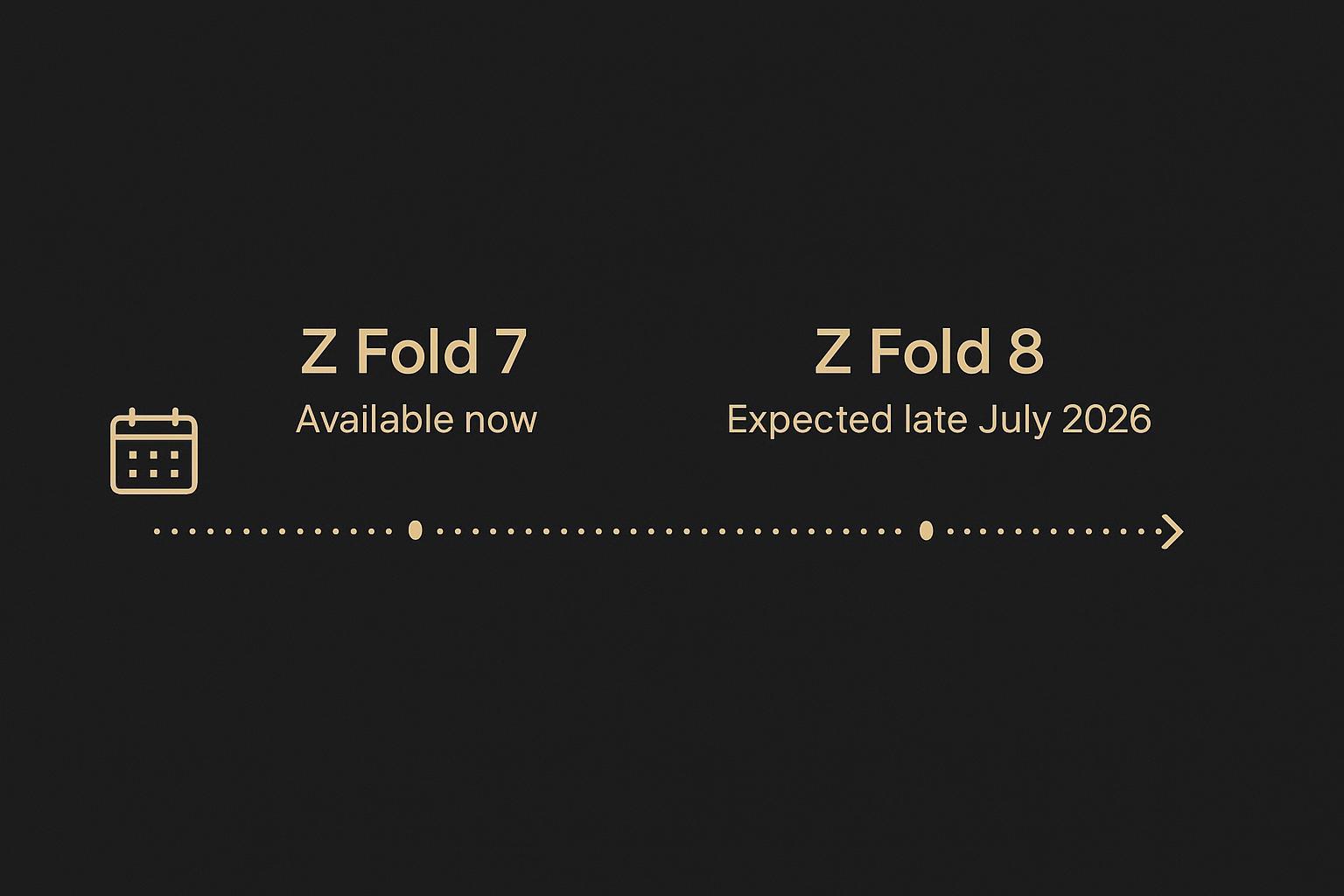
4) Samsung Galaxy Z Fold 7 — buy now or wait for Z Fold 8
Foldables are a different category: you’re not just buying a phone, you’re buying a second screen you can carry—and the hinge becomes part of your daily reliability equation.
Buy the Z Fold 7 now if…
you already know you’ll use split-screen and tablet-like reading/editing every day
you value the “one device replaces two” effect more than absolute pocketability
Wait for the Z Fold 8 if…
you’re sensitive to depreciation and want the newest hinge iteration
you’re on the fence about foldables and want the most refined version
5) Oppo Find X9 Ultra — camera king with US import caveats
For pure camera ambition, Oppo’s Ultra-class devices have a strong reputation among enthusiasts. The problem for US power users isn’t capability—it’s logistics.
If you’re considering the Find X9 Ultra from the US, treat it like an import purchase first and a camera purchase second:
- Carrier compatibilityverify bands and real-world reports for your network.
- Warranty and repairunderstand where service actually happens.
- Returns and insurancemake sure you can unwind the decision if the fit isn’t right.
Luxury and executive experience
Materials, haptics, stylus, and desktop modes
Here’s what most spec-driven rankings miss: for power users, the phone is as much an instrument as it is a computer.
Materials and haptics matter because they affect confidence. A rigid frame, clean button feel, and restrained vibration tuning change how the device feels during high-stakes use—boarding passes, approvals, signatures, secure calls.
Two power-user features also deserve more respect than they get:
- Stylus inputnot for doodling—for fast markups, quick signatures, and “think with your hands” moments.
- Desktop modes and external display workflowswhen you can land in a meeting and run a lightweight workstation from your phone, the phone becomes part of your professional presence.
Concierge, security, and ecosystems for VIP workflows
At the top end of the market, “best” starts to include ownership experience: fast replacement paths, human support, privacy posture, and an ecosystem that reduces coordination overhead.
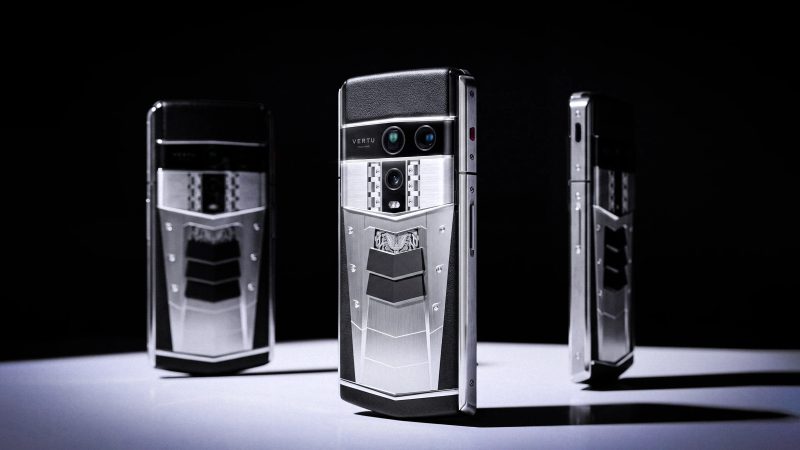
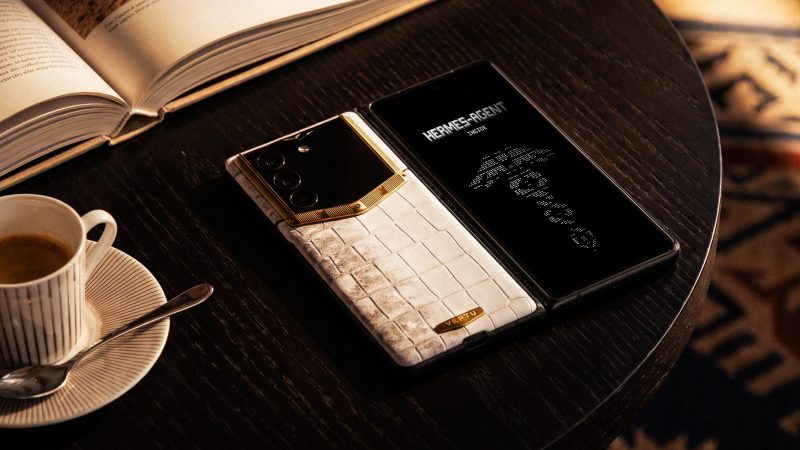
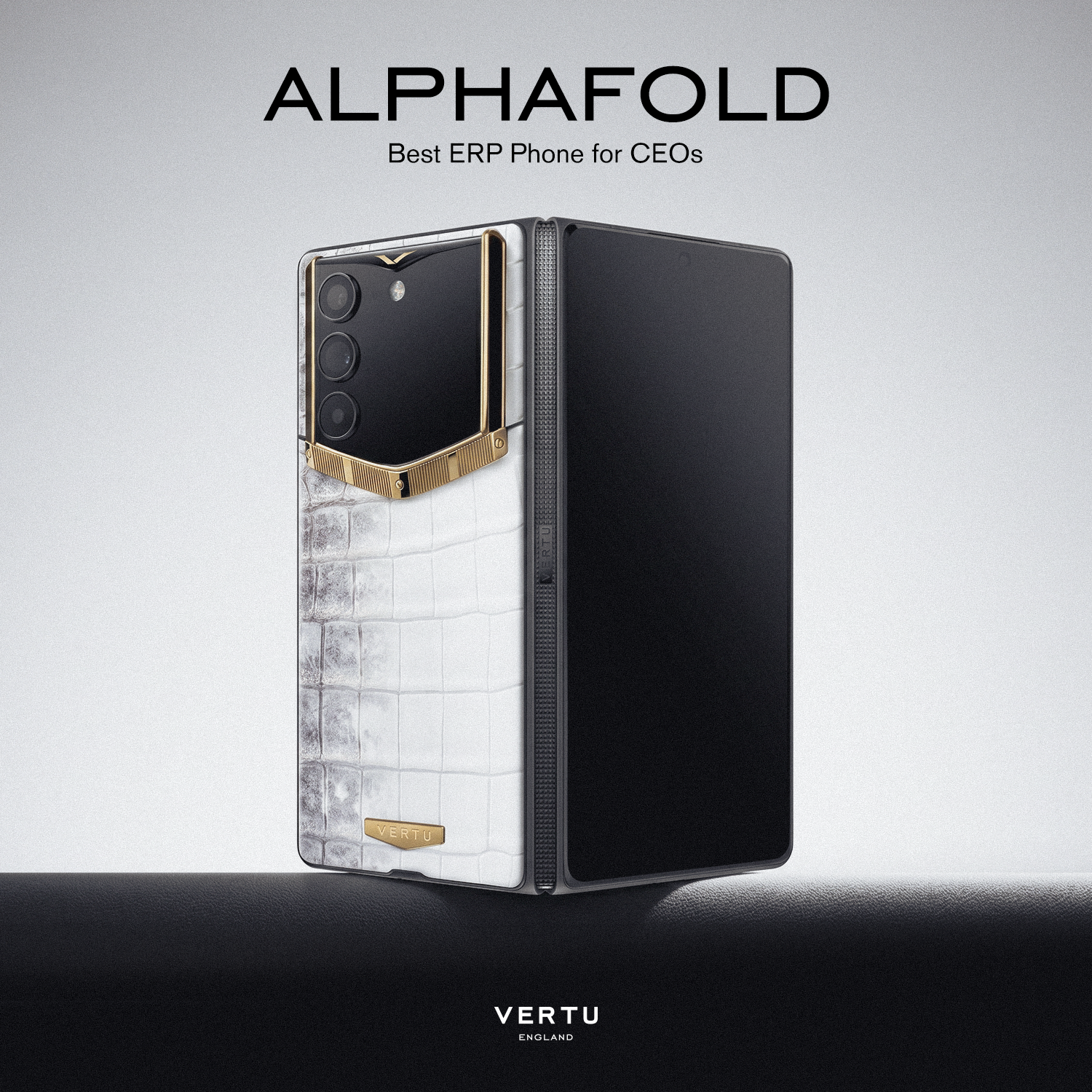
That’s where luxury ecosystems can make sense—when they’re applied to real problems, quietly. For example, VERTU’s approach to ownership pairs premium materials with a broader ecosystem that includes 24/7 concierge support for high-travel, high-variability schedules. If your assistant, flights, dining, and last-minute itinerary changes are part of the job, having a human layer you can rely on can be as valuable as another incremental camera feature.
For readers who care about discretion and security, the most practical baseline remains: choose a phone with strong long-term update support and keep it current. Apple emphasizes that keeping iOS updated is a primary protection step in its security guidance (2026), and Google outlines the same principle for Android in its update overview.
If you want to explore the “ownership ecosystem” lens further, the VERTU Guides section is a good starting point.
Conclusion
If you want the simplest recap, map the pick to your workflow:
You want the most capable all-round Android tool (camera flexibility + productivity + long days): Galaxy S26 Ultra.
You care most about longevity and pro video stability (and you’re deep in Apple’s ecosystem): iPhone 17 Pro Max.
- You want the most helpful AI-first experience with a clean Android feelPixel 10 Pro.
- You’re choosing a foldable for real productivityZ Fold 7—but treat timing as part of the decision.
- You’re chasing maximum camera ambition and accept import complexityOppo Find X9 Ultra.
The final word is timing and US reality. If you buy in the US, prioritize official availability, update support, and service pathways. The best phones 2026 aren’t just powerful—they’re dependable.
If you want a second opinion, use the criteria wheel above as a checklist: camera outcomes, sustained performance, endurance + charging standards, software support, connectivity, and materials. It will keep you honest about what you actually value.
Further reading: VERTU’s Top 10 Best Smartphones of 2026: Your Global Buyer’s Guide.
Disclosure: This article references VERTU pages. Editorial judgment remains the priority.