| Feature | Apple Watch Series 11 | Google Pixel Watch 4 | Garmin Vivoactive 6 |
|---|---|---|---|
| Best For | iPhone Users | Android Users | Overall Fitness |
| Standout Feature | FDA-Cleared Hypertension Notifications | Fully Repairable Design | Onboard Satellite Connectivity |
| AI Integration | AI Workout Buddy | Fitbit AI Personal Coach | Advanced Training Metrics |
| Display | High-Resolution Retina | Circular AMOLED | Vibrant AMOLED |
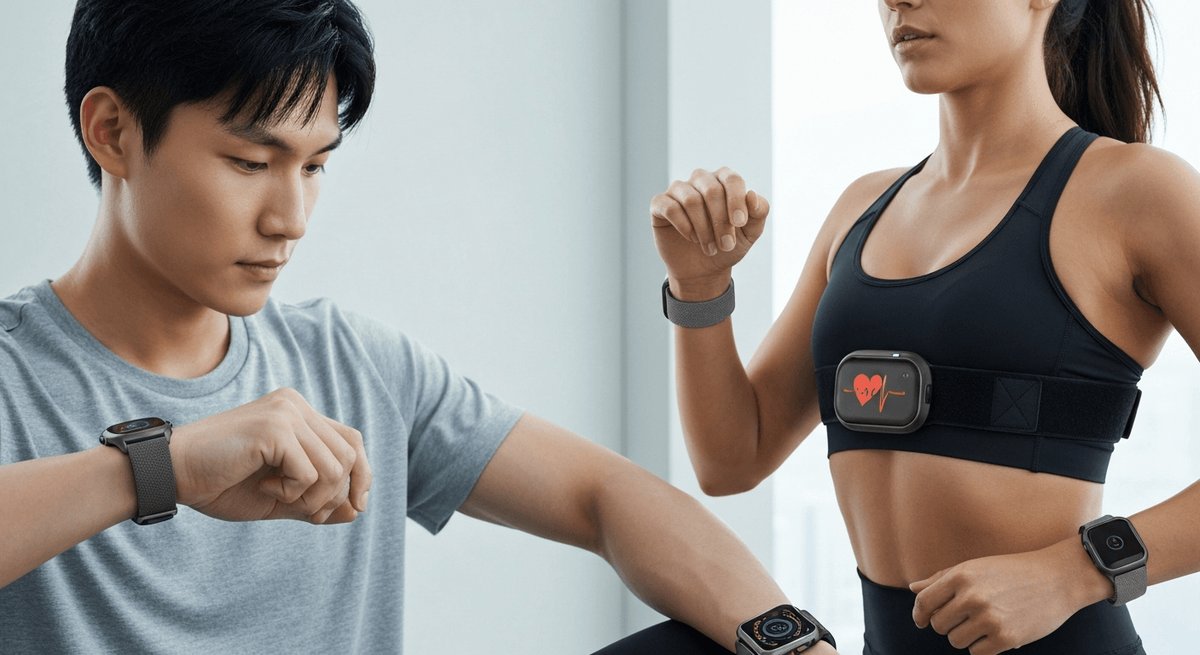
Are you ready to unlock your full health potential? The year 2026 is revolutionizing personal wellness, moving far beyond simple step counting. We are in an era of proactive, data-driven health management. This rapid evolution makes choosing the right technology more critical, yet more overwhelming, than ever before.
This is where the latest generation of wearable health devices comes into play. These sophisticated gadgets are no longer just for elite athletes; they are essential tools for anyone serious about their well-being. They provide deep insights into everything from your sleep quality to your metabolic health.
To help you navigate this exciting landscape, we've compiled the definitive guide to the top 10 devices for 2026. We will explore the most innovative gadgets, from smart rings to advanced biosensors. This guide will help you find the perfect companion for your holistic health journey.
The Best Wearable Health Devices of 2026
The landscape of personal wellness is being transformed by sophisticated wearable health devices . These gadgets offer far more than just step counting, providing deep insights into your body's metrics. This data empowers you to make informed decisions for a healthier life.
From advanced sleep analysis to continuous glucose monitoring, this technology makes proactive health management more accessible than ever. Here are the top 10 devices leading the charge in 2026.
1. Garmin Vivoactive 6
Crowned the best overall fitness tracker , the Garmin Vivoactive 6 is a powerhouse of functionality. It boasts robust features including onboard satellite connectivity , ensuring you stay connected and safe. Its vibrant AMOLED display makes viewing your stats a pleasure.
Advanced health metrics like blood oxygen monitoring , detailed sleep tracking, and continuous heart rate measurements provide a comprehensive overview. The addition of incident detection offers peace of mind during any activity.
2. Oura Ring 4
Hailed as the best smart ring , the Oura Ring 4 masterfully combines comfort with powerful health insights. Its new Smart Sensing algorithm delivers incredibly detailed sleep, readiness, and activity tracking. Experimental features like Symptom Radar and integration with Health Panels offer a glimpse into the future of personalized health.
3. Whoop MG Fitness Band
The screenless Whoop MG Fitness Band offers a unique, distraction-free approach to health monitoring. It provides ECG capabilities and blood pressure monitoring through a proprietary algorithm. Daily exertion is quantified using its innovative Strain algorithm.
Furthermore, it introduces forward-looking metrics like Healthspan and Pace of Aging . This gives users a long-term perspective on their wellness journey.
4. Dexcom Stelo
Recognized as the best continuous glucose monitor (CGM) , the Dexcom Stelo simplifies metabolic health management. This small, Bluetooth-enabled sensor accurately tracks glucose levels 24/7 without fingerpricks. Its user-friendly design is complemented by a simple app.
The app provides helpful alerts for glucose spikes, making it easy to understand how diet and exercise affect your body. Seamless integration capabilities allow it to connect with other health platforms.
5. Apple Watch Series 11
For iPhone users, the Apple Watch Series 11 remains an excellent choice. It finally achieves a full 24-hour battery life , making it a more reliable all-day companion. Key health upgrades include FDA-cleared hypertension notifications and a new, more nuanced Sleep Score.
The AI-powered Workout Buddy provides personalized coaching. Established functions like blood oxygen sensing and crash detection continue to offer critical safety and wellness data.
6. Google Pixel Watch 4
The top recommendation for Android users, the Google Pixel Watch 4 stands out with a fully repairable design . It adds satellite messaging for emergencies. It also enhances its sleep tracking and features improved skin temperature sensing.
Accuracy is further boosted by dual-frequency GPS. The watch deeply integrates Fitbit's ecosystem, leveraging an AI-enabled Personal Health Coach to guide users toward their goals.
7. Withings ScanWatch 2
The Withings ScanWatch 2 is the best analog watch tracker , perfect for those who prefer classic aesthetics. It boasts an impressive battery life and comprehensive health tracking, including proactive temperature monitoring. Its Cardio Check-Up service allows users to have their ECG data reviewed by professionals.
8. Fitbit Charge 6
For a cost-effective option, the Fitbit Charge 6 is an outstanding choice. It provides full access to Fitbit's renowned premium health tracking software. It balances features, accuracy, and value perfectly.
Despite its slim profile, it packs in built-in GPS , an ECG app , and an EDA sensor for stress management. It also excels at the fundamentals, offering detailed sleep tracking.
9. Garmin Forerunner 970
The Garmin Forerunner 970 is the definitive best running watch for serious athletes. It features a large, bright AMOLED screen and extended battery life . Its advanced training algorithms, including the new Running Tolerance score , help athletes optimize performance.
Practical additions like an in-device flashlight and a speaker/microphone for calls enhance its everyday utility. This makes it a versatile training partner.
10. Polar H10
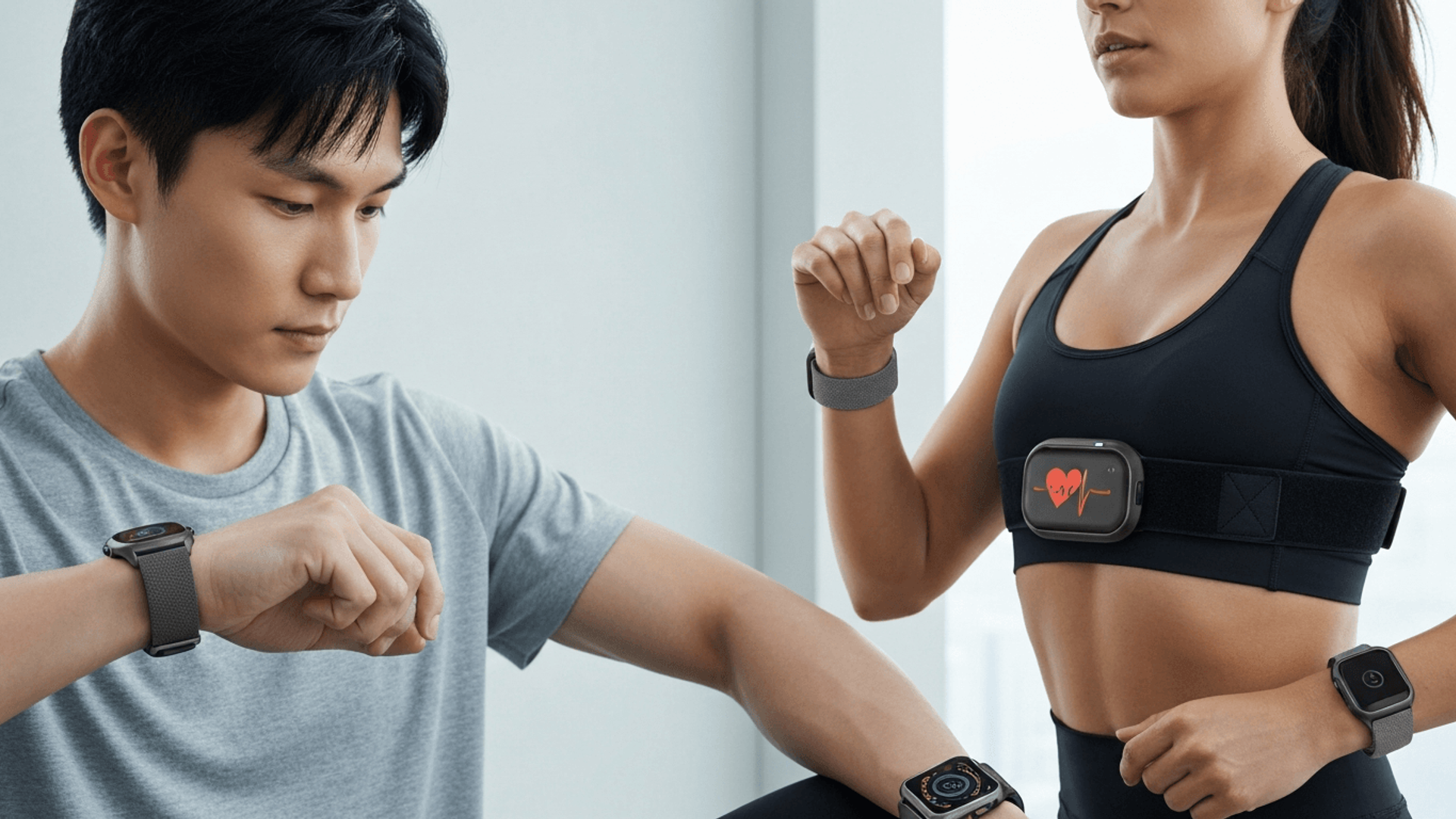
When it comes to pure accuracy, the Polar H10 chest strap is unmatched . For precise heart rate monitoring during intense aerobic activity, it remains the top choice. It offers superior accuracy compared to any wrist-based tracker.
Its reliability is backed by ANT+ connectivity and built-in memory. This allows you to record a workout without a watch, making it an essential tool for athletes.
How to Choose the Right Wearable Health Device in 2026
The market for wearable health devices is more advanced than ever, offering specialized tools for every wellness journey. Selecting the right one requires looking beyond marketing and focusing on your personal objectives. A clear understanding of your goals is the first step toward finding a device.
Define Your Primary Health Goals
Your primary motivation dictates the ideal device. Are you an athlete aiming to optimize performance or simply looking to enhance your sleep quality? First, define your main objective to guide your choice towards devices with the most relevant features.
| Primary Goal | Recommended Device Type | Key Features to Look For |
|---|---|---|
| General Fitness | Smartwatch or Fitness Band | GPS, Step Counting, Heart Rate |
| Sleep Enhancement | Specialized Ring or Band | Sleep Stage Tracking, SpO2, HRV |
| Chronic Condition | Medical-Grade Monitor | ECG, Blood Pressure, Glucose (CGM) |
| Athletic Performance | Advanced Sports Watch | VO2 Max, Lactate Threshold, GPS |
Prioritize Key Features and Functionality
Once your goal is clear, prioritize essential features. For most users, this includes accurate heart rate monitoring , activity tracking, and detailed sleep analysis. Battery life is also crucial for consistent tracking.
For those with specific health concerns, consider advanced metrics. These can include blood oxygen levels (SpO2) and on-demand ECG capabilities .
Check for Compatibility and Ecosystem Integration
A great device becomes frustrating if it doesn't integrate into your digital life. Ensure the wearable you choose is fully compatible with your smartphone (iOS or Android). A seamless health monitoring experience depends on how well the device syncs with your preferred health apps.
FAQ (Frequently Asked Questions)
Q1: What is the main benefit of a wearable health device?
A1: They provide continuous, personalized health data on your activity, sleep, and vitals. This empowers you to understand your body better and make proactive, informed decisions for your well-being.
Q2: Can these devices help manage a chronic illness?
A2: Yes. Many devices monitor key metrics like heart rate, SpO2, and ECG. They can detect irregularities and alert you or your doctor, allowing for timely intervention and proactive management.
Q3: How accurate is heart rate monitoring on these devices?
A3: Wrist-based trackers are good for daily use but can be less precise during intense exercise. For maximum accuracy, chest strap monitors like the Polar H10 are considered the gold standard.
Q4: Is my health data secure on a wearable device?
A4: Reputable brands use encryption and follow strict privacy policies to protect your data. Always review the privacy settings and terms of service for your specific device to understand how your information is handled.
Conclusion
In 2026, wearable health devices are essential tools for proactive wellness management. They offer unparalleled, real-time insights into everything from sleep patterns to cardiovascular health. Embracing this technology empowers you to take a data-driven approach to your well-being.
Ready to take control? Start by defining your primary health goals and use this guide to compare top devices. Choose the companion that best fits your lifestyle and integrates with your technology. Your journey to a healthier, more informed you starts now.