| Feature | Apple Watch Series 10 | Fitbit Sense 2 | Withings ScanWatch 2 |
|---|---|---|---|
| Primary Focus | All-in-one health & lifestyle hub | Holistic wellness & stress management | Medical-grade monitoring, classic design |
| ECG | On-Demand App | On-Demand App | On-Demand |
| Unique Sensor | Fall Detection | Body Response (Stress) | Body Temperature Tracking |
| Battery Life | ~1-2 Days | ~6+ Days | Up to 30 Days |
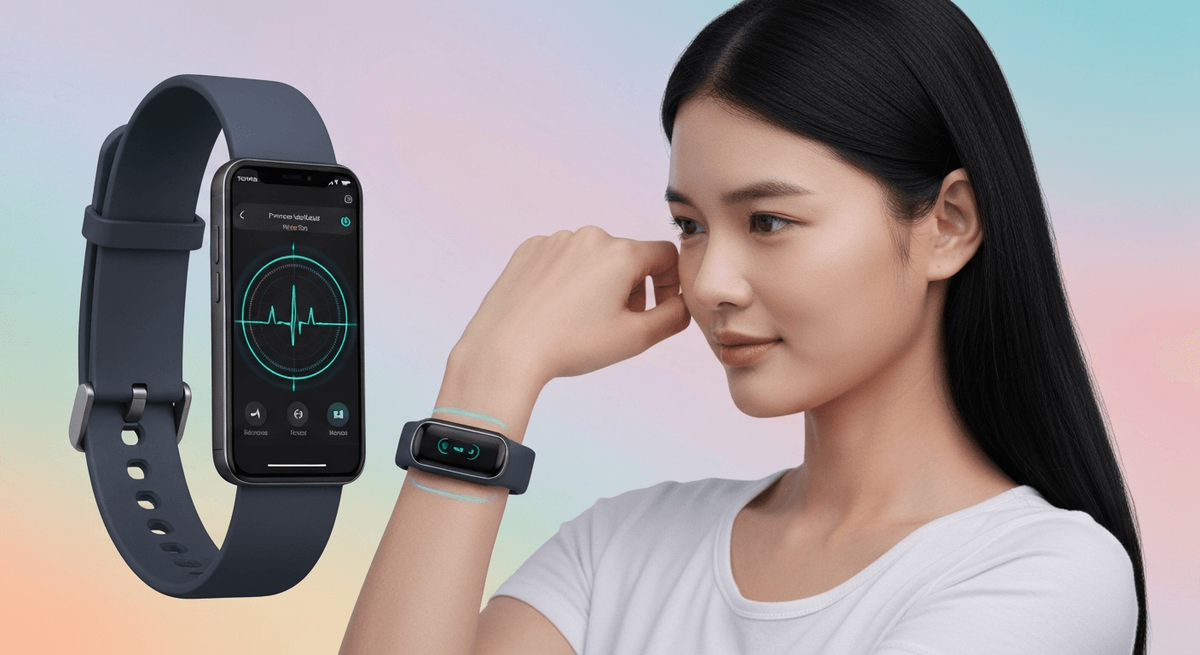
Imagine your smartwatch alerting you to a potential health issue days before you even feel a symptom. This isn't science fiction; it's the reality of modern personal healthcare. But are you truly unlocking the full life-saving potential of the device on your wrist?
The latest generation of devices has transformed personal wellness by shifting the focus from reaction to prevention . Advanced sensors and intelligent software mean that wearables enable proactive health monitoring on a continuous basis. Your device is a powerful health guardian, but only if it is configured correctly for your unique needs.
This guide will walk you through the essential steps to optimize your wearable for superior health outcomes. We'll cover tracking vital signs, customizing alerts for preventive care, and leveraging the power of AI for advanced diagnostics. Get ready to transform your gadget into your personal health command center.
Top 7 Wearables for Proactive Health Monitoring in 2026
In 2026, the landscape of personal health is defined by prevention and early detection. The latest generation of wearables enable proactive health monitoring by providing continuous, real-time data directly from your body.
These devices empower individuals and their doctors to make informed decisions, moving from reactive treatment to proactive wellness management. Here are the top devices leading this charge.
1. Apple Watch Series 10
The Apple Watch Series 10 is a leading smartwatch and a central hub for managing personal well-being. Its improved ECG app provides on-demand heart rhythm checks. Background irregular heart rhythm notifications alert users to potential issues.
This device offers comprehensive insights with advanced blood oxygen tracking and heart rate recovery data. Features like fall detection and medication reminders further solidify its role as an all-in-one health companion.
2. Fitbit Sense 2
Fitbit Sense 2 delivers continuous health insights through its robust sensor suite. It offers 24/7 heart rate tracking and an ECG app for AFib detection. Notifications for irregular heart rhythms complement these features.
A key differentiator is its detailed stress monitoring, powered by a Body Response sensor that tracks electrodermal activity. This holistic approach is rounded out with sleep tracking, skin temperature, and oxygen saturation data.
3. Withings ScanWatch 2
The Withings ScanWatch 2 blends classic watch aesthetics with powerful medical-grade technology. It provides 24/7 heart rate monitoring, on-demand ECG, and blood oxygen tracking. Proactive capabilities include monitoring for signs of sleep apnea .
The device also tracks baseline body temperature fluctuations. Its most impressive feature is a battery life of up to 30 days . This ensures consistent, long-term data collection without daily interruptions.
4. KardiaMobile
KardiaMobile is a highly specialized, portable ECG device cleared by the FDA. It connects to a smartphone to detect irregular heartbeats in just 30 seconds. This includes atrial fibrillation (AFib), bradycardia, and tachycardia .
Its primary strength is generating medical-grade, shareable reports for healthcare providers. As an FSA/HSA eligible device, it offers accessible, professional-level cardiac monitoring.
5. Zio by iRhythm
For discreet, long-term monitoring, Zio by iRhythm provides a clinical-grade solution. This system uses a small patch worn on the chest for up to 14 days , continuously recording heart activity. AI-powered insights analyze the data to identify irregular rhythms. The platform offers two options: Zio XT for comprehensive long-term monitoring and Zio AT, which adds real-time telemetry for more immediate physician oversight.
6. BodyGuardian MINI Plus
The BodyGuardian MINI Plus is a compact, wireless cardiac monitor for remote patient observation. It transmits real-time heart rhythm data directly to healthcare providers . This enables swift intervention.
The system uses AI-driven analytics to accurately detect arrhythmias and AFib. Its waterproof design ensures uninterrupted monitoring during daily activities, making it a reliable clinical tool.
7. Wearable MOF Biosensors
Looking to the future, advanced wearable biosensors utilizing Metal-Organic Frameworks (MOFs) represent the next frontier. These offer enhanced sensitivity and specificity for detecting key biomarkers like glucose and cortisol in real-time.
When integrated with AI and machine learning, this technology enables sophisticated data analysis for truly personalized healthcare. This evolution makes predictive and proactive disease management a reality, pushing the boundaries of what is possible in personal health.
How to Set Up Your Wearable for Continuous Monitoring
Unlocking your device's full potential begins with a thoughtful setup. Properly configuring your wearable transforms it from a simple tracker into a powerful health ally, creating a personalized system for continuous oversight. This initial investment of time is crucial for effective long-term health management and gaining actionable insights into your well-being.
Personalize Your Health Dashboard
First, navigate your wearable's companion app to customize your health dashboard . This central hub should provide an at-a-glance view of what matters most to you. Prioritize displaying key vital signs such as heart rate , blood oxygen saturation (SpO2), and detailed sleep patterns for immediate access.
Ensure that continuous monitoring is enabled for all relevant metrics. This function works silently in the background to capture a comprehensive physiological baseline. Over time, this allows the device to learn your unique patterns and more accurately identify significant deviations.
Enable Real-Time Alerts
Next, configure real-time alerts for critical changes in your vital signs. These proactive notifications are crucial for immediate awareness and timely intervention. Many devices offer customizable thresholds for key metrics.
Setting alerts for heart rate, irregular rhythms, or falls turns your device into a vigilant guardian. By providing instant warnings, wearables enable proactive health monitoring , shifting the focus to prevention.
| Alert Type | Customizable Threshold | Typical Use Case |
|---|---|---|
| High/Low Heart Rate | Yes (e.g., >120 bpm or <40 bpm) | Notifies of potential cardiac stress or bradycardia. |
| Irregular Rhythm | Often algorithmic (On/Off) | Detects patterns that may suggest atrial fibrillation. |
| Fall Detection | Sensitivity levels (Low/High) | Can automatically contact emergency services after a hard fall. |
| Blood Oxygen (SpO2) | Yes (e.g., <90%) | Alerts to potential respiratory issues, especially during sleep. |
Integrate with Healthcare Providers
Finally, explore options for secure data sharing with your healthcare provider. Many modern wearables support integration with health platforms or offer features for generating exportable health reports. This capability is a cornerstone of modern preventive healthcare, bridging the gap between daily life and clinical oversight.
Features like remote patient monitoring integration allow for the seamless transmission of your health data. This facilitates more informed patient care and enables advanced diagnostics based on continuous, real-world information, giving your doctor a comprehensive view of your health trends.
The Role of AI in 2026 Health Monitoring
By 2026, the integration of Artificial Intelligence with personal devices is profoundly transforming personal health. This synergy is shifting the paradigm from reactive treatment to proactive wellness. The continuous stream of data from advanced sensors means your health is no longer a snapshot from a doctor's office, but a living story that AI helps you understand.
AI-Powered Diagnostics
Sophisticated AI algorithms are revolutionizing diagnostics by analyzing real-time data from your body. In 2026, wearables enable proactive health monitoring by capturing subtle physiological signals that might be imperceptible. These systems can detect minute anomalies in vital signs, such as slight variations in heart rate or sleep patterns. This capability leads to the much earlier detection of potential conditions, providing a crucial window for early intervention.
Predictive Health Insights
AI's true power lies in its predictive capabilities . By leveraging continuous monitoring data, advanced algorithms identify long-term patterns and trends unique to your physiology. This allows the system to forecast potential health issues long before they become serious problems. This shift is fundamental to a more preventive healthcare model, empowering you to take action ahead of time.
| Aspect | Traditional Monitoring | AI-Powered Monitoring (2026) |
|---|---|---|
| Data Collection | Episodic (e.g., annual check-ups) | Continuous (24/7 via wearables) |
| Approach | Reactive (treating symptoms) | Proactive (predicting risks) |
| Intervention | Standardized treatments | Personalized recommendations |
| Patient Role | Passive recipient of care | Active participant in health |
Personalized Health Management
Beyond prediction, AI delivers truly personalized health management . By analyzing your unique physiological data against vast datasets, it offers hyper-personalized recommendations. Imagine receiving tailored suggestions for lifestyle adjustments, optimal exercise routines, or even precise timing for medication. This transforms patient care from a one-size-fits-all approach into a dynamic, individualized experience.
FAQ (Frequently Asked Questions)
Q1: How do wearables enable proactive health monitoring?
A1: Wearables track vital signs like heart rate and sleep 24/7. This continuous data allows algorithms to detect subtle changes that may signal health issues, providing early warnings before symptoms appear and enabling timely action.
Q2: What is the most important setting for proactive health monitoring?
A2: The most crucial setting is enabling continuous monitoring for key vitals like heart rate and blood oxygen. Also, configure high/low heart rate alerts and irregular rhythm notifications to receive immediate warnings about potential issues.
Q3: Can I share my wearable data with my doctor?
A3: Yes, many wearables let you generate exportable health reports like PDFs of ECG readings. Some platforms also integrate with healthcare systems for secure remote patient monitoring, providing your doctor with continuous, real-world data.
Conclusion
Properly configuring your device transforms it into a powerful health ally for 2026 and beyond. Modern wearables enable proactive health monitoring , shifting the focus from reactive treatment to genuine prevention. This technological leap empowers you to anticipate health issues, leading to better wellness outcomes.
Take control of your health journey today. Open your wearable's companion app now and enable continuous monitoring for key vitals like heart rate and sleep. Configure real-time alerts for irregular rhythms or significant changes to turn your device into a proactive health guardian.
Don't wait for your next doctor's appointment to understand your well-being. By personalizing your settings, you harness the full power of modern technology. Start leveraging these advanced tools now to make informed decisions and manage your health proactively.