| Model | Display Tech | Key Sensor/Feature | Best Use Case |
|---|---|---|---|
| Forerunner 970 | AMOLED Touch | Elevate Gen 5 Sensor | Precision Running Analytics |
| Apple Watch Ultra 2 | Retina OLED | Power Meter Connectivity | Ecosystem Integration & Cycling |
| Suunto Race Ti | AMOLED | AI Coaching Advice | Long-Duration Exploration |
| Garmin Fenix 8 | AMOLED | Body Battery & Training Effect | Comprehensive Multi-Sport |
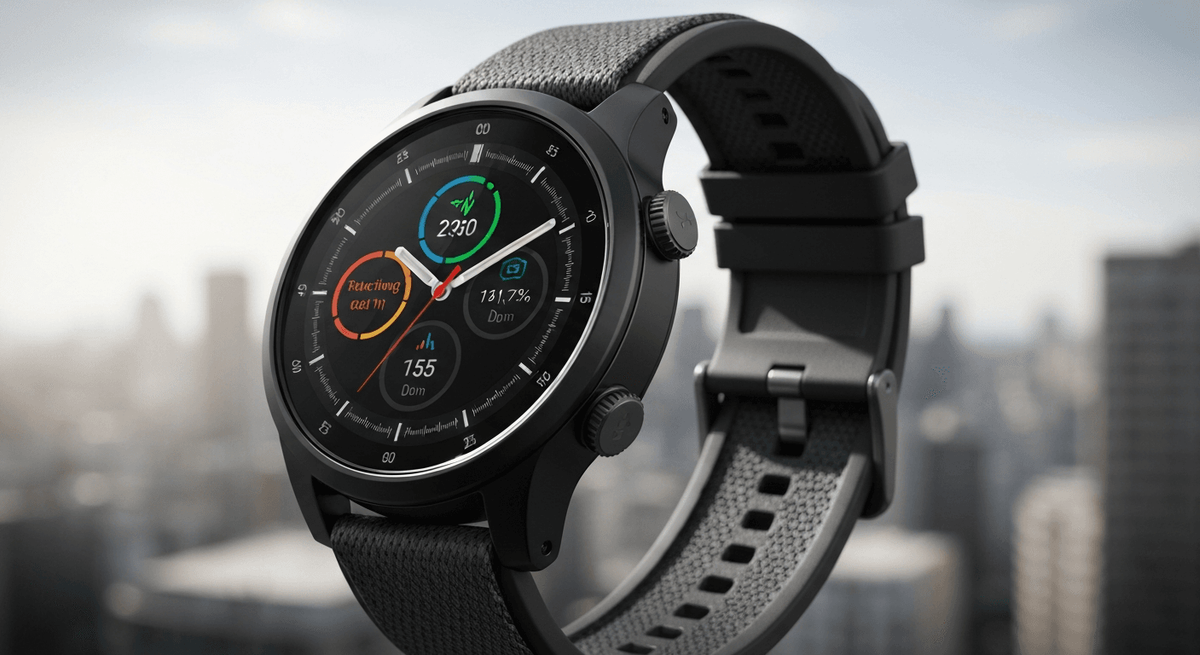
Are you still relying on basic metrics to measure your athletic potential? In the competitive landscape of 2025, serious training demands much more than just counting steps or simply monitoring your heart rate. To truly elevate your performance and unlock your physical peak, you need a sophisticated device that functions as a dedicated coach, navigator, and data analyst right on your wrist.
This is exactly where a premium sports smartwatch becomes an indispensable asset for modern athletes. Unlike entry-level trackers, these advanced wearables provide the deep, actionable analytics required to optimize recovery, refine your technique, and strategically prevent injury.
Whether you are training for an ultra-marathon or pushing for a new personal best in the gym, understanding your body’s complex bio-feedback is crucial for continuous progress. This article explores why upgrading to a top-tier device is essential this year, detailing the cutting-edge features, tangible benefits, and leading models designed to provide the unparalleled training tools you need to smash your goals.
Top 7 Premium Sports Smartwatches for Advanced Training in 2025
As we move further into 2025, the landscape of athletic technology has shifted from simple tracking to holistic performance management. Serious athletes no longer just want to know how far they ran; they require deep insights into recovery, physiological strain, and future readiness.
A premium sports smartwatch serves as the central hub for this data, bridging the gap between raw effort and actionable intelligence. The following devices represent the pinnacle of wearable technology, designed to optimize human performance through advanced sensors and intuitive software.
1. Garmin Forerunner 955 Solar
The Garmin Forerunner 955 Solar remains a premier choice for athletes who prioritize comprehensive training insights over pure aesthetics. It excels in translating complex data into understandable metrics, specifically tracking recovery, training readiness, and stress levels.
The user experience is defined by confidence. The solar capability ensures extended battery life, significantly reducing the anxiety of mid-training power loss. Complemented by clear mapping, it is a fantastic option for those seeking advanced running analytics without the bulk of a rugged outdoor watch.
2. Garmin Fenix 7 Sapphire Solar
Designed for serious athletes who demand durability alongside data, the Fenix 7 Sapphire Solar offers a ruggedized experience. Its solar coating boosts performance, ensuring the watch survives extended sports training and multi-day adventures.
Beyond its physical toughness, it provides robust GPS tracking and detailed physiological data derived from advanced sensors. It stands as a strong contender among multi-sports smartwatches, offering an interface that balances deep data capability with the immediate readability needed during intense exertion.
3. Coros Apex 2 Pro
The Coros Apex 2 Pro distinguishes itself through efficiency and precision. Users often cite the highly accurate wrist-based heart rate monitoring as a standout feature, which is essential for training in specific zones.
Insight: A holistic view of an athlete's condition is critical for preventing overtraining. The Apex 2 Pro achieves this by integrating broad activity profiles that track sleep and heart rate variability (HRV).
Its customizable interface allows athletes to strip away noise and focus only on the metrics that matter, making it a valuable tool for focused sports training.
4. Apple Watch Ultra 2
While many sports watches function as standalone tools, the Apple Watch Ultra 2 thrives on connectivity. It seamlessly integrates into the Apple ecosystem, providing a frictionless experience for users already embedded in that world.
For triathletes and cyclists, the inclusion of vital power meter connectivity is a game-changer. The watch offers superior GPS accuracy and robust health metric tracking. Its ability to mirror data screens to an iPhone creates a versatile active smartwatch experience, allowing for a larger dashboard view during indoor cycling or complex training sessions.
5. Garmin Forerunner 970
As a high-end GPS running watch, the Garmin Forerunner 970 represents the next evolution in display and sensor technology. It features a vibrant AMOLED touchscreen that brings maps and graphs to life, making data consumption easier during fast-paced intervals.
Under the hood, it utilizes the latest Elevate Gen 5 sensor for superior biometric accuracy. Features like multi-band GPS and comprehensive running economy insights offer deep performance analysis, catering specifically to dedicated runners who need granular detail on their form and efficiency.
6. Suunto Race Titanium
The Suunto Race Titanium is built for the long haul. Featuring a large AMOLED display housed in a lightweight titanium body, it offers a premium feel without weighing down the wrist. It is ideal for long sports training sessions where battery life and comfort are paramount.
The user experience is enhanced by advanced navigation tools, including offline maps that function without phone tethering. Furthermore, its AI coaching advice acts as a digital mentor, helping athletes optimize performance while exploring new terrains.
7. Garmin Fenix 8
Standing at the apex of the lineup, the Garmin Fenix 8 is a comprehensive multi-sport smartwatch that refuses to compromise. It combines the visual clarity of a stunning AMOLED display with the extended battery life typically reserved for dimmer screens.
This device provides unparalleled training insights through metrics such as Training Effect and Body Battery . With advanced features like multi-band GPS, it ensures that dedicated athletes have precise location data and physiological feedback, regardless of the environment.
Key Features to Look for in a Premium Sports Smartwatch in 2025
As athletic technology evolves, the definition of a premium sports smartwatch in 2025 has shifted from simple tracking to holistic performance coaching. Athletes now require devices that synthesize complex data into actionable guidance.
Advanced Biometric Sensors
In 2025, look for smartwatches with advanced sensors that go beyond basic pulse tracking. To gain deeper training insights and monitor recovery effectively, devices must offer accurate monitoring of heart rate, blood oxygen (SpO2), skin temperature, and heart rate variability (HRV).
Insight: HRV data has become the gold standard for determining if your body is primed for a high-intensity session or requires rest.
Precision GPS and Navigation
Reliable GPS is crucial for all types of sports training. Features like multi-band GPS and offline maps on GPS running watches ensure accuracy for distance and pace, even in challenging environments like deep canyons or skyscrapers. These effective navigational features are vital when exploring new routes, providing confidence that you are exactly where you need to be.
Comprehensive Training Metrics
Premium sports watches offer sophisticated running analytics and training tools for athletes. By calculating training load, recovery time, running economy, and readiness scores, these devices help to optimize sports training plans.
| Feature | Standard Fitness Tracker | Premium Sports Smartwatch |
|---|---|---|
| GPS Accuracy | Basic Single-Band | Multi-Band GNSS with Offline Maps |
| Battery Life | 1-3 Days | 14+ Days (often with Solar) |
| Data Depth | Steps & Calories | HRV, Power, & Readiness Scores |
| Durability | Plastic/Glass | Ruggedized Polymer/Sapphire |
Extended Battery Life and Durability
For extended adventures and multi-day events, exceptional battery life is non-negotiable. Models with solar charging capabilities, like the Garmin Forerunner 955 Solar , significantly extend usage time. This ensures your active smartwatch keeps up with your longest endurance challenges without anxiety over charging.
Connectivity and Smart Features
A complete picture of performance during sports training requires ecosystem integration. Seamless integration with smartphones and compatibility with external accessories, like power meters for cycling, allows for professional-grade data collection. Furthermore, customizable data screens enhance the user experience, ensuring critical metrics are always just a glance away.
Making the 2025 Choice: Your Ultimate Sports Smartwatch Guide
Selecting the right wearable is as crucial as the training itself for modern athletes.
Who Needs a Premium Sports Smartwatch?
Not every fitness enthusiast requires military-grade specifications. However, serious runners, cyclists, triathletes, and multi-sport athletes who rely on data to improve performance and recovery are the distinct target audience for a premium sports smartwatch .
If you are consistently pushing your limits and need detailed running analytics, heart rate variability (HRV) status, or comprehensive training load data, a high-end model is not just a luxury—it is a justified tool for progress.
Garmin vs. Apple Watch for Athletes in 2025
The market remains a competitive duel between lifestyle integration and pure performance. While the Apple Watch Ultra 2 offers excellent smart features and safety tools, Garmin continues to lead for dedicated athletes. Specialized lines like the Forerunner and Fenix series generally offer deeper training insights and superior battery life critical for endurance events.
FAQ (Frequently Asked Questions)
Q1: Is a premium sports smartwatch worth the investment for amateur athletes?
A1: Yes, absolutely. While professional athletes rely on them, amateur athletes often benefit even more from a premium sports smartwatch . The advanced recovery metrics, injury prevention tools, and personalized coaching features help enthusiasts train smarter, avoid burnout, and improve faster than they would with basic tracking alone.
Q2: How long does the battery last on a premium sports smartwatch?
A2: Battery life varies by model, but top-tier devices prioritize endurance. Models like the Garmin Fenix 7 or Forerunner 955 Solar can last anywhere from 14 days to over a month in smartwatch mode, and 40+ hours in full GPS mode. This far exceeds standard smartwatches, which typically require daily charging.
Q3: What is the main difference between a fitness tracker and a premium sports smartwatch?
A3: The primary difference lies in data depth and sensor accuracy. Fitness trackers generally monitor basic health stats like steps and sleep. A premium sports smartwatch offers multi-band GPS, advanced biometric analysis (like HRV and VO2 Max), offline mapping, and rugged durability designed for extreme environments and intense training loads.
Q4: Can these watches help prevent sports injuries?
A4: Yes. By monitoring "Training Readiness" and "Body Battery," these devices analyze your sleep, stress, and recovery history. They provide alerts when your training load is too high relative to your recovery, advising you to rest or train lightly, which is a critical factor in preventing overuse injuries.
Conclusion
As we navigate the evolving athletic landscape of 2025, it becomes clear that relying solely on intuition is no longer enough to stay competitive. A premium sports smartwatch has established itself as an indispensable tool for athletes serious about optimizing their performance through advanced training insights. Beyond simple metrics, these sophisticated wearables act as dedicated coaches on your wrist, translating complex physiological data into actionable strategies for better endurance, strength, and recovery.
To truly transform your regimen, you must move beyond entry-level trackers. Take the time to critically evaluate your specific training needs—whether you prioritize multi-day battery life for ultra-endurance events or smart connectivity for daily versatility. Deeply compare the specialized features of leading models, such as the solar-charging capabilities of the Garmin Forerunner or the ecosystem integration of the Apple Watch Ultra.
Your potential is limitless, but unlocking it requires precision and commitment. Don't let another year pass with guesswork dictating your progress. Take control of your metrics and elevate your standards. Invest in your training journey today with a premium sports smartwatch and unlock your full potential in 2025!