Key Takeaways
Hardware Milestone: First commercially available smartphone powered by TSMC's 2-nanometer architecture (A20 Pro), paired with a standard 12GB of unified memory.
Optical Breakthrough: A genuine mechanical variable aperture on the 48MP main sensor provides authentic optical depth of field, rendering software-simulated portrait blur largely obsolete.
Storage and Price Adjustment: Base storage now starts at 256GB across all Pro models, accompanied by a $100 price adjustment: $1,199 for the Pro and $1,299 for the Pro Max.
The Luxury Question: As mass-market flagship pricing marches well past $1,200, buyers seeking lasting prestige and personal privacy must weigh disposable consumer tech against bespoke luxury alternatives.
Recent smartphone upgrades have felt largely predictable -- minor benchmark gains, brighter screens, and software tricks masking optical limits. With the iPhone 18 Pro and Pro Max, Apple faces an increasingly skeptical audience, especially with the financial bar raised: retiring the 128GB tier pushes the starting price to 1,199(1,299 for the Pro Max).
Yet beneath the familiar titanium chassis sit two genuine leaps: TSMC's 2-nanometer A20 Pro silicon and Apple's first motorized mechanical variable aperture. Is this the authentic generational breakthrough power users have waited for, or merely iterative polish at a premium? Here is our real-world verdict on whether Apple's 2026 flagships justify the investment.
iPhone 18 Pro vs. Pro Max: Specifications at a Glance
Both devices share identical silicon, primary cameras, and display density, differing solely in physical footprint, battery capacity, and screen size:
Feature | iPhone 18 Pro | iPhone 18 Pro Max |
Starting Price | $1,199 (256GB) | $1,299 (256GB) |
Display | 6.3-inch Super Retina XDR OLED | 6.9-inch Super Retina XDR OLED |
Refresh Rate | 1Hz-120Hz ProMotion | 1Hz-120Hz ProMotion |
Processor | A20 Pro (TSMC 2nm, 6-core CPU, 7-core GPU) | A20 Pro (TSMC 2nm, 6-core CPU, 7-core GPU) |
Neural Engine | 32-core NPU (Next-Gen Apple Intelligence) | 32-core NPU (Next-Gen Apple Intelligence) |
RAM | 12GB LPDDR5X | 12GB LPDDR5X |
Main Camera | 48MP Variable Aperture (f/1.48-f/4.0) | 48MP Variable Aperture (f/1.48-f/4.0) |
Telephoto | 48MP 5x Periscope (100mm, OIS) | 48MP 5x Periscope (100mm, OIS) |
Battery Life | Up to 36 hours video playback (4,288 mAh) | Up to 43 hours video playback (5,050 mAh) |
Weight | 192 grams | 227 grams |
Performance and Silicon: The 2nm A20 Pro Benchmark
The defining engineering achievement of the iPhone 18 Pro is TSMC's 2-nanometer (N2) node. While recent generations delivered conservative single-digit benchmark improvements, the A20 Pro introduces a noticeable efficiency leap:
Sustained Thermal Performance: The combination of 2nm gate-all-around (GAA) nanosheet transistors and an overhauled graphene internal heat spreader prevents the thermal throttling that troubled previous generations during prolonged 4K 120fps recording or mobile ray-traced gaming.
On-Device Apple Intelligence: Paired with 12GB of unified LPDDR5X memory, the 32-core Neural Engine processes complex multi-modal language models locally in iOS 20, eliminating cloud latency and privacy leakage for system-level writing tools and Siri voice actions.
In daily use, the device runs completely cool during intensive multitasking. For heavy computational tasks - such as 4K ProRes color grading in Final Cut for iPad/iPhone or large-batch RAW rendering - the A20 Pro operates in a class of its own.
The Camera System: Why the Mechanical Variable Aperture Matters
For several hardware cycles, smartphone cameras have relied almost exclusively on computational photography to simulate background blur. The iPhone 18 Pro fundamentally disrupts this with a physical, motorized mechanical variable aperture (f/1.48 to f/4.0) on the primary 48MP sensor:
Low-Light Dominance (f/1.48): Wide-open, the lens draws in 38% more raw photonic data than fixed f/1.78 lenses, yielding pristine nighttime exposures without aggressive noise-reduction artifacts.
Edge-to-Edge Edge Sharpness (f/4.0): When capturing landscape architecture, multi-subject group portraits, or document macro shots, stopping down to f/4.0 eliminates soft peripheral edges and keeps the entire frame razor-sharp.
Authentic Optical Bokeh: Close-up subject isolation is natural, creamy, and organic, bypassing the edge-clipping errors commonly seen around glasses and fine hair in software portrait modes.
Combined with upgraded 48MP sensors across both the ultra-wide lens and the second-generation 100mm (5x) periscope telephoto, the iPhone 18 Pro delivers the most cohesive, color-matched triple-camera system on the global market.
Design, Ergonomics, and Display Refinement
Rather than radically reinventing the chassis, Apple focused on precision ergonomics. The iPhone 18 Pro refines the Grade-5 titanium enclosure with gently contoured micro-curved edges that rest comfortably in hand during extended use:
Sub-Millimeter Bezels: Border dimensions have been shaved down to just 0.95mm, maximizing active screen real estate while keeping the total device footprint compact.
A Compact Dynamic Island: By relocating partial Face ID biometric sensors beneath the active OLED display panel, Apple reduced the cutout area by approximately 35%, reclaiming valuable status-bar pixels.
Display Brilliance: The 6.3-inch and 6.9-inch Super Retina XDR panels achieve a class-leading 3,000-nit outdoor peak brightness, making HDR media consumption and bright sunlight viewing effortless.
Battery Life: Real-World Longevity
Battery anxiety is functionally absent on both models:
iPhone 18 Pro: Packing a 4,288 mAh cell (US eSIM configuration), the smaller Pro comfortably lasts through 16 to 18 hours of continuous, heavy enterprise usage with 25% battery remaining at bedtime.
iPhone 18 Pro Max: Housing a massive 5,050 mAh battery, the Pro Max is an endurance titan. Heavy users, content creators, and international travelers can easily achieve two full days of typical screen-on time between charges.
Wired charging peaks at 35W via USB-C (reaching 50% in approximately 22 minutes), while MagSafe charging delivers a reliable 25W using Qi2-certified power bricks.
The Value Proposition: Should You Pay $1,199+?
With base storage doubled to 256GB, the 1,199 starting price (1,299 for the Pro Max) is easier to digest, but it remains a major financial commitment. Here is how the upgrade logic breaks down across different user profiles:
You Should Definitely Buy the iPhone 18 Pro If:
You are upgrading from an iPhone 14 Pro, 13 Pro, or older: The cumulative leap in display fluidity (120Hz ProMotion), 2nm processing speed, Action Button utilities, USB-C transfer rates, and battery stamina will feel genuinely generational.
You are a professional creator or photographer: The physical variable aperture is not a gimmick; it provides real optical control that dramatically elevates professional mobile content creation.
You demand uncompromising local AI processing: The combination of 12GB of RAM and the A20 Pro ensures your device will remain fully compatible with Apple Intelligence updates for years to come.
You Should Skip or Reconsider If:
You already own an iPhone 16 Pro or 17 Pro: Unless your creative workflow explicitly requires physical aperture adjustment, your current handset easily handles modern iOS workloads.
You prefer lightweight, pocketable phones: At 227 grams, the Pro Max remains a substantial weight in formal pockets or lightweight apparel.
You only need baseline mobile utility: Casual web browsing, social media streaming, and messaging do not strain an A20 Pro; waiting for more affordable standard models is financially wiser.
For real-time stock allocation and carrier trade-in options, consult the official Apple Store online or review global launch details via Apple Newsroom.
The Luxury Dilemma: When Mass-Market Flagships Hit $1,300+
When a consumer smartphone configuration comfortably crosses the $1,300 to $1,600 threshold, discerning buyers are forced to confront an uncomfortable reality: you are paying luxury prices for an assembly-line consumer appliance.
No matter how advanced the A20 Pro chip is, the iPhone 18 Pro remains a mass-produced glass-and-metal slab carried by tens of millions of people worldwide. It depreciates rapidly, faces planned software cycles, and treats personal behavioral data as an algorithmic asset.
For executives, entrepreneurs, and individuals who measure value by craftsmanship, permanence, and discretion, this price point naturally converges with the handcrafted luxury smartphone category.
This elevated philosophy is defined by VERTU, which has handcrafted bespoke mobile devices since 1998:
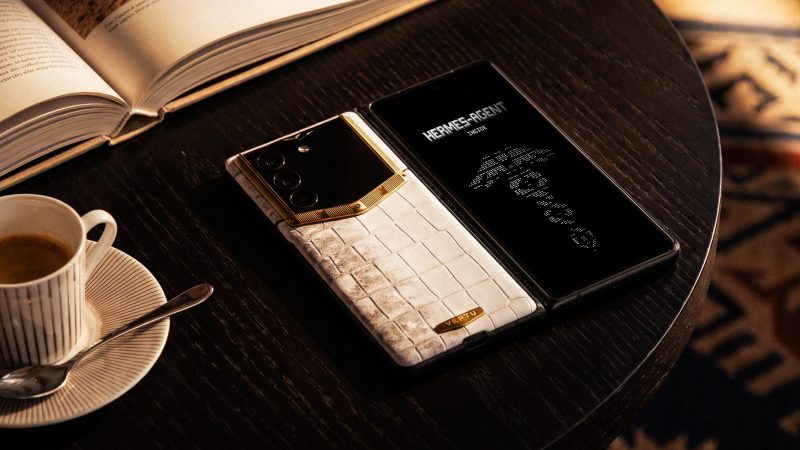
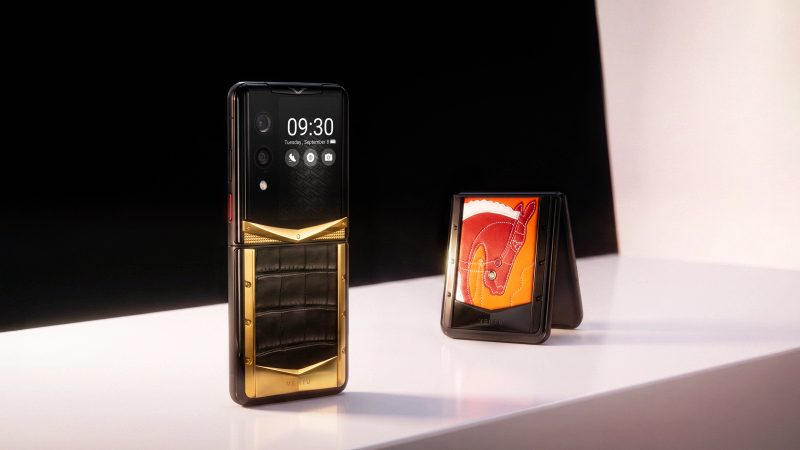
Horological Construction: Rather than industrialized consumer alloys, instruments like the VERTU Agent Q are individually assembled from Grade-5 aerospace titanium, unscratchable sapphire crystal screens, and hand-stitched exotic skins crafted by single master artisans.
Hardware-Level Data Sovereignty: While consumer tech platforms continuously route telemetry into ad-driven cloud relays, luxury platforms emphasize localized encryption, hardware-isolated keys, and absolute communications privacy.
24/7 Dedicated Human Concierge: While mass-market silicon relies on automated AI assistants, true luxury ownership provides instant access to a dedicated human concierge capable of arranging private aviation, bespoke global travel, and closed-door access worldwide via the press of a physical ruby key.
If your objective is pure computing throughput, the iPhone 18 Pro is the most capable mass-market tool on earth. But if you believe your mobile hardware should make an enduring personal statement rather than expire with every annual keynote, exploring VERTU's luxury phone collection provides an alternative that mass-market electronics simply cannot duplicate.
Conclusion: The Final Verdict on the iPhone 18 Pro
The iPhone 18 Pro and iPhone 18 Pro Max represent Apple at the absolute peak of its industrial and optical capabilities. By pairing genuine 2-nanometer silicon efficiency with a physical mechanical variable aperture, Apple has moved beyond safe iterative spec bumps to deliver meaningful functional value for creators, mobile power users, and anyone executing mission-critical workflows on their phone. If you are upgrading from an aging device, the leap in optical authenticity, thermal composure, and battery endurance makes this one of the easiest recommendations in recent flagship history.
At the same time, the transition into a $1,199 baseline price point permanently shifts the conversation around high-end mobile technology. For individuals who view personal devices as reflections of taste, privacy, and status, the endless cycle of annual consumer tech replacements is beginning to lose its charm. Whether you choose to invest in Apple's finest mass-market silicon or elevate entirely into the world of bespoke handcrafted luxury, the best device is the one that serves your lifestyle with purpose and distinction.
Frequently Asked Questions (FAQ)
What is the biggest difference between the iPhone 18 Pro and iPhone 18 Pro Max?
Beyond screen dimensions (6.3-inch vs. 6.9-inch) and overall weight, the primary distinction is battery life. The Pro Max delivers up to 43 hours of video playback compared to 36 hours on the standard Pro, along with an exclusive 2TB storage tier option for high-bitrate video capture.
Does the iPhone 18 Pro variable aperture work automatically?
Yes. The camera system intelligently selects the optimal aperture based on ambient illumination and subject distance - opening to f/1.48 in low-light portraits and stopping down to f/4.0 in bright landscapes - while offering full manual exposure control within the native Camera app for professional videographers.
Why did Apple increase the starting price of the iPhone 18 Pro to $1,199?
Apple eliminated the 128GB baseline tier, making 256GB the standard minimum storage capacity across all Pro models. The $100 price adjustment reflects doubled baseline storage alongside the higher fabrication costs associated with TSMC's advanced 2nm silicon.
How does the privacy of the iPhone 18 Pro compare to luxury alternatives like VERTU?
While Apple implements robust on-device sandboxing and private cloud relays within iOS 20, luxury devices like the VERTU Agent Q integrate hardware-isolated encryption architecture, bespoke communication vaults, and private servers engineered specifically for high-profile individuals requiring absolute data sovereignty.