Key Takeaways
The iPhone 18 Pro is available now with confirmed specs: A20 Pro chip, triple 48MP cameras, 6.3-inch 120Hz display, and up to 4,288 mAh battery.
The iPhone 20, Apple's rumored 20th-anniversary model, is expected in fall 2027 with a radical all-glass, buttonless redesign and under-display Face ID — but specs remain unconfirmed.
If you need a phone today, the iPhone 18 Pro is a genuinely strong upgrade. If you are unmoved by specifications and drawn to what a device says about you, the question is worth asking differently.
Apple’s September 2026 keynote delivered exactly what flagship buyers anticipated: a mature, exceptionally powerful iPhone 18 Pro. Yet almost immediately, public interest pivoted forward. Industry insiders, supply-chain analysts, and tech forums are already debating the same question: Should you buy the 18 Pro today, or wait for the iPhone 20?
The dilemma is understandable. The iPhone 20 is not merely another annual release; it marks two decades since Steve Jobs introduced the original iPhone in 2007. According to Bloomberg’s Mark Gurman, Apple is preparing its most ambitious physical overhaul since 2017’s iPhone X.
This guide provides an objective comparison across five critical pillars: Design, Silicon & Performance, Cameras, AI Capabilities, and Battery Life, followed by a clear buyer's verdict.
Note on methodology: Specifications for the iPhone 18 Pro are shipping hardware. Data for the iPhone 20 is compiled from supply-chain intelligence, institutional analyst notes, and credible reporting.
Design: Refinement Now vs. Reinvention Later
The iPhone 18 Pro represents the pinnacle of Apple’s current design era. It features a refined grade-5 titanium frame, an ultra-compact Dynamic Island, and contoured edges that make the 6.3-inch display comfortable for one-handed operation. Apple has shaved the bezels to sub-millimeter proportions and streamlined the camera housing. It is engineered to disappear into everyday utility.
The iPhone 20, by contrast, targets a clean break from current conventions. According to supply-chain reports and Bloomberg coverage:
True Full-Screen Display: Face ID sensors and the front camera move completely beneath the active display layer, eliminating both the notch and the Dynamic Island.
Buttonless Architecture: Physical volume and action buttons are replaced by solid-state capacitive zones driven by advanced Taptic Engines.
All-Glass Enclosure: A collaborative project with Samsung Display aims to deploy a four-sided micro-curved glass body.
The Design Reality: While conceptual renders are breathtaking, an August 2026 Jefferies analyst report noted potential manufacturing yield hurdles regarding all-glass drop resistance. If you value real-world durability today, the iPhone 18 Pro is tested and ready. If you want a conversational showpiece, the iPhone 20 promises reinvention.
Chip and Performance: A20 Pro (2nm) vs. Rumored A21
Metric | iPhone 18 Pro (A20 Pro) | iPhone 20 (Rumored A21) |
|---|---|---|
Fabrication Node | TSMC 2-nanometer (N2) | TSMC Enhanced 2nm / High-NA EUV |
Architecture | 6-core CPU / 7-core GPU | Next-gen unified computing cores |
Neural Processing | 32-core Neural Engine | Dedicated high-bandwidth NPU |
Memory Bandwidth | 12GB LPDDR5X | Up to 16GB Unified/HBM architecture |
The A20 Pro in the iPhone 18 Pro is more computational power than mobile operating systems can currently exhaust. 4K ProRes editing, complex ray-traced gaming, and on-device machine learning process without thermal throttling.
The rumored A21 is expected to focus heavily on memory architecture. Supply-chain leaks suggest Apple may implement high-bandwidth unified memory—similar to Apple Silicon in MacBooks—to dramatically accelerate multi-modal AI models running locally.
Summary: The A20 Pro easily handles any workload you can throw at it today. The A21 will be built for software architectures that do not yet exist.
Cameras: Proven Optical Maturity vs. Unsettled Ambition
The iPhone 18 Pro introduces Apple’s first mechanical variable aperture system on the 48MP main sensor (f/1.48 to f/4.0), allowing authentic optical depth-of-field adjustments rather than relying purely on software bokeh. Combined with a second-generation 100mm periscope telephoto lens and an upgraded 48MP ultra-wide sensor, it is the most capable mobile imaging rig Apple has ever produced.
For the iPhone 20, camera rumors remain divergent. While early patents point to multi-spectral imaging or 200MP sensors, the primary engineering focus is routing optical light through an under-display front camera without degrading selfie fidelity or Face ID biometric security.
If image capture is critical to your professional workflow, the iPhone 18 Pro provides confirmed optical excellence. Waiting for unannounced sensor tech involves diminishing real-world returns.
AI Features: Apple Intelligence on iOS 20 vs. Future Platforms
Both devices serve as delivery vehicles for Apple Intelligence:
iPhone 18 Pro & iOS 20: Features system-level contextual Siri, on-device semantic indexing, real-time audio translation, and automated creative writing tools powered directly by the 32-core Neural Engine without cloud latency.
iPhone 20 & Next-Gen Platforms: An A21 architecture with increased memory bandwidth would permit Apple to execute complex multi-modal models (image and audio generation) 100% on-device, minimizing cloud relay dependencies.
For current tasks, the iPhone 18 Pro executes every announced Apple Intelligence feature locally and seamlessly.
Battery and Thermal Engineering
The iPhone 18 Pro houses a 4,288 mAh battery (US eSIM chassis), yielding a verified 36 hours of video playback. The pairing of TSMC’s 2nm efficiency with mature graphene thermal sheets ensures all-day endurance under demanding 5G conditions.
The iPhone 20’s battery specifications remain unconfirmed. However, extreme industrial redesigns introduce physical constraints: a curved, buttonless all-glass enclosure leaves limited volume for battery chemistry and presents unique heat dissipation challenges.
Comparison at a Glance
Feature | iPhone 18 Pro | iPhone 20 (rumored) |
|---|---|---|
Status | Available now | Expected fall 2027 |
Display | 6.3-inch OLED, 120Hz | Curved all-glass, four-sided micro-curve |
Chip | Answer 20Pro, 2nm, 32-core Neural Engine | Answer 21, 2nm, unified/high-bandwidth memory rumored |
RAM | 12GB | Up to 16GB rumored |
Main camera | 48MP variable aperture, f/1.48–4.0 | Unconfirmed; major redesign expected |
Front | 18MP, Dynamic Island | Under-display Face ID + camera rumored |
Buttons | Physical | Solid-state haptic rumored |
Battery | 4,288 mAh (US eSIM) | Unconfirmed |
Who Should Buy the iPhone 18 Pro Now
You want a phone with no caveats. The iPhone 18 Pro has confirmed specifications, is available to order, and represents the best version of a design language that has been refined over several generations. If you are upgrading from an iPhone 15 or earlier, the camera and chip improvements alone justify it. If you are coming from a 16 or 17, the A20 Pro and variable-aperture camera make a more compelling case than a typical year-over-year upgrade.
It is also, bluntly, the only real option if you need a phone in the next twelve months.
Who Should Wait for the iPhone 20
You care more about what the object is than what it scores on a benchmark. The iPhone 20, if Apple delivers what has been described, will be a genuinely different artifact: no cutouts, no buttons, glass around every edge. That is either irrelevant to you or it is the whole point.
There is also a practical case. If your current phone is working and you are not in urgent need of an upgrade, waiting a year produces better options regardless of whether the iPhone 20 fully delivers on its design ambitions.
The caveat is real: Apple's most ambitious hardware concepts — portless charging, radical form factors, new material choices — have a history of getting refined down to something more conservative before shipping. The iPhone 20 may arrive as a spectacular redesign, or it may arrive as an iPhone 19.5 with better glass and no Dynamic Island.
A Third Consideration Worth Naming
There is a version of this question that neither Apple phone fully answers: what does this device say about you, and what does owning it enable beyond the apps on it?
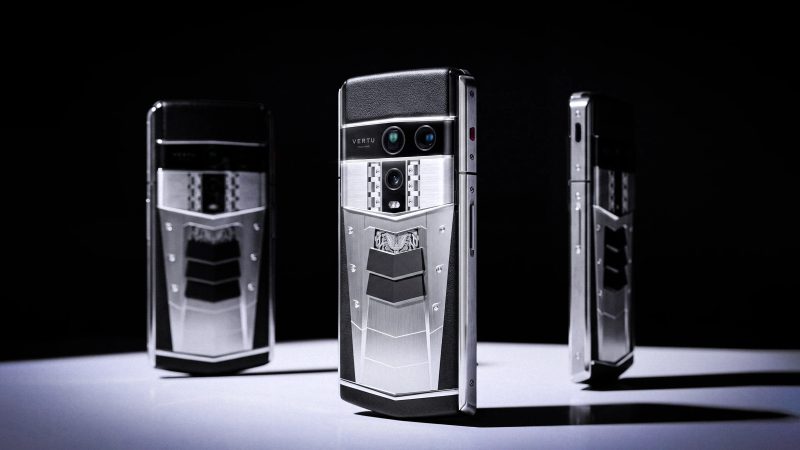
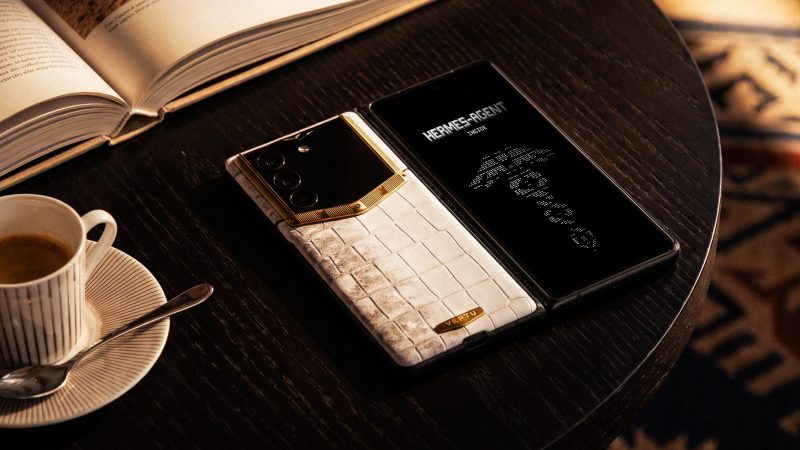
For a certain class of buyer — entrepreneurs and high-net-worth individuals who treat their devices as instruments of a larger lifestyle — the specifications matter less than the materials, the service, and the permanence. VERTU, which has handcrafted luxury smartphones since 1998, occupies that end of the market: sapphire crystal, exotic leathers, titanium, 24/7 concierge access, and bespoke personalization. It is a different category, not a competing spec sheet.
If you are reading this comparison purely to optimize a smartphone purchase, the iPhone 18 Pro is the right call today. If the underlying question is about the role a phone plays in a considered life, the answer expands well beyond Apple's product line.
Conclusion: Defining Your Next Upgrade
The decision between the iPhone 18 Pro, the rumored iPhone 20, and luxury alternatives ultimately comes down to what you expect from the device in your pocket:
Choose the iPhone 18 Pro if you prioritize immediate, uncompromised productivity. With its mature TSMC 2nm A20 Pro silicon, variable-aperture camera system, and dependable physical controls, it is the most refined tool Apple has ever shipped.
Wait for the iPhone 20 if your current smartphone still meets your needs and you want to be part of a physical design revolution. The prospect of a buttonless, all-glass form factor with under-display biometrics represents Apple’s most radical leap in a decade—if you are willing to navigate first-generation yield compromises.
Look Beyond the Mass Market if hardware specifications feel secondary to personal presence and enduring craftsmanship. For leaders and connoisseurs, a bespoke device like VERTU transcends the disposable, annual upgrade loop by offering rare materials, tailored concierge services, and timeless prestige.
Whether you order the reliable flagship today, hold out for Apple’s 20th-anniversary vision in 2027, or elevate entirely into handcrafted luxury, the best upgrade is the one that serves your ambitions, not just a spec sheet.
Frequently Asked Questions (FAQ)
Will Apple release an iPhone 19 in 2027, or jump straight to iPhone 20?
Historical precedent suggests Apple may skip or re-brand its nomenclature for major milestones. In 2017, Apple skipped the "iPhone 7s" to launch the iPhone 8 alongside the revolutionary iPhone X (10th anniversary). Analysts project Apple will adopt the iPhone 20 or iPhone XX moniker in 2027 to mark its 20th anniversary.
What is the biggest real-world upgrade on the iPhone 18 Pro?
The standout mechanical feature is the variable-aperture 48MP main camera (f/1.48–f/4.0), which allows true optical depth control and cleaner low-light photography without aggressive software processing artifacts.
Does the iPhone 18 Pro fully support next-generation Apple Intelligence?
Yes. The A20 Pro’s 32-core Neural Engine and iOS 20 software architecture are built to execute advanced generative writing, on-screen awareness, and contextual voice requests entirely on-device.
When should you consider a luxury phone like VERTU over an iPhone?
If your primary criteria are bespoke craftsmanship (sapphire crystal screens, exotic leathers, grade-5 titanium) and 24/7 dedicated personal concierge security rather than chasing annual silicon benchmark scores, handcrafted devices like VERTU serve as enduring lifestyle statements rather than disposable consumer electronics.