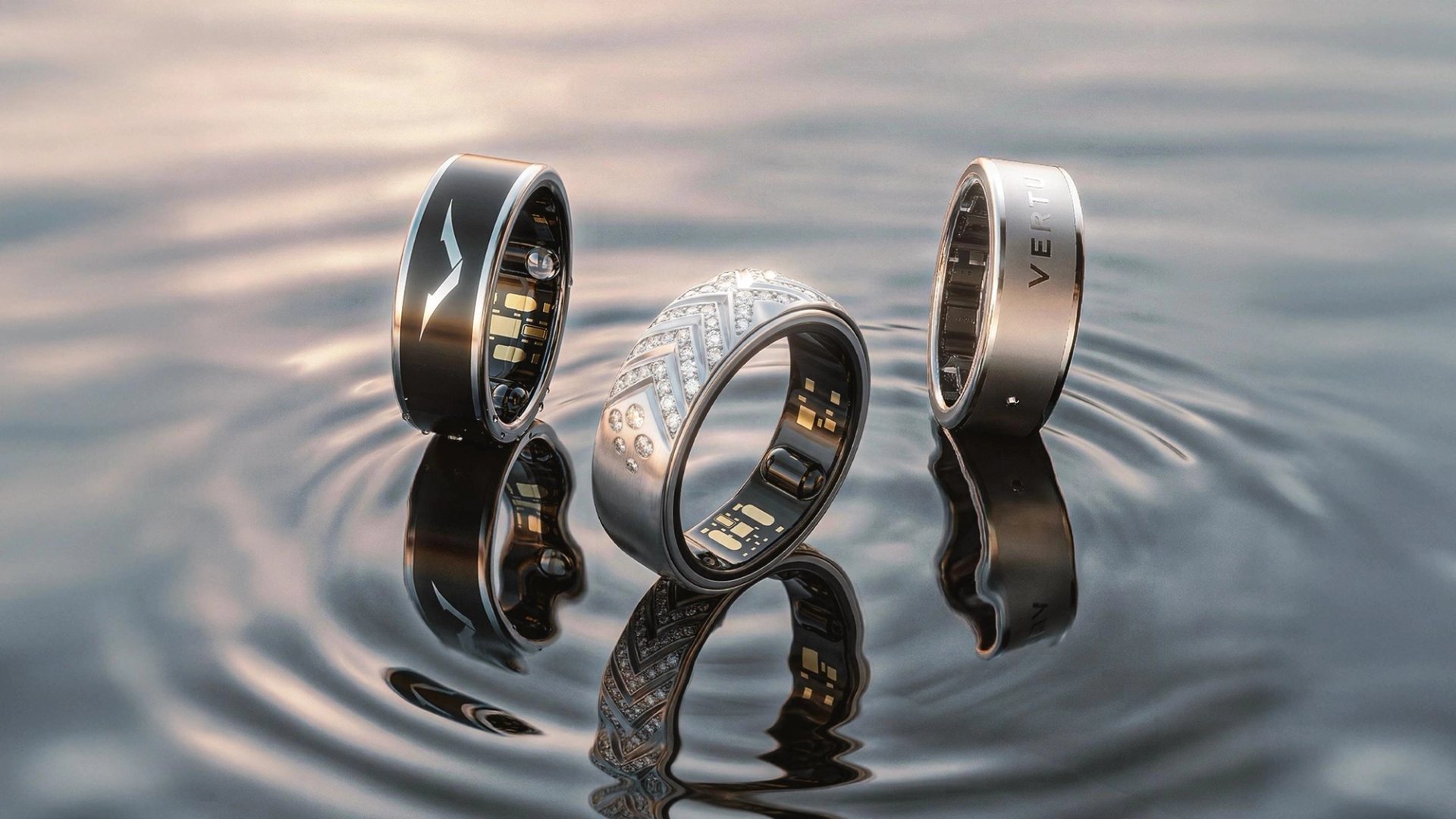
What is HRV on a smart ring? Heart rate variability is the small change in time between successive heartbeats, usually displayed in milliseconds. A ring estimates this signal from the pulse at your finger and may show a nightly average or recovery trend. The most useful question is whether your value has shifted from your own usual pattern under comparable conditions. A single number is not a diagnosis or a universal score of health.
Key Takeaways
- HRV describes variation between beats, not how many times the heart beats per minute.
- Compare readings taken in similar conditions and understand the app's metric before judging a change.
- Fit, movement, sleep timing and missing data can alter a ring's estimate.
- Use persistent symptoms or concerning changes as reasons to seek qualified care, not to self-diagnose from an app.
What does HRV measure?
Heartbeats are not evenly spaced like a metronome. The interval between one beat and the next changes slightly as the nervous system responds to breathing, activity, sleep and other demands. HRV describes that variation. A heart rate of 60 beats per minute is an average; it does not mean every interval is exactly one second. The Cleveland Clinic explains HRV as the slight change in timing between beats and notes that clinical equipment can assess it more accurately than consumer wearables.
A smart ring generally uses optical sensing at the finger to detect pulse changes, then software estimates intervals and a summary statistic. The display might call the result “average HRV,” “nighttime HRV,” or part of a recovery score. Those labels do not necessarily describe the same sampling window or formula. Open the app's metric explanation before comparing its number with a watch, a friend's ring, or a chart on the internet.
Why does a smart ring often measure HRV at night?
Nighttime measurement reduces some sources of movement and makes conditions more comparable from day to day. It does not eliminate all variation: sleep stages, wake periods, illness, alcohol, exercise, temperature and the time you go to bed can change the data. A ring may also omit intervals it cannot measure confidently. Review the actual data coverage when the app provides it. If a night is incomplete, avoid treating its summary as directly comparable with a full night.
Several apps use a personal baseline rather than one fixed population target. Oura's HRV guidance describes interpreting nighttime values against an individual's usual range. That approach is useful as an interpretation principle, but Oura's algorithms and display conventions should not be assumed to match every ring. Check how your own device calculates its trend and whether a software update changed the presentation.
Is a higher HRV always better?
No. A higher number can accompany better recovery in a particular person's usual pattern, but a single high or low value lacks context. Age, training history, medication, illness and measurement method all matter. Cleveland Clinic advises that a healthcare provider is best placed to interpret HRV for health questions. A clinical 24-hour electrocardiogram metric cannot be casually compared with a ring's nightly optical estimate, even if both values are shown in milliseconds.
Imagine two people whose rings report different nightly values. The person with the larger number is not automatically healthier. One may use a different device or sampling window; the other may have a stable personal pattern despite a lower number. The more useful comparison is within the same person, using the same device, over enough ordinary days to see a trend. A sudden change should prompt a check of sleep, illness, fit and data quality before any broader conclusion.
How should you read a change in your smart ring app?
Start with three questions: Is the reading complete? Is the change unusual for you? Did anything in your routine change? Look at the prior several nights rather than the latest point alone. Note sleep duration, travel, alcohol, training load, stress, medication changes and symptoms. This is a context log, not a tool for assigning a single cause. More than one factor can change at once.
| What the app shows | First check | Reasonable next step |
|---|---|---|
| One unusually low night | Fit, missing data and an unusual evening | Observe the following nights rather than diagnosing from one point |
| Several nights below your usual range | Sleep, illness, training and medication context | Reduce avoidable strain if appropriate and discuss symptoms with a clinician |
| Unusually high value | Sampling window and data quality | Interpret against your baseline, not a universal target |
| Gaps or implausible swings | Ring fit, sensor position and app sync | Follow the manufacturer's troubleshooting guidance |
The table is an editorial decision aid, not a treatment protocol. If you feel faint, have chest pain, experience shortness of breath, or have another urgent symptom, seek appropriate medical care rather than waiting for your ring to establish a trend. A consumer wellness graph is not a substitute for a medical assessment.
How do fit and measurement conditions affect the result?
A ring must make suitable contact with the finger for its optical sensor to collect a usable pulse signal. A loose ring can shift; a ring worn on a different finger may sit differently. Cold hands, movement and interrupted sleep can also affect optical measurements. Check the manufacturer's size and placement guidance, then wear the device consistently before deciding that a pattern changed. Do not tighten it to the point of discomfort simply to obtain a number.
Look for a quality indicator or missing-data marker if the app provides one. A graph that has no data for part of the night may reflect sensor contact or battery and sync issues rather than a meaningful biological event. If the app changes after an update, read the release notes before comparing scores across versions. An algorithm can change the summary even when your routine has not.
How is HRV different from resting heart rate?
Resting heart rate is the number of beats per minute during rest; HRV is variation in the intervals between individual beats. They can move together or separately. A ring may place both in a recovery or readiness score, but the score is a product-specific interpretation rather than an independent medical measurement. Looking at the raw trend and the context is usually more informative than treating a single composite score as a verdict.
For example, after a late night you might see a faster resting heart rate and HRV below your usual range. That pattern can suggest the night differed from your baseline, but it does not identify the precise reason. Poor sleep, illness, an unusually hard workout or another factor may be involved. Record what happened and observe what returns to normal; seek medical advice if symptoms or persistent concerns warrant it.
What does VERTU COR RING say about HRV?
The current VERTU COR RING Inner Core product page describes sleep, heart rate and HRV as signals that can form a personal reference. That makes it a relevant example of a ring-based wellness interface. It does not turn the device into an electrocardiogram or establish that its HRV readings diagnose disease. Buyers should check the exact ring edition, app compatibility, sizing, data permissions and current feature description before purchase.
If you already own the ring, use its app's own definitions and compare your history within that product. If you are comparing COR RING with another brand, do not rank them solely by the numerical HRV shown in a screenshot. Ask how each device samples, which metric it reports, when it measures, how much history it requires for a baseline and what happens when a night is incomplete. These differences can matter more than the appearance of a dashboard.
What is a sensible two-week review routine?
- Check the maker's fit and sensor-position instructions.
- Wear the ring consistently during your usual sleep period.
- Review HRV alongside resting heart rate, sleep timing and missing data.
- Write a brief note only for meaningful changes such as travel, illness or unusually hard exercise.
- Compare several nights with your own earlier pattern rather than with another person's score.
- Bring persistent concerns and symptoms to a qualified clinician, with the context log if useful.
Two weeks is an editorial example for building a habit, not a scientifically validated threshold for every app. Some products need a different amount of data to establish their baseline. Follow the device's instructions and continue to distinguish a wellness observation from a clinical conclusion. The goal is a repeatable reading method, not a daily contest to raise the number.
Frequently asked questions
What is a good HRV on a smart ring?
There is no single ring number that is good for everyone. Check the app's metric and compare with your own baseline under similar conditions; ask a clinician about health concerns.
Does low HRV mean I am sick?
No. A lower reading can have many explanations, including measurement problems. Use trends and symptoms as context, and seek medical advice when appropriate.
Can I compare HRV across two ring brands?
Only with care. Sampling windows, algorithms and metrics can differ. Compare methods first and avoid treating unlike numbers as an accuracy contest.
Can a smart ring replace an ECG?
No. A clinical ECG records electrical activity and can support medical assessment; a consumer ring's optical HRV estimate serves a different purpose.
Conclusion
HRV on a smart ring is an estimate of the small timing variation between heartbeats, best read as part of your own repeated pattern. Check the metric definition, data quality, fit and life context before interpreting a change. VERTU COR RING and other wearables can help organise wellness observations, but symptoms and medical decisions belong with qualified care, not a single app score.