To protect open-ear earbuds from rain, place them in a closed dry case or pouch before exposure. If they become wet, stop use and charging, wipe the exterior gently, and let the earbuds and charging case dry completely according to the maker's instructions. An open-ear shape says nothing about water resistance; check the exact product's documented rating and care limits.
Rain, humidity, sweat and a damp charging case are related but different situations. A brief mist on an exterior surface is not the same as a soaked earbud or water inside a charging port. Start by identifying what got wet. The safest routine protects the charging contacts as carefully as the sound-producing parts.
Are open-ear earbuds waterproof?
Not as a category. Open-ear describes how the device sits near the ear, not whether its electronics resist liquid. A product may have a documented ingress-protection rating, a limited sweat claim or no stated water claim. Even a rated device has conditions and exclusions. Read the exact model's current manual before taking it into rain or a humid environment.
The current VERTU CRUSH OWS product page describes the open-ear fit and audio features, but the page reviewed for this guide does not establish a water-resistance rating. Therefore, do not assume these earbuds are safe for rain, showering or swimming. Ask VERTU for the applicable care documentation for the precise version you own.
A rating claimed for the earbuds would not automatically apply to the charging case. Cases contain contacts and a charging port, and they are often carried in a pocket that can become damp. Treat each component according to its own published guidance.
What should you do before going out in rain?
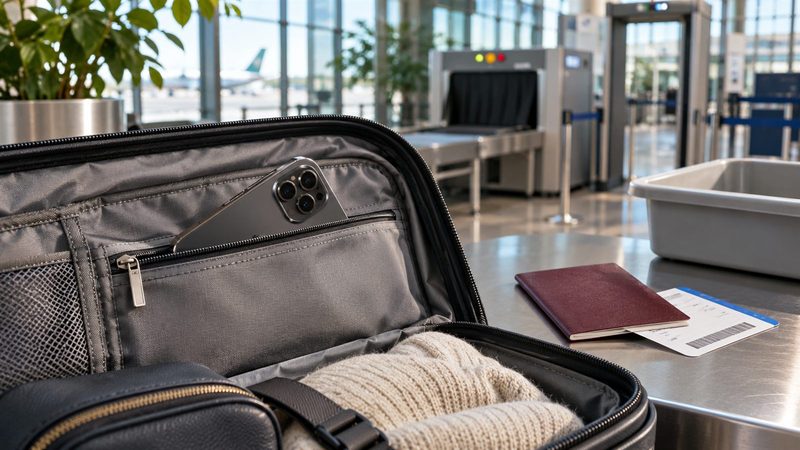
Check the forecast and decide whether you need to wear the earbuds at all. If the trip includes exposed walking or a sudden downpour, put them in their dry case inside a protected bag compartment. A jacket pocket open to rain can be worse than a zipped interior compartment. Keep the case away from a wet umbrella or water bottle.
If you need directions, consider using the phone speaker briefly under shelter rather than leaving earbuds exposed. Do not sacrifice situational awareness to keep an audio stream playing through heavy rain. Remove the earbuds before adjusting a hood or hat that could knock them loose.
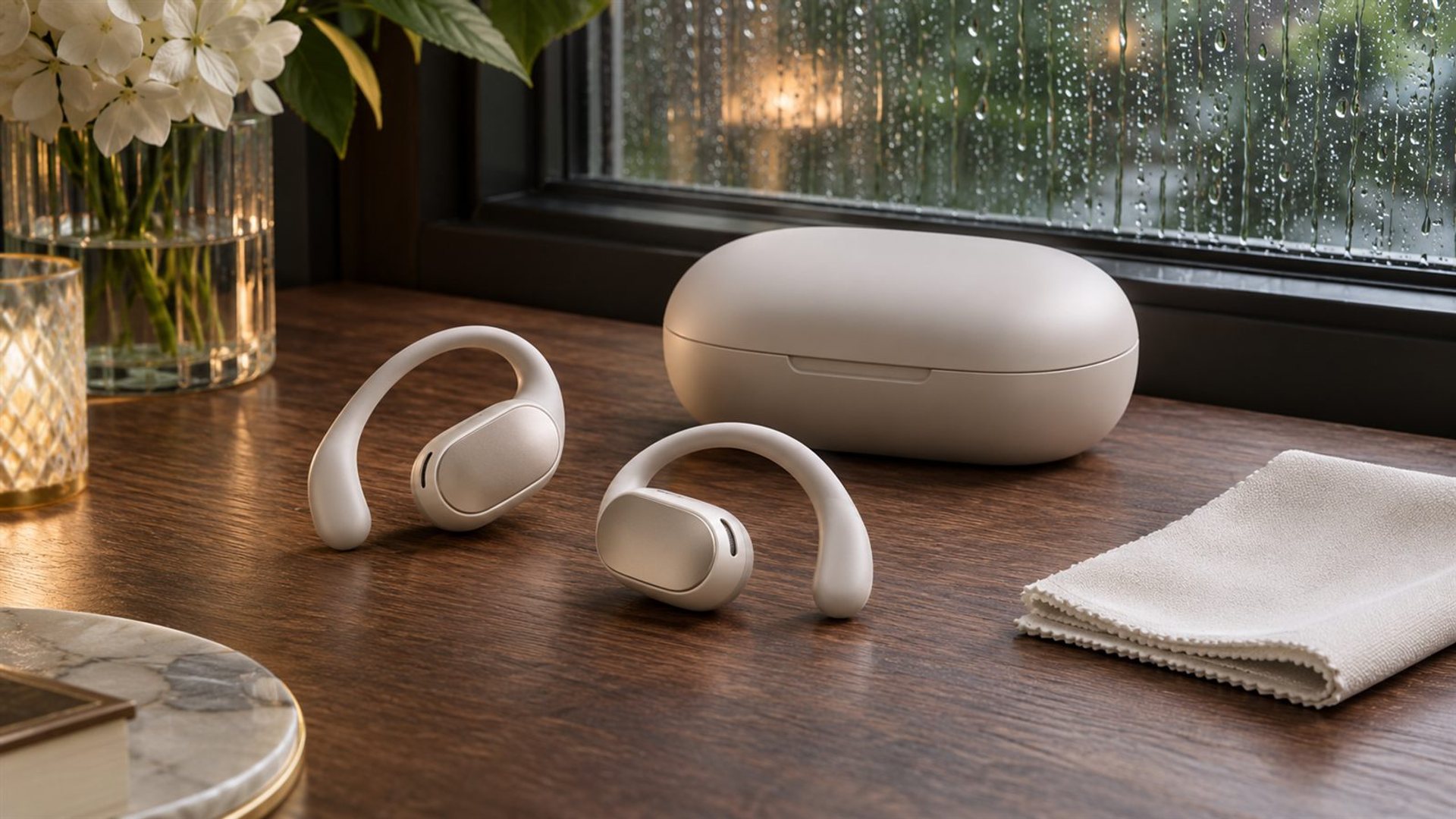
Pack a soft, dry, lint-free cloth. It can remove surface moisture without scraping the finish. A rough tissue may leave fibres near a microphone or charging contact. Avoid sprays, perfume and sunscreen reaching the device while you prepare to go outdoors.
What if the earbuds get wet unexpectedly?
Take them off and stop playback. Do not immediately put wet earbuds into the charging case. Blot visible moisture on the outside with a soft cloth, paying attention to contact areas without pushing water into openings. Place the parts on a clean dry surface at room temperature and follow the maker's drying instructions.
Sony's charging-care guidance advises removing moisture from its audio devices and letting them dry at room temperature before charging. That is product-specific Sony guidance, not a fixed drying time for CRUSH OWS. The general lesson is to keep wet electrical contacts out of a powered charging case.
Do not use a hairdryer, radiator, oven or direct sun to speed the process. Do not push cotton buds into ports or shake water deeper into a microphone opening. If the product instructions prescribe a particular orientation for draining, follow them; otherwise avoid improvising.
Why is the charging case important?
The case is not merely storage. It places electrical contacts against the earbuds and may charge them as soon as they are seated. Moisture on a contact can cause charging failure or corrosion. Sony's wireless-earbud water-damage guidance warns that placing wet earbuds in a case can affect charging terminals. The precise failure mode of another product is not guaranteed, but the preventive habit is clear.
Inspect the case interior for moisture before returning the earbuds. If the lining or contacts feel damp, leave the case open in a safe dry place and do not connect it to power. Clean only as the manufacturer permits. Water inside a USB port calls for extra caution: disconnect the cable and seek care guidance if the port remains wet or shows residue.
Do not seal a wet case in a plastic bag. That keeps humidity next to the electronics. Use a dry, ventilated indoor place away from heat and children or pets while the parts recover.
Does high humidity matter without visible rain?
It can. Moving from a cold air-conditioned room into warm humid air may create condensation on surfaces, including around a case. A bag left beside a pool or in a steamy bathroom can become damp even without a splash. Keep earbuds in an interior compartment and check them before charging after such a transition.
Humidity alone does not prove damage. Look for actual moisture, charging warnings or unusual behaviour. If the earbuds play normally but the case is damp, dry the case before charging. A routine of wiping contact areas and storing the case in a stable room is more useful than a blanket claim that all humid climates are unsafe.
How should you clean the earbuds after sweat?
Follow the maker's instructions for the specific model. Wipe the exterior with an appropriate soft cloth and inspect the surfaces that touch skin. Let both earbuds dry before returning them to the case. Avoid putting cleaning solution directly into speaker openings, microphones or contacts.
Do not assume that a water-resistant model can be rinsed under a tap. Resistance claims may exclude jets of water, soap, swimming and charging cases. The absence of a published rating for the CRUSH OWS listing reviewed here makes a conservative, dry-cleaning approach especially important until VERTU supplies model-specific guidance.
Keep skin-care products away from the device where possible. Sweat mixed with sunscreen or perfume is not the same as clean water. Wipe your ears and hands before handling a detailed finish, and allow the earbuds to air-dry in a clean place.
What signs call for service advice?
Stop use and contact the maker if the device becomes hot, the charging case behaves unusually, a port shows residue, one earbud will not charge after complete drying, or sound is distorted after exposure. Do not keep retrying charging on a wet contact. Note when the exposure happened and which parts were affected.
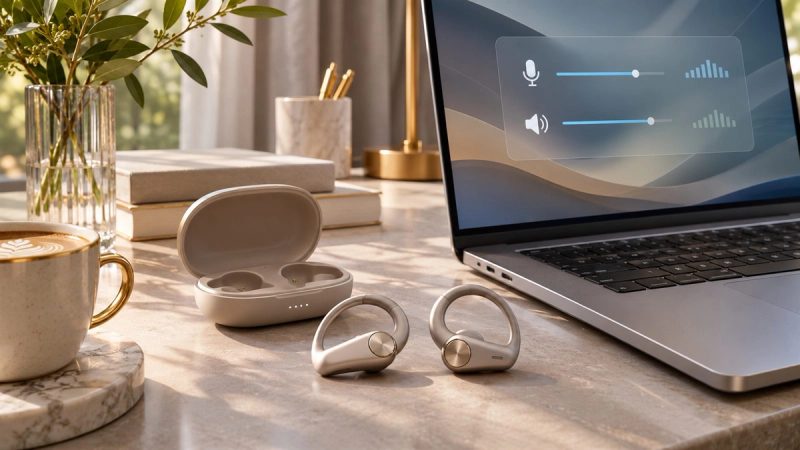
A short audio interruption after rain may also have a Bluetooth or app cause. Check the dry device with a second audio source only after you are satisfied there is no moisture issue. Our open-ear call setup guide addresses pairing and audio routing, which are separate from liquid care.
What is a good daily storage routine?
After use, wipe away visible moisture, check the contacts, and return dry earbuds to a dry case. Keep the case out of a bathroom, a damp gym bag and direct summer sun. Charge it on a stable surface with the specified cable. Before a journey, add a small protective pouch rather than relying on a loose outer pocket.
This routine is deliberately modest. It does not invent a rating, promise water damage cannot occur, or turn a water-resistance label into permission to charge a wet device.
Frequently asked questions
Can I wear open-ear earbuds in light rain?
Only if the exact model's official documentation permits that exposure. Open-ear design alone does not establish water resistance.
Can I charge earbuds after they get wet?
Wait until the earbuds and case are completely dry under the maker's instructions. Do not place wet contacts into a powered case.
Should I use a hairdryer to dry them?
No. Direct heat can create further risk. Wipe the exterior and allow drying at room temperature as the maker directs.
Does a waterproof case protect the earbuds?
A suitable closed pouch can reduce exposure while carrying, but it does not change the earbuds' own rating. Do not seal wet parts inside it.
Is CRUSH OWS rated for rain?
The current product page reviewed here does not establish a rain-resistance rating. Confirm the exact model's manual with VERTU before use in wet conditions.