To learn how to store leather handbags between uses, empty and inspect each bag, let it dry naturally if damp, support its shape with clean soft stuffing, and place it upright in a breathable dust bag away from direct light and heat. Leave space around it, keep straps from pulling on the body, and check it periodically for moisture or color transfer.
Key Takeaways
- Empty pockets and remove receipts, cosmetics and anything that can leak or press into leather.
- Use clean, soft stuffing to support the body without stretching seams or distorting the silhouette.
- Store the bag in a breathable fabric cover on a stable shelf, away from sunlight, heat and damp.
- Do not hang a heavy leather bag from its straps for long periods.
- Check stored bags periodically and follow the care instructions for the exact leather and finish.
Why does storage change the condition of a leather handbag?
Leather can change shape under sustained pressure and may react to prolonged light, heat or moisture. A bag left crushed beneath others may develop folds; a bag suspended by a loaded handle can place unnecessary tension on the strap attachment. A dark, damp cupboard is not automatically safe merely because sunlight cannot reach it. Storage should protect both the material and the structure while allowing enough air circulation to avoid trapping moisture.
This is preventive care, not a restoration method. Creases, stains, mold or weakening stitching may require a specialist. The safest method also depends on whether the bag is smooth finished leather, suede, nubuck, coated leather, or a mixed-material design. Read the brand’s care label and treat its specific instructions as the controlling guidance.
What should you do before putting the bag away?
Remove everything from the main compartment and all small pockets. Old receipts can transfer ink; pens, lip products and hand cream can leak; keys can leave impressions in a soft lining. Shake out loose crumbs gently and inspect the interior using good light. If there is an active spill, address it under the maker’s cleaning guidance before storage. Closing a damp or dirty bag for weeks makes later care harder.
Wipe dust from the exterior using the material-appropriate cloth or brush. Avoid applying an untested cleaner or conditioner simply because storage is beginning. Coach’s leather-care guide advises a breathable cloth bag away from sunlight and suggests tissue paper for shape. It separately recommends care products for its own leathers; that is not a universal schedule for every leather finish or brand.
How do you support the bag’s shape without overstuffing it?
Fill the body lightly with clean, unprinted tissue, acid-free paper where suitable, or a soft fabric insert that does not shed dye. The aim is to support panels in their natural position, not to make the bag look inflated. An insert should slide in and out without straining the zipper or seams. Place support where the bag would otherwise collapse, especially at the corners and base. Remove detachable hard objects or accessories that could make dents.
Avoid newspaper against pale leather or lining because ink can transfer. Plastic bags or crinkled packing materials can trap moisture or leave hard pressure points. If you use a purpose-made pillow, check that its fabric is clean and colorfast. A structured bag may need very little support; a soft tote may need more. Compare the filled silhouette with how the bag looked when new, then reduce stuffing if it bows outward.
Should straps be tucked in or left outside?
Arrange straps so they do not pull the bag out of shape or press hard hardware against a visible panel. For a removable crossbody strap, detach it if the brand permits and coil it loosely, without sharp bends. Wrap metal clips in soft, clean fabric if they might touch leather. A fixed handle can rest in its natural position; do not force it flat or fold it under the bag simply to save shelf space.
Coach’s UK leather guide advises against hanging a bag by its straps for storage because gravity can stretch the material over time. A short display on a hook is different from months of hanging. If shelf space is limited, choose a shelf or a sturdy compartment rather than loading several bags onto one hook.
Where should you store leather handbags?
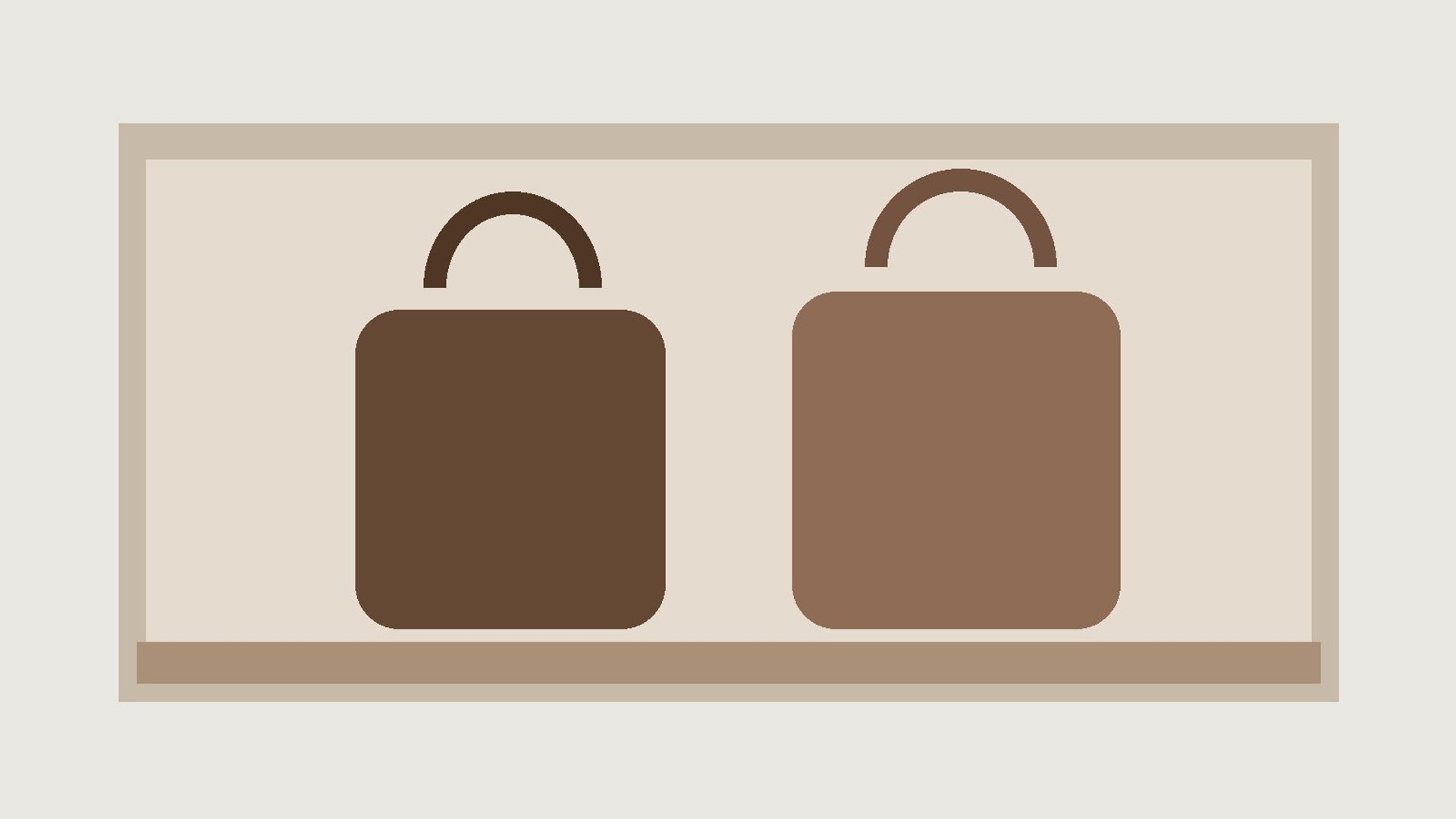
Use the supplied breathable fabric dust bag if it is clean and dry, or another soft breathable cover that does not transfer color. Avoid sealing leather in ordinary plastic for long-term storage. Place the bag upright on a stable, clean shelf with enough room that another item does not press into its sides. A divider can prevent bags from leaning against one another, but it should not scrape or pinch the material.
Keep the shelf away from windows, radiators and damp walls. Hermès’ care guidance says leather goods should be protected from humidity, prolonged light and extreme heat. This applies as a practical environmental principle even though the precise care steps vary by product. A breathable cover blocks dust but does not neutralize an unsuitable room.
Longchamp’s product-care guidance recommends a storage environment preferably at 19–25°C, away from prolonged light, heat and humidity. That range is its product guidance, not a universal leather standard. It does not establish one safe relative-humidity percentage or a fixed maximum storage duration for every finish. Check the bag and room after seasonal changes rather than treating a calendar interval as a guarantee.
How much space should you leave between handbags?
Leave enough space to lift one bag without dragging it against another. Hardware, textured leather or dark dyed edges can mark a neighboring light surface. Do not stack a heavy structured bag on top of a soft one. A shelf with bags side by side is easier to inspect and less likely to crush the lower pieces. If you use cubbies, check that the bag can enter without compressing its handles or corners.
For a collection, label each dust bag discreetly with a photo or tag on the outside. That reduces repeated handling when looking for a specific bag. Keep receipts, care cards and spare straps in a separate labeled pouch rather than inside the bag if the papers or hardware could cause pressure or transfer. Avoid attaching adhesive labels to leather or metal hardware.
What should you do with a bag that got wet?
Do not put a damp bag into a dust bag or closed cabinet. Empty it, blot surface moisture gently with an appropriate clean cloth, and let it dry at room temperature with airflow. Avoid a hair dryer, radiator or direct sun, which can introduce heat and uneven drying. The exact response to rain or a spill depends on the finish; suede, unfinished leather and delicate dyes need particular care. Consult the maker promptly if the bag is soaked or stained.
Once dry, inspect the lining, corners and seams before storage. The outside can feel dry while a pocket or base remains damp. If you notice a persistent odor or visible growth, isolate the bag from the rest of the collection and seek professional advice rather than brushing material into the room or applying household chemicals. Do not use a scented sachet as a substitute for resolving moisture.
How often should you check stored leather handbags?
Inspect a stored bag occasionally, especially after seasonal changes or a move to a new room. There is no universal inspection interval that fits every climate and closet. Look for trapped moisture, discoloration, changing shape, pressure marks, or hardware contacting leather. Lift the bag from its shelf and examine the base and lining, then return it without overhandling. A quick check can reveal a storage problem before it becomes severe.
If you rotate bags regularly, use a brief reset each time: empty, inspect, dry if necessary, support and cover. For long-term storage, review the space itself. A closet near a bathroom, exterior wall or heating vent can behave differently through the year. If humidity is a recurring problem, address the environment with appropriate room-level controls rather than sealing the bag in plastic.
How should different materials change the plan?
Smooth finished leather, suede, patent leather and exotic materials do not share one cleaning or conditioning routine. Suede can mark with liquid; glossy finishes may show transfer from adjacent items; delicate embellishments may snag fabric covers. Mixed-material bags add textile, wood or metal components that need their own protection. Use the brand’s product-specific care instructions and a qualified specialist for uncertain materials.
| Bag feature | Storage concern | Practical response |
|---|---|---|
| Soft, unstructured body | Collapse and folds | Lightly support natural shape |
| Long shoulder strap | Pull at attachments | Rest bag on shelf; coil detachable strap loosely |
| Prominent metal hardware | Impressions or scratches | Separate hardware from leather with soft fabric |
| Pale or delicate finish | Color transfer | Keep away from dark bags and dyed fabrics |
| Suede or specialty leather | Material-specific damage | Follow exact maker guidance |
What common storage mistakes should you avoid?
Leaving a bag loaded is a frequent error: contents add weight, and a bottle or wallet can create a permanent-looking bulge. Overstuffing is another; support should preserve shape, not stretch the shell. Crowding bags into a closet makes inspections difficult and can transfer color or hardware marks. A sunlit shelf may fade one side unevenly. Plastic wrapping can trap moisture, while a damp dust bag can make the environment worse.
Do not treat every scratch as a cue to apply oil or conditioner. Products appropriate for one finish may darken or damage another. Do not leave a bag hanging indefinitely by its handle, even if it looks tidy on a wall. Finally, do not assume a luxury price makes the bag immune to ordinary material behavior. Good storage is simple, repeatable and specific to the bag.
Frequently asked questions
Can I keep a leather handbag in its original box?
Only if the box and room are dry, clean and sufficiently ventilated for the brand’s guidance. A breathable dust bag on a shelf is often easier to inspect. Do not rely on a sealed box to protect a bag from humidity or pressure.
Should I hang handbags by their straps?
For extended storage, support the bag on a shelf instead. Hanging can keep tension on the handle or strap attachments. Arrange straps loosely so they do not press hardware into leather.
What should I use to stuff a leather bag?
Use clean, soft, color-safe material that supports the natural silhouette without stretching it. Avoid printed newspaper against pale surfaces and hard objects that can leave impressions. Check the exact brand’s instructions for delicate finishes.
Can sunlight damage a stored leather bag?
Prolonged light exposure can alter some finishes and colors. Store the covered bag away from direct sunlight and extreme heat, consistent with the maker’s care guidance. A dust cover is helpful but not a substitute for a suitable location.
What is the safest repeatable routine?
The reliable answer to how to store leather handbags is to empty and inspect them, dry them naturally when needed, support their natural shape, and rest them in breathable covers on a clean shelf away from heat, light and damp. Recheck occasionally and adapt the details to each leather and the brand’s care instructions.