How should a chain bracelet fit? It should move comfortably around the wrist without pinching, sliding over the hand, or repeatedly catching on a sleeve. Measure your wrist where you plan to wear it, compare that figure with the bracelet's usable length, and test the actual links and clasp during normal movement. A fixed extra allowance is only a starting point because chain weight, width and closure design change the feel.
Key Takeaways
- Measure at the wearing position, then test the finished bracelet rather than relying on a wrist number alone.
- A chain should permit ordinary motion while staying securely above the hand.
- Check clasp position, dangling tails, link edges and movement beside a watch or sleeve.
- VERTU LUMINA AI Bracelet lists an adjustable 140–200 mm wearing range for its named design; verify the exact edition and fit.
How much movement should a chain bracelet have?
A chain generally needs enough ease to drape rather than press into skin. When you rotate your forearm or bend your wrist, it should not pull tightly across the joint. When you let the arm hang, it should not travel so far that it can pass over the hand. The useful test is not a precise gap in a photograph; it is how the piece behaves through ordinary movements. Narrow and heavy chains can both feel uncomfortable when sized only by a printed length.
Tiffany & Co.'s bracelet sizing guide advises measuring the wrist and says link and chain bracelets should fit slightly loosely to allow movement. That is a practical principle, not a claim that every buyer needs the same number of millimetres. A clasp that occupies a substantial portion of the bracelet can shift the visual centre, while a heavy charm may pull the chain toward the underside of the wrist.
Where should you measure your wrist?
Measure at the position where you expect the chain to sit, usually near but not on the wrist joint. Wrap a flexible tape without pulling it tight. If you have no tape, use a narrow strip of paper, mark the overlap and check it against a ruler. Record the value in millimetres or centimetres and repeat the measurement once. Then measure the other wrist if you may switch sides; the two may differ slightly.
Take the reading at a normal time of day, not immediately after a situation that makes the wrist unusually swollen. A single measurement is a starting point, not a promise of all-day comfort. If your wrist size changes noticeably during the day, an adjustable chain or several clasp positions may be more forgiving than a fixed-size piece. Check whether the advertised length includes the clasp and whether the seller reports total end-to-end length or a recommended wrist range.
Should you add one centimetre to your wrist size?
It can be an initial trial, but it is not a universal rule. Cartier's bracelet sizing tool recommends measuring the thickest part of the wrist and adding one centimetre for a looser fit. That advice belongs to Cartier's sizing context. A fine chain, a broad link bracelet and a sensor-bearing wearable may need different ease. Try the suggested size on the exact design before treating the number as the answer.
Think of the allowance as a way to narrow the first size to try. If a bracelet has a large clasp, a long decorative plate or a dangling extension, the effective inner fit can differ from the simple sum of wrist measurement and allowance. Stiff links may resist curving around a small wrist. A jeweller's measured internal circumference and an in-person fitting can resolve these uncertainties better than a generic formula.
How do you test the fit in five minutes?
- Close the bracelet at the intended setting and let the arm hang naturally.
- Turn the palm up and down; notice whether the clasp rotates excessively.
- Bend the wrist and make a gentle fist; there should be no sharp pressure.
- Type, hold a phone and reach into a pocket; check for snagging.
- Wear a usual sleeve or watch and see whether the pieces collide.
- Raise the arm and check whether the bracelet approaches the hand enough to slip off.
These are comfort observations, not strength tests. Do not yank a valuable chain to prove the clasp secure. If a link twists, the clasp opens accidentally, or the chain leaves persistent marks, ask for a different length or construction. Try the bracelet for more than a few seconds: a showroom pose may conceal an edge that becomes uncomfortable during desk work.
How do width, weight and link shape change fit?
A broad chain covers more skin and may need a different position from a thin chain. Rigid or closely packed links can make a bracelet feel smaller than a flexible chain with the same end-to-end length. Heavy links may pull a loose bracelet down toward the hand. Rounded edges can feel smoother against skin than sharp decorative links, but finish quality must be checked on the actual item. Ask whether links can be removed without breaking the design's symmetry.
Consider the clasp as a component, not just a fastening detail. Its weight and position can cause rotation. A toggle may behave differently from a lobster clasp, a box clasp or a sliding adjuster. Check whether you can close it yourself, whether an extension tail catches on clothing, and whether the closure stays shut when the bracelet moves. Security depends on the specific mechanism and fit; no clasp type is universally safest.
Can a chain bracelet be too tight even if it closes?
Yes. Closure is not the measure of comfort. A bracelet that presses when you bend the wrist or leaves deep marks may be too tight. If skin bulges between links, the chain catches hair, or you feel compelled to remove it during ordinary work, test the next setting. Do not force a fixed piece shut or add an improvised connector to a valuable design. Ask the maker or jeweller what alterations are authorised.
A wearable with an electronic module may need stable contact, but that does not justify a constricting fit. Read the device's placement instructions and confirm its stated adjustment range. If the band shifts so much that the sensors lose contact, seek a suitable size or model rather than tightening beyond comfort. A decorative chain and a wellness wearable can require different fit decisions.
Can a chain bracelet be too loose?
Yes. If it repeatedly slips over the hand, swings into hard surfaces, or rotates so a heavy ornament strikes the desk, it may be too loose. Loose links can snag on bag handles or cuffs. The risk is practical: a bracelet can be lost even when it feels pleasant while standing still. Try it while carrying a bag and reaching for a phone, and check whether the clasp remains where you expect.
Some people prefer a relaxed drape for styling. That can work if the hand and clasp tests are still passed. An extension chain provides options, but a long unused tail may become another snag point. Ask whether it can be shortened professionally without harming the finish or warranty. If you are buying a gift, preserve exchange rights until the recipient has tried the piece.
How should VERTU LUMINA AI Bracelet fit?
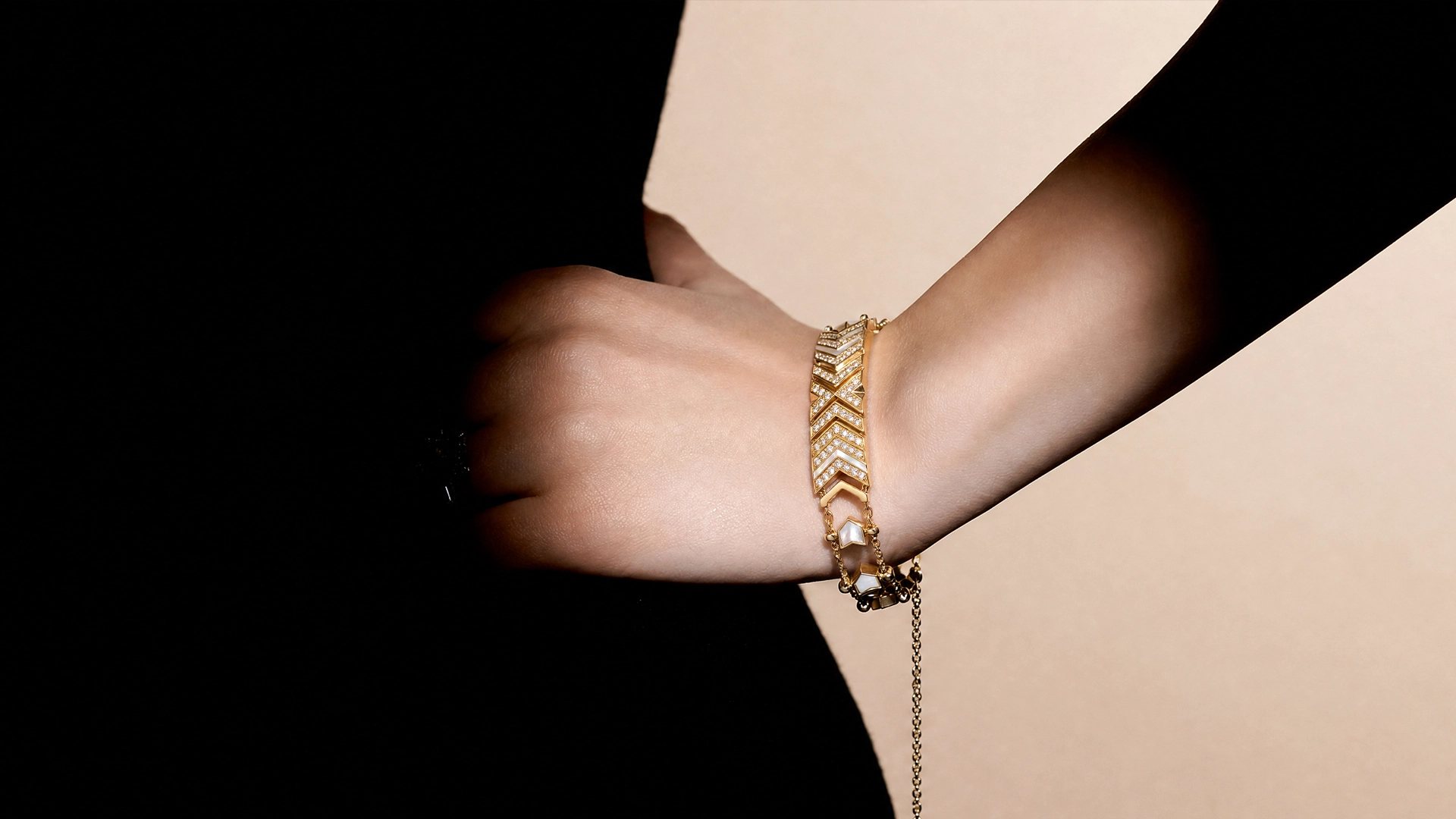
The current VERTU LUMINA AI Bracelet product page describes a flexible 200 mm chain and an adjustable wearing range of 140–200 mm. Those are model-specific figures, not a size chart for all VERTU jewellery. Compare your measured wrist with the range, then check how the adjustment sits, whether the decorative elements remain centred and whether the module maintains the contact required for the supported wellness functions.
LUMINA is jewellery-led and connected, so fit has both visual and functional implications. Ask about phone compatibility, app availability and charging in addition to clasp comfort. Its current product description mentions mother-of-pearl, zircon and a gold-plated finish; care for those components should follow the official instructions. Do not assume a generic metal-chain cleaning method is appropriate for the electronic or decorative parts.
What if you want to wear it with a watch?
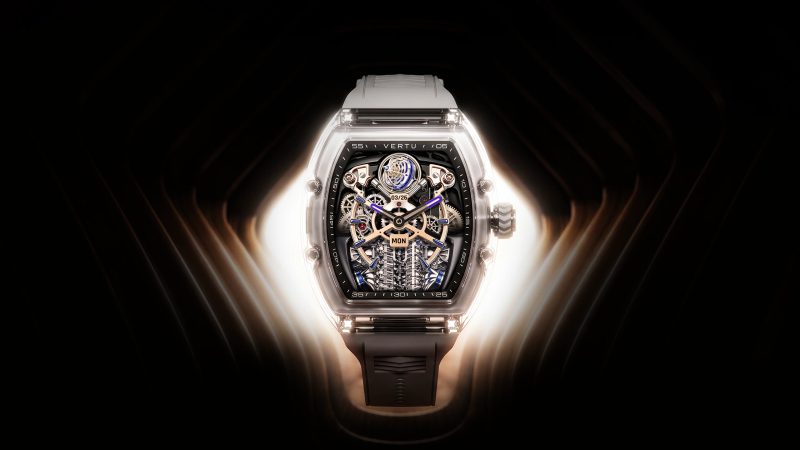
Test each piece separately before stacking them. A chain that fits comfortably alone may be pushed toward the hand by a watch case or strap. If the bracelet can contact a polished watch case, consider whether friction and noise are acceptable. Try both arrangements with a long sleeve and at a desk. There is no universal watch-diameter-to-chain-width ratio that predicts comfort because case height, lug shape, link thickness and wrist shape also matter.
Decide which item should sit closer to the hand. Some wearers prefer the watch to remain stable and the chain to move on the other side; others separate the pieces onto different wrists. A small movement change can affect a sensor-bearing bracelet as well as its appearance. The correct result is the arrangement that remains secure and comfortable during your normal day.
What should you ask before buying online?
| Question | Why it matters |
|---|---|
| Is the listed length end to end, including the clasp? | Displayed length may not equal usable inner circumference. |
| What wrist range does each adjustment setting serve? | A multi-position chain may not cover every intermediate fit comfortably. |
| Can links or extension sections be altered? | Some designs require authorised service to preserve finish and warranty. |
| What are the return and exchange conditions? | Final comfort cannot be guaranteed from measurements alone. |
Request a measurement photo if the listing is unclear. Keep the order record, size selection and any written guidance. A bracelet that is beautiful but uncomfortable will not be worn often, so the cost of a return or adjustment belongs in the buying decision. Do not remove tags or commission alterations until the fit has been checked under the applicable return policy.
Frequently asked questions
Should a chain bracelet leave a mark?
A brief light impression can occur, but persistent deep marks or pressure during wrist movement suggest the fit needs review. Seek a larger setting or another design.
Can I use an extender to fix a tight bracelet?
Sometimes, if the maker approves the component and the resulting clasp remains secure. Check weight, finish and warranty implications first.
Is a one-centimetre allowance always right?
No. Cartier uses it as a loose-fit suggestion in its guide, but actual chain construction and personal comfort determine the result.
How should a chain bracelet fit beside a watch?
Both pieces should remain comfortable and avoid unwanted collision. Test wrist movement, desk work and sleeve clearance with the exact pair.
Conclusion
A chain bracelet should drape with room for movement while staying securely on the wrist. Measure carefully, check usable length, and test the clasp and links in normal activity. For a connected piece such as VERTU LUMINA AI Bracelet, confirm the model-specific adjustment range and sensor contact as well as the jewellery fit. The finished piece, not a universal allowance, should make the final decision.